
Thangka
Explore this spriritual and meditative art form.
Introduction
Etymology: The term "Thangka" has its origins in the Tibetan language. The word "thang" translates to "unfolding" or "rolled up," while "ka" means "a painting" or "a piece of silk." Therefore, "thangka" collectively refers to a scroll painting or a painted banner that can be unrolled for display.
Origin: Originating in Nepal during the seventh century, the tradition of Thangka Art spread to the Himalayan region, particularly gaining prominence in Tibet. Location: Nepal, Tibet, the Himalayas.
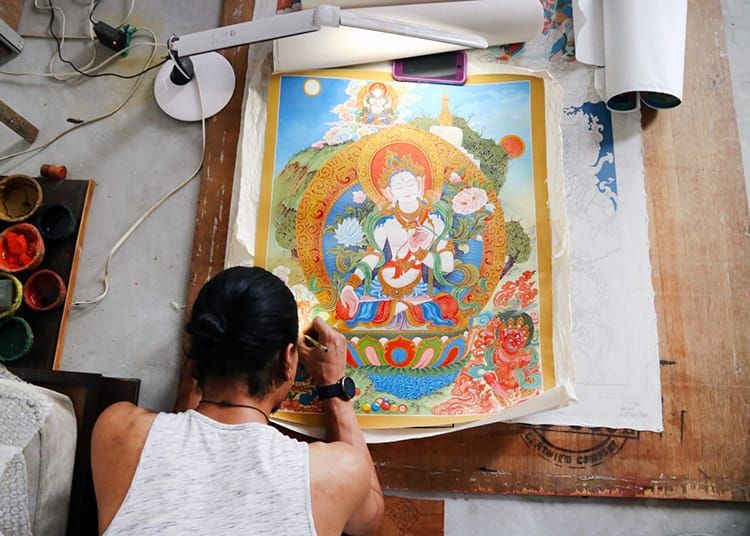
Community: Thangkas are traditionally created by skilled artists, often referred to as "Thangka painters" or "Thangka artists." These individuals undergo specialized training in the intricate techniques and religious symbolism associated with thangka painting.
Relevance: Buddhist teachers, traversing various regions, would impart teachings on the life and philosophy of Buddha, enhancing their discourses by utilizing these painted scrolls.
Shop Thangka Products
View all →
Nandi and Shivlinga
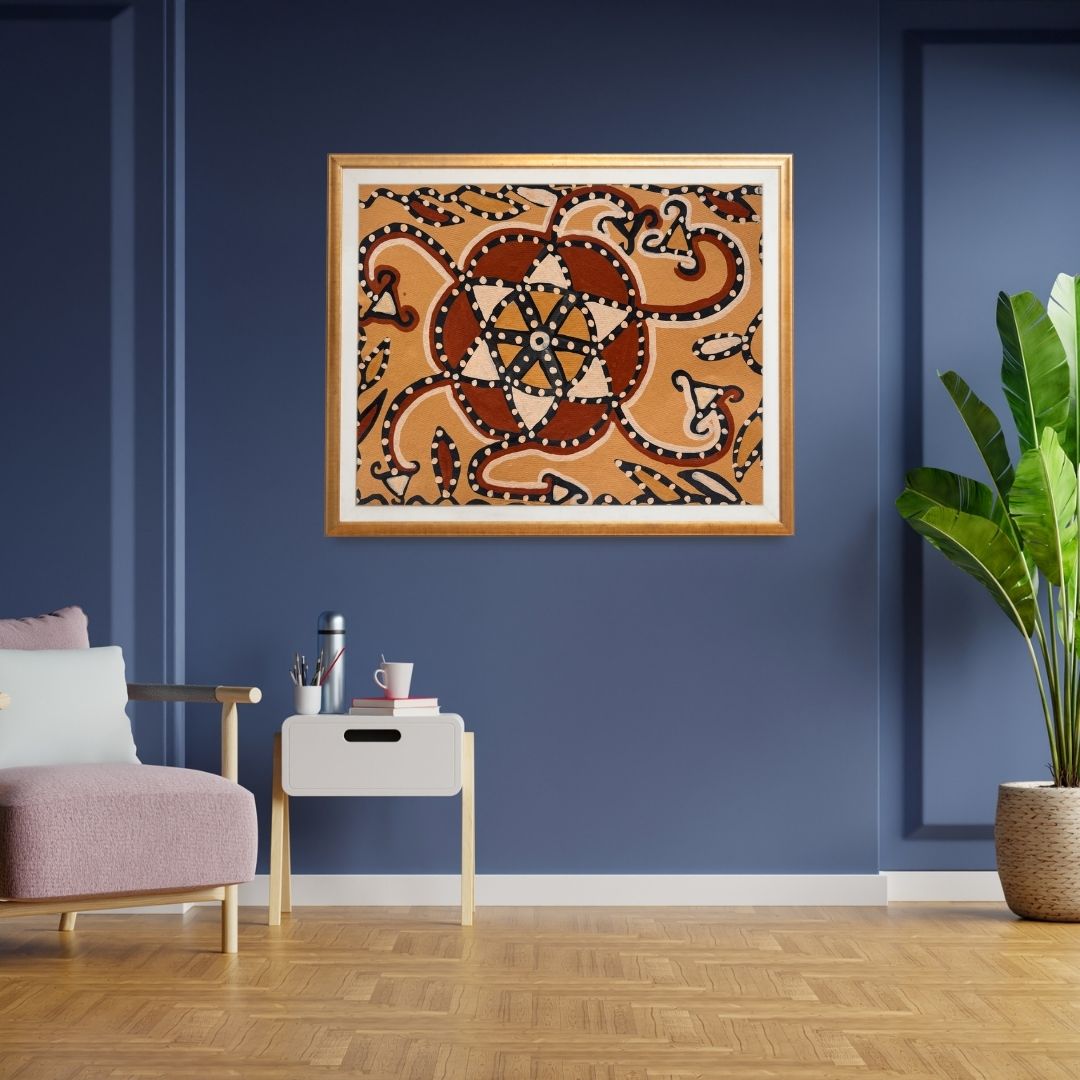
The Lotus Spiral by Parwati Devi
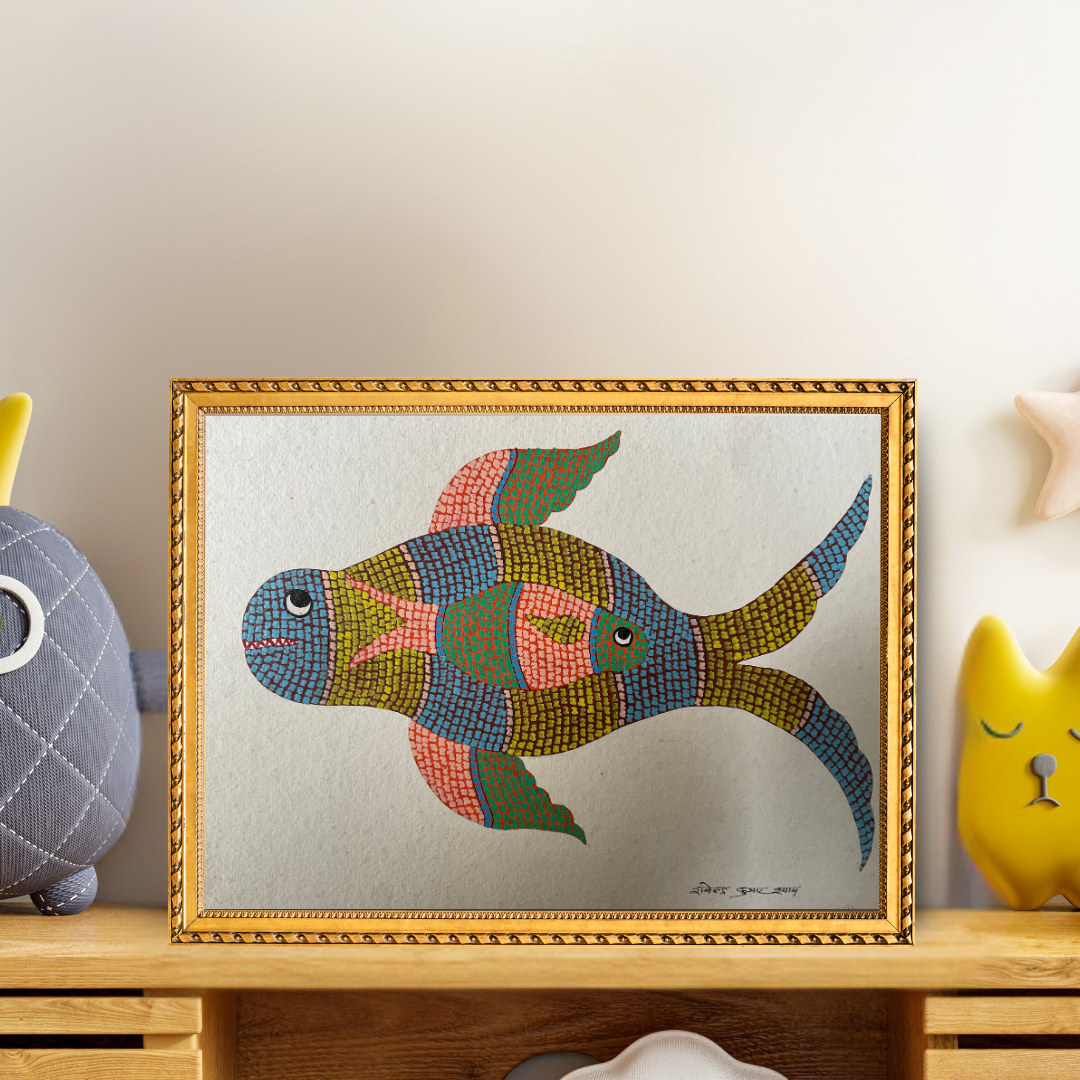
Life Within Life
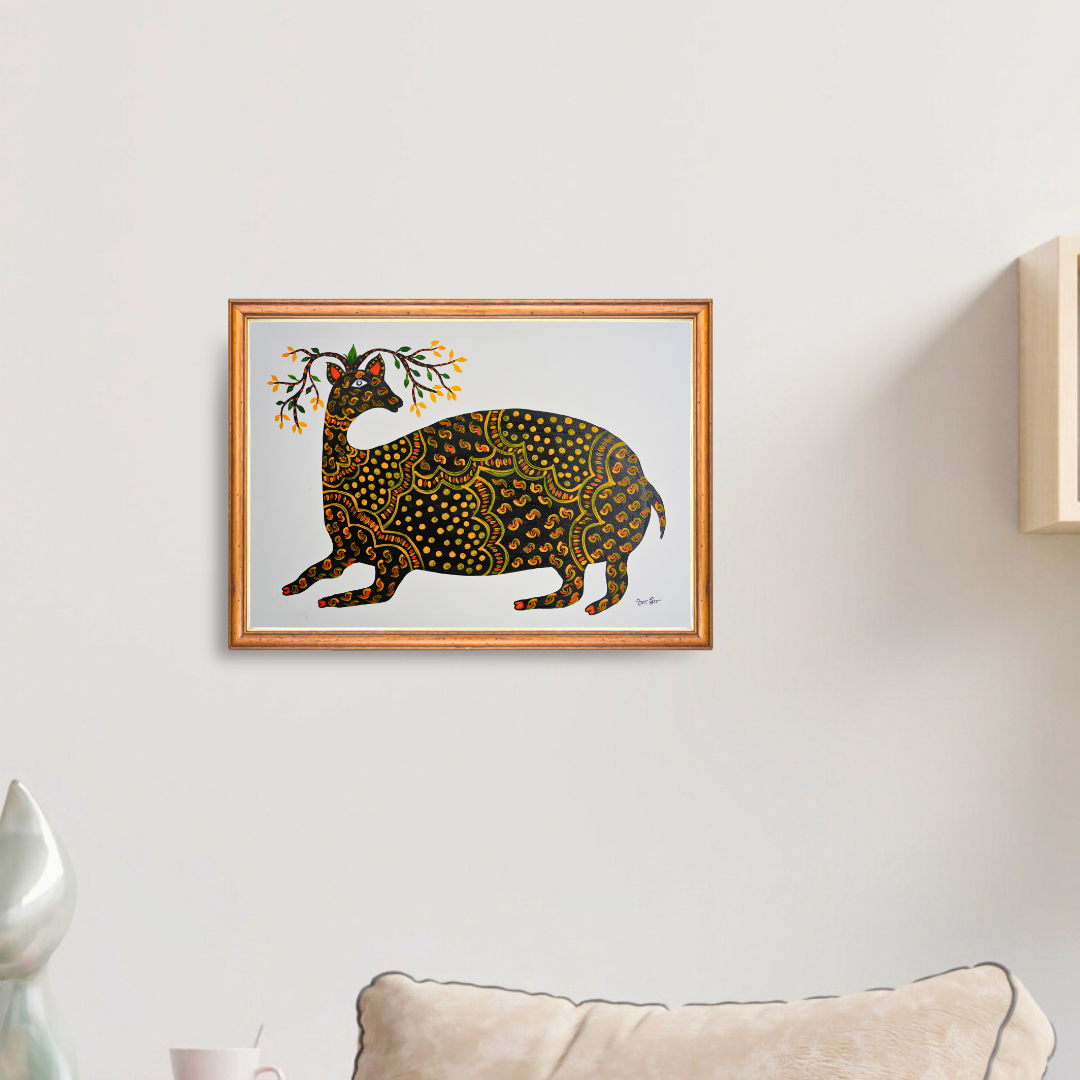
Black Hiran
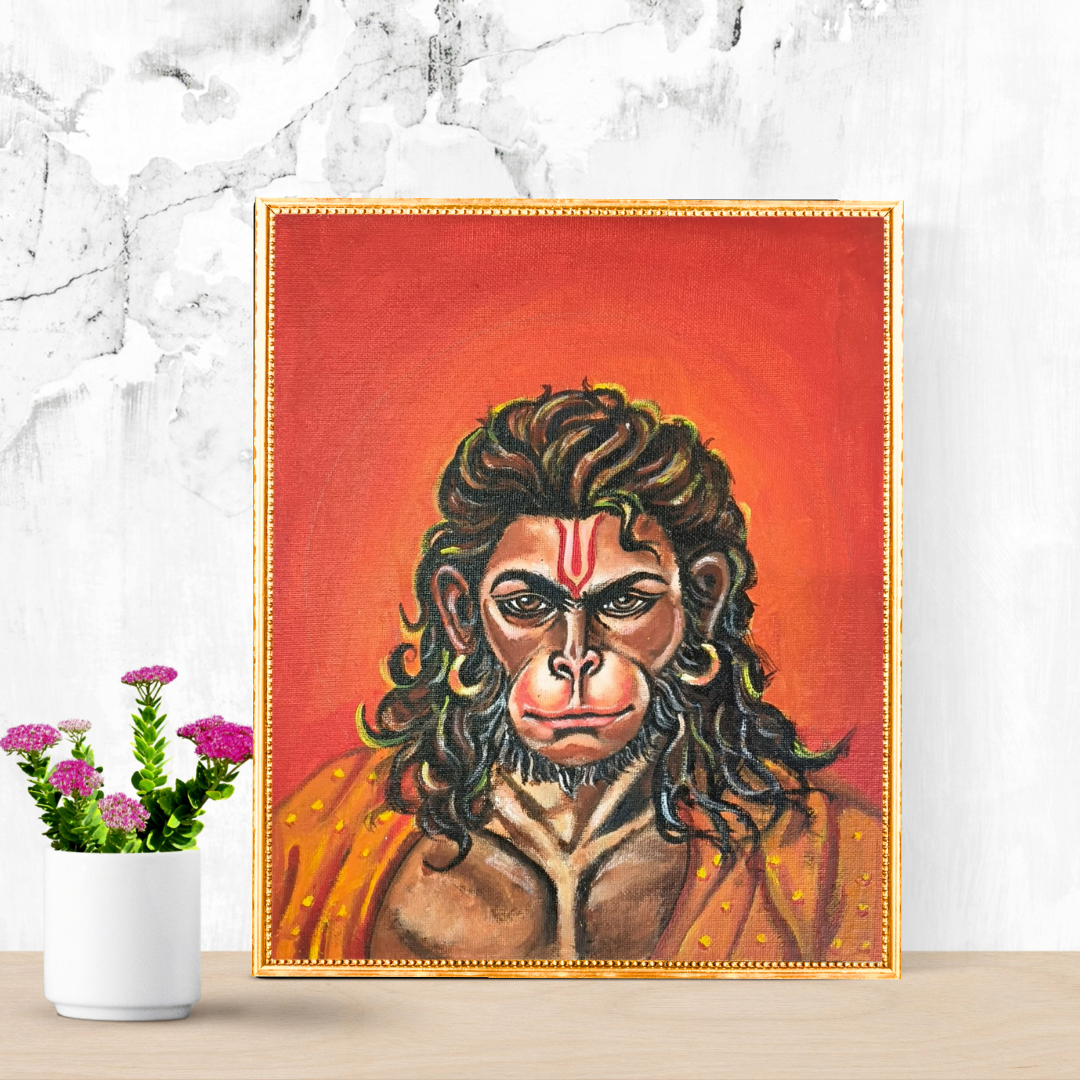
“Divine Strength Hanuman Portrait” - Original Acrylic Painting
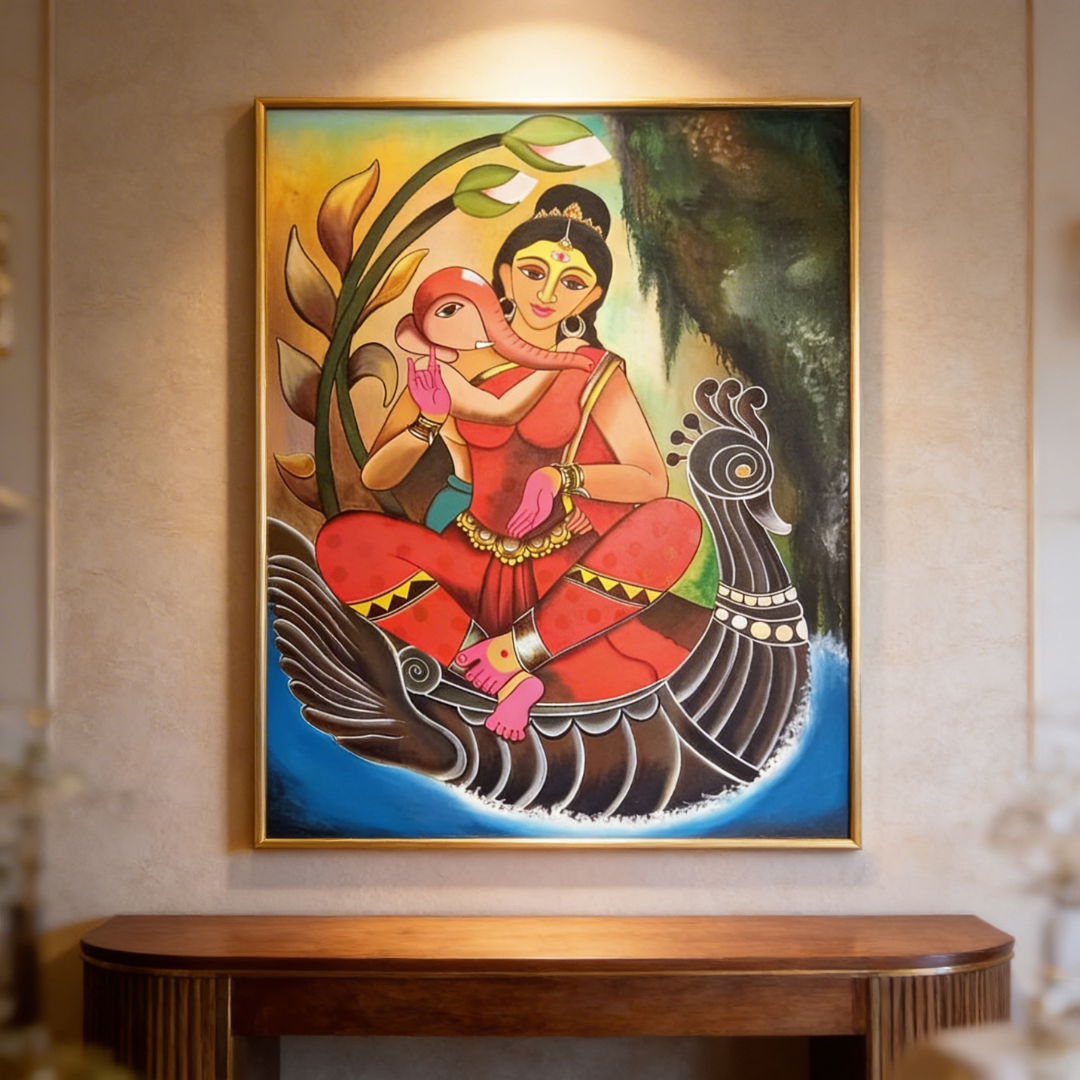
woman with a swan
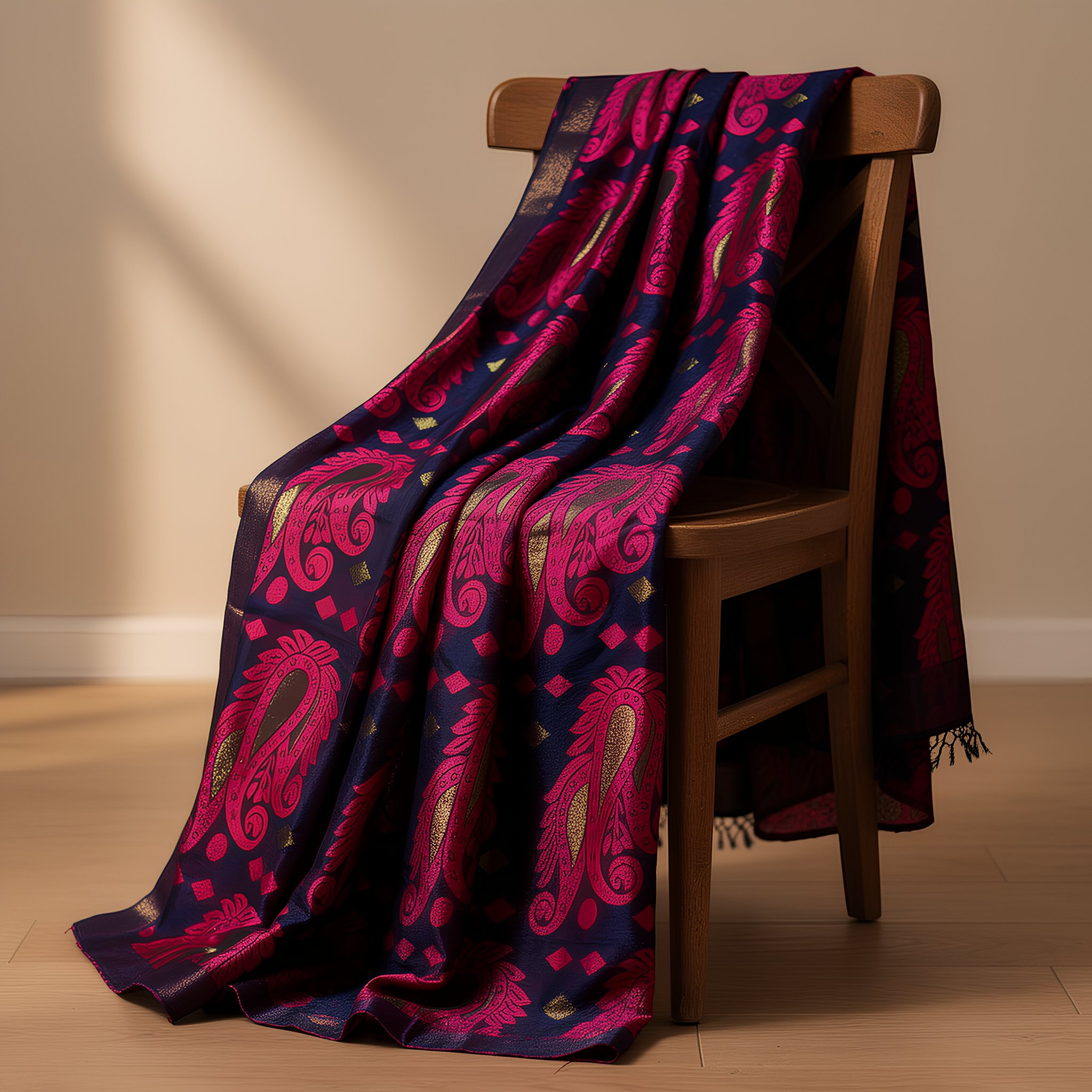
Dhaka Jamdani Cotton Silk Saree Blue Pink Printed
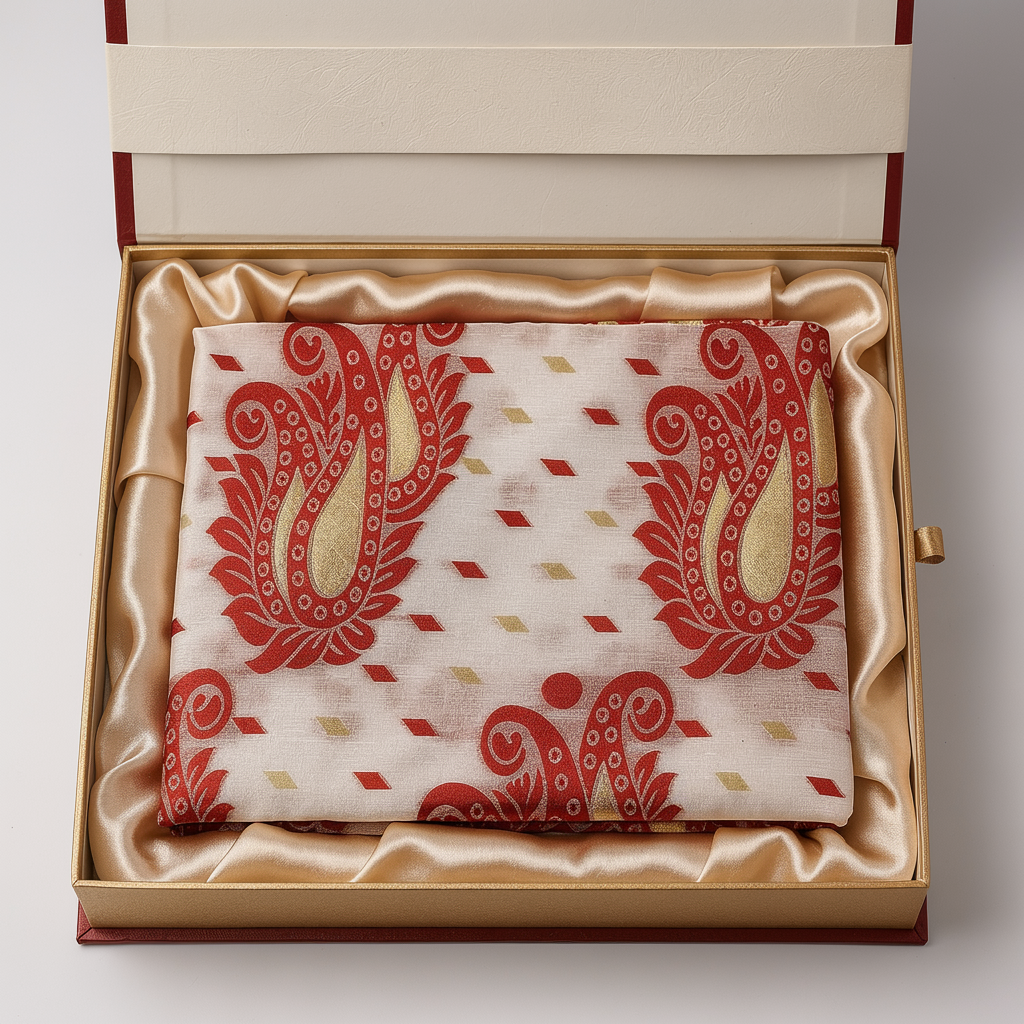
Reshom Dhakai Jamdani Cotton Silk Saree Cream Red Floral
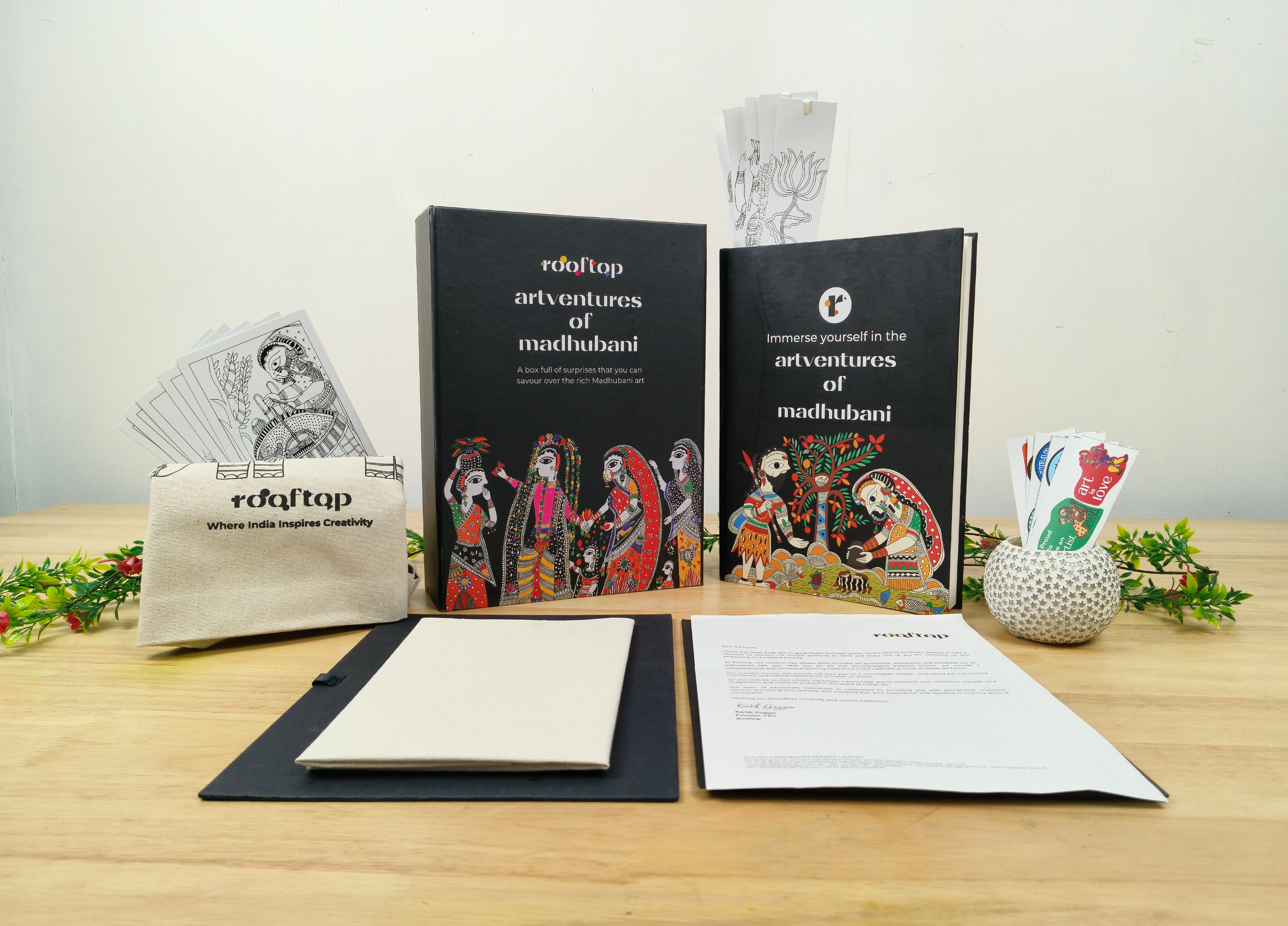
Madhubani Art Kit
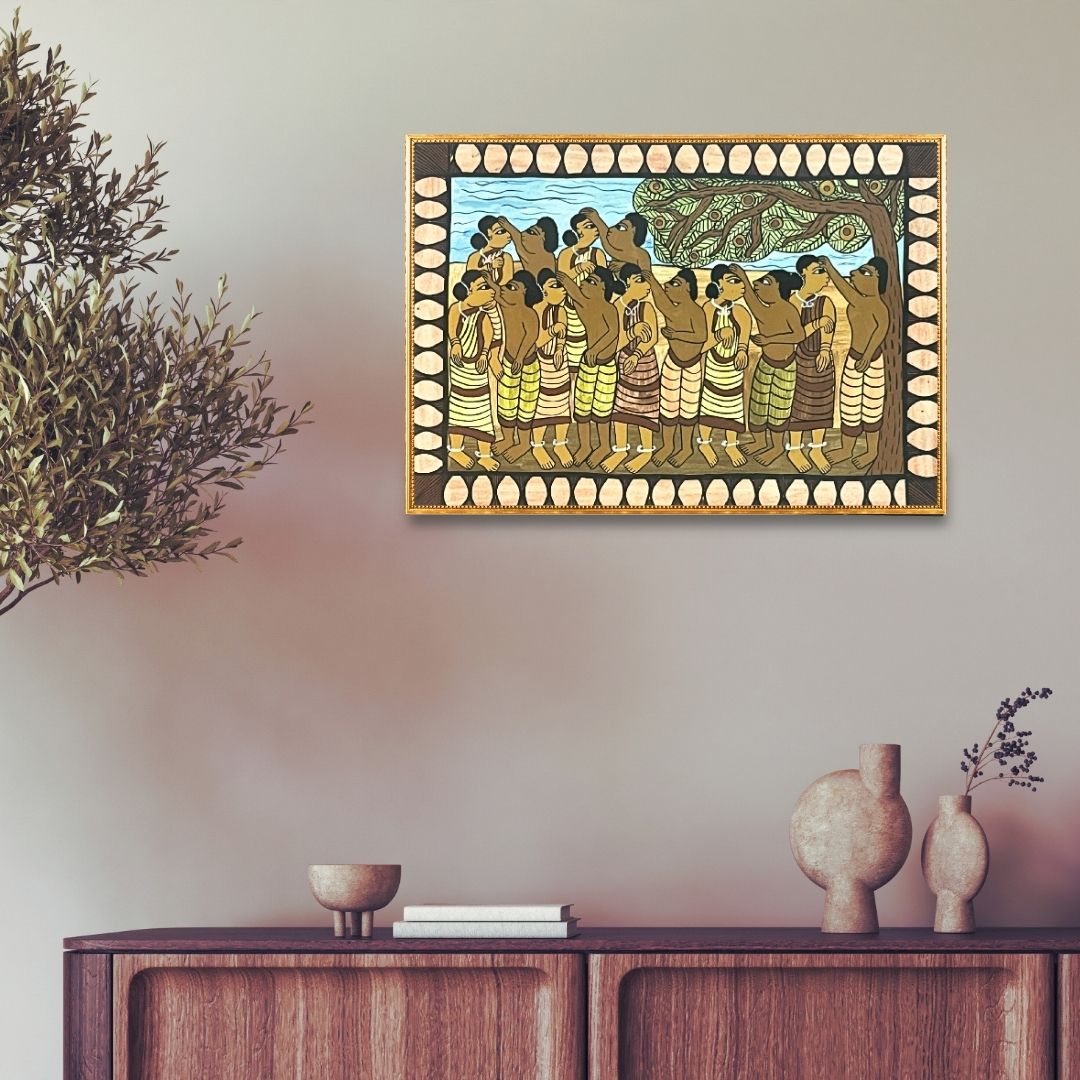
Tribal Lifestyle X
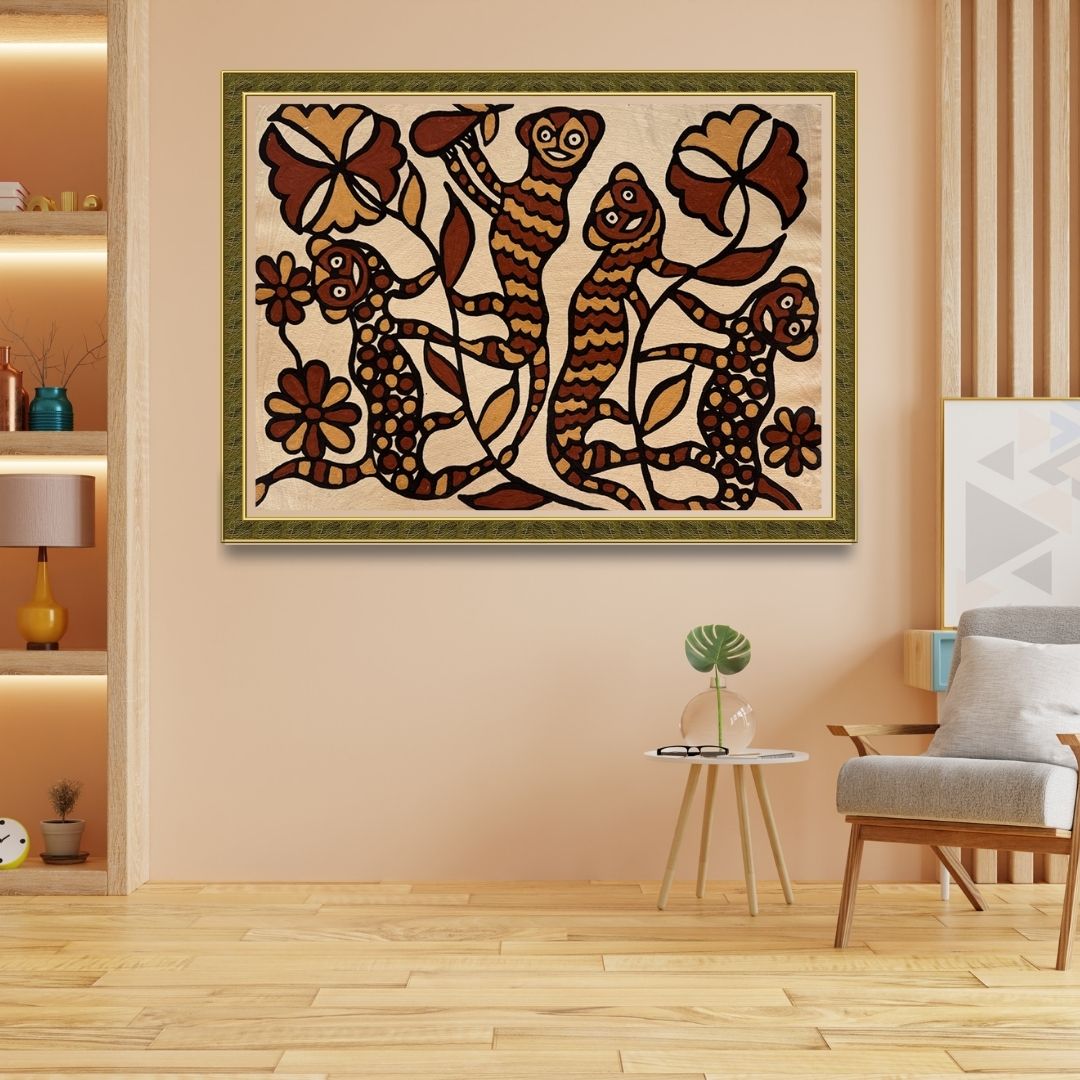
The Playful Canopy
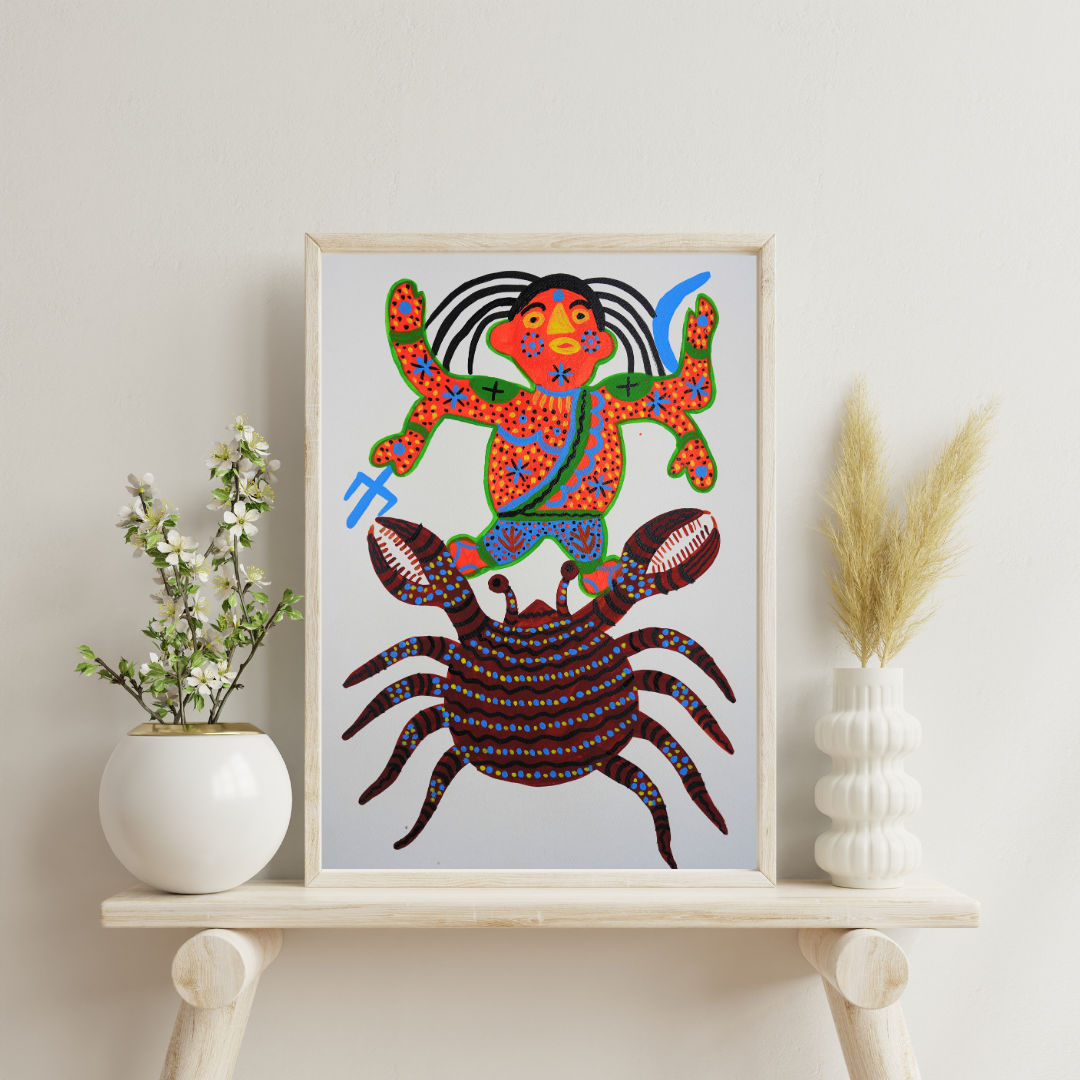
Buddha on his Crab Mount
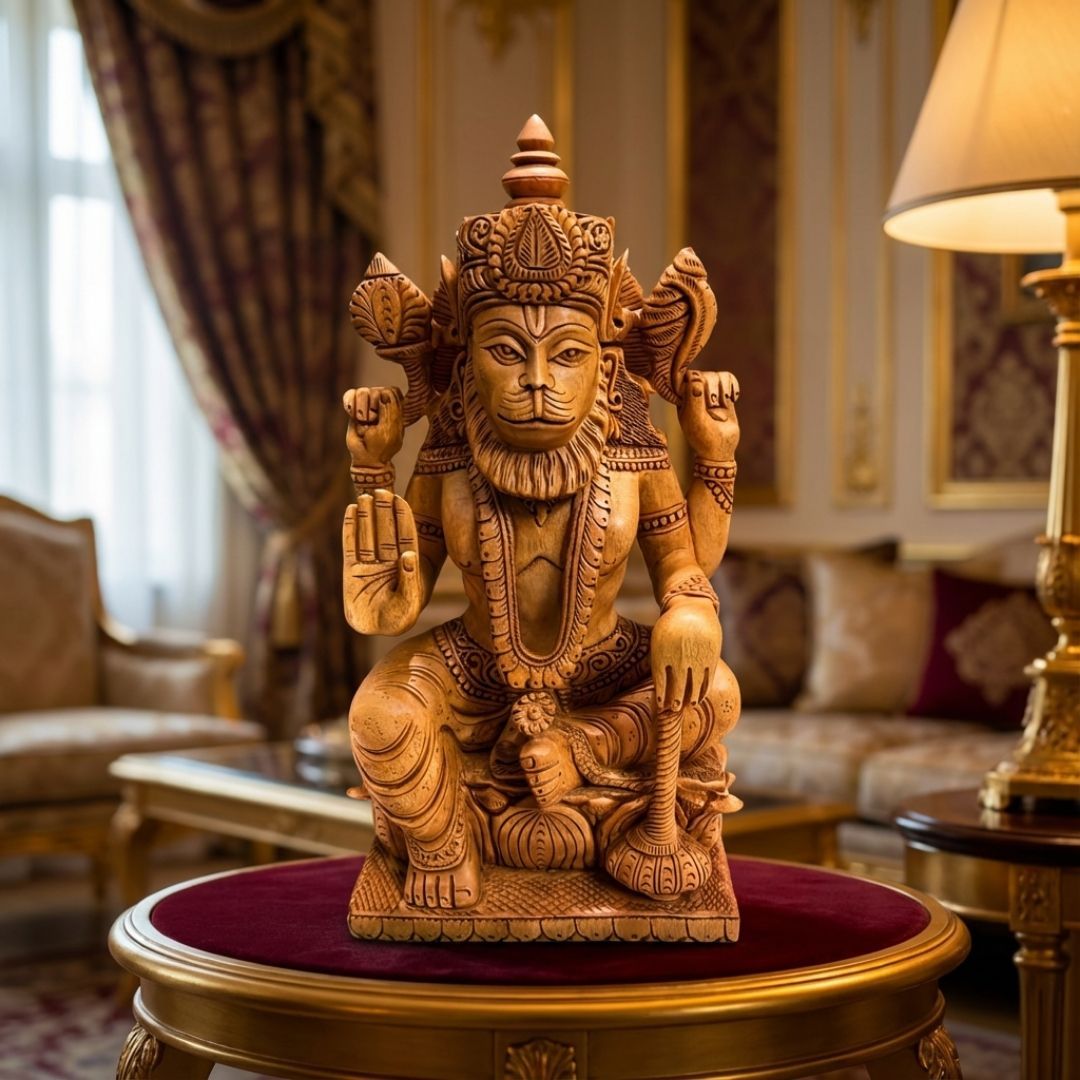
Lord Narasimha Sandalwood Sculpture with Intricate Hand Carving
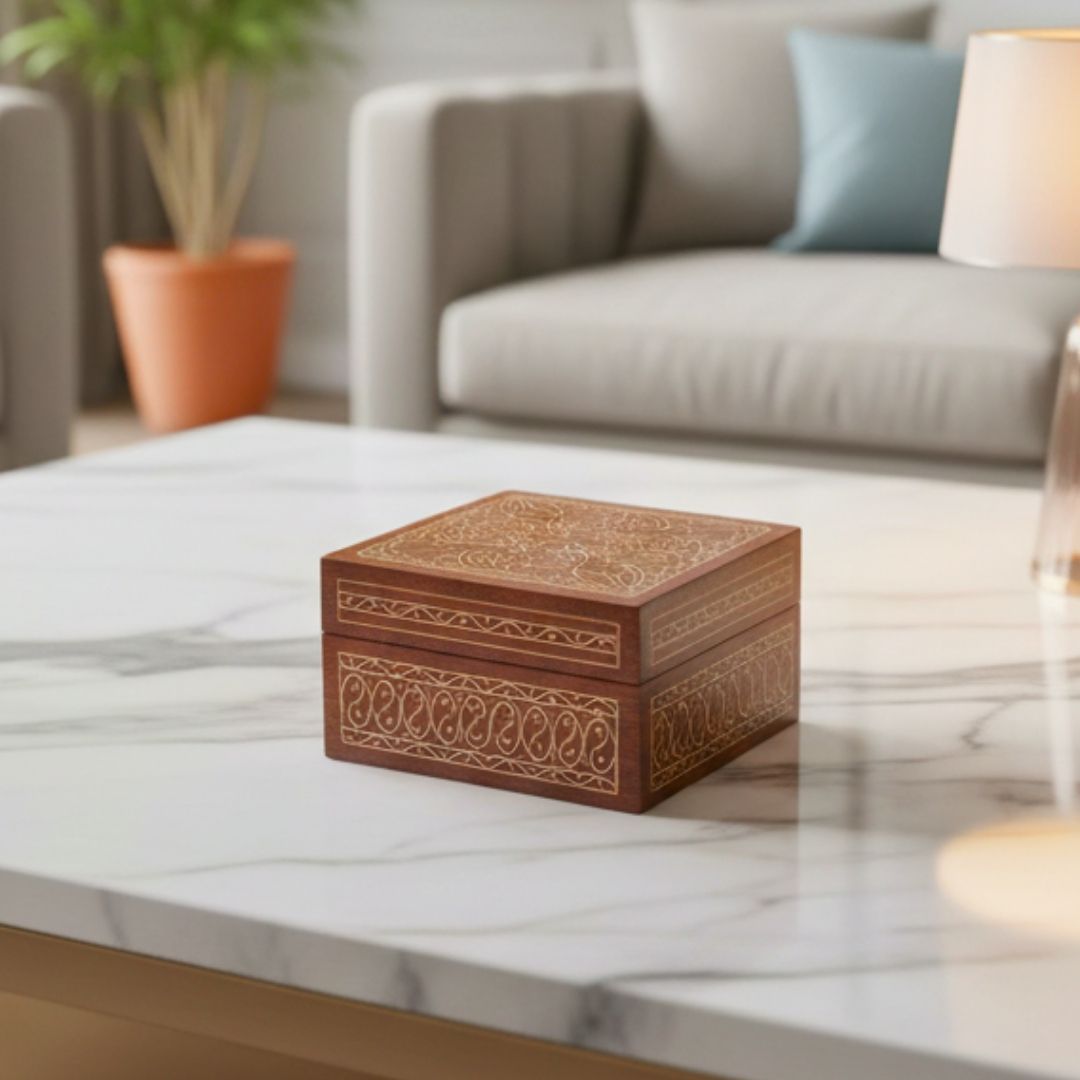
Blooming Heritage Wooden Tarkashi Inlay Box
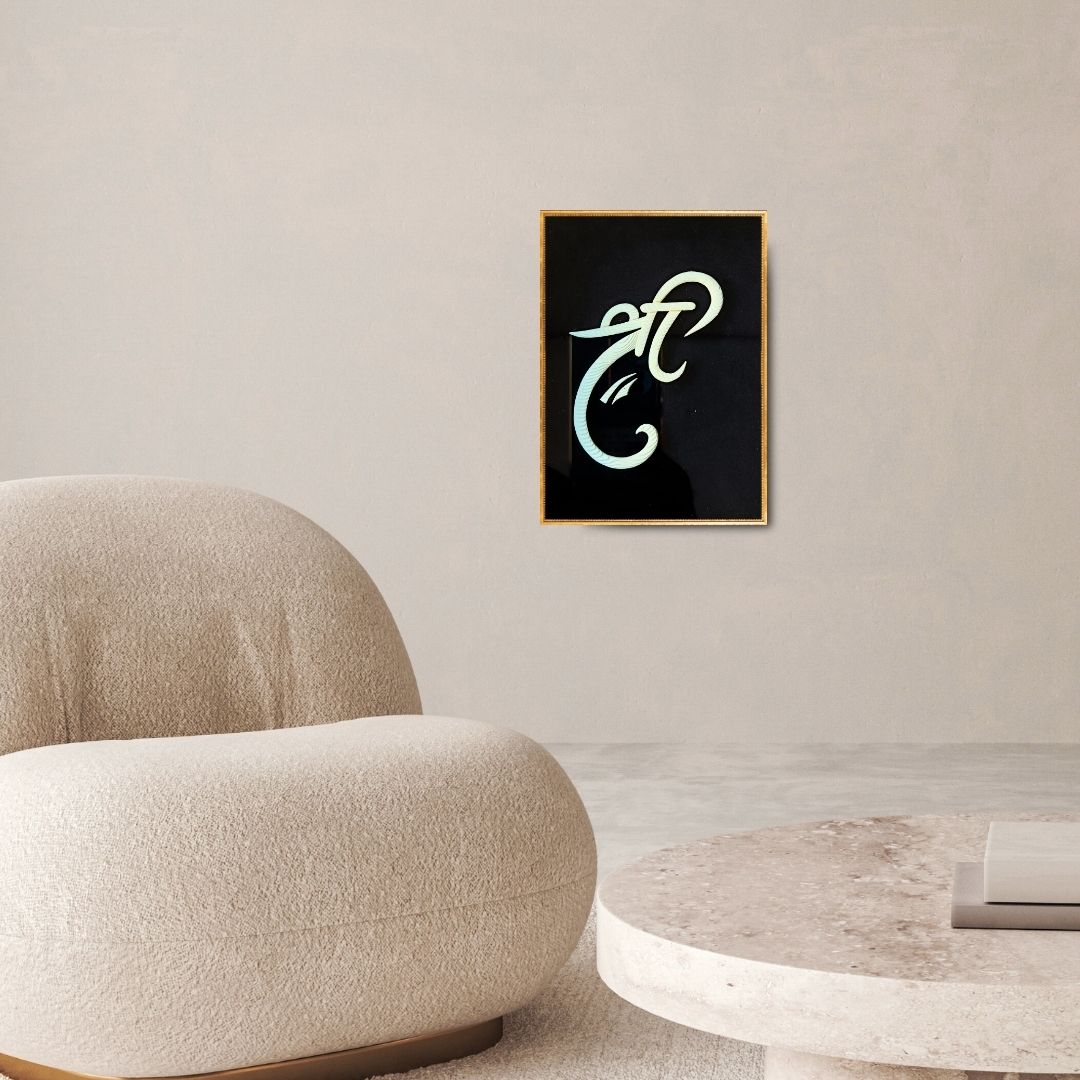
Shree Ganesha
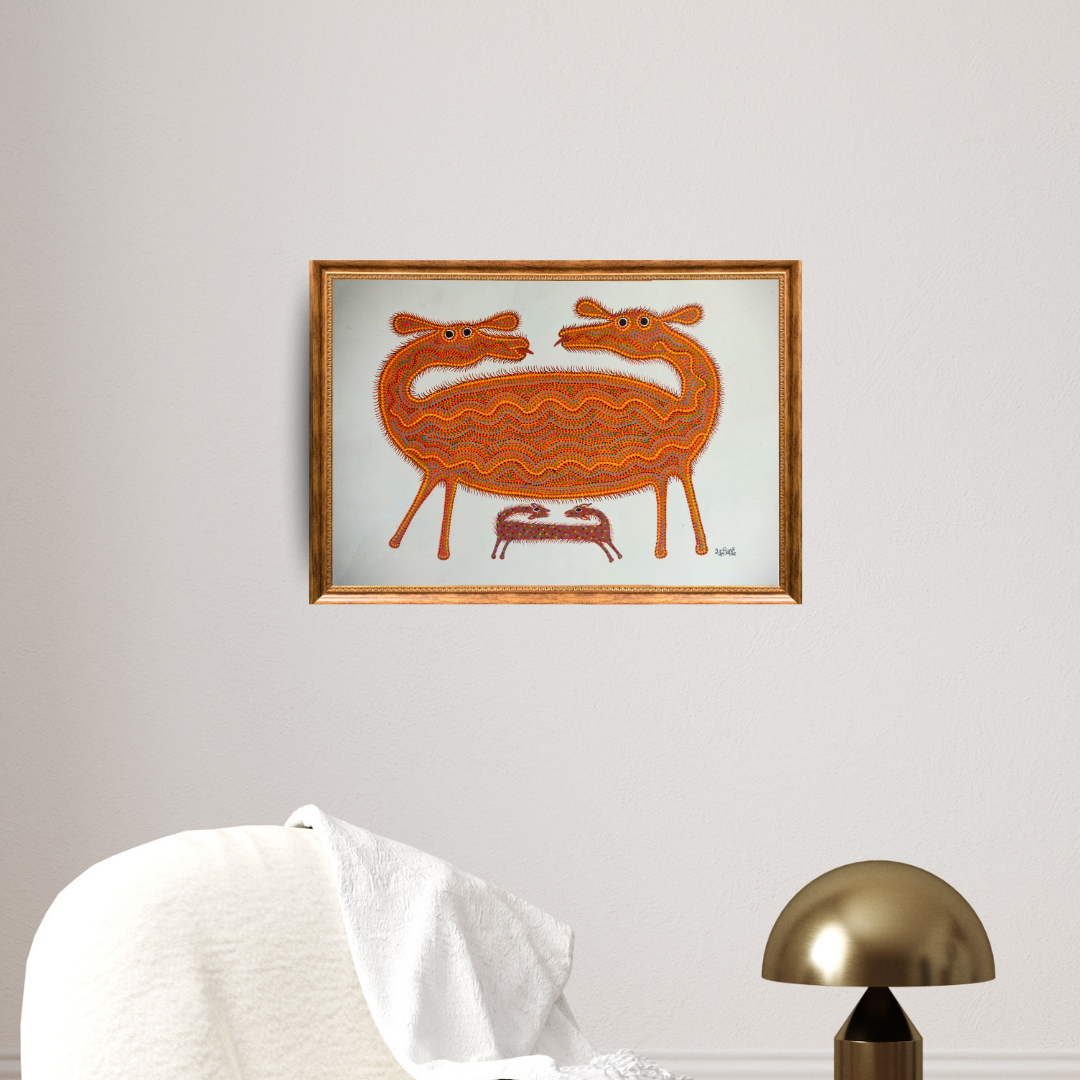
Two Headed Creature
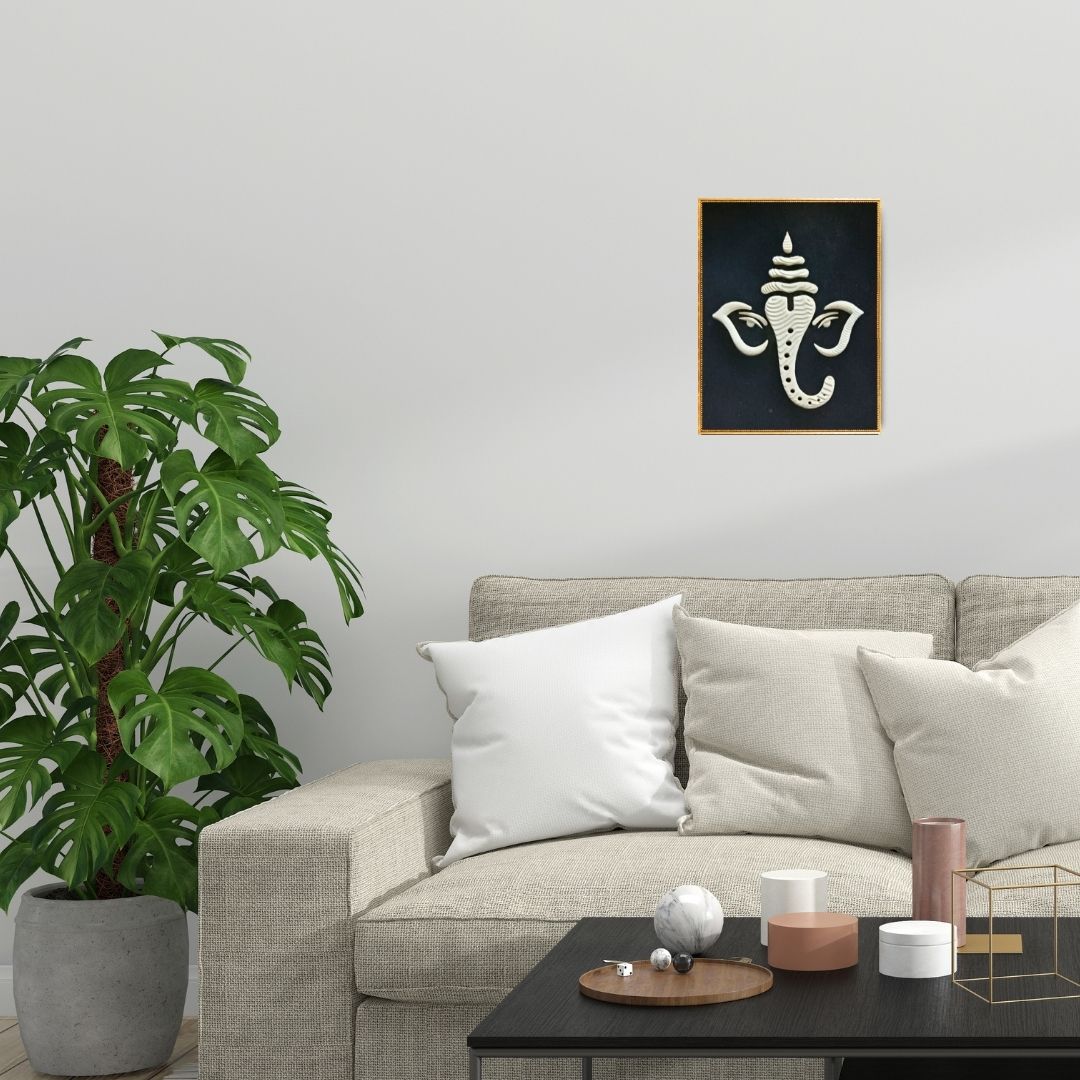
Vighnaharta
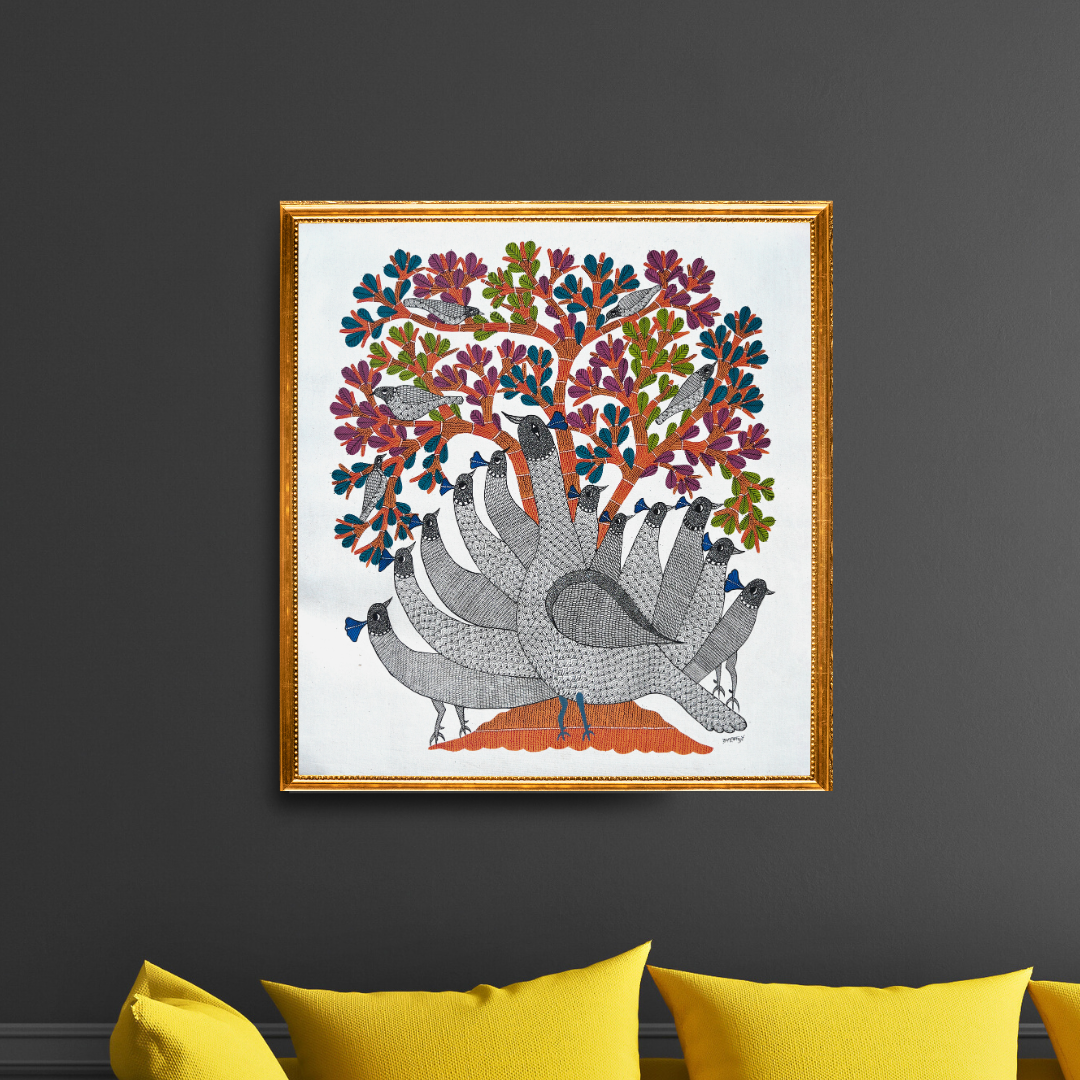
Group of Peacocks
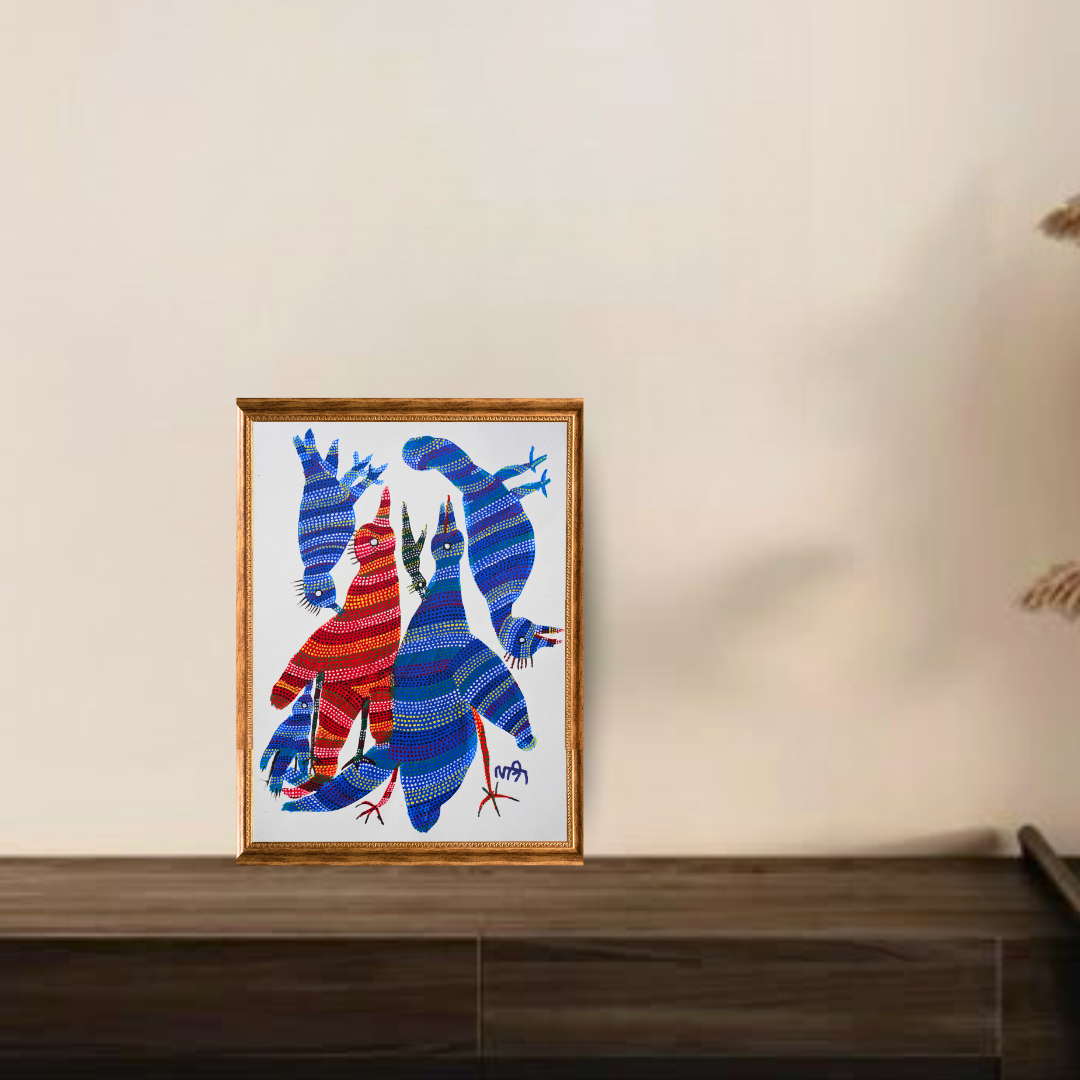
The Gathering of Birds
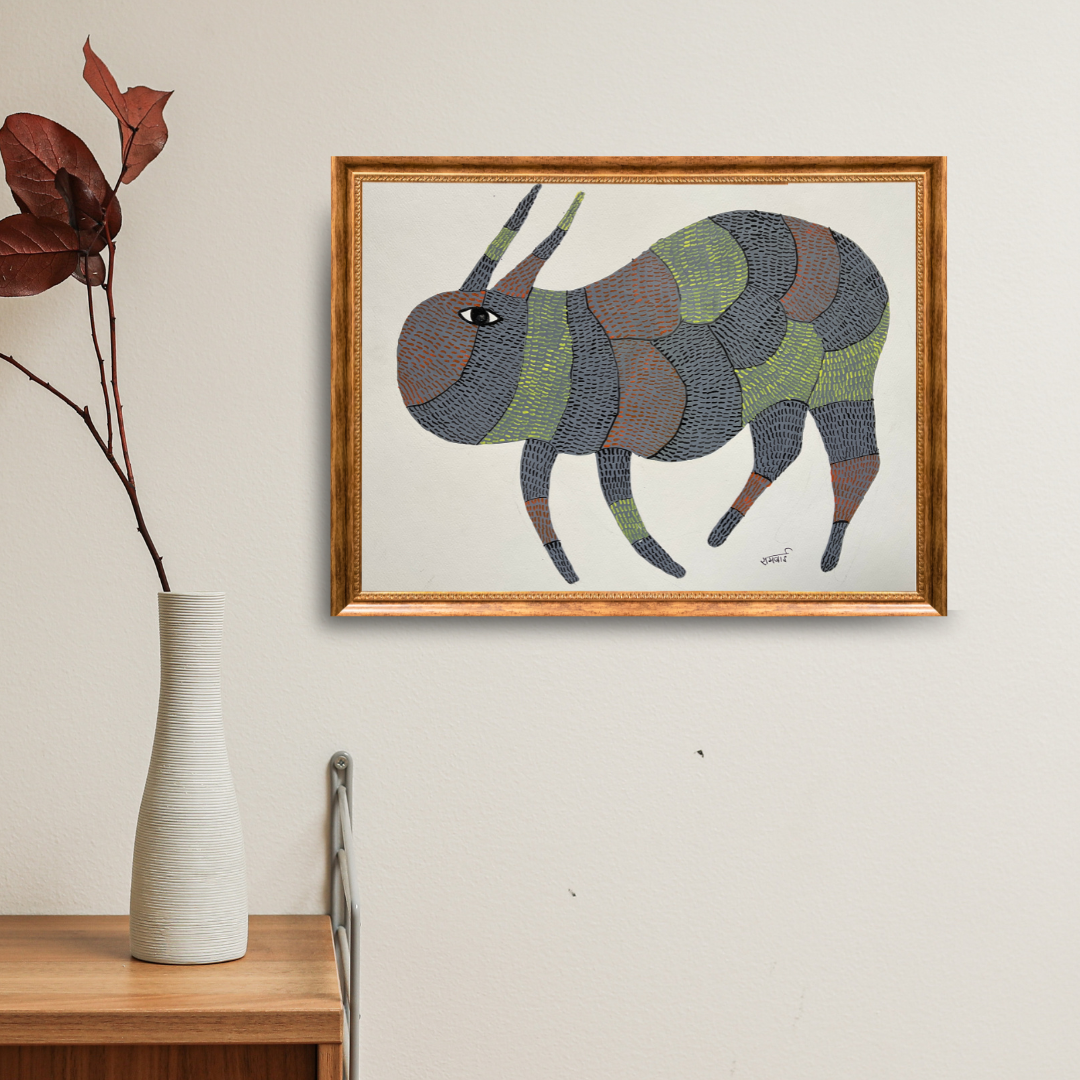
The Gentle Gaze of a Cow
History
Origin and importance: Typically, Thangkas have four uses:
- They accrue merit and good karma
- They guide the souls of the dead during reincarnation
- They are used in single-point meditation
- They are used in tantric practises
Religious significance: - Thangkas often depict Buddhist deities, mandalas, and scenes from the life of Buddha. They serve as visual aids for meditation and contemplation, helping practitioners in their spiritual journey.
- The intricate details and symbolism in thangkas convey teachings and principles of Tibetan Buddhism. They act as a form of religious education and inspiration.
Culture and society: - Thangkas serve as visual textbooks, illustrating the stories, teachings, and iconography of Tibetan Buddhism. They play a crucial role in transmitting religious knowledge and cultural values from one generation to the next.
- Thangkas are prominently featured in religious rituals, ceremonies, and festivals. The display of thangkas during these events reinforces cultural practices and enhances the spiritual atmosphere.
- Monasteries and religious institutions often showcase thangkas as part of their interior decor. These artworks create a sacred ambiance, fostering an environment conducive to meditation, prayer, and religious study. Thangkas are commonly used in personal devotional practices. Individuals display them in homes or use smaller versions for personal meditation. This reflects a cultural emphasis on personal spiritual growth and connection to Buddhist teachings.
- In some cultural contexts, thangkas are believed to have healing properties. Displaying or meditating on certain thangkas is thought to bring about physical and spiritual well-being, contributing to cultural beliefs in the interconnectedness of mind and body.

Shop Paintings
View all →Nandi and Shivlinga
The Lotus Spiral by Parwati Devi
Life Within Life
Black Hiran
“Divine Strength Hanuman Portrait” - Original Acrylic Painting
woman with a swan
Dhaka Jamdani Cotton Silk Saree Blue Pink Printed
Reshom Dhakai Jamdani Cotton Silk Saree Cream Red Floral
Madhubani Art Kit
Tribal Lifestyle X
The Playful Canopy
Buddha on his Crab Mount
Lord Narasimha Sandalwood Sculpture with Intricate Hand Carving
Blooming Heritage Wooden Tarkashi Inlay Box
Shree Ganesha
Two Headed Creature
Vighnaharta
Group of Peacocks
The Gathering of Birds
The Gentle Gaze of a Cow
Understanding the Art
Central motifs and their significance: Early compositions were very detailed and complex. Tibetan Thangka paintings slowly began to feature a central figure surrounded by smaller figures and fantastical imagery. Often, monks painted different incarnations or reincarnations of the same figure. Certain bodhisattvas are painted in styles that are reminiscent of traditional Indian art. As the link between Thangkas and meditative practices deepened, mandala patterns began to feature prominently. Their rhythmic patterns guide monks through the process of moving from one mandala to the next. Great Buddhist monks and teachers, as well as deities and religious icons, make up the central themes of these paintings. Religious imagery includes the eight auspicious symbols of Tibetan Buddhism: the lotus flower, banners, umbrellas, knots, vases, conch shells, fish, and the dharma wheel.
Mediums: Natural paints, gold, mineral pigments on canvas and paper.
Art Style: The majority of Thangka paintings were commissioned by individuals to gain merit. Since gold is a pure and precious metal, it is believed that using it in worship collects good karma. This led to the evolution of Black Thangka paintings. These paintings bear a resemblance to the black texts of Buddhism like Kanjur and Prajnaparamita, which were written in gold on a black background. The legend associated with the creation of the Black Thangka paintings states that a monk spread the ashes of a holy lama in the background of a painting and painted the Thangka with gold.
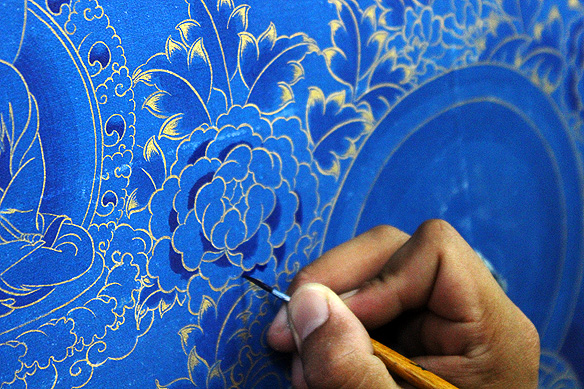
Process: The artists use natural paints made with organic and mineral pigments. The end result is a tapestry of bright and vivid detail. Animal glue is the binder used in these paintings.
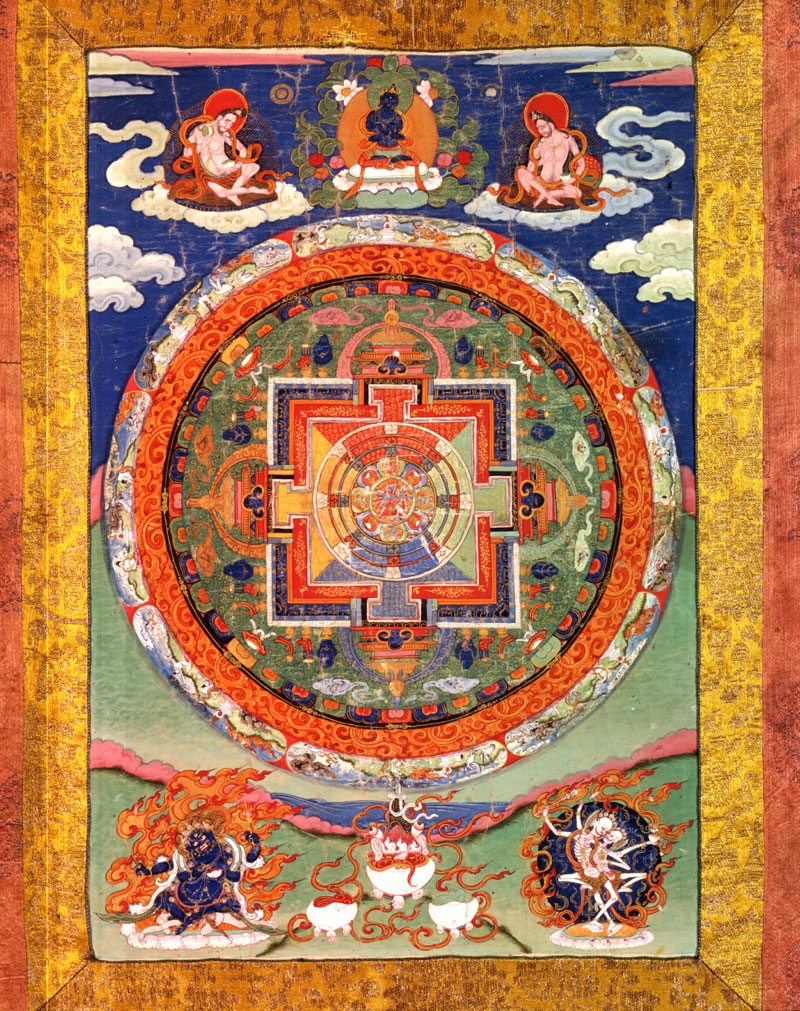
New Outlook
Artificial Thangka paintings, which are created in the same style but without proper proportions, are a very common sight in Tibet and Nepal. They are also used for decorative purposes. However, these paintings are not considered real Tibetan Thangka paintings. Most authentic Thangkas are created by monks, and the time and dedication they devote to the painting serve to add even more spiritual significance to it.
Laymen can also paint beautiful Thangkas, but they often do not understand the symbolism and religious sentiments associated with each of its elements. Each shape, measurement, colour, and angle of the objects in a Thangka holds profound cultural significance, and ignorance on the part of the artist can render the entire painting incorrect and an inaccurate depiction of religious iconography.

Learn Thangka
Books
- Thangka: The Sacred Painting of Tibet by J.R. Santiago
- Tibetan Thangka Painting: Methods and Materials by David P. Jackson and Janice Jackson