

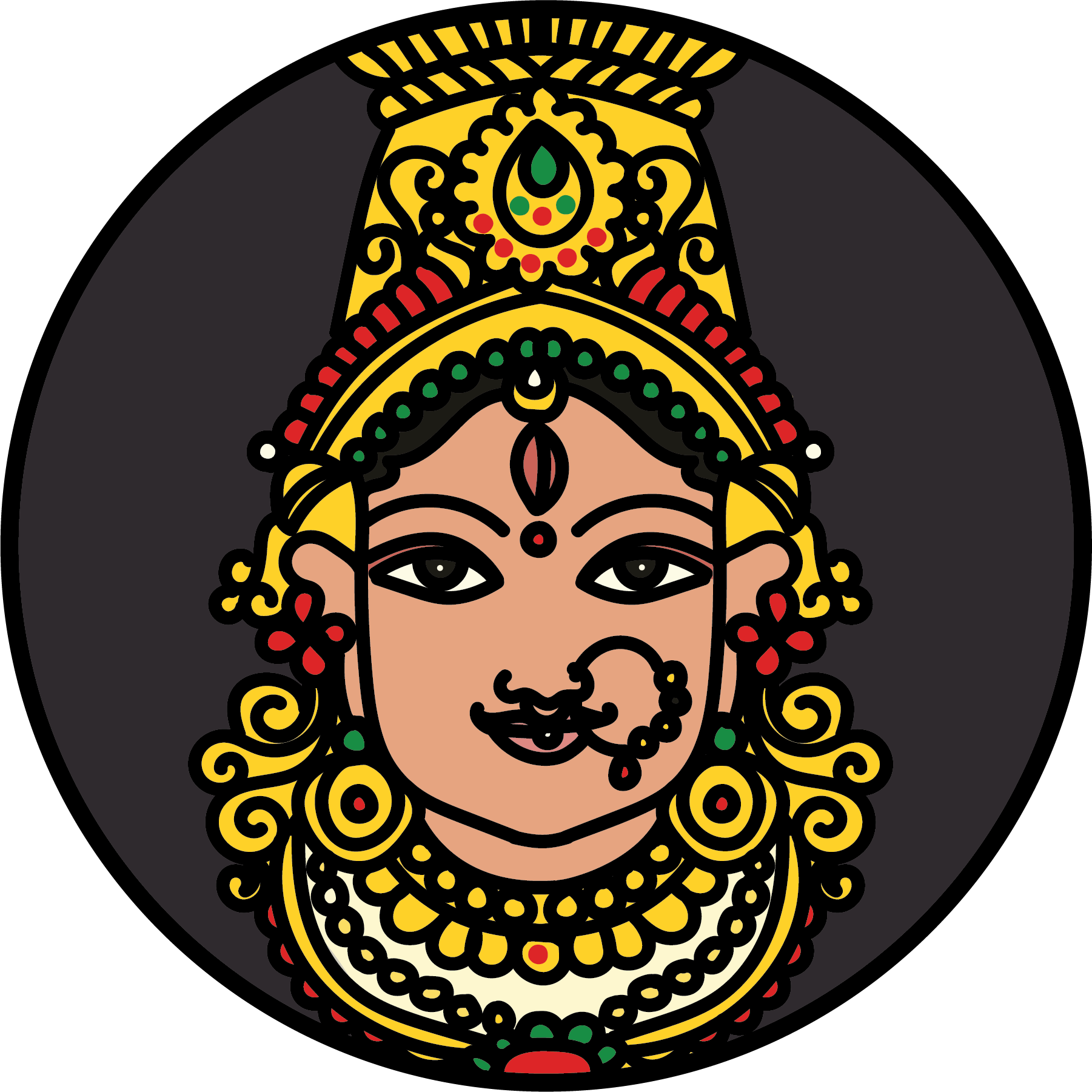
Mysore
Let's learn about Mysore paintings!
Introduction
Etymology: Since these paintings originated in the city of Mysore, the painting acquired its name from the place of origin.
Origin: Mysore paintings were developed in the Mysore city of Karnataka, India. This art form got patronage during the Wadiyar Dynasty reign.
Location: The artisans spread far and wide in the state of Mysore (now Karnataka) when they took refuge under the Wadiyar dynasty. Most of the artisans settled in Mysore making it the cluster for this art form to thrive.
Community: Mysore paintings found their home in temples, palaces, community buildings, and in the houses of the royalties and wealthy merchants.
Relevance: These paintings serve as rich literature of documentation and preservation of religious, cultural, and mythological events. Themes range from independent deities and scenes from epics to occasional portraitures of royalties and their families.

Shop Mysore Products
View all →
Silk Doller Silki Butta Saree with Coordinated Blouse Piece (Unstitched)
Radha Krishna Jugal Murti in Sandalwood with Intricate Tree Carving
Chora Dev: The Guardian Spirit
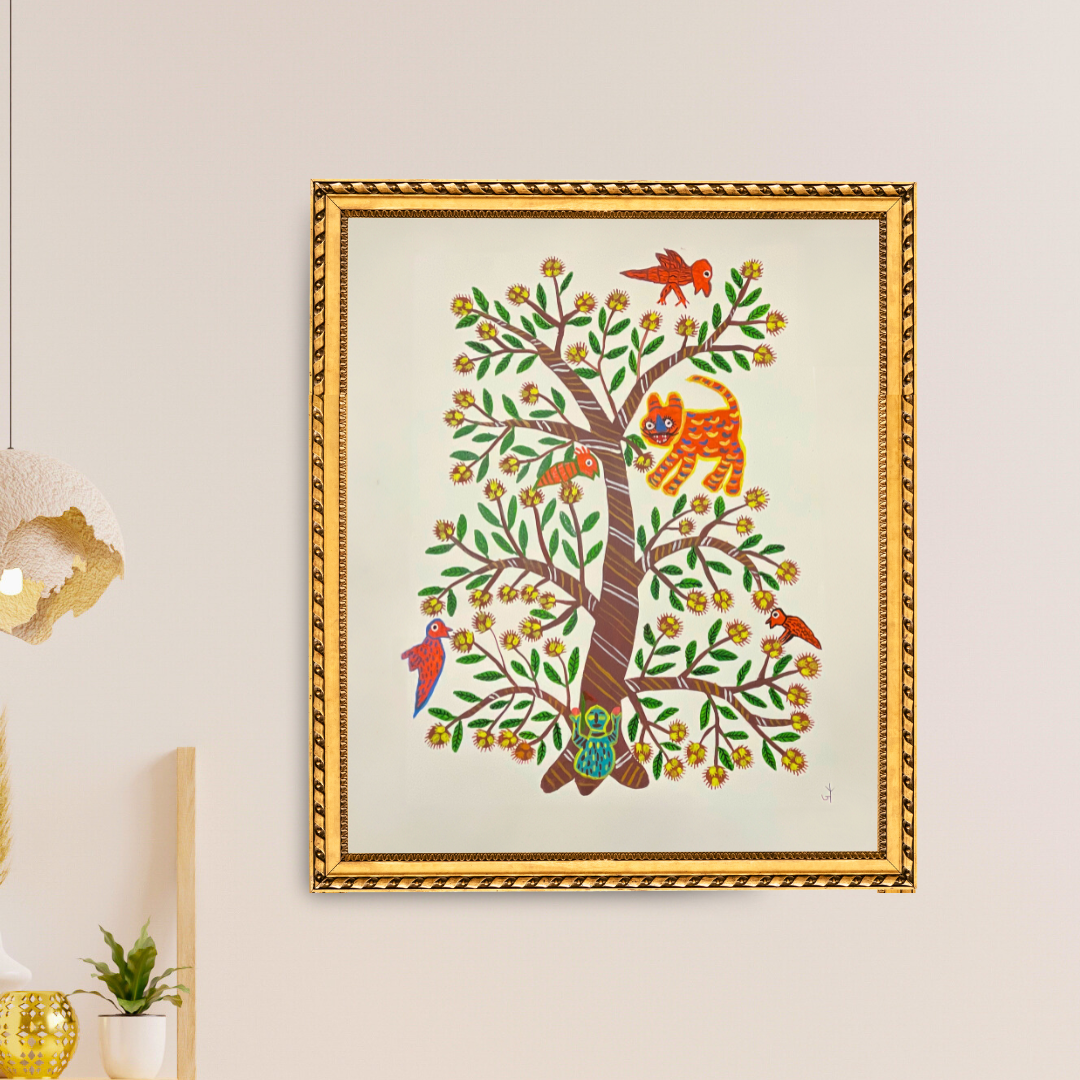
Mahua Tree and Mahua Goddess
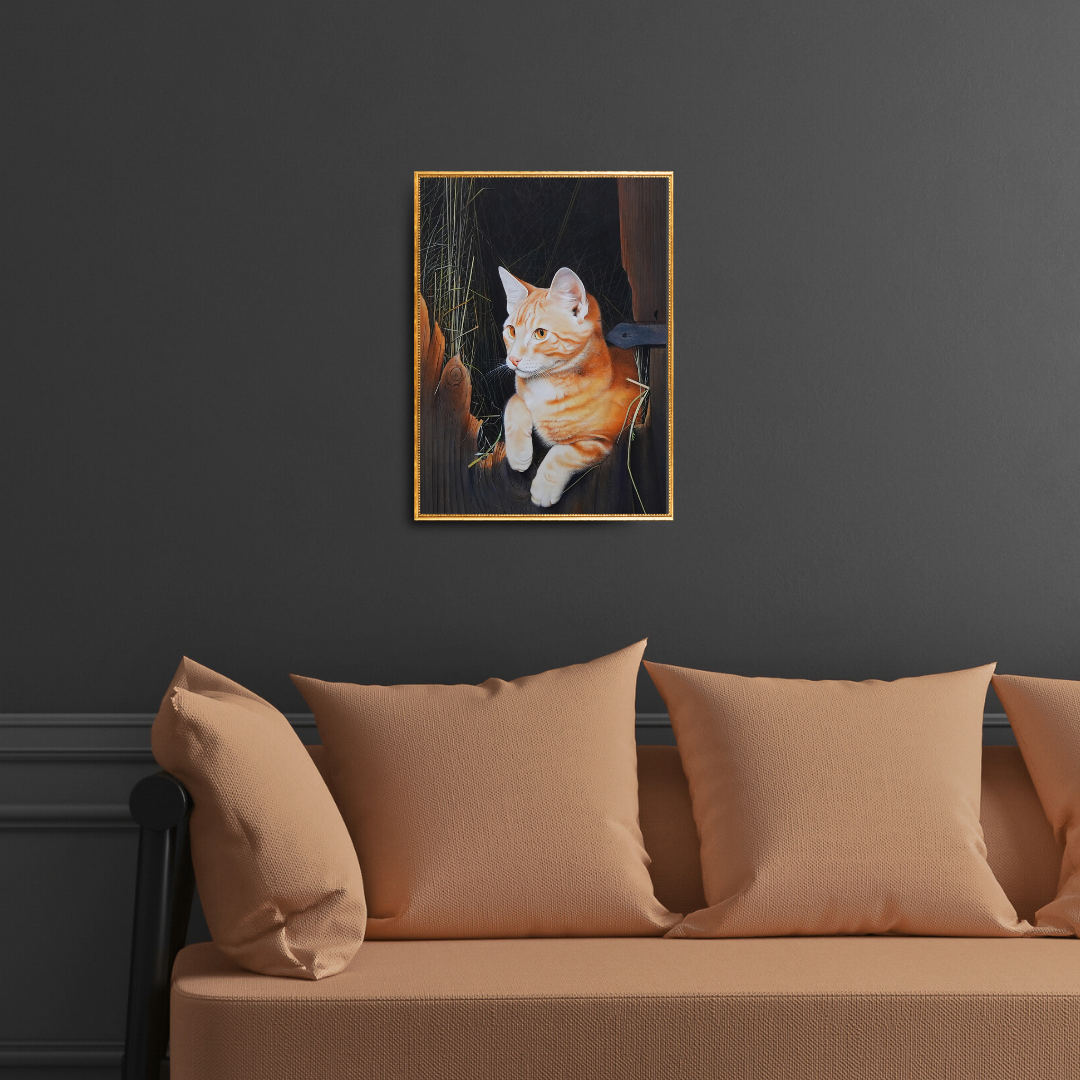
Dreaming in Silence
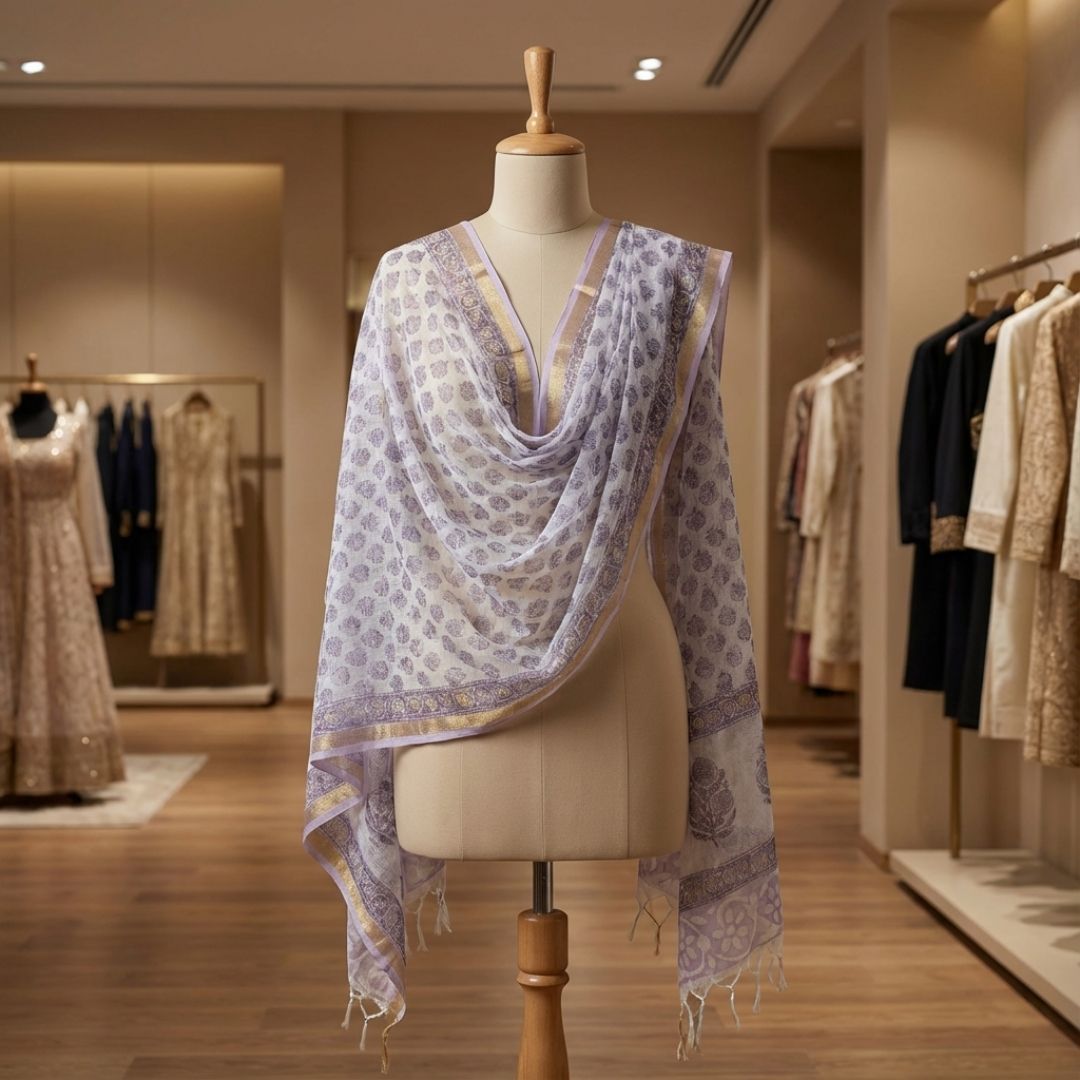
Hand Block Printed Kota Doriya Dupatta in Soft Grey Blue Motif
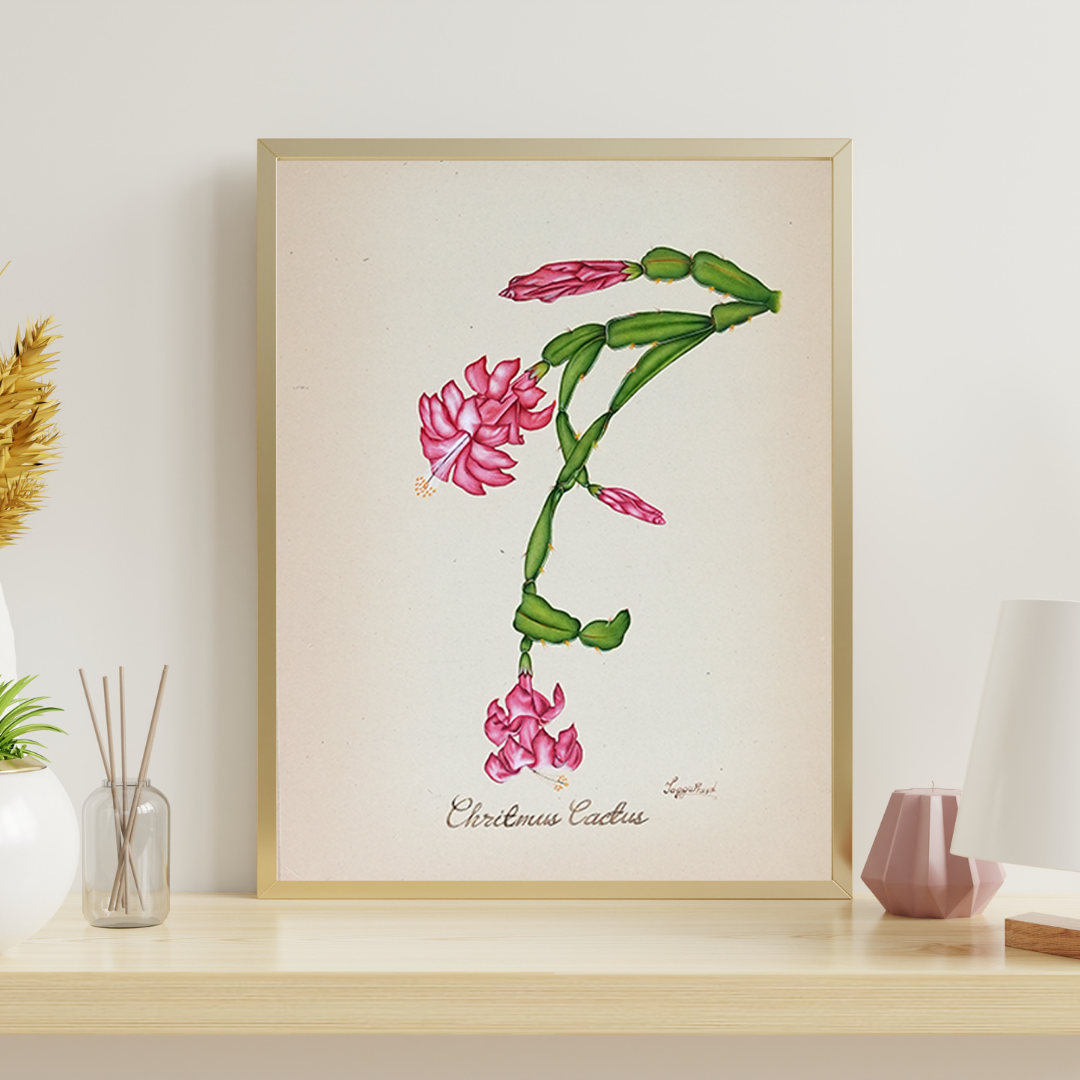
Rock Samphire Composition
Bhil Tribal Art DIY Canvas Tote Bag
The Friendship of Owl and Snake
In Fervour, I Strike: Falcon Folio 2
In the midst of Hunting Birds
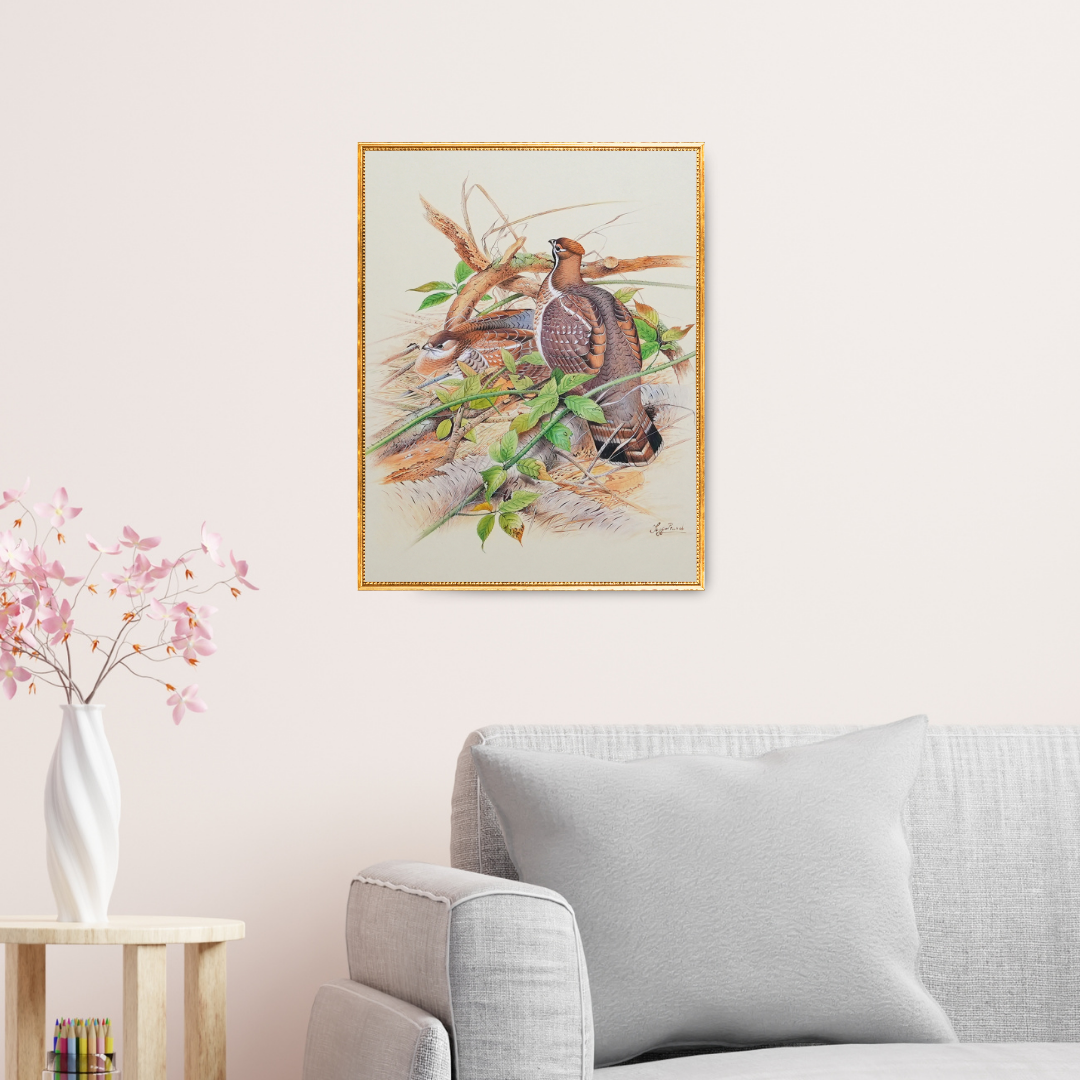
A Bond Beyond Seasons
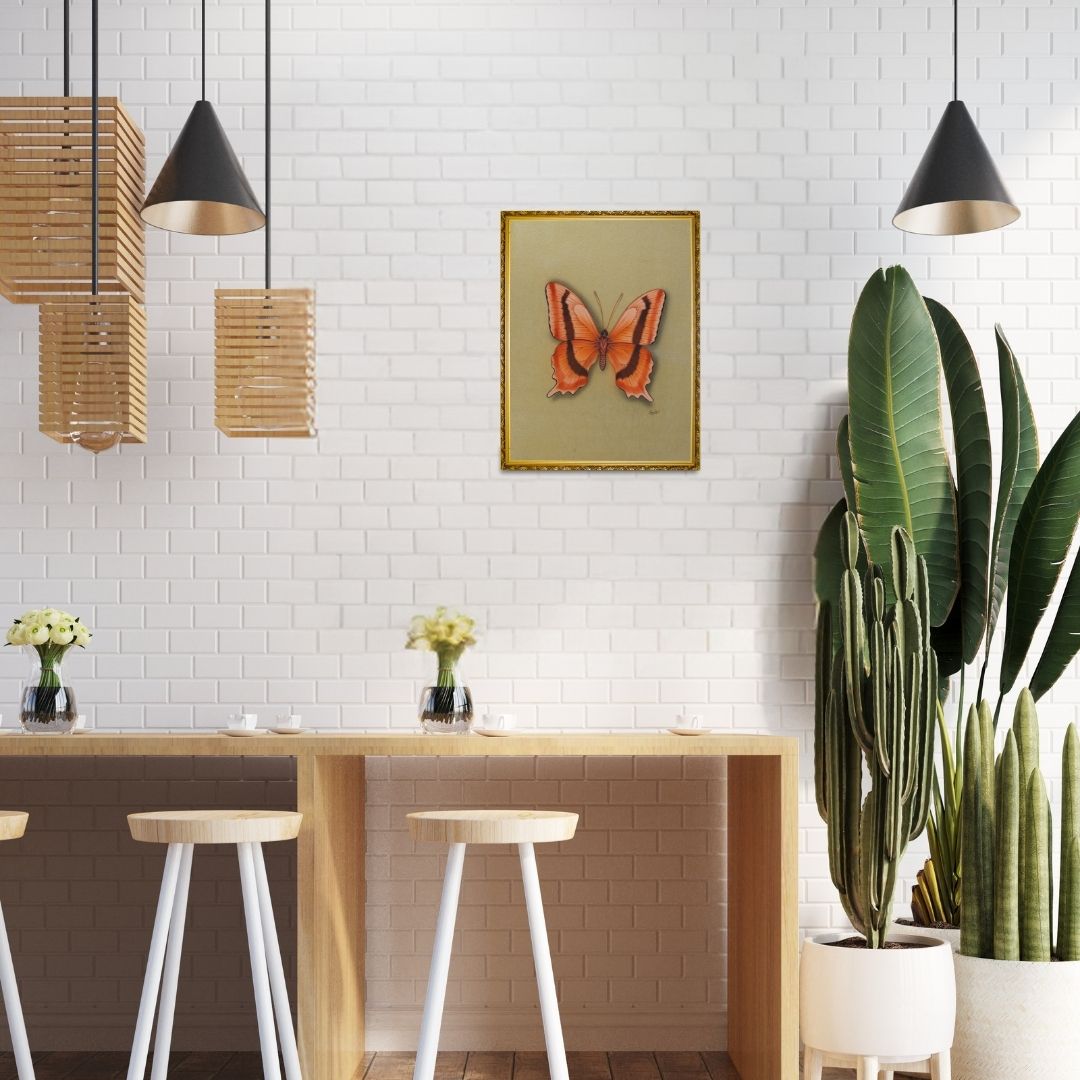
Amber Mirage
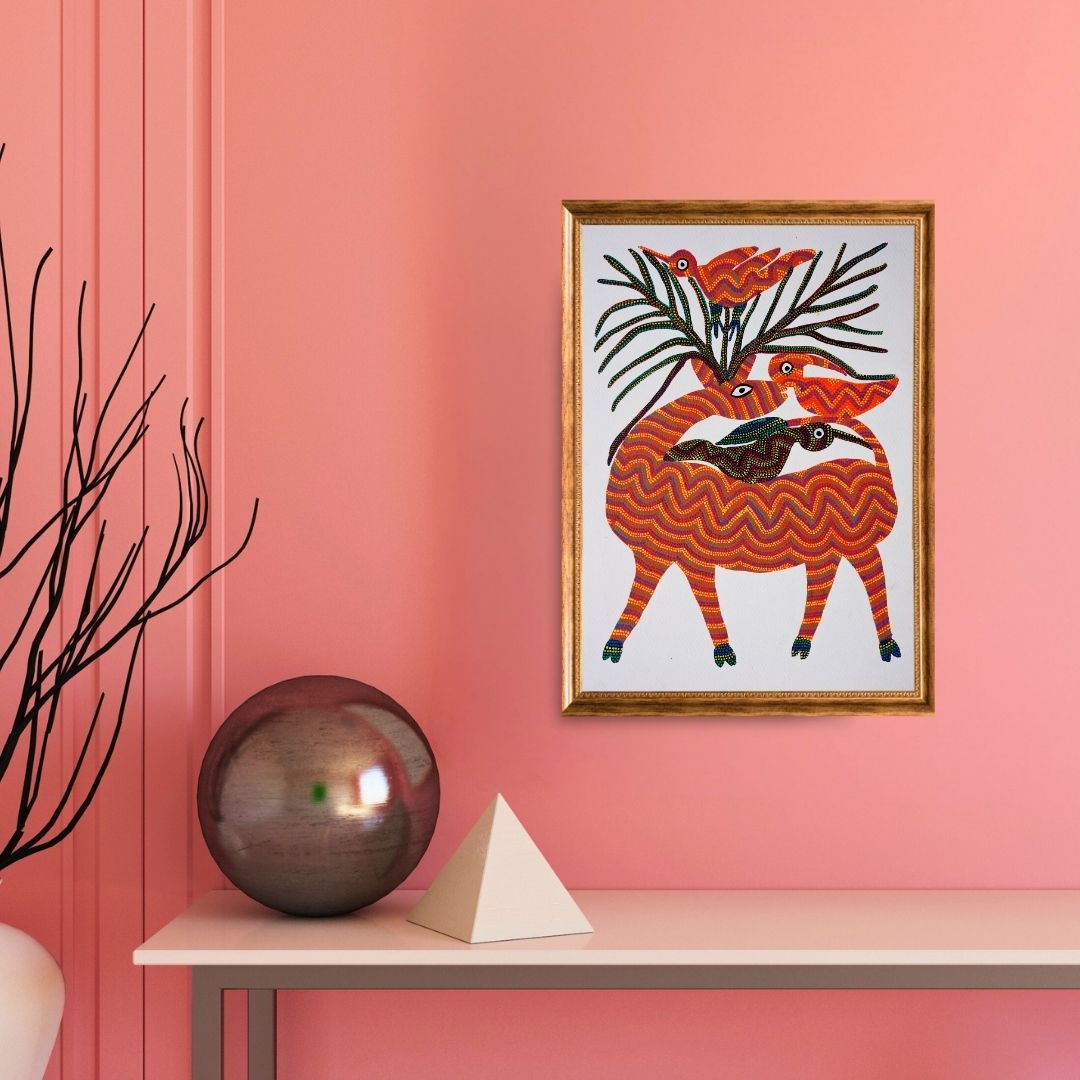
The Gentle Guardian
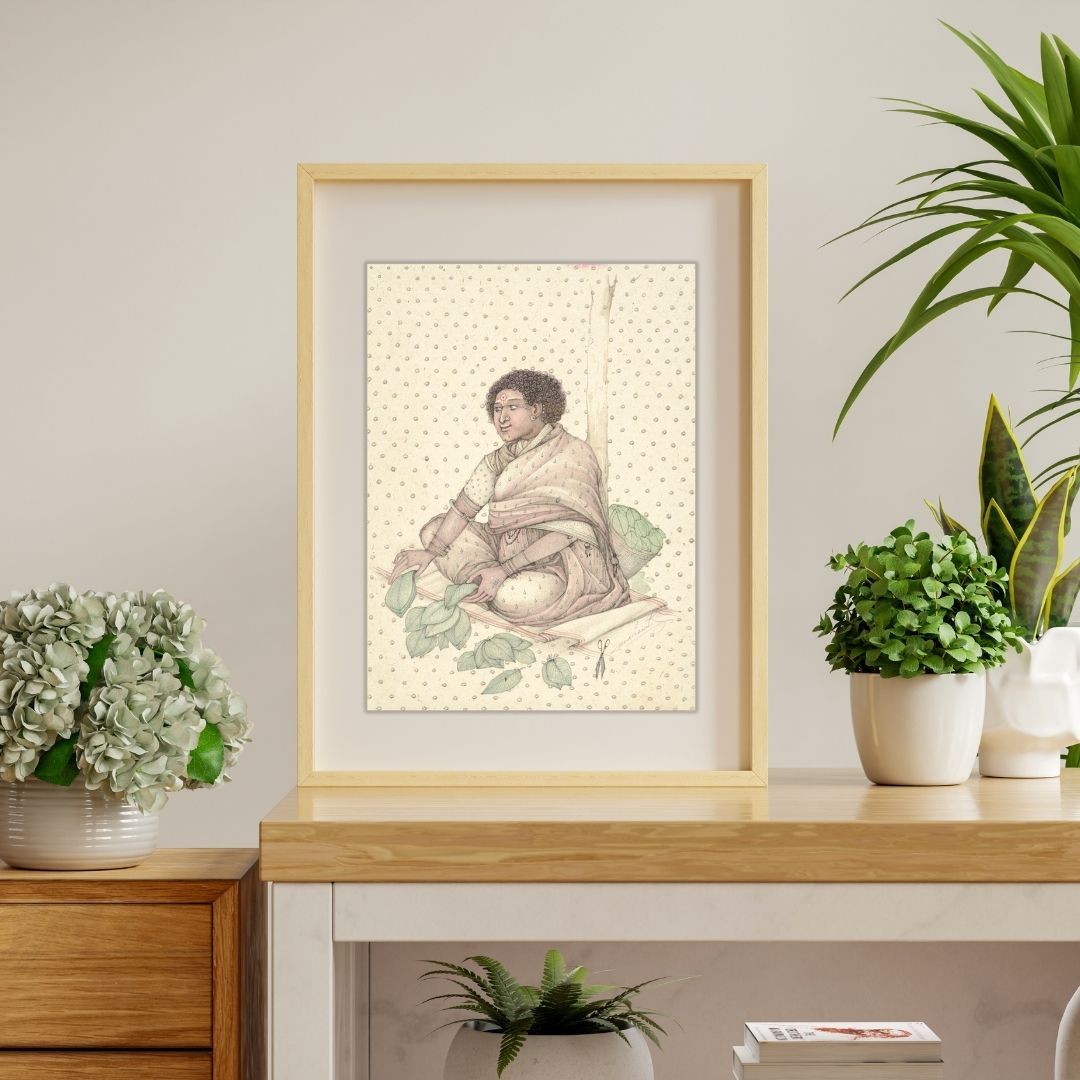
Betel Seller
Azure Whispers
Profile of the Quiet Monkey
The Little Voyager
Artventures of Warli - Essentials
The Sky Adorned
History
Historical background: Painting traditions in Karnataka trace back to the Ajanta times, i.e., 2nd century BCE to 7th century CE. Mysore painting emerged from this legacy and during the reign of the Vijayanagar Kings. The fall of the Vijaynagar empire in 1556 CE. resulted in distress to the families of painters who had been dependent on the patronage of the empire. However, Raja Wadiyar (1578-1617 CE) provided a vital service to the cause of painting by rehabilitating several families of painters of the Vijayanagara school at Srirangapatna. Mysore and Tanjore subsequently became great cultural centres where the traditional painting of the Vijayanagar school was given a new lease of life.
Culture and societies: The Mysore school of painting flourished during the Wadiyar reign but declined again under Tipu Sultan. It was only after his in 1799 CE, that the state was restored to its original royal family. It was Mummadi Krishnaraja Wadiyar (1799-1868 CE) who ushered in a new era by reviving the ancient traditions of Mysore and extending patronage to music, sculpture, painting, dancing and literature. Most of the traditional paintings of the Mysore School, which have survived until today, belong to this reign.
Religious significance: Mythologies and anecdotes from the Ramayana, the Mahabharata and the Bhagavata Purana of Hindu and Jain epics form the primary basis of a large number of Mysore traditional paintings, murals and illustrated manuscripts. Some of the most popular themes are Rajarajeswari, Shri Rama Pattabhisheka, Kodanada Rama, Dashavatara, Tandaveshvara, Ambegalu Krishna, Lakshmi, Saraswati, Chamundeswari, Visvarupadarsha, and Samudramanthana.

Shop Paintings
View all →Silk Doller Silki Butta Saree with Coordinated Blouse Piece (Unstitched)
Radha Krishna Jugal Murti in Sandalwood with Intricate Tree Carving
Chora Dev: The Guardian Spirit
Mahua Tree and Mahua Goddess
Dreaming in Silence
Hand Block Printed Kota Doriya Dupatta in Soft Grey Blue Motif
Rock Samphire Composition
Bhil Tribal Art DIY Canvas Tote Bag
The Friendship of Owl and Snake
In Fervour, I Strike: Falcon Folio 2
In the midst of Hunting Birds
A Bond Beyond Seasons
Amber Mirage
The Gentle Guardian
Betel Seller
Azure Whispers
Profile of the Quiet Monkey
The Little Voyager
Artventures of Warli - Essentials
The Sky Adorned
Understanding the art
Central motifs and their significance: This art form is based on mythological and religious scriptures, and the themes and motifs follow suit as well. Deities of gods and goddesses such as (Goddess) Rajarajeshwari,* Sri Rama Pattabhisheka, Kondandarama, Dashavathara, Chamundeshwari, Lakshmi, and Saraswati*. Scenes from Hindu epics of the coronation of Sri Rama, the wedding of Shiva and Parvati, and Sri Rama with arrows and bows to name a few.
Medium used: The artisans make their brushes and pigments. The brushes are made from either squirrel, camel or goat hair and the colours are extracted from vegetables and minerals. The artisans use natural palettes made from coconut shells, and sometimes they use small earthen dishes to mix the colours.
Style: Mysore paintings are known for their thin, intricate and defining line work and their application of soft hues of colours. Their decorative gold leaf work is what puts them in the spotlight as they use 24-carat gold for it. The background colour is usually kept untextured and block-coloured, and the foreground can be seen adorned with elements such as arches, pillars, thrones, curtains, and embellished ground. Borders are a very important part of their paintings. They are either black or yellow, which frames the painting together.
Process: There are three different styles of Mysore paintings, paintings with gold leaf work without embossing, paintings with embossing, and makki safeda which is the technique where firstly the base colour is painted after which shades of white colour (zinc oxide) is applied. The process of creating these paintings is a series of layering, coating, embellishing, and drying majorly. To start with, firstly ten to twelve newspapers are layered and glued together, after which a sheet of drawing paper is stuck. A coat of refined flour or maida is applied on these layers, over which a preliminary sketch is added. Upon the sketch, a gesso paste made up of mixing zinc oxide and Arabic gum is spread to then stick golden foil. Once the gold foil is stuck, the painting is left to dry for 6-8 hours after which the figure and background are painted. The second layer of pigments is painted to highlight features, fabric pleats, and ornaments, and to especially highlight the foil-work areas for which yellow is used. The artists wait for the painting to dry completely. After it is dry, a thin sheet of paper is placed on top of the artwork, and it is rubbed lightly with a stone to smoothen it.

New Outlook
Earlier the base of these paintings were materials such as paper, wood, wall, and fabrics whereas now the paper is glued upon a wood board. Apart from the surfaces changing, pigments have seen a change too, colours were made by grinding minerals on a mortar and later mixed with water to adjust the consistency of the ground paste, in today's age store-bought paints are used. The sketches for Mysore paintings were made by using charcoal which was extracted by burning tamarind twigs in an iron tube.

Learn Mysore
Books
- Ramachandra Rao, S.K. and (2016) Mysore Chitramala Traditional Paintings. Bangalore: Karnataka Chitrakala Parishath.
