
Madhubani
What are the origins of India's most famous folk art? Let's find out
Introduction
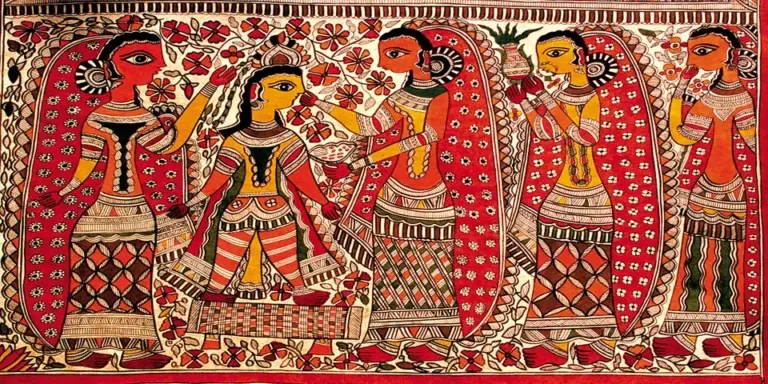
Etymology: The art of Madhubani paintings is a traditional fashion of paintings developed in the Mithila region, in the villages of Jitwarpur and Ranti, near the city of Madhubani. Literally, the word Madhubani means 'honey forest'.
Origin: The origins of Madhubani paintings are quite unknown. However, it is believed to have started around the 7th or 8th century.
Location: Madhubani is a district of North Bihar, a place where art and crafts have reached their stage of excellence. This part of the country is renowned for wall paintings, floor paintings, canvas paintings, and decorative crafts.
Community: Mithila, a region in the state of Bihar, northern India (and also stretching into Nepal), has an important tradition of knowledge in the form of paintings. Madhubani paintings, also known as Mithila paintings, have been practised by the women of the region through the centuries, and today it is considered a living tradition of Mithila.
Relevance: Madhubani painting is an emblematic expression of day-to-day experiences and beliefs. As such, symbolism, simplicity, and beauty hold them together in a single school of traditional art.
Shop Madhubani Products
View all →
Single Double-Sided Block Printed Cotton Comforter in Blue Floral Pattern
Hand Block Printed Kota Doriya Dupatta in Earthy Floral Pattern
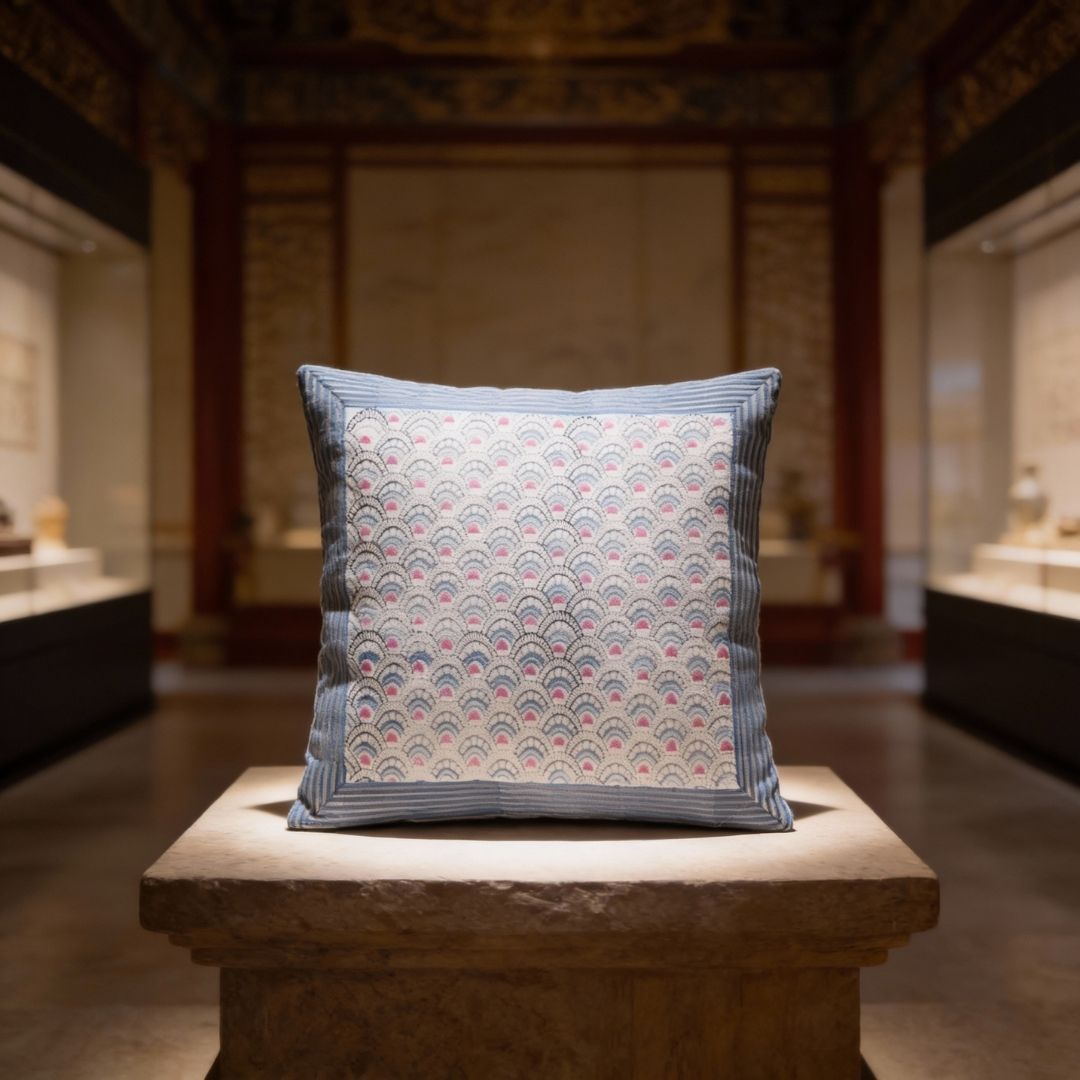
South Cotton Block Printed Cushion Covers with Blue Border Panel (Set of 2)
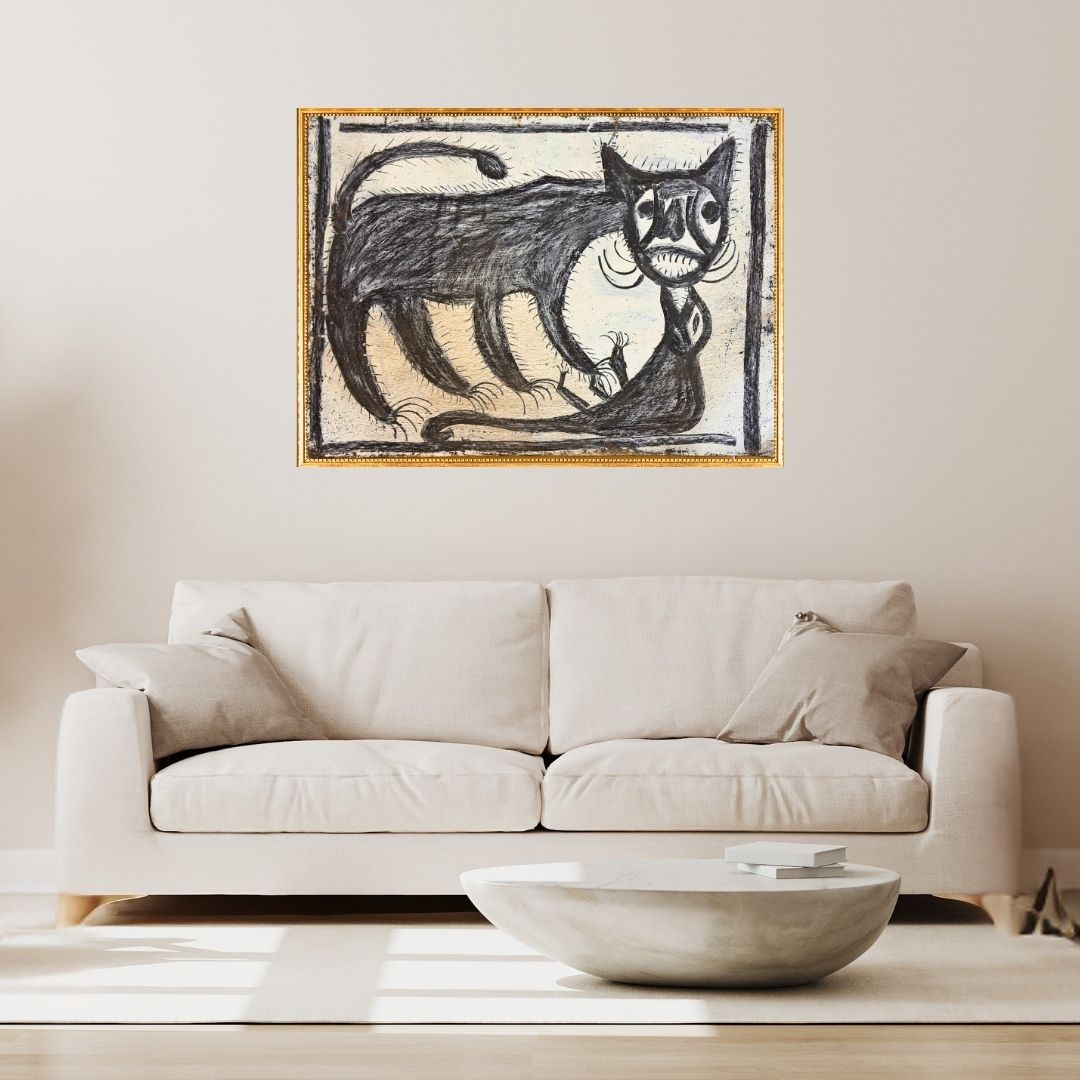
Wild Companion
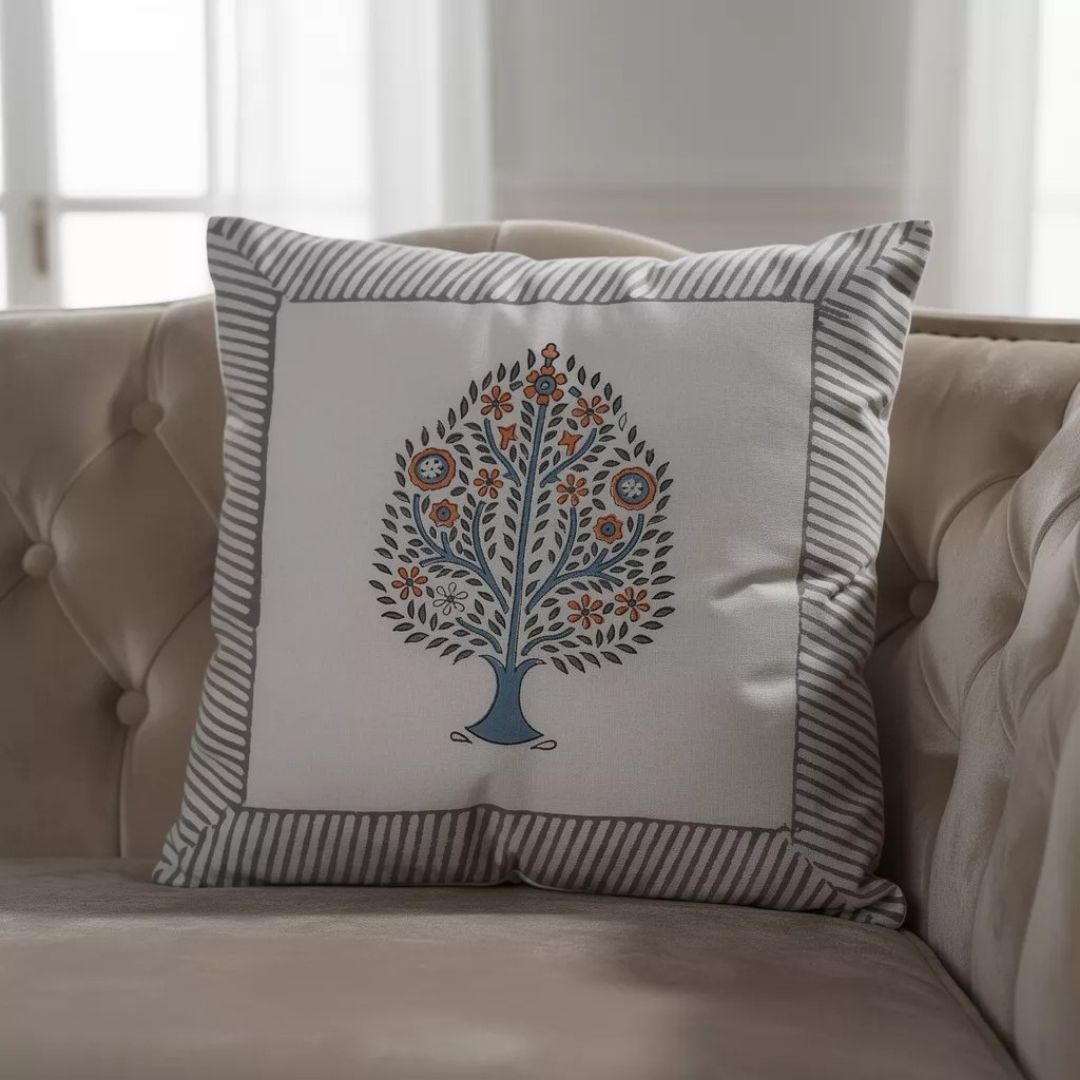
South Cotton Block Printed Cushion Covers with Central Floral Motif (Set of 2)
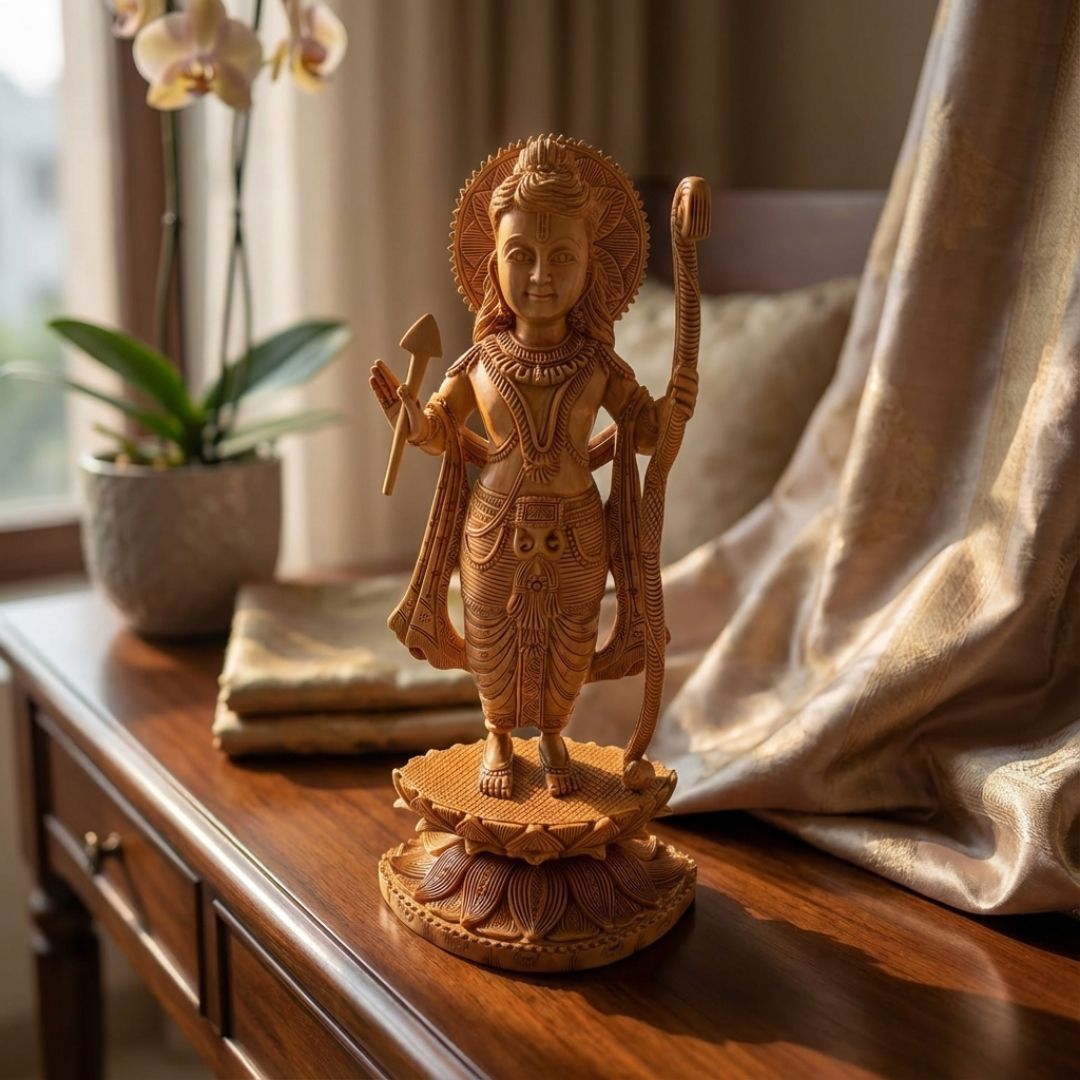
Lord Rama Standing Idol with Bow and Arrow on Lotus Base
Nature's Orchard
Garden Whispers

Echoes of the Falls
Conversations in Colour
Left Facing Elephant
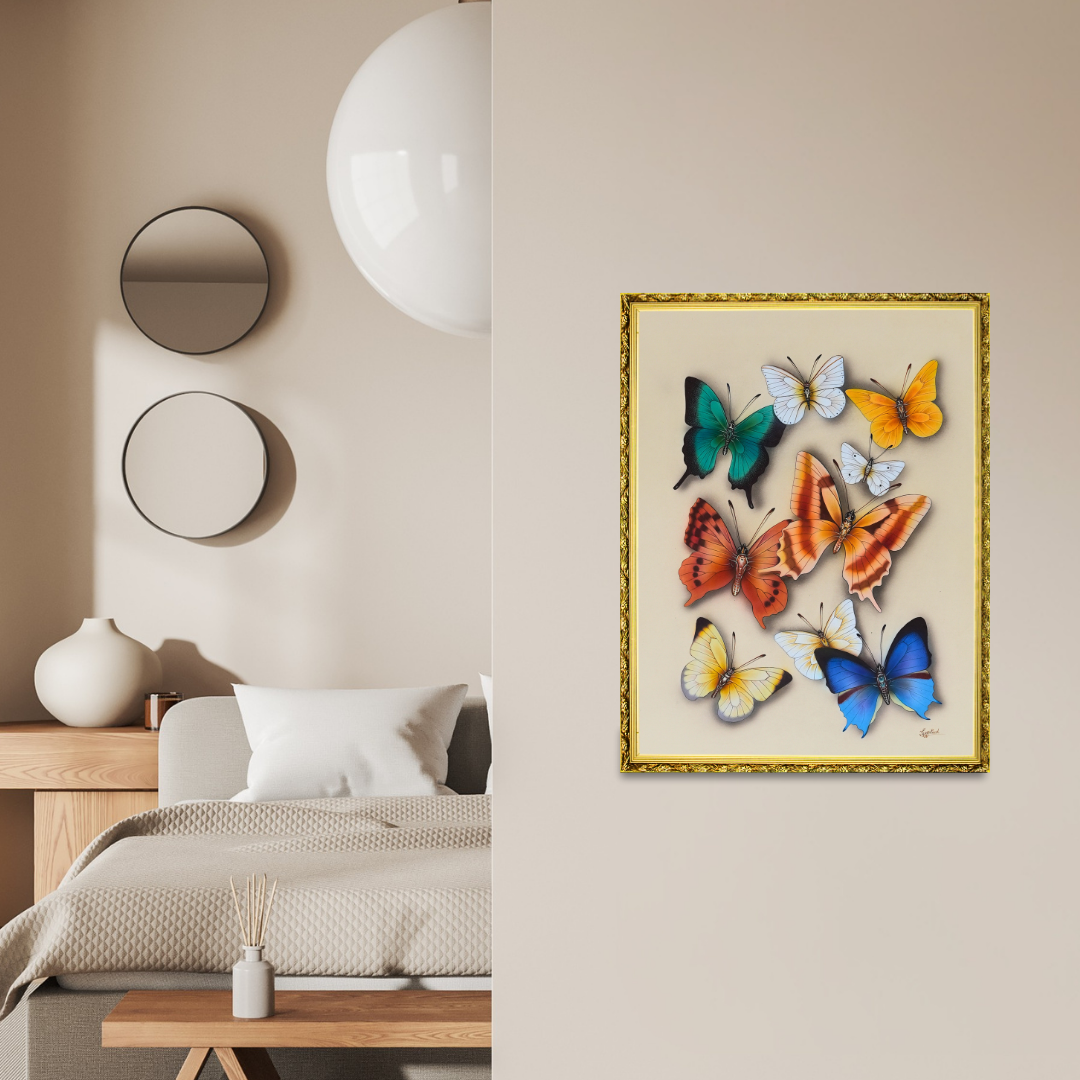
Symphony of Wings
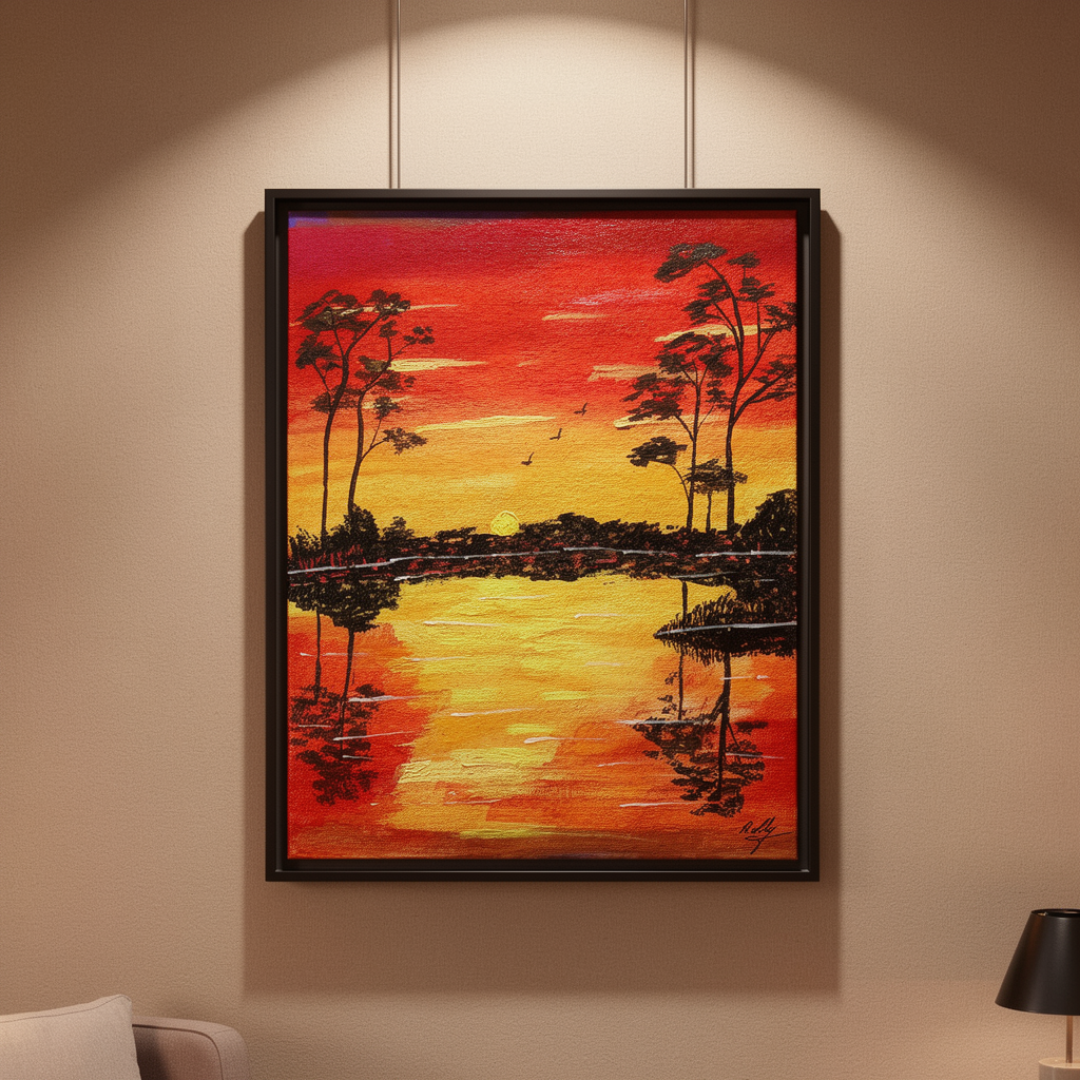
Handmade Sunset Landscape Canvas Painting
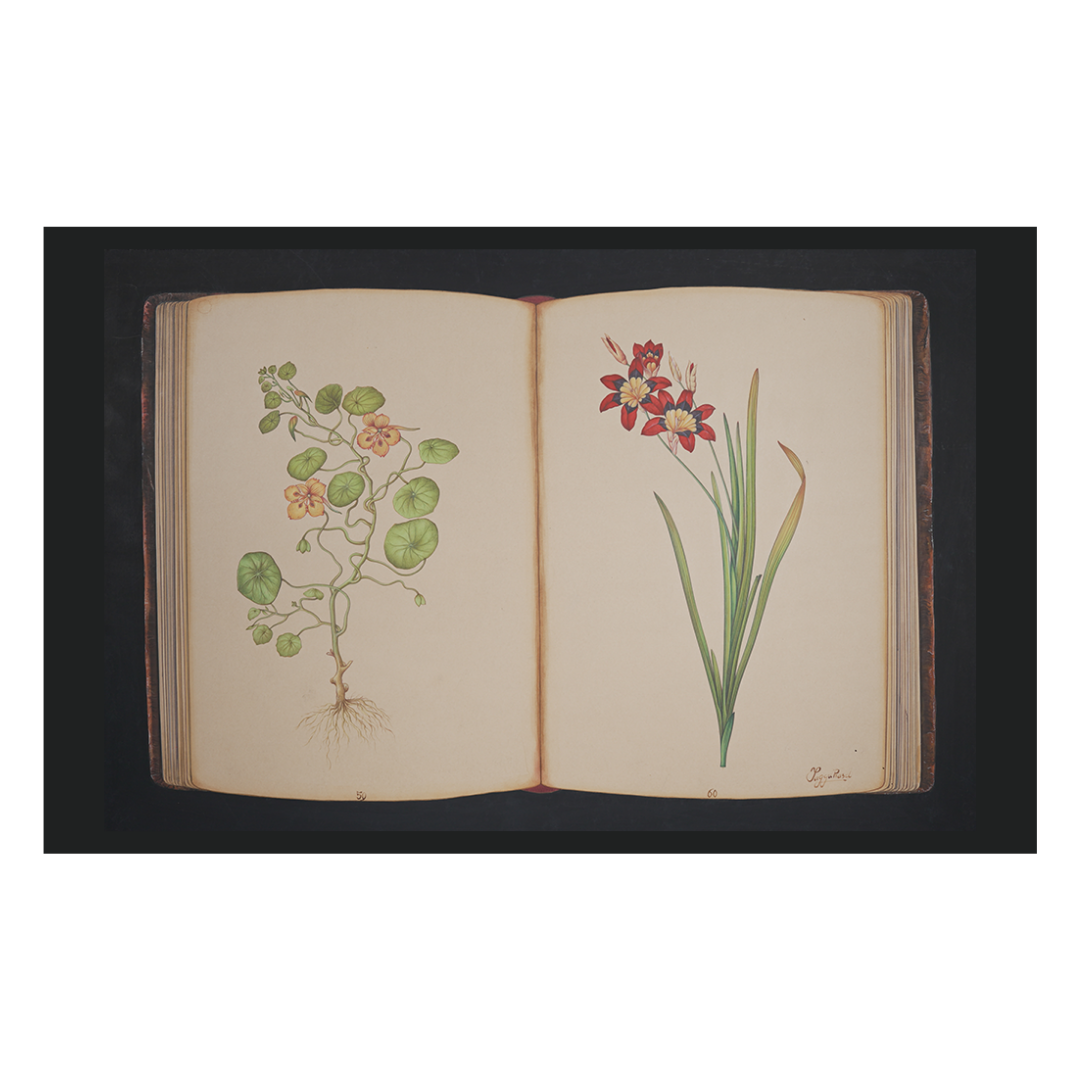
Floral Dialogue
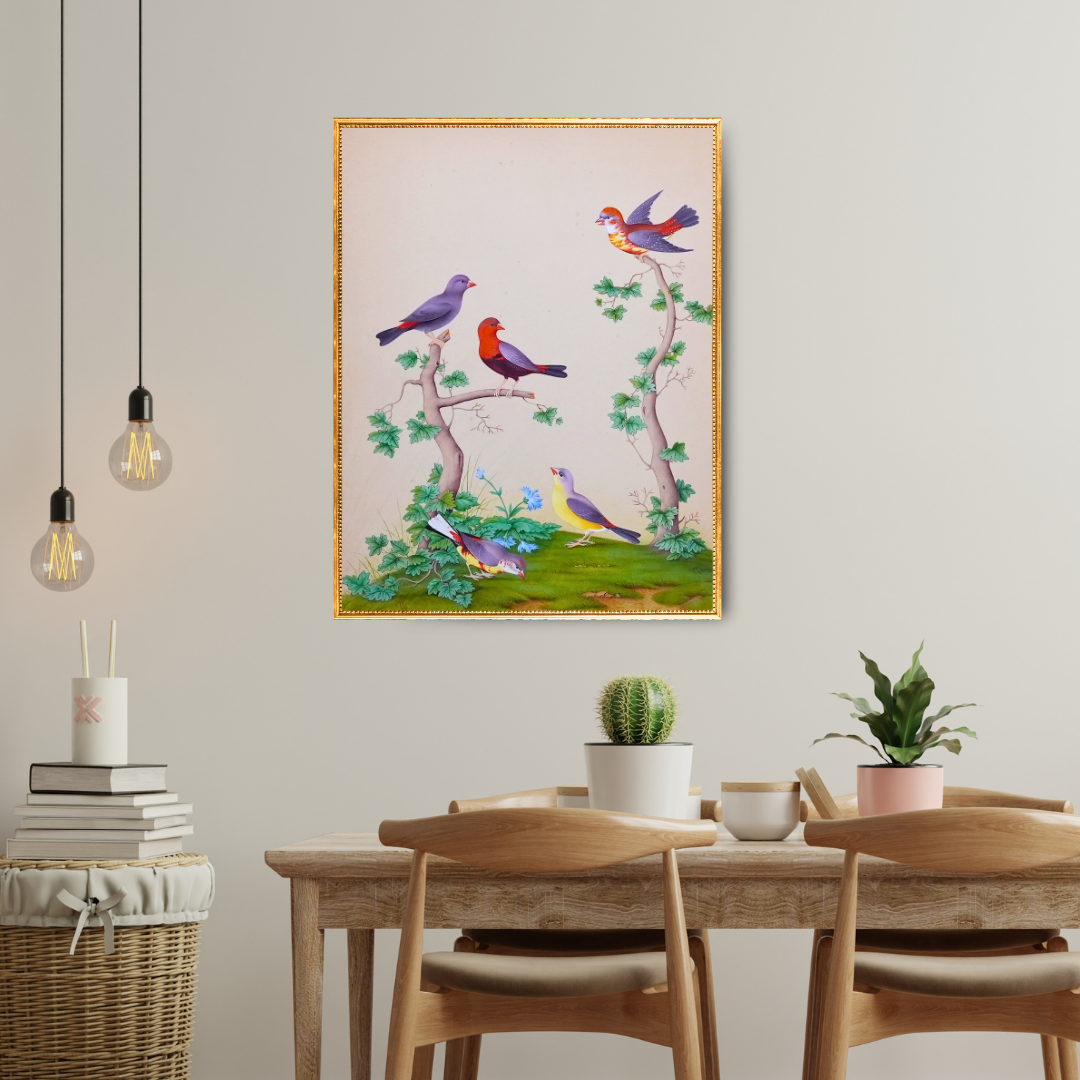
Winged Together
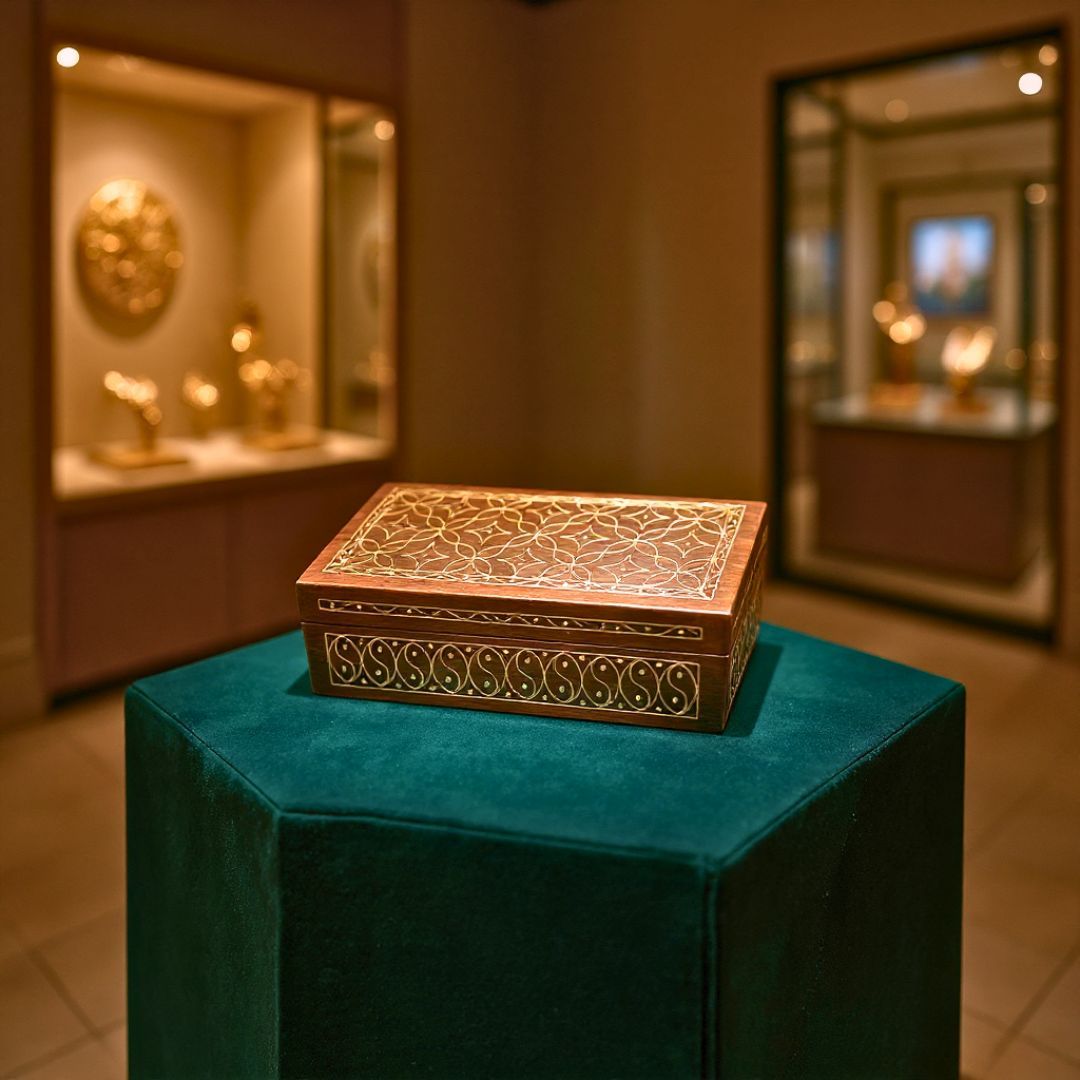
Petal Crown Wooden Tarkashi Inlay Box
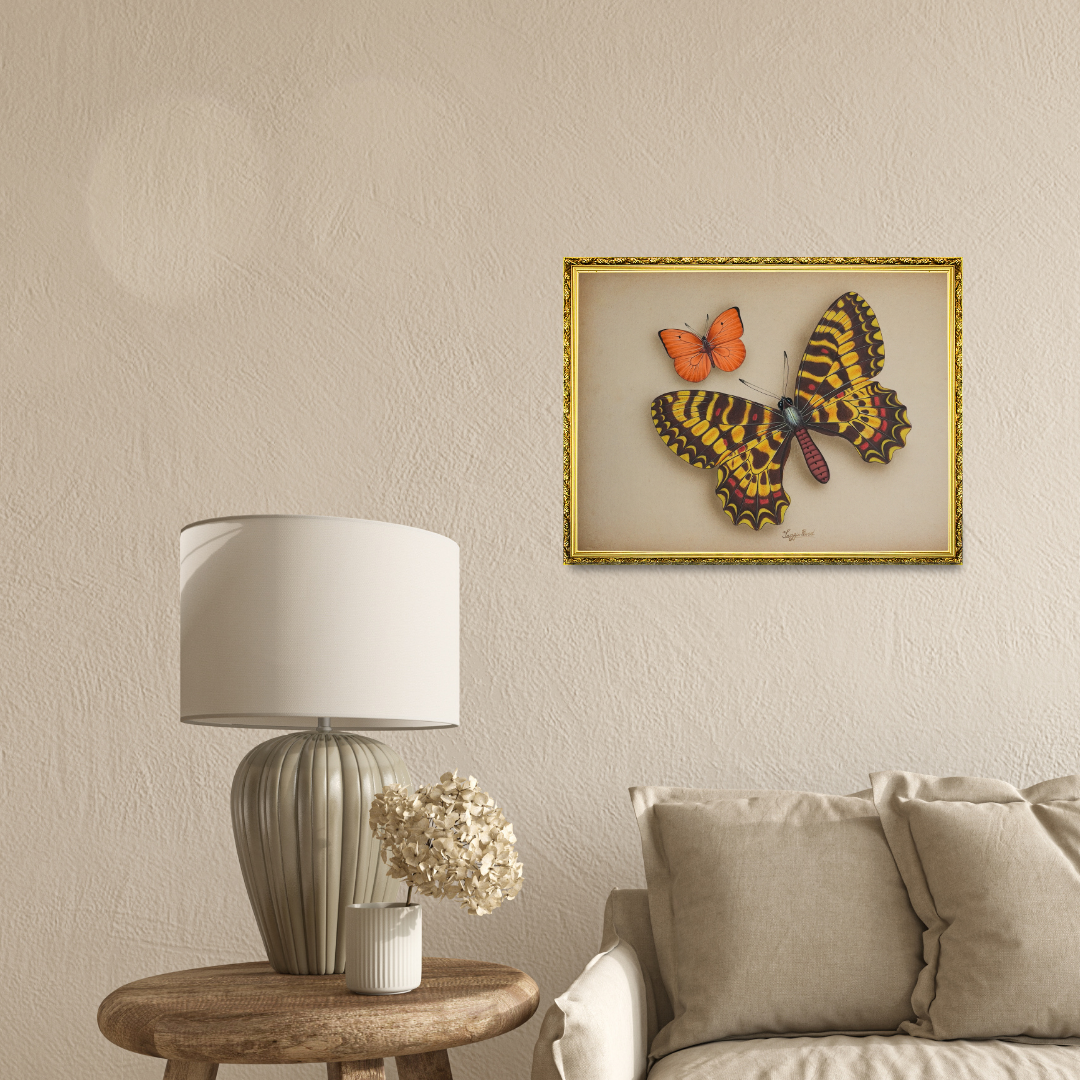
Golden Flight
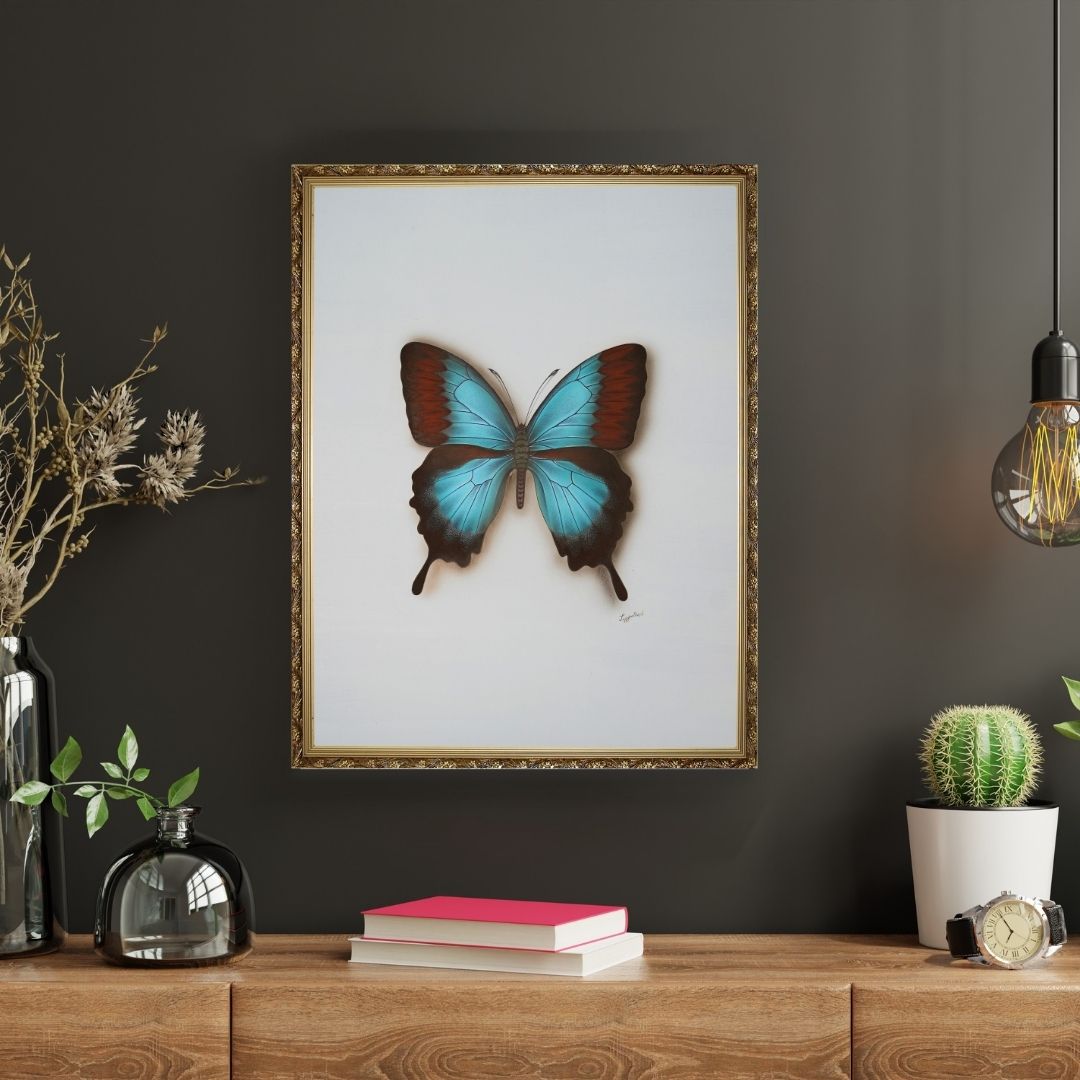
Serene Flight
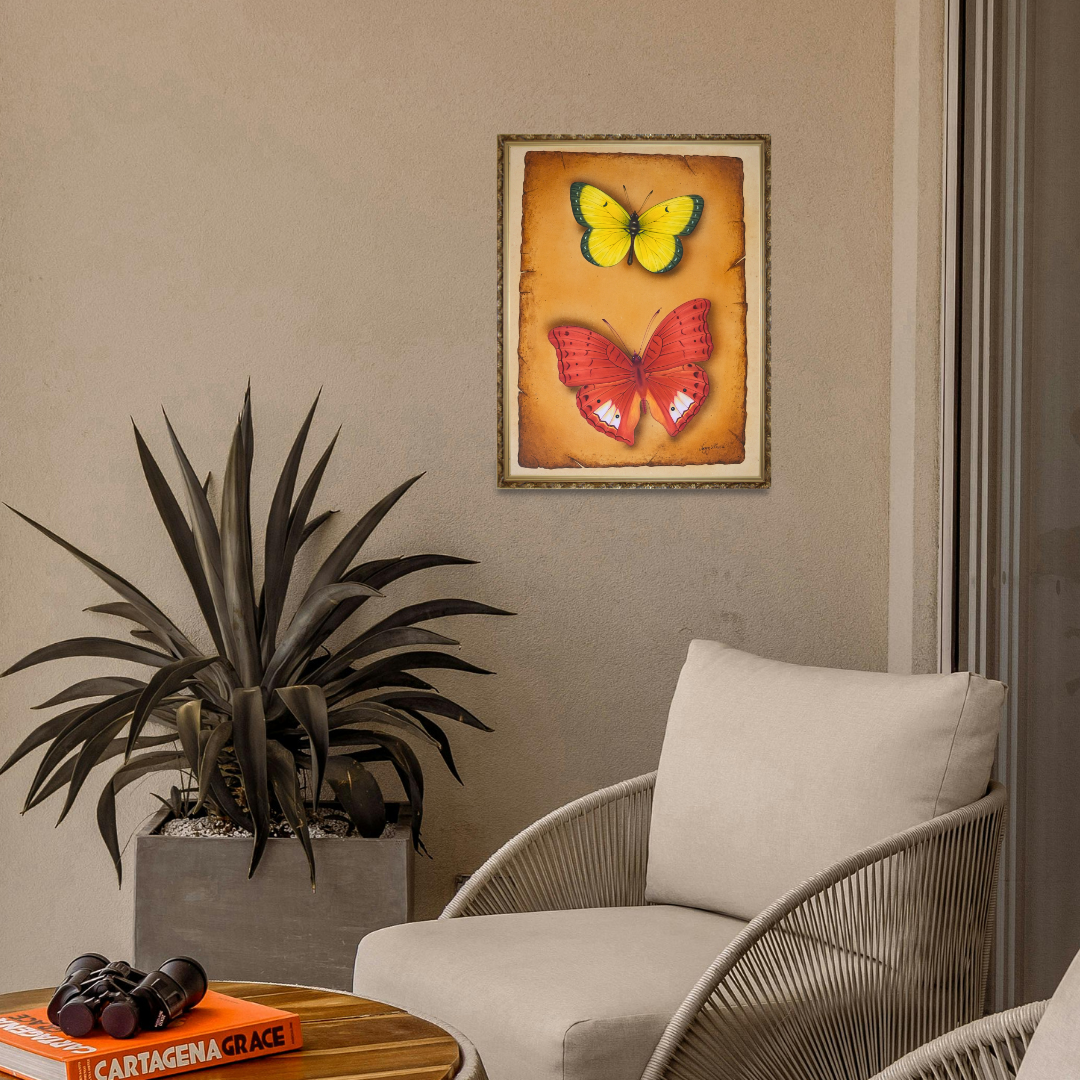
Radiant Flight
Pure Sandalwood Vishnu Darbar Ensemble with Detailed Temple Carving
History
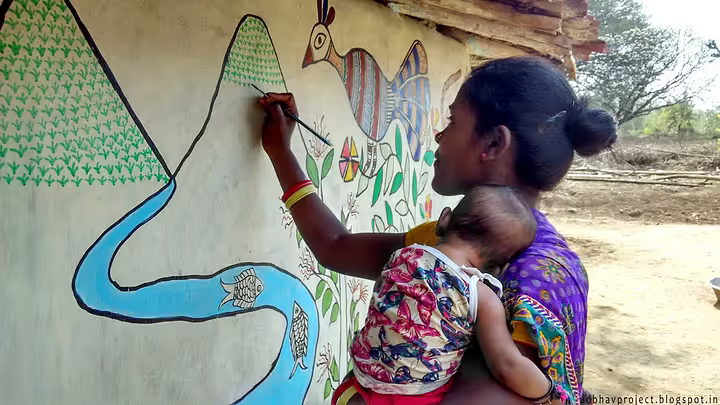
Historical Background: In Mithila, painting is normally done by women folk in three forms - a painting on the floor, a painting on the wall and a painting on movable objects. Aripan, under the first category, is made on the floor with the paste of arva (crude) rice. This rice paste is called pithar in the local language. Apart from the floor, it is also made on banana and maina leaves and pidhi (wooden seats).
Culture and Societies: The art depicts not only the social structure but also the cultural identity of the land with its depictions of themes of religion, love and fertility.
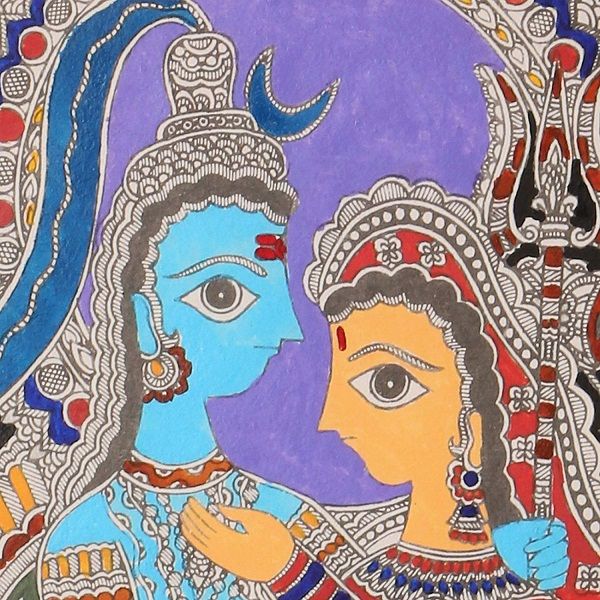
Religious Significance: Essentially, the paintings are of religious motives. The central theme of all paintings is love and fertility. They are made in special rooms in the house, such as in the room for prayer, the ritual area, the bridal room, or the main walls of the village to welcome visitors, etc. The drawings of nature and mythology are adapted and versioned according to the style of each region, as well as the individual artist. The most-painted themes and designs are the worshipping of Hindu deities and episodes from popular mythologies.
Legend or Myths: According to Hindu mythology, King Janaka of Mithila Kingdom commissioned artists to decorate the city walls with Madhubani art for the sacred occasion of his daughter, Sita and Lord Rama's wedding.

Shop Paintings
View all →Single Double-Sided Block Printed Cotton Comforter in Blue Floral Pattern
Hand Block Printed Kota Doriya Dupatta in Earthy Floral Pattern
South Cotton Block Printed Cushion Covers with Blue Border Panel (Set of 2)
Wild Companion
South Cotton Block Printed Cushion Covers with Central Floral Motif (Set of 2)
Lord Rama Standing Idol with Bow and Arrow on Lotus Base
Nature's Orchard
Garden Whispers
Echoes of the Falls
Conversations in Colour
Left Facing Elephant
Symphony of Wings
Handmade Sunset Landscape Canvas Painting
Floral Dialogue
Winged Together
Petal Crown Wooden Tarkashi Inlay Box
Golden Flight
Serene Flight
Radiant Flight
Pure Sandalwood Vishnu Darbar Ensemble with Detailed Temple Carving
Understanding the art
Central Motifs and their Significance: Representations of religion, love, and fertility are the main themes in their paintings. Besides, natural scenes of villages, everyday life, flora, and fauna, which are integral parts of an artisan's life, are painted. The most popular motifs are fish, peacocks & serpents, which symbolise fertility, procreation and good luck, romantic love and religion, and the divine protectors, respectively.
Medium Used: Madhubani artists still use traditional natural colours. The colour black is obtained from lamp black, white from rice powder, green was made from the leaves of the apple tree and tilcoat leaves, blue from the seeds of sikkot and indigo, yellow was drawn from the parts of singaar flower or jasmine flower, the saffron colour would come from the bark of peepal that was boiled, red was made from kusum flower and red sandalwood. These natural pigments are mixed with natural gums, which act as a colour binder to give long life to these colours.
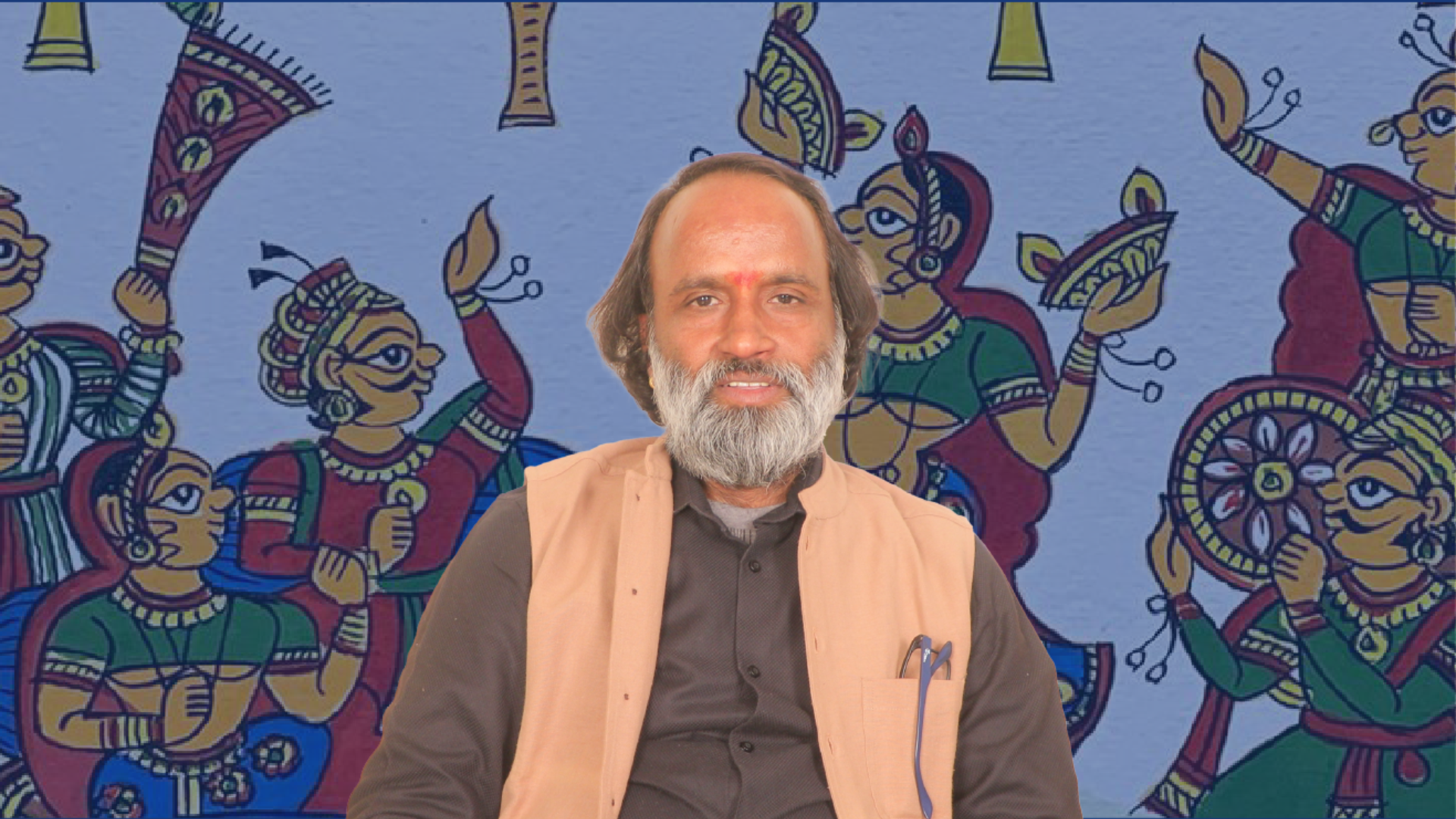
Style: Tantrik, Kohbar, Bharni, Godna, and Kachni are five different styles of Madhubani painting that were practised by different sects of people living in that region. A double-line border with simple geometric patterns or intricate flower designs is almost seen in all the Madhubani paintings. The main features in portraying the human figures are defined by big bulging eyes, and a jolting nose pointed from the brow.
Process: Traditionally, Maithili paintings were done on whitewashed or cow-dung plastered walls. A bamboo twig is used to make the outline. The borders are sketched first, followed by the theme of the painting. Other patterns and designs are further added. The colour is applied with a small piece of fabric (pihua) tied to a twig.
New Outlook
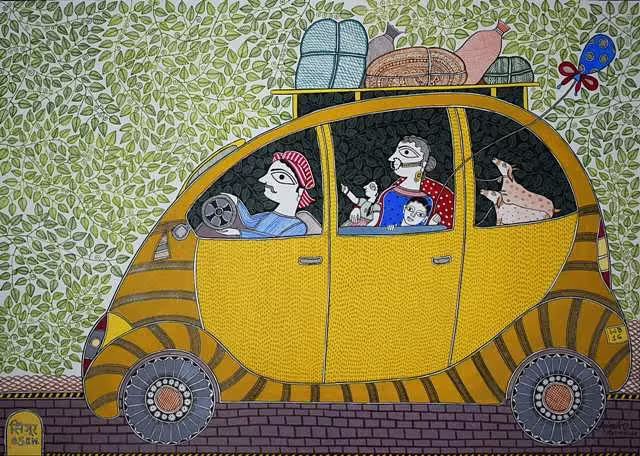
Madhubani paintings eventually become part of celebrations and special events such as weddings. As many contemporary Indian artists carried the paintings to the global stage, they attracted art lovers. The typical base of plastered mud walls was soon replaced by handmade paper, fabric, and canvas. However, as the paintings were created in a specific area, the styles remained similar.
It has recently gained international popularity, notably in Japan, Germany, France, and the United States. Several books and research articles on Madhubani paintings have been published by both Indian and foreign experts. The Master Craftsmen Association of Mithila, established in 1977 by an American, supports Madhubani artists with the marketing of their creations through exhibitions.
Learn Madhubani


Books
Thakur, U. (2003) Madhubani Painting. Pune: Abhinav Publications.
Bevington, K. H. (1989) Madhubani Painting: Women, Art and Modernization in the Fourth World. Berkeley: University of California.
Dayal, B, (2015) Madhubani Art. Belgium: Museum of Sacred Art.