
Kangra
Explore Pahadi miniature Schools- Kangra miniature
Introduction
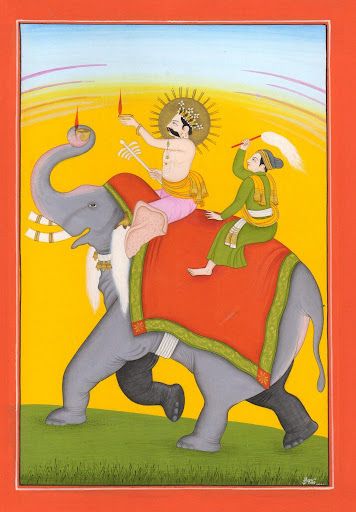
Etymology: These miniatures are called 'Kangra miniatures' as these paintings were developed and originated in the hilly region of Kangra, Himachal Pradesh.
Origin: It originated in the pre-colonial Guler state, a small hill state in the Lower Himalayas during the early 18th century. Kangra style gained popularity as the Basohli style of painting began to fade in the middle of the 18th century.
Location: The art form initially developed in the Valley of Kangra in Guler State, a pre-colonial hill state in the Lower Himalayas. Guler, Basohli, Chamba, Nurpur, Bilaspur, and Kangra are the Kangra painting. Later on this art form spread further to Mandi, Suket, Kullu, Arki, Nalagarh, and Tehri Garhwal.
Community: The artists who migrated and settled in Kangra developed this painting style which is attributed to the Katoch dynasty's ascension to power in the 18th century under 'Ghamman Chand' and later under 'Sansar Chand Katoch'. The art form flourished during this period.
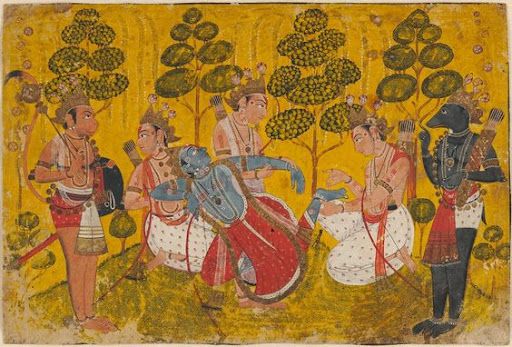
Relevance: These paintings gained patronage in these Punjab hill states for two reasons. The first reason was that many artisan families migrated from Mughal Empires to these hill states for a less troubled and more stable lifestyle. And, the second reason was that there was an abundance of demand for Krishna-themed miniatures by the Hindu Rajas. The simplicity and freshness of Pahari paintings can be distinguished from the Mughal style and Rajasthani paintings by their expressive quality.
Shop Kangra Miniature Products
View all →
Emerald Symphony
Tribal Lifestyle XIV
Elephant with Birds
Women Worshipping Srinathji
Pichwai Gopala Painting
Artventures of Phad - Essentials
Divine Dialogue
Village of Mahua Tribe
The Kullu Tree
Horses of God Ghatla
Crowned in Silence
Madhubani Saraswati Painting
Mayura Madhubani Painting
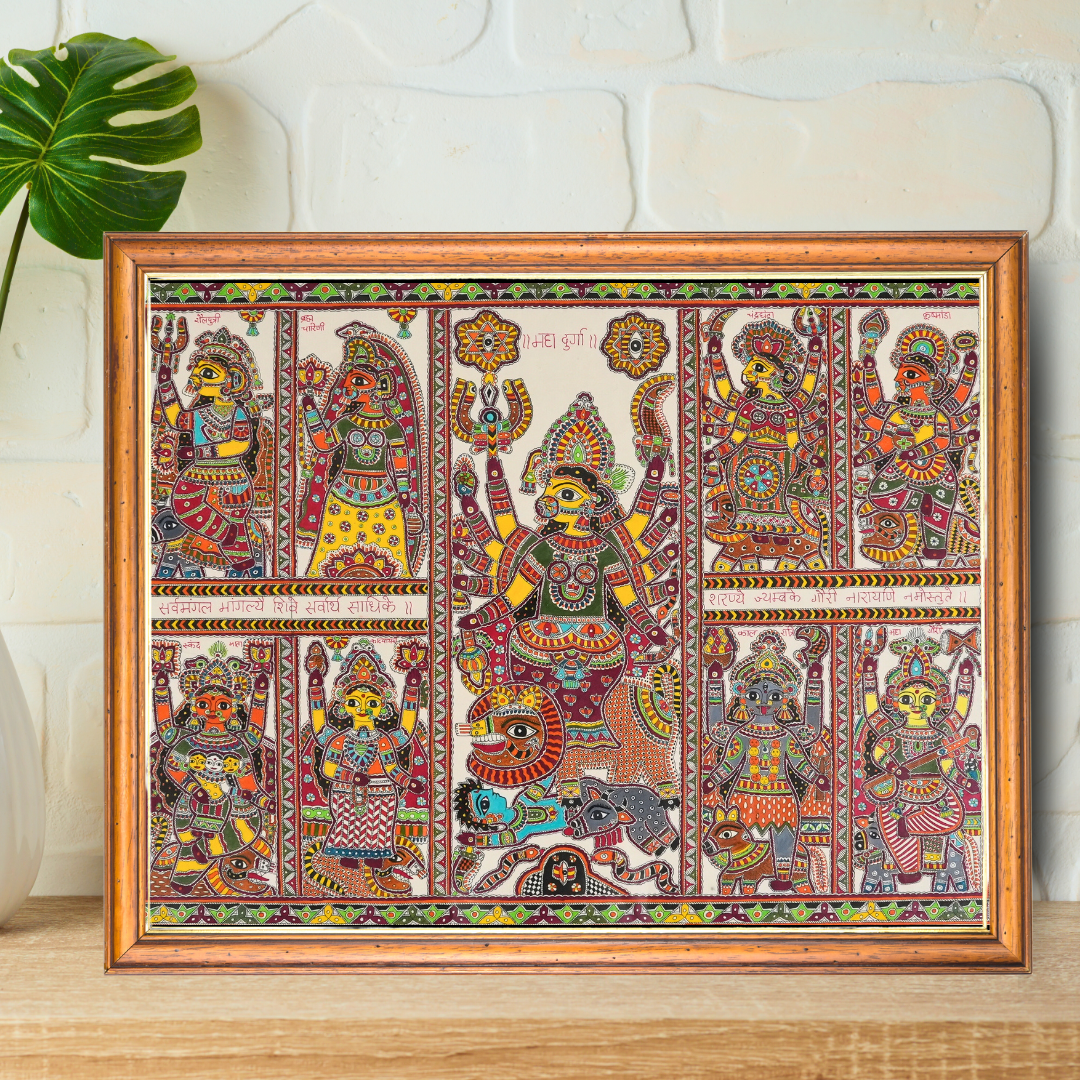
Navadurga: Nine incarnations of Durga
Golden Flight
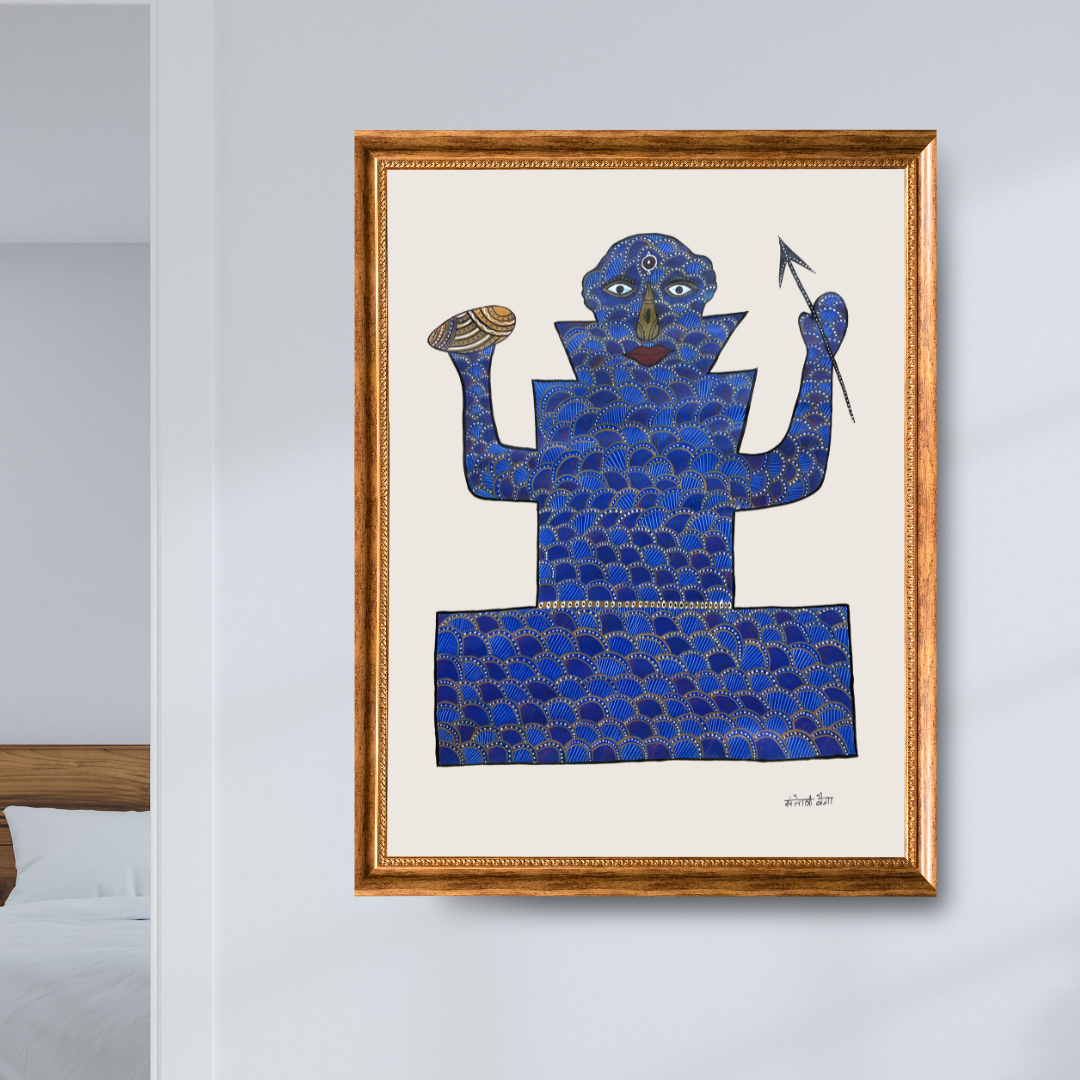
Chora Dev: The Guardian Spirit
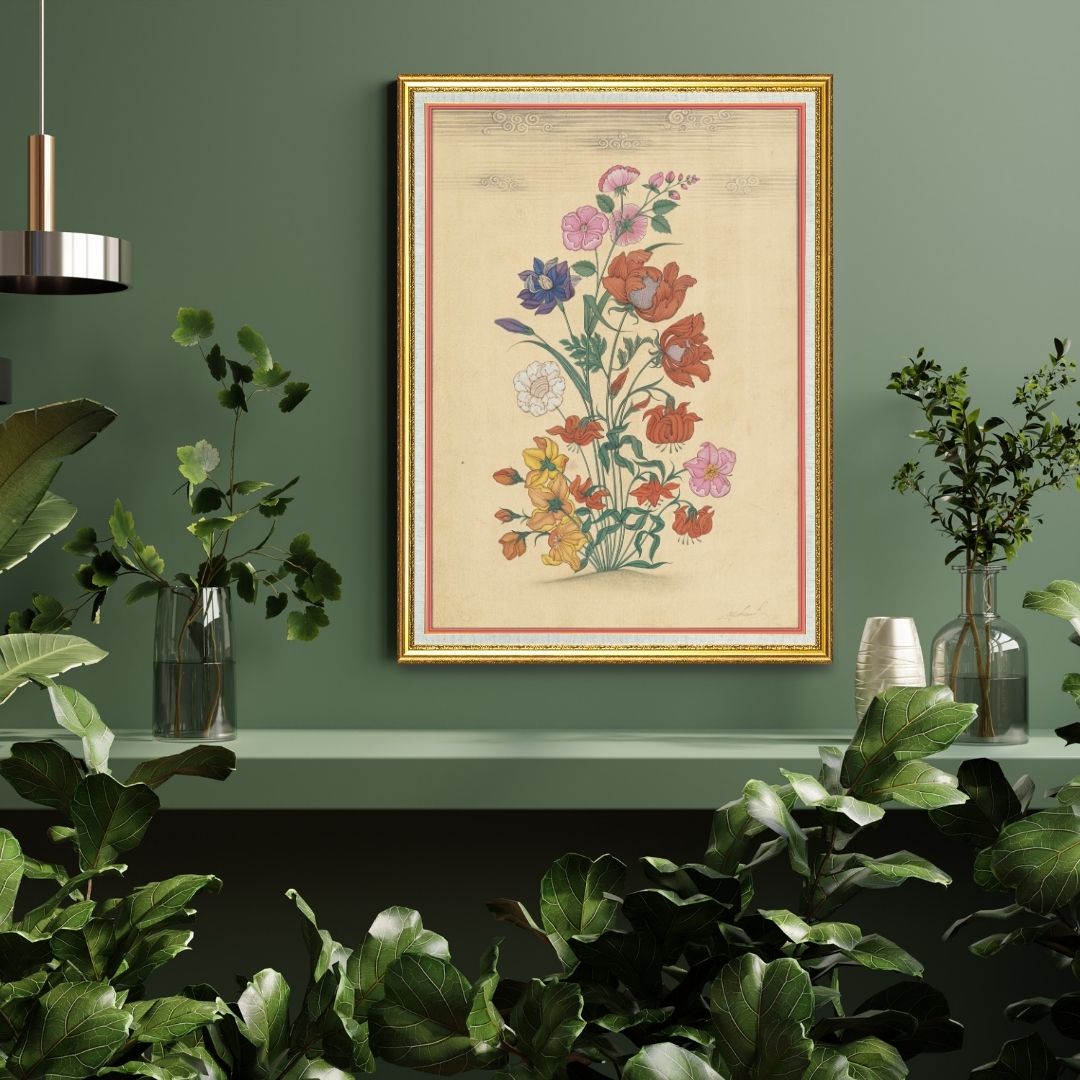
Garden of Serenity
Bliss of Music
Flow of Plenty by Philomina Tirkey
Artventures of Gond - Expert
History
Background: Kangra miniatures were developed under Maharaja Sansar Chand of the Katoch dynasty between the late 17th century and mid-18th century. During the rule of Dalip Singh, Kangra artists were working on 'Guler-Haripur' paintings. However, after the Kangra Fort was captured by Ghamman Chand and his son Sansar Chand Katoch, the Kangra school reached its unique phase.
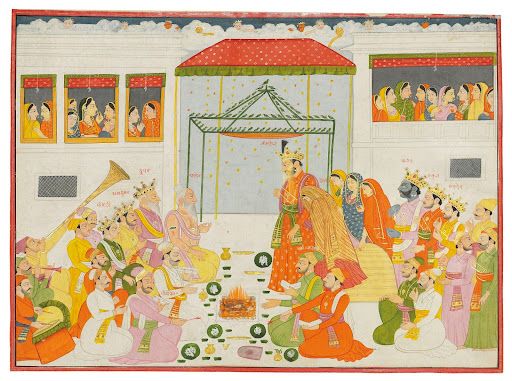
Culture and Societies: The cultural history of Kangra paintings has been quite active, and these works carefully recognise community concerns. The artisans would gather their inspiration from the environment around them. The culture, festivities and religious sentiments of the community had an enormous impact on Kangra miniatures. Moreover, Hindu rulers liked the depiction of romanticised versions of Krishna's life, legends, epics, and love. Instances from Ragmala, Nala and Dayamati were also of their liking.
Religious significance: The Kangra style of painting was heavily influenced by the legacy of the Vaishanvite cult which emerged with strong belief during the 11th century and the Bhakti movement had an immense influence on it. The paintings of Radha and Krishna, which drew inspiration from Jayadev's Gita Govinda, whose exquisite Kangra images can be found in several extant manuscripts, represent the zenith of the Kangra style. Additionally, the Ain-i-Akbari provides an intriguing narrative of Kangra. The Bhagavad Purana influences Kangra paintings.
Legends or myths: With Krishna legends and depicting different scenes in the paintings, the other popular themes were the stories of Nala and Damayanti and those from Keshavdas's Baramasa. Love was the central theme of Kangra miniatures Rasikapriya, the great poetic work of Keshavadas, was Kangra artist's chosen theme. And the mythical scenes of a loving couple called 'Nayika and Nayaka', the Radha Krishna scenes, not just love but many sensual depictions in the paintings. Being led by this love cult Sassi-Punno, Heer-Ranjha, and Sohni Mahiwal are just a few examples of romances that were depicted in Kangra art.
Shop Paintings
View all →Emerald Symphony
Tribal Lifestyle XIV
Elephant with Birds
Women Worshipping Srinathji
Pichwai Gopala Painting
Artventures of Phad - Essentials
Divine Dialogue
Village of Mahua Tribe
The Kullu Tree
Horses of God Ghatla
Crowned in Silence
Madhubani Saraswati Painting
Mayura Madhubani Painting
Navadurga: Nine incarnations of Durga
Golden Flight
Chora Dev: The Guardian Spirit
Garden of Serenity
Bliss of Music
Flow of Plenty by Philomina Tirkey
Artventures of Gond - Expert
Understanding the art
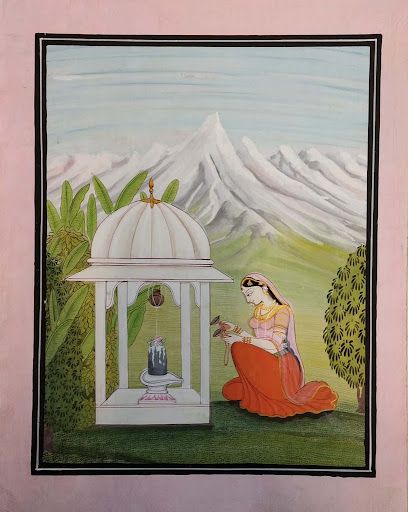
Central motifs and their significance: The central motif of the Kangra style is Shringara rasa. Also, the central appearance with the love theme of Radha and Krishna. Natural elements are of importance as well; this is because Kangra paintings come from mountainous regions of Himachal Pradesh. The beauty of this hilly region is well translated through the Veridian lushness, the use of a cool colour scheme and the portrayal of ample bushes, trees, water bodies, and trees.
Mediums used: Colours made from stones and other natural materials like flowers and vegetables gave the paintings an enamel-like finish. The paper was made from pine needles and the brush was made from the hair of the turtle, dove, and bird which migrates there in summer. Natural, squirrel hair brushes were used of varying brush sizes for more precise and intricate work.
Style: The influence of the Mughal style is seen in the Kangra miniature paintings. They took to naturalism, soft, and quieter colour schemes, they focused on nature and its elements rather than architecture. Focus on beautification was utmost, with attention given to representing the human body with delicacy, grace and fluidity. Their paintings were almost always finished with a beautified and intricately painted floral border which either complimented the painting's colour scheme or was contrasting it. These paintings are heavy on minute line work.
Process: Kangra paintings are expensive they are created on hand papers such as 'Wasli' or ivory sheets, borders of 'Takri' and figures and highlights of liquid gold. The first step is to give a light wash of the background colour. The base is then layered with background, foreground, the main subject(s), and finally a border.
New Outlook
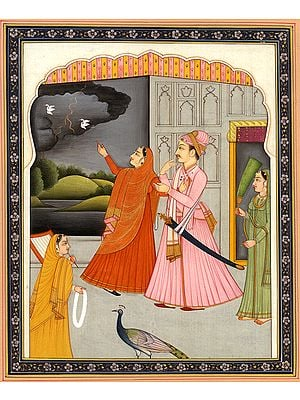
At the pinnacle of its rise, Kangra paintings focused on outdoor scenes greatly around nature and its elements being the highlight of these paintings. Later on, the theme changed to more nocturnal settings wherein storms and lightning were depicted greatly, another change was the addition of town scenes and the inclusion of architecture in the far-off background.
Kangra Arts Promotion Society (KAPS), an NGO, has been quietly working for the last decade. The walls of Mcleodganj gallery are adorned on the walls with stunning views of Kangra valley.
Learn Kangra Miniature





Books
Kumar, N. Driem, J. Stoban, P. (2020)* Himalayan Bridge*. New York: Routledge.
Vijay, S. (2020).* Painting in the Kangra Valley*. Niyogi Books.