

Bikaner
Let's learn about the miniature paintings from Bikaner!
Introduction
Etymology: Bikaner miniature gets its name from the place of its origin which is the city of Bikaner.
Origin: These miniature paintings arose in the city of Bikaner in Rajasthan.
Location: This art form did not travel much and was a localised art practice in Bikaner.
Community: The production of Bikaner miniatures followed a systematic format to set up studios called 'Mandis' where the master artist would supervise the work other artisans would create. These studios would deal with the creation of paintings, restoration work, and also make copies of miniatures.
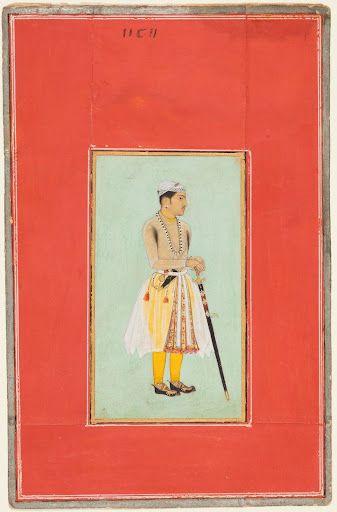
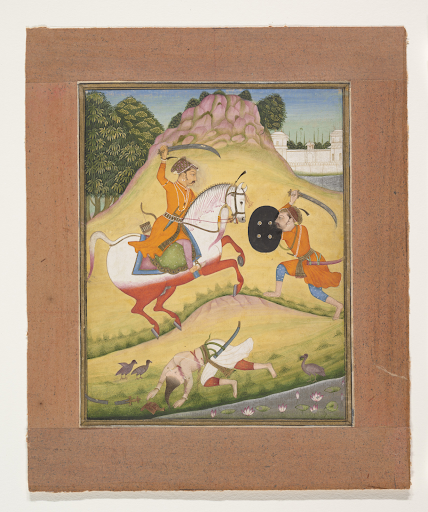
Relevance: Bikaneri miniatures were mostly documentation of Royal court life. Portraitures, hunting scenes, imageries of the indoor court life, and leisure were depicted abundantly.
Shop Bikaner Miniature Products
View all →
Pichwai Painting - Radha Krishna Van Raas

Handmade Dancing Women Abstract Canvas Painting
Mother's Embrace
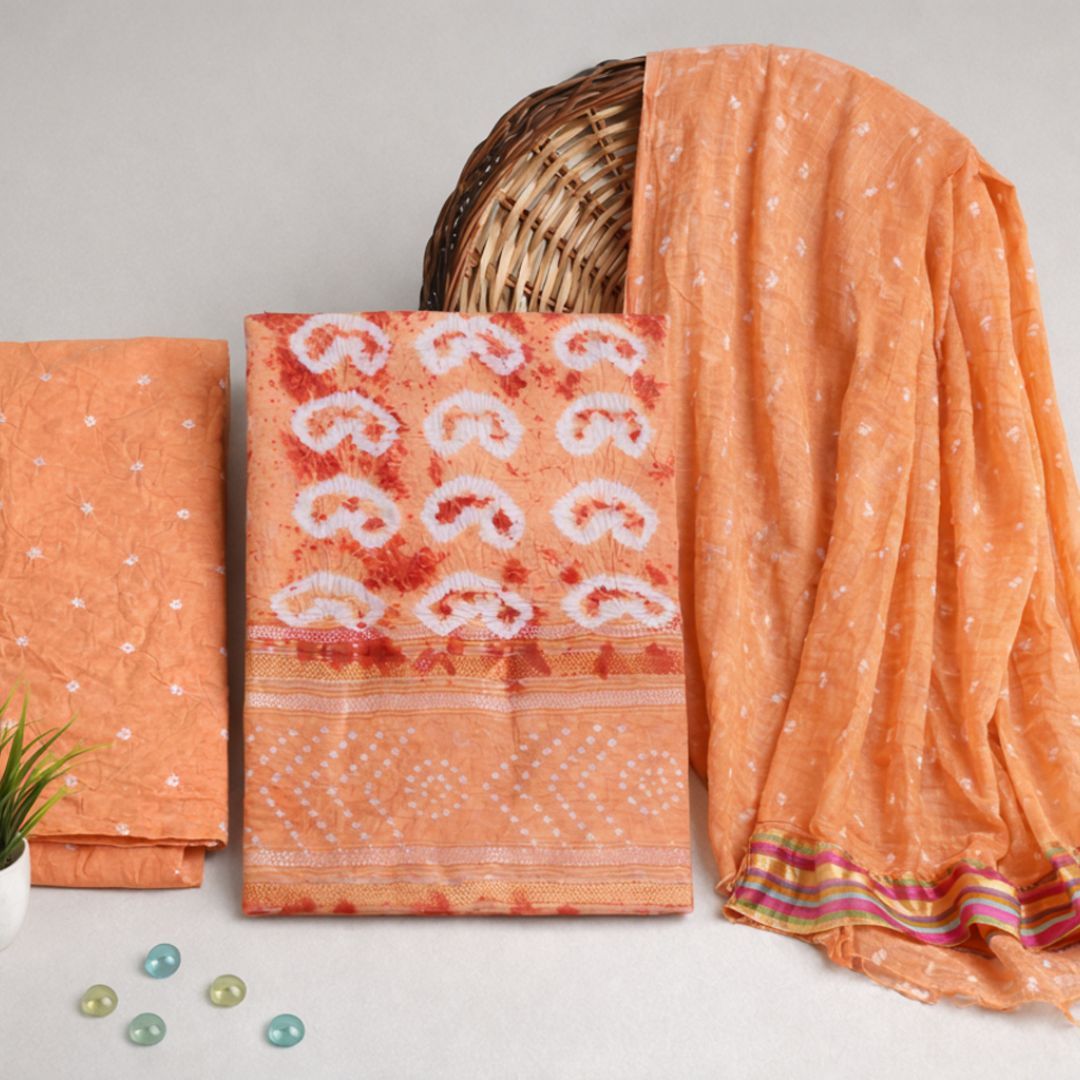
Glace Cotton Jari Patta Tie and Dye Suit Fabric for Cut Top
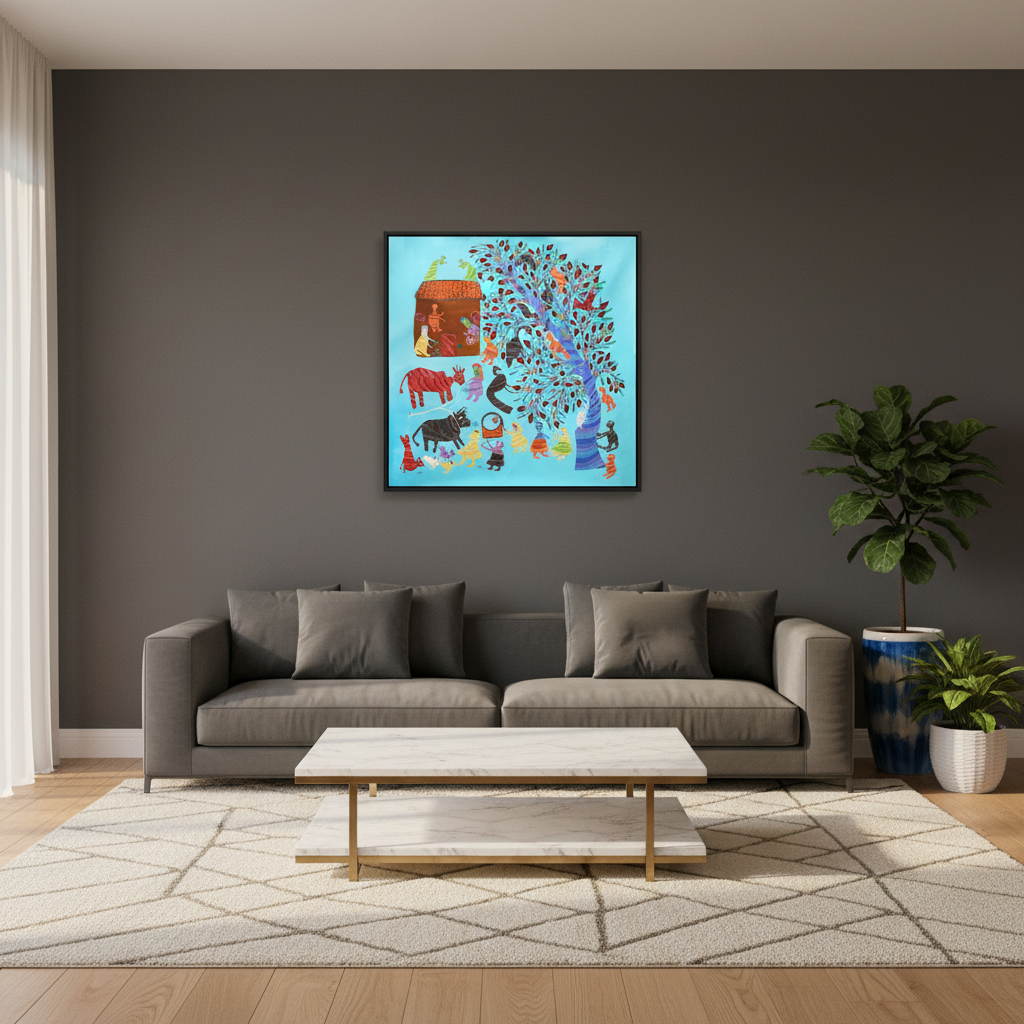
Gaav ka Drishya
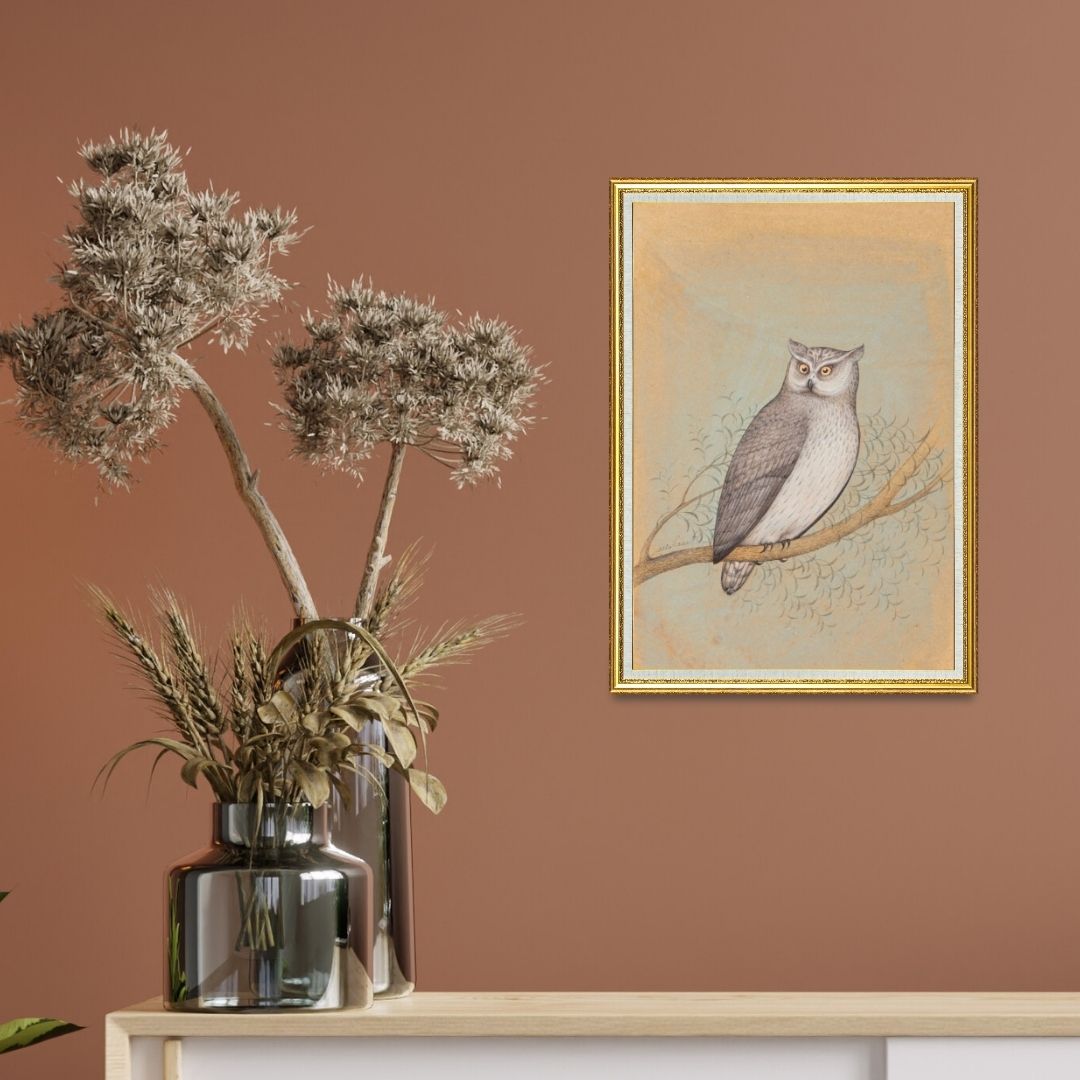
Whisper of the Night Branch
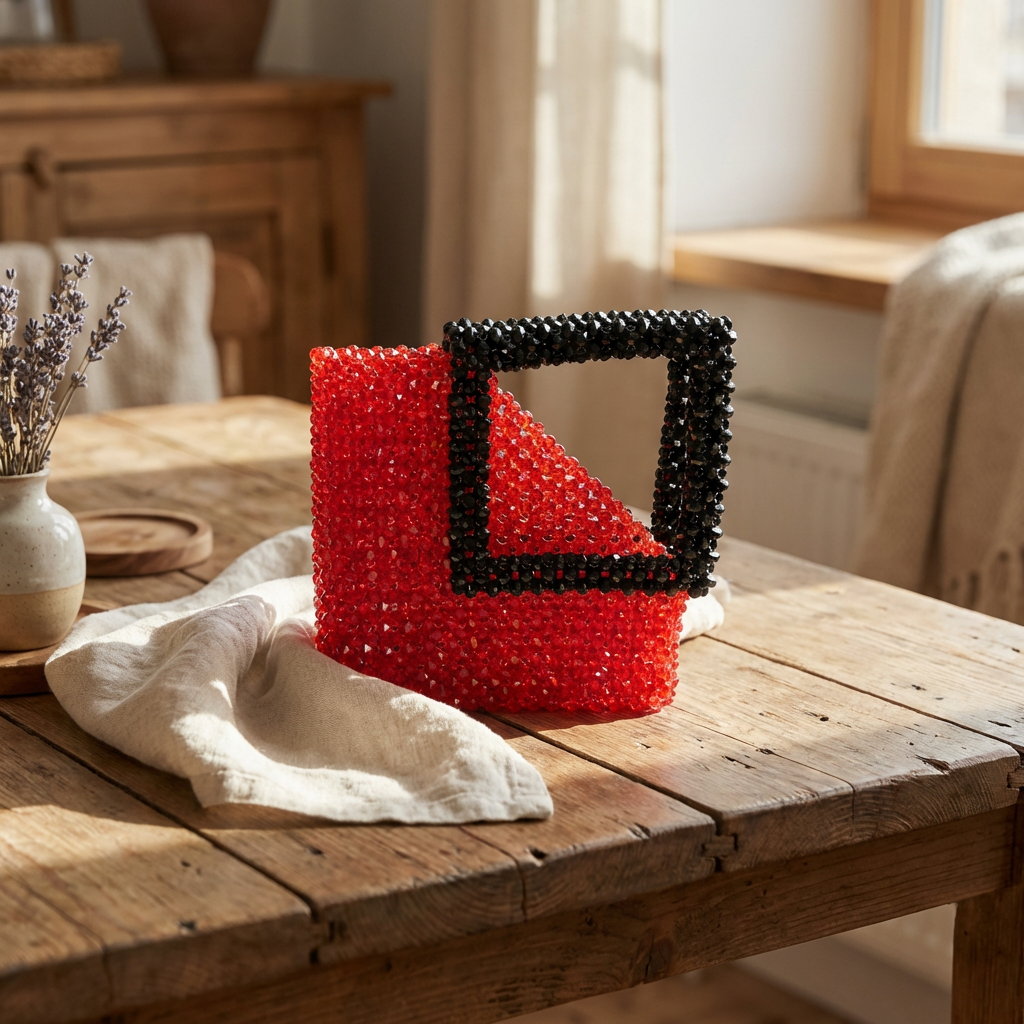
Velvet Flame Beaded Bag
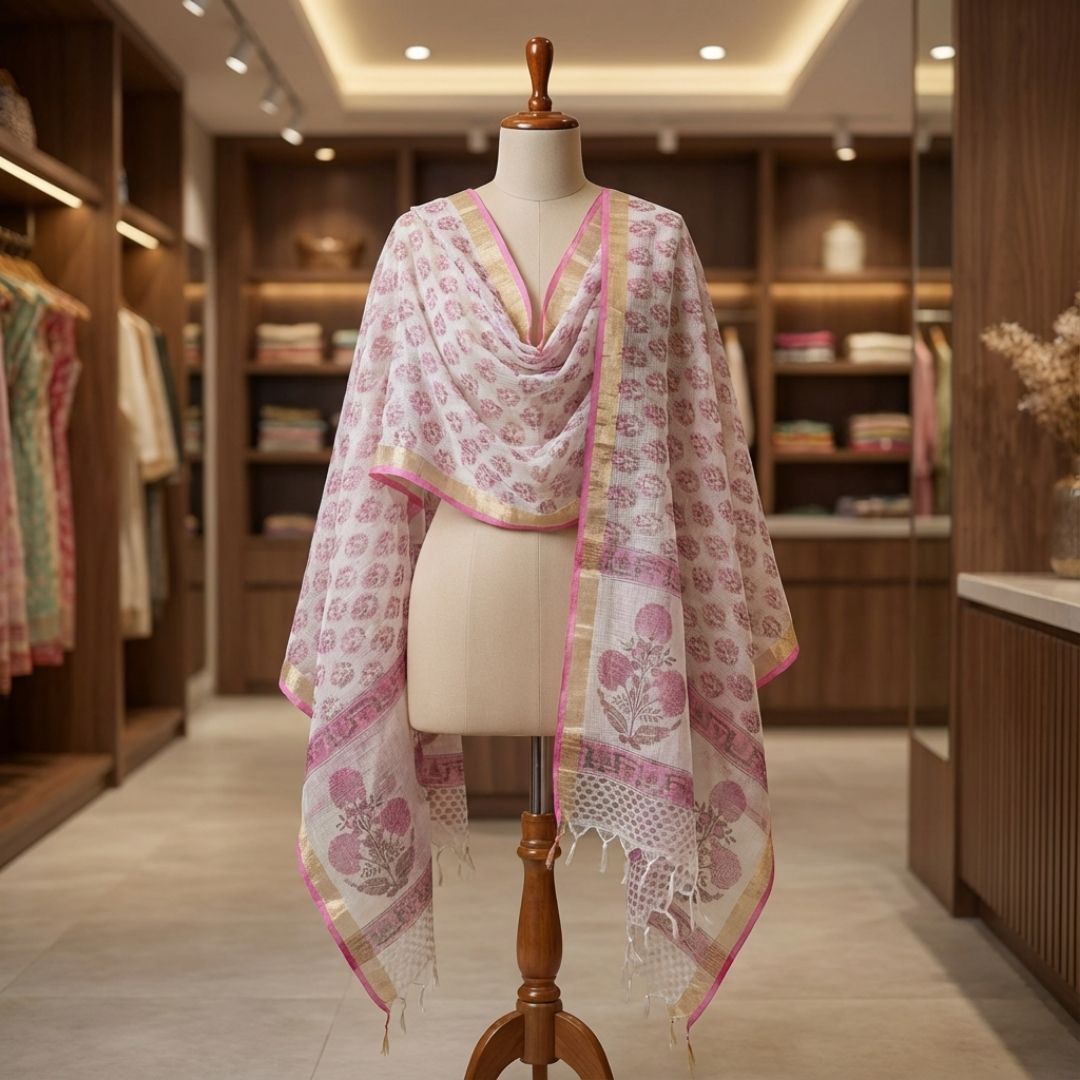
Hand Block Printed Kota Doriya Dupatta in Soft Pink Floral Pattern
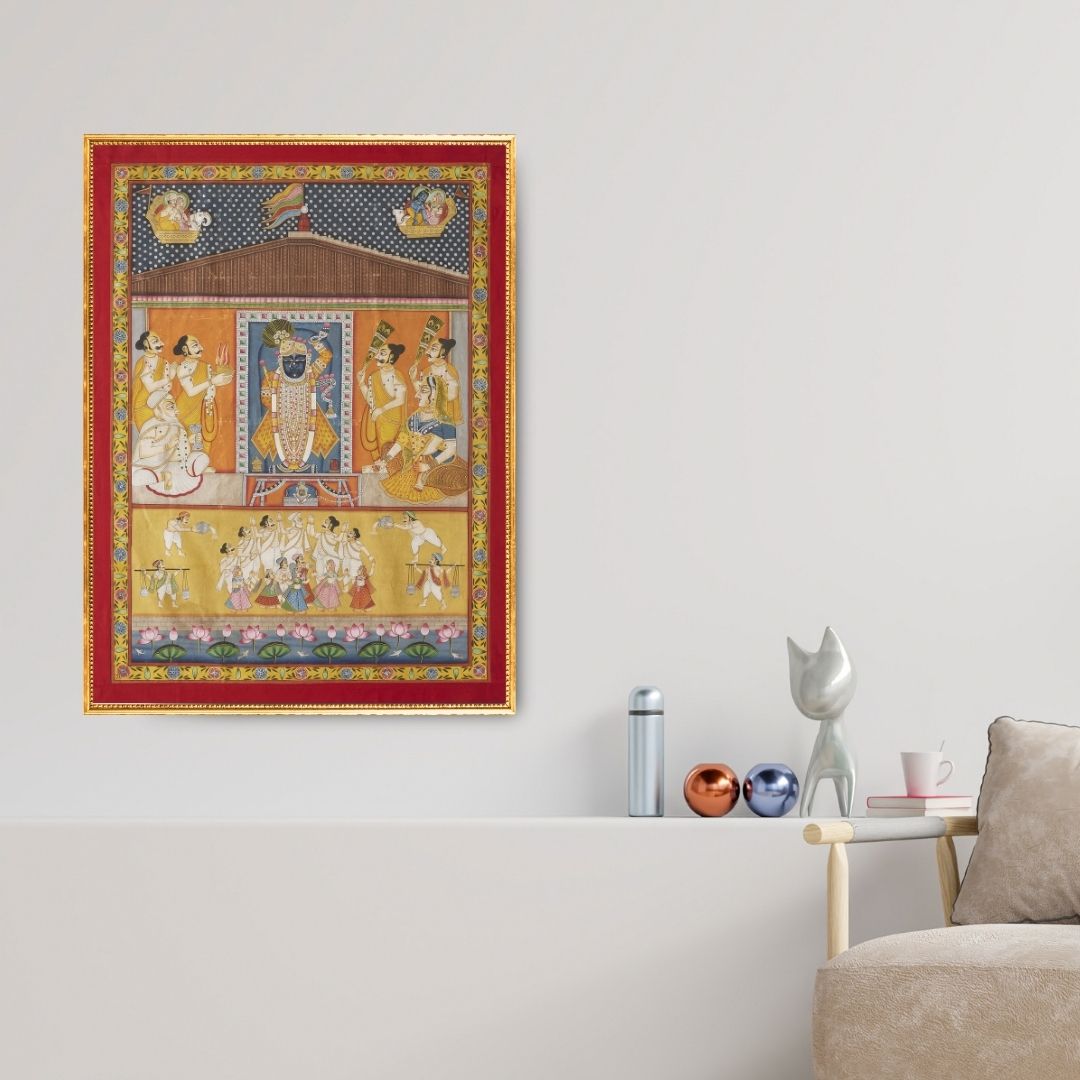
Janmotsav Pichwai Shreenathji
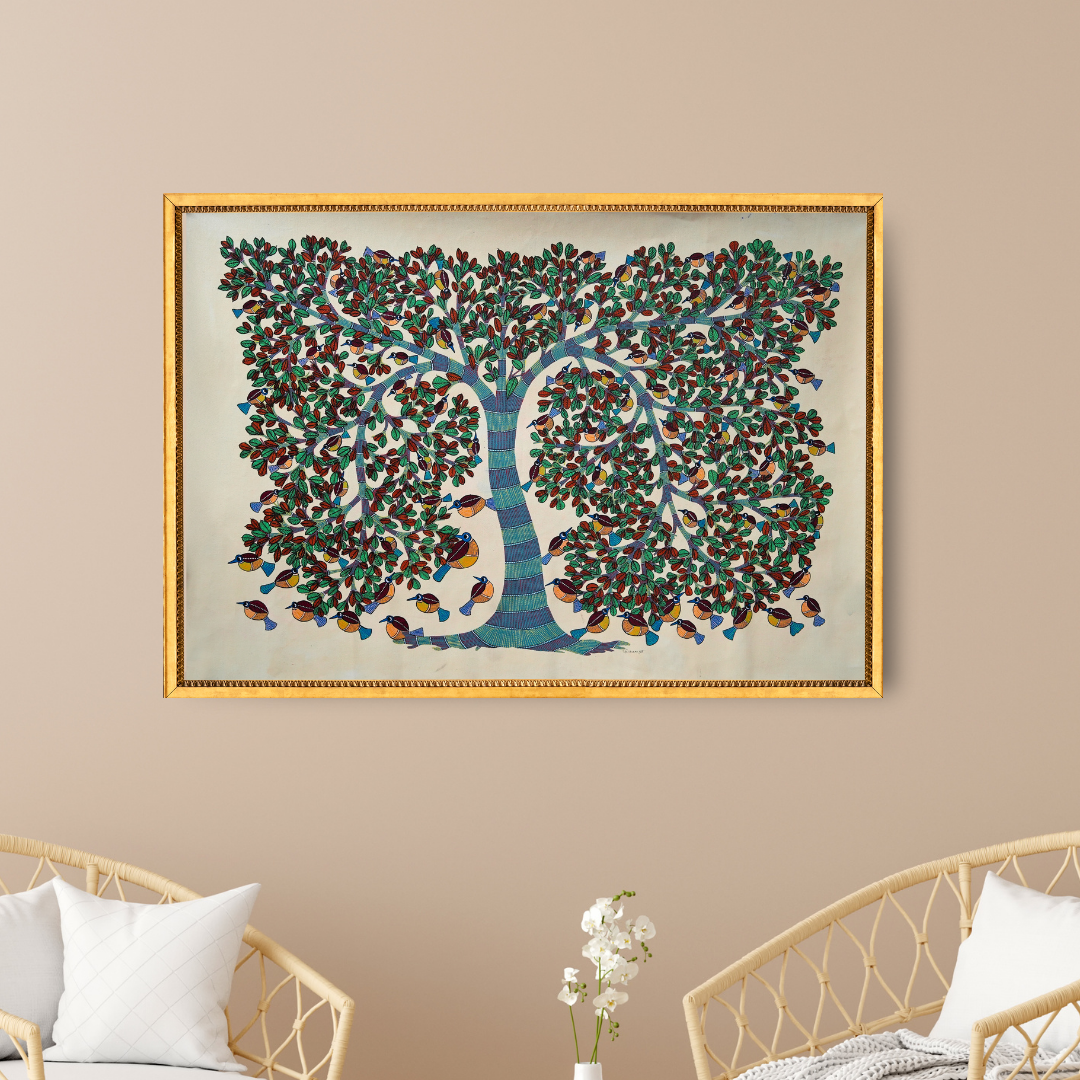
Birds and tree
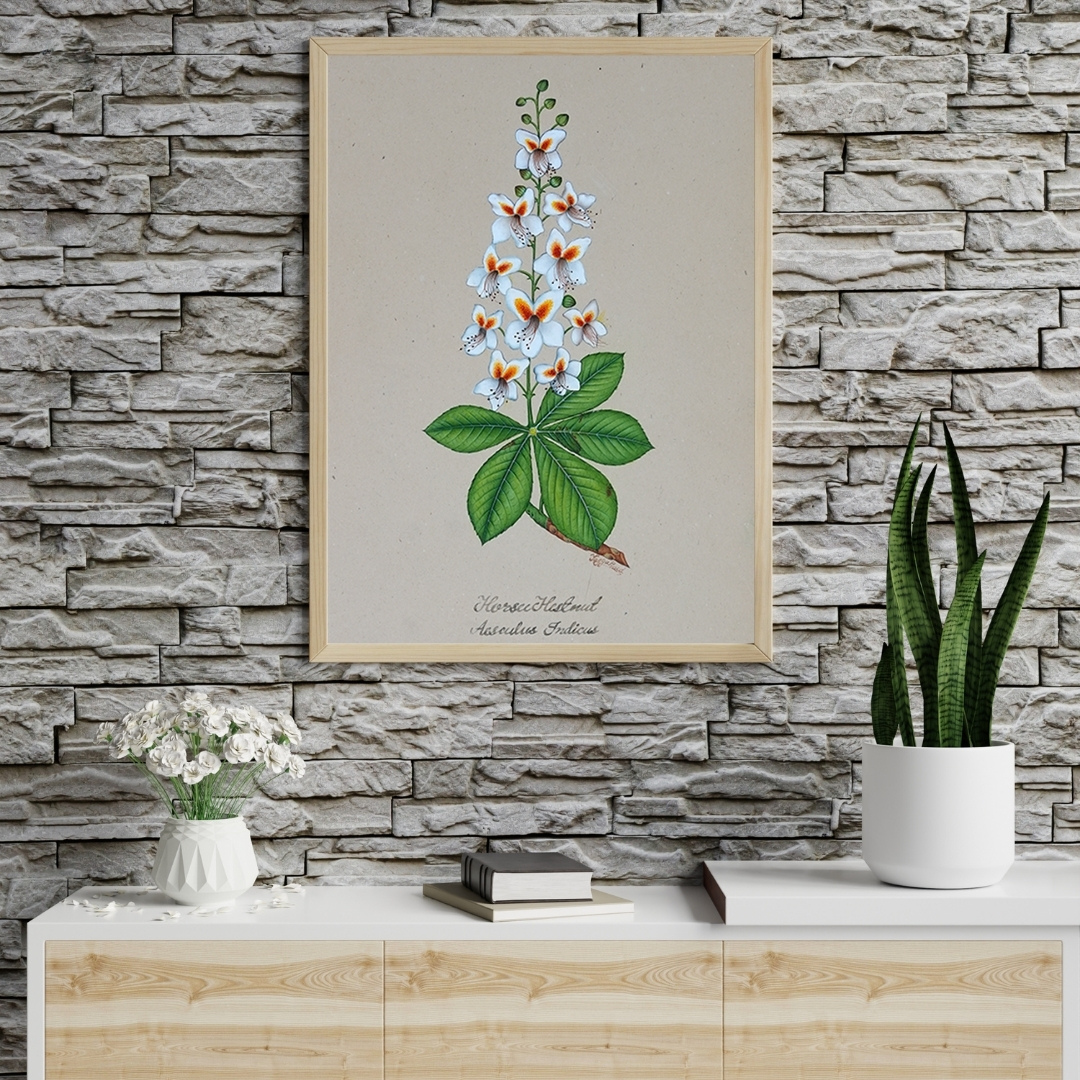
Chestnut Bloom Reverie
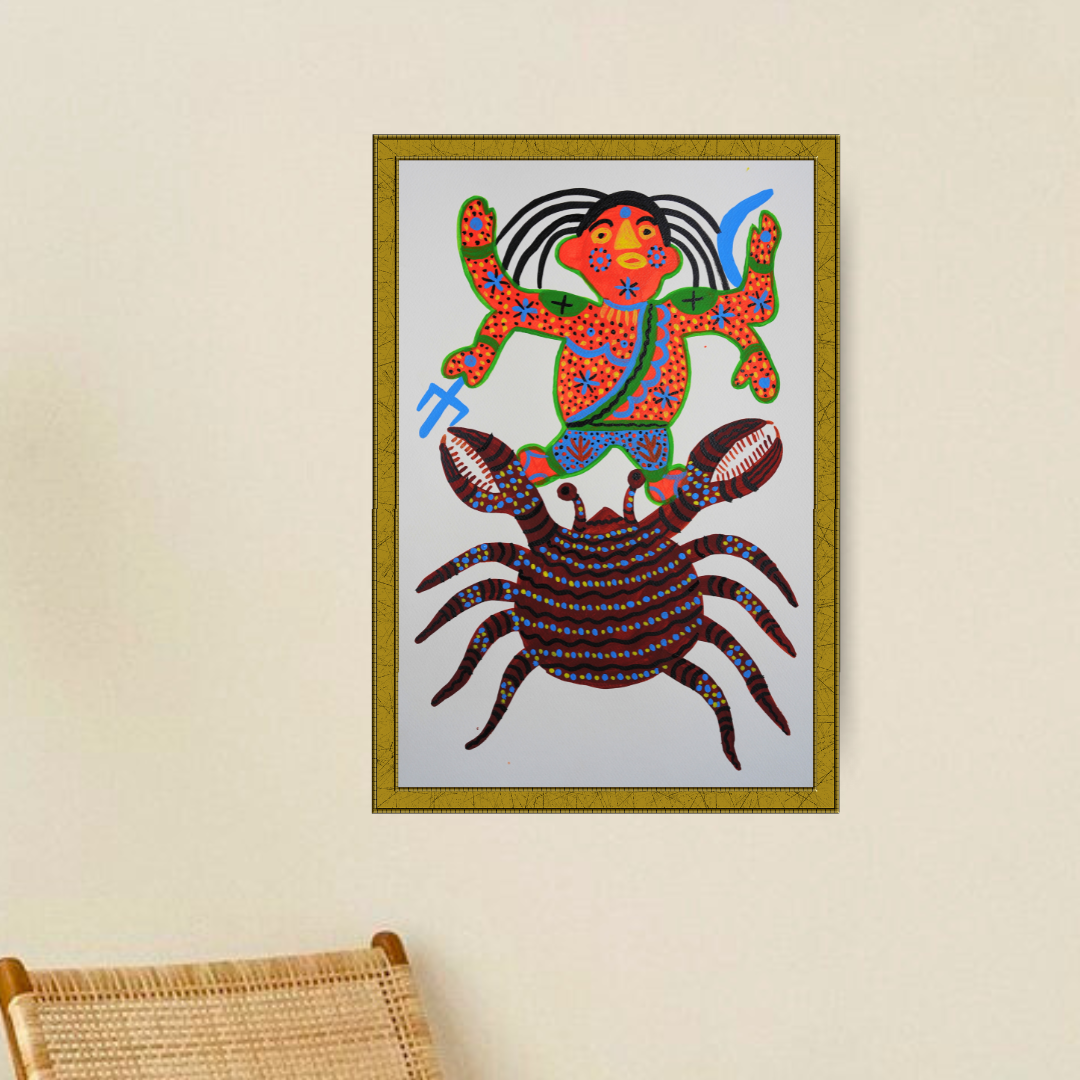
Buddha Dev on his Crab Mount
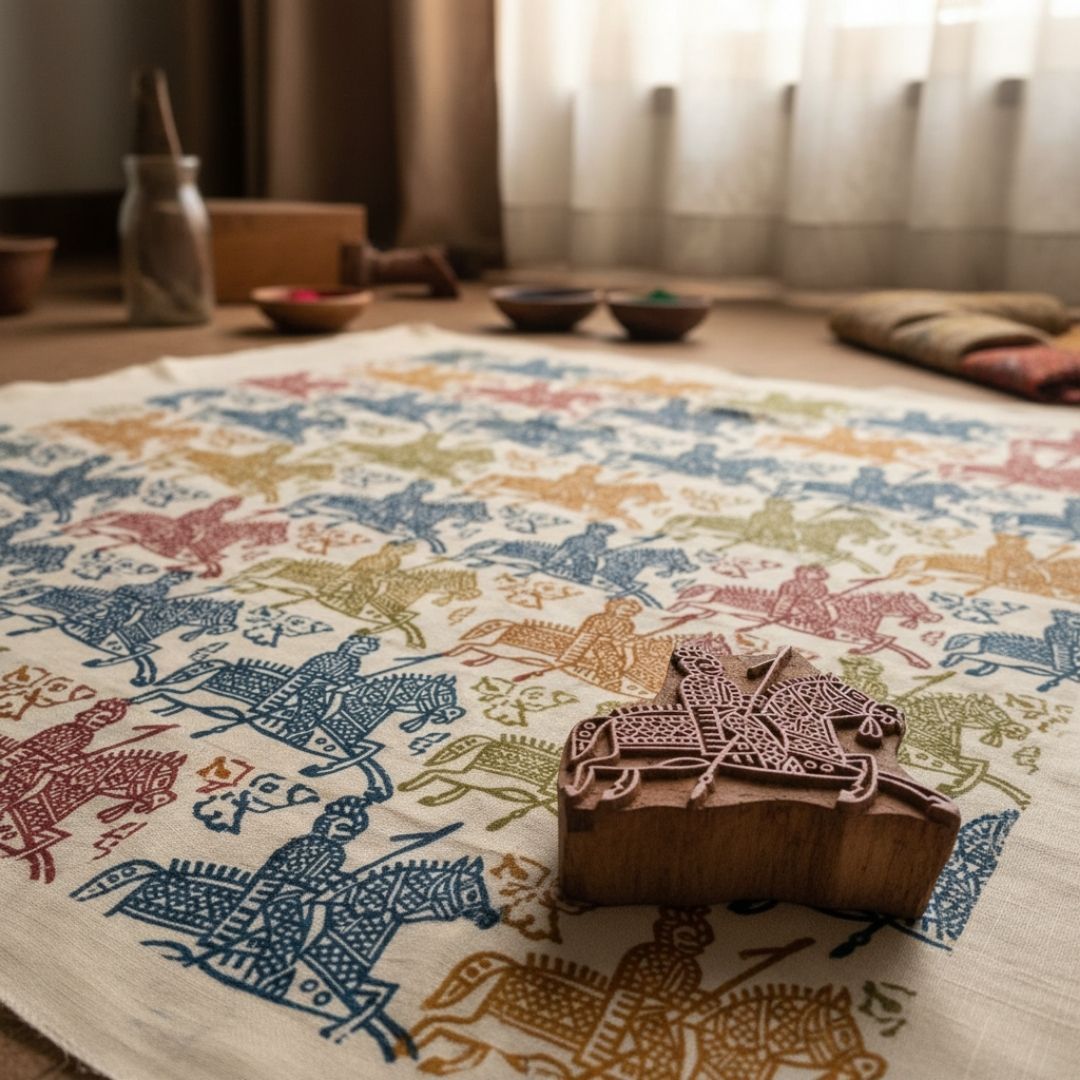
Hand-Carved Gurjan Wood Printing Block with Horse & Rider Motif

DIY Origami Art Kit
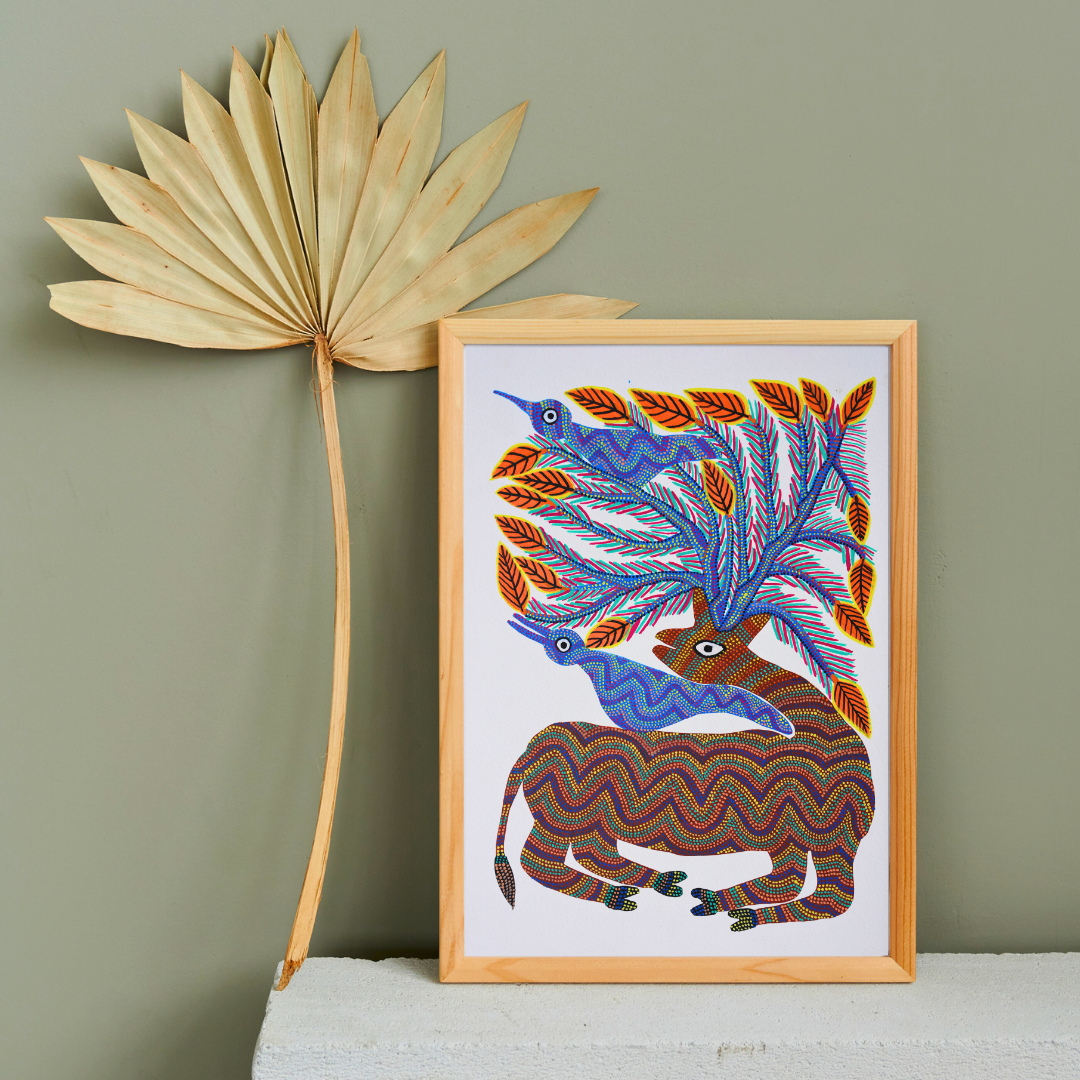
Birds on Barasingha
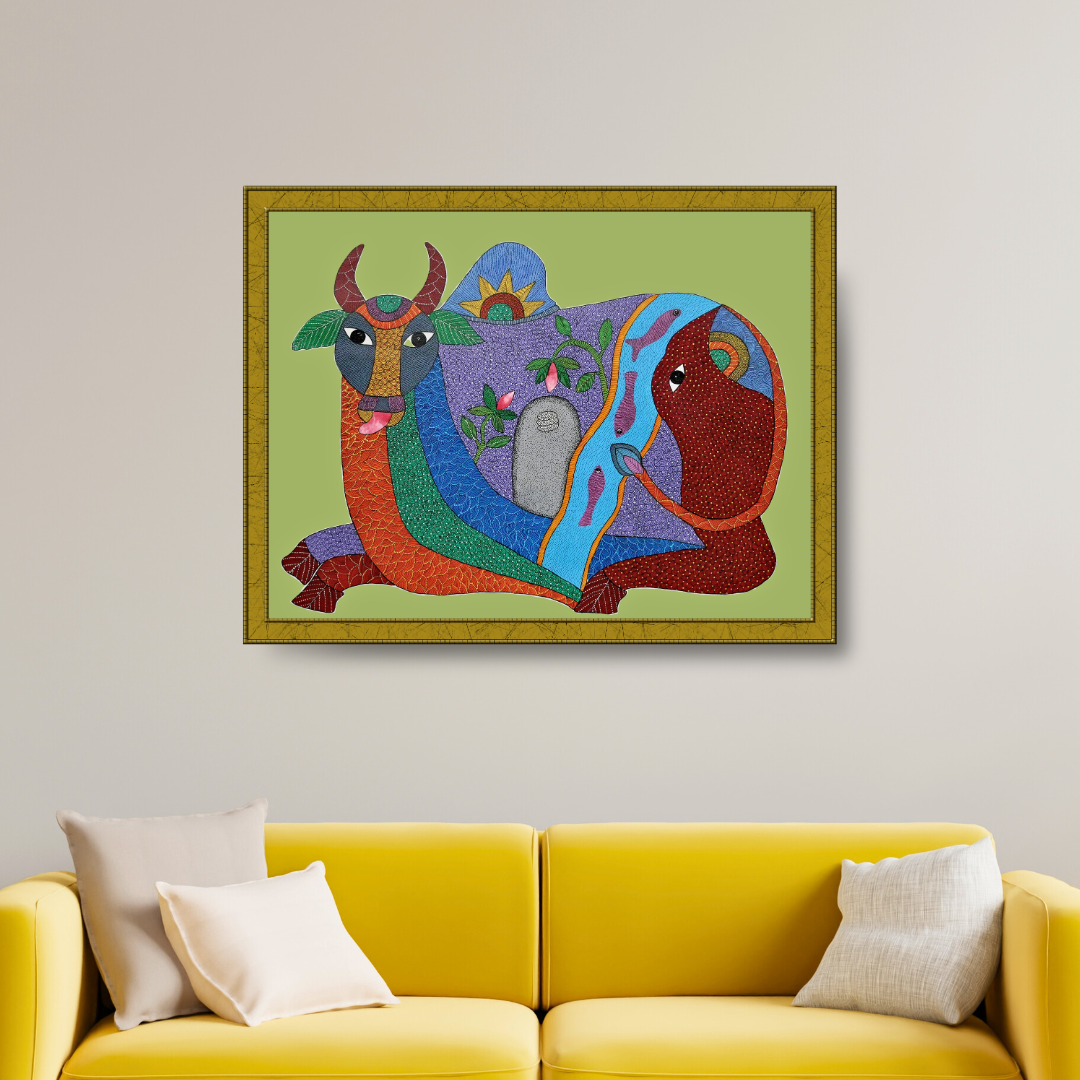
A Sacred Harmony
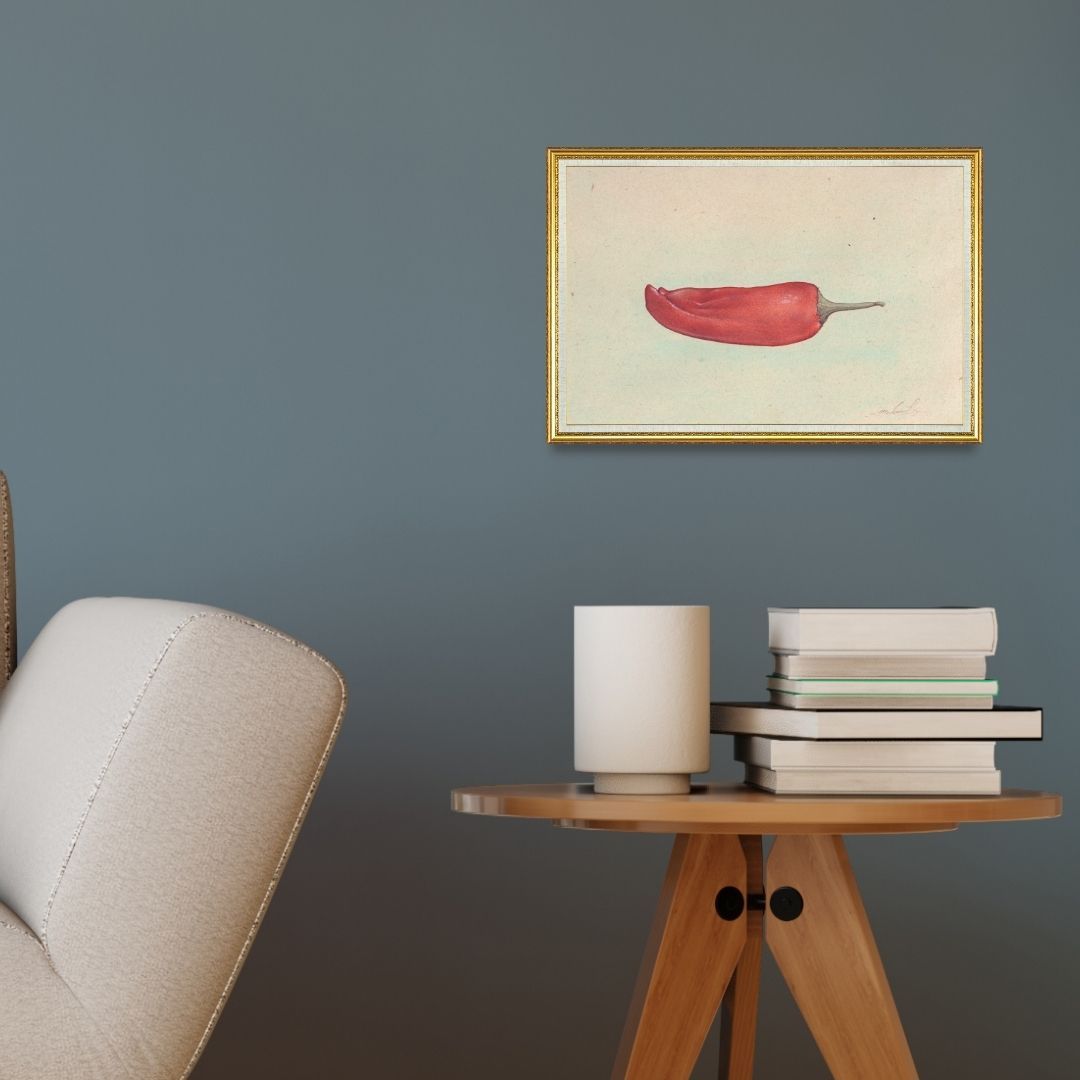
Chili Pepper (Capsicum Frutescens)
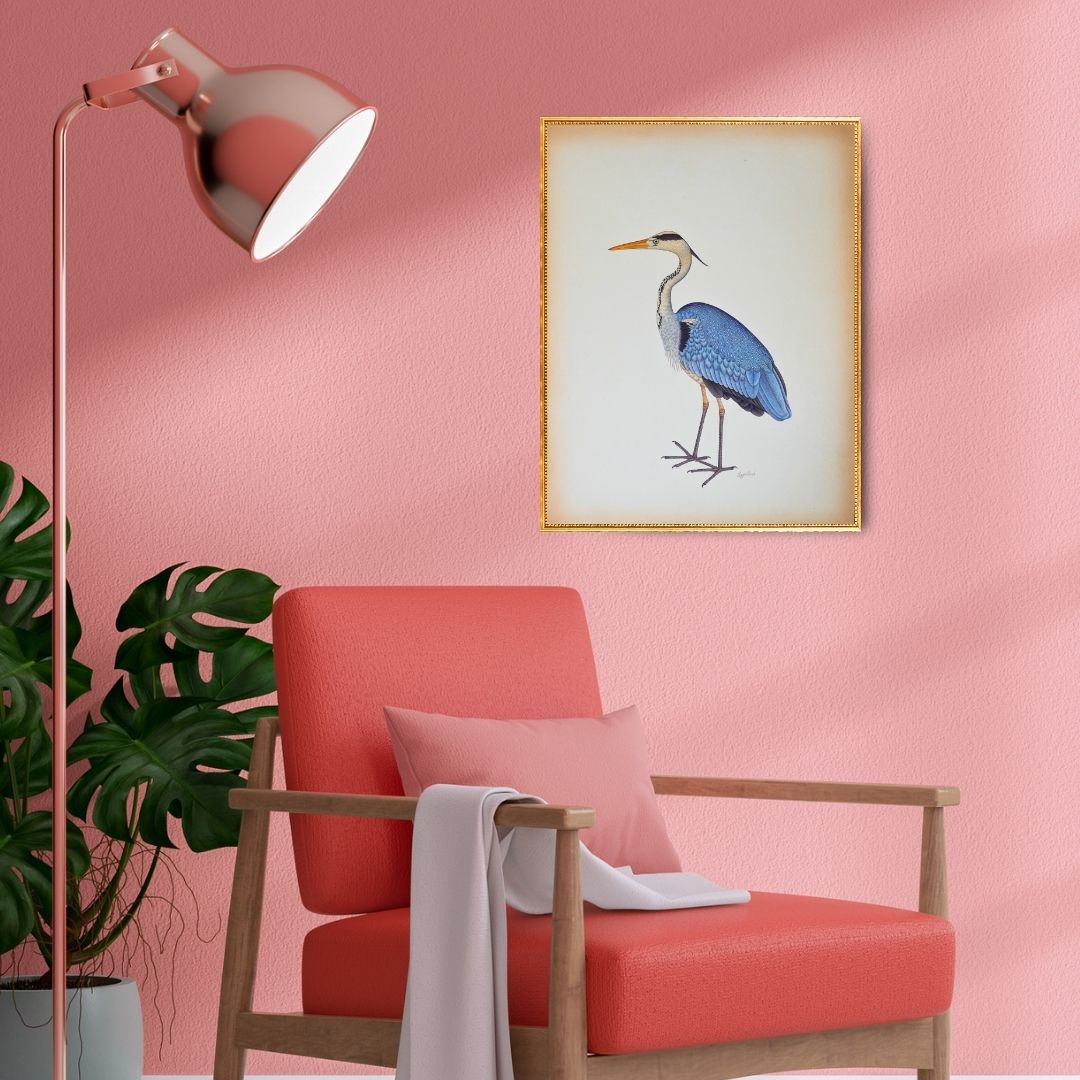
Silent Grace
Artventures of Pichwai - Elementary
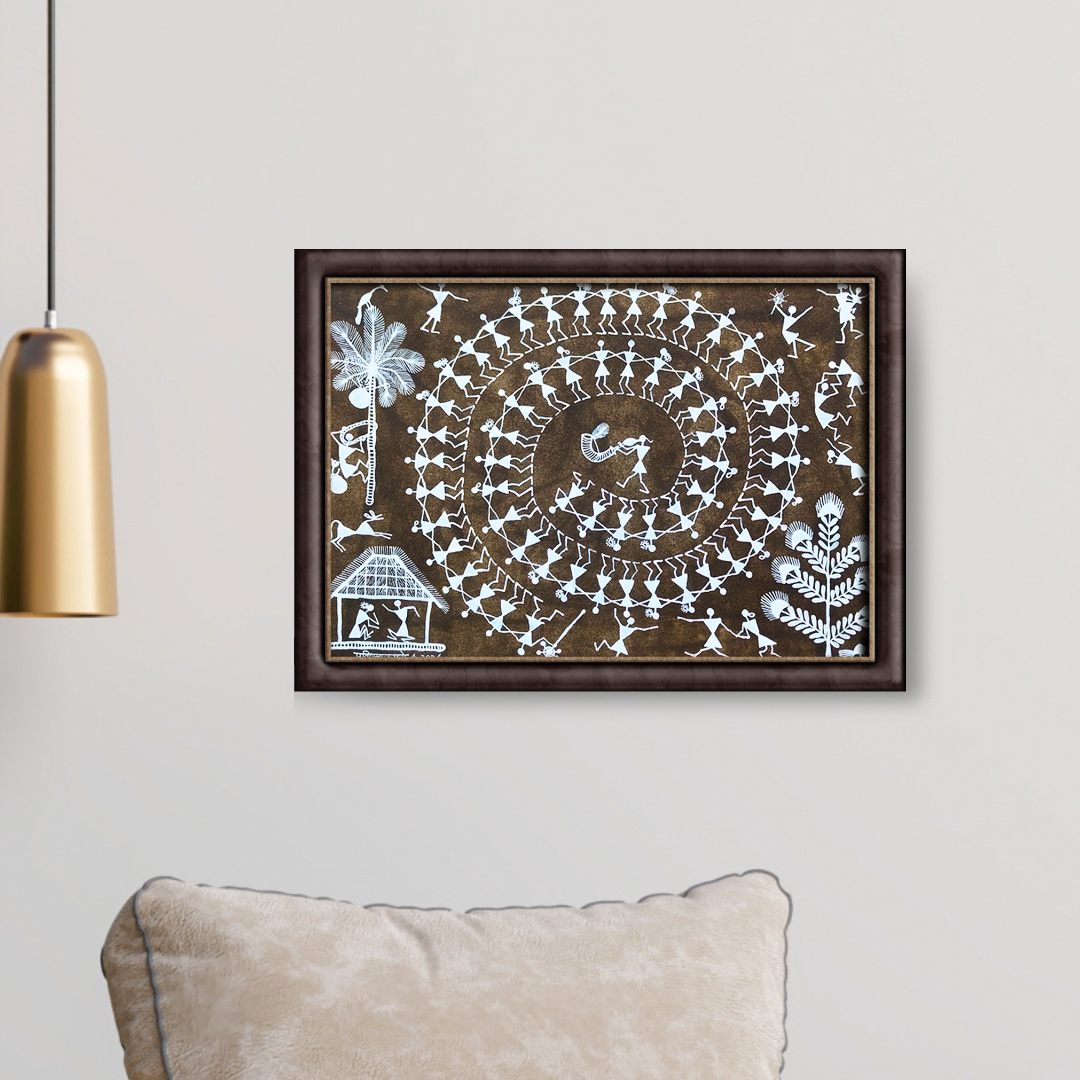
Rhythm of Tradition: Tarpa Dance
History
Historical Background: Since Bikaner saw a very flourishing Rajput and Mughal rule, the illustrations of the same are prominent in the Bikaner miniatures.
Culture and Societies: Traditional fairs and festivals are celebrated with diverse rituals, prayers, devotion, and enthusiasm when they have religious, mythological, historical, or seasonal significance. A variety of miniature painting styles have developed as a result of the significant patronage given to the performing and fine arts in Rajasthan courts, especially from the 18th century onward. Bikaner was the most well-known of those. Paintings and portraits were used to celebrate special occasions like Dussehra, Diwali, Navratri etc.
Religious Significance: The majority of festivals are painted concerning the lunar cycle during the brighter part of the month, and the winter, spring, and monsoon seasons are marked by an abundance of festival buoyancy and intensity. In September and October is the Dussehra festival, which commemorates Lord Rama's victory and calls for nine days of fasting (Navratri), and Deepawali, the festival of lights, which marks the return of Lord Rama, his wife Sita, and brother Laxman after 14 years of exile.
Shop Paintings
View all →Pichwai Painting - Radha Krishna Van Raas
Handmade Dancing Women Abstract Canvas Painting
Mother's Embrace
Glace Cotton Jari Patta Tie and Dye Suit Fabric for Cut Top
Gaav ka Drishya
Whisper of the Night Branch
Velvet Flame Beaded Bag
Hand Block Printed Kota Doriya Dupatta in Soft Pink Floral Pattern
Janmotsav Pichwai Shreenathji
Birds and tree
Chestnut Bloom Reverie
Buddha Dev on his Crab Mount
Hand-Carved Gurjan Wood Printing Block with Horse & Rider Motif
DIY Origami Art Kit
Birds on Barasingha
A Sacred Harmony
Chili Pepper (Capsicum Frutescens)
Silent Grace
Artventures of Pichwai - Elementary
Rhythm of Tradition: Tarpa Dance
Understanding the art
Central motifs and their significance: The paintings made in this era reflect the royal court life, hunting scenes, and royal portraitures were produced too. Religious compositions were popular as well. The depiction of an extravagant, royal lifestyle was painted extensively and in great detail.
Mediums used: Water-based natural pigments were utilised to create these paintings, the materials for which were foraged and prepared by the artists in-residency. Paint brushes were made out of animal hair, and the base for these miniature paintings was usually handmade papers called wasli.
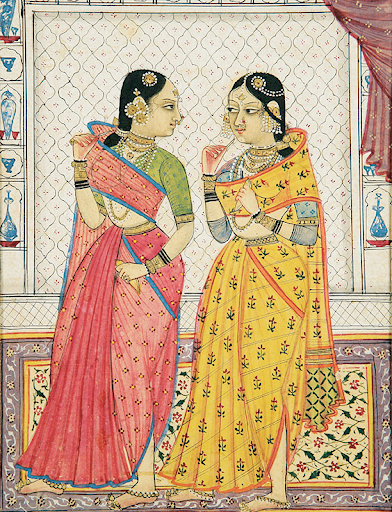
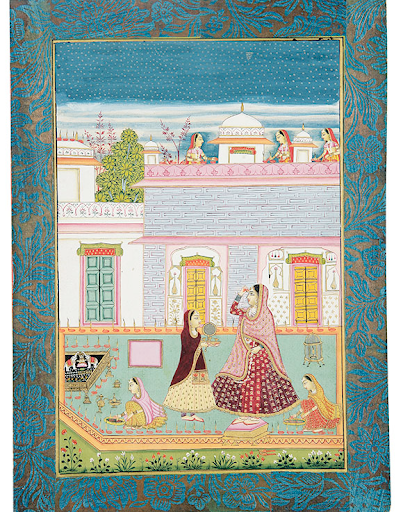
Style: Bikaneri miniatures are simplistic yet sharp paintings. The application of softer and somber colour schemes makes these artworks which make them seem contemporary. These are incredibly detailed pieces that either centre a single character with minimal elements added to them or house an elaborate composition of intricately executed illustrations. The human figures display sharp facial features but somber expressions on them. Their body compositions are exaggerated to some extent. The human characters are seen clad in rich clothing which displays some level of transparency, they are also adorned with embellishments upon which a great deal of detail is applied. Often animals, plants, and architecture make an appearance in these miniatures. The background for these paintings is often scenes from the outdoors or elaborately decorated and detailed scenes from inside palaces or mahals.
Process: Since these paintings were also mass-produced, an army of artists and master artists were given patronage by the rulers. Which means that every artisan had their own forte. One would create the base or canvas for these paintings, while the other would be responsible for preparing the pigments, and a couple more to make the sketch, paint the background, add elements, and finish the borders.
New Outlook
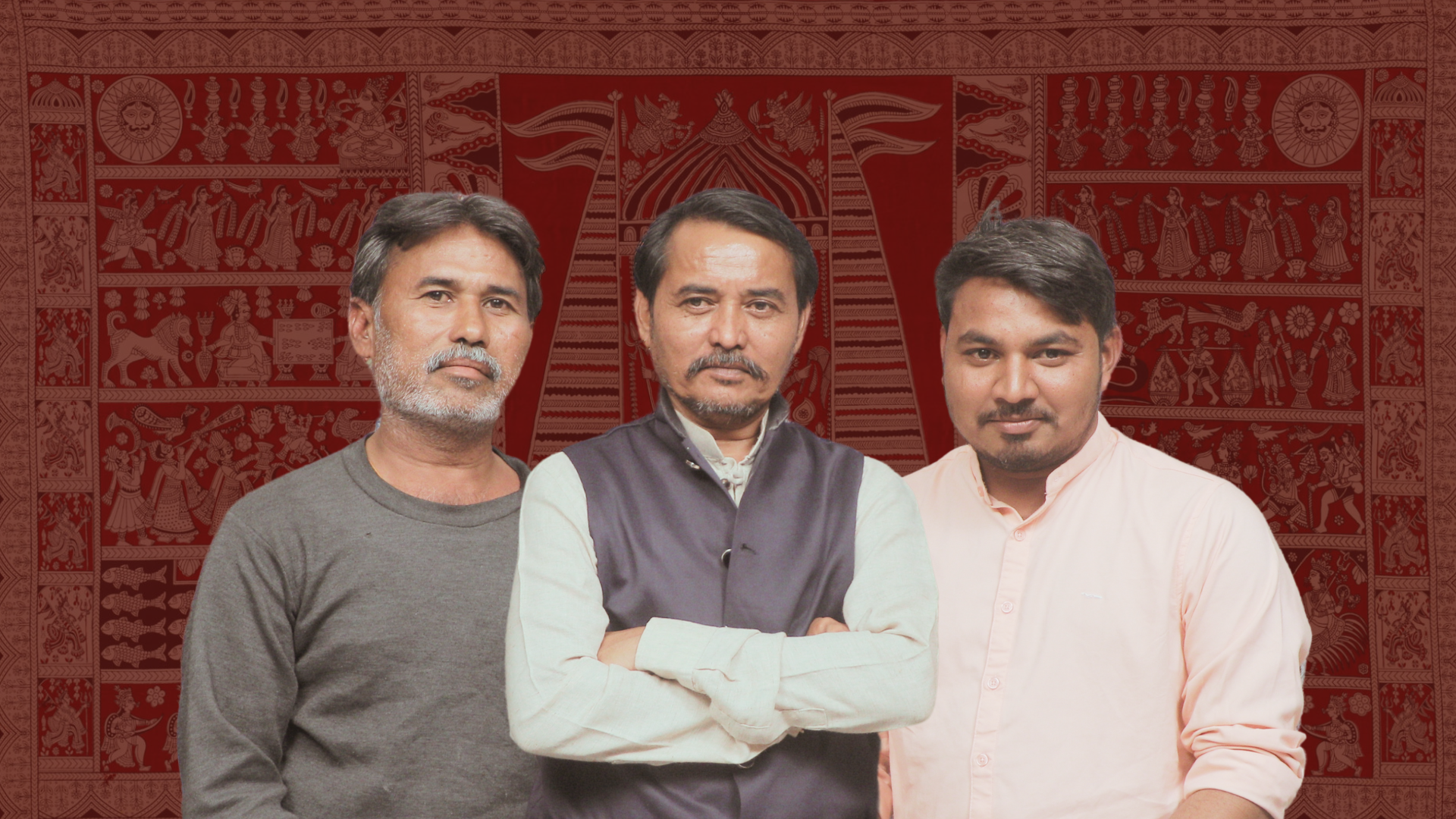
The Swami family currently work towards keeping their family legacy of creating Bikaneri miniatures alive. Shiv, Rajan, and Mahaveer Swami are keeping the art form afoot.
Learn Bikaner Miniature
Books
Kossak, S. 1997. Indian Court Painting, 16th-19th Century. New York. Metropolitan Museum of Art.