

Tikuli Craft - The Handicraft Tradition of Bihar
Explore Tikuli Craft, the handicraft tradition of Bihar, and learn about its origins, techniques, cultural significance, and artistic heritage.
Introduction
Tikuli craft is a traditional art form originating in Patna, Bihar, in which painted and ornamented glass roundels and, in its modern form, enamel-painted hardboard panels are produced using techniques derived from the historic manufacture of the tikuli, the ornamental forehead dot worn by women in the Indian subcontinent. The craft has two distinct phases: the pre-modern tradition of producing actual tikuli (bindi) ornaments from molten glass, gold foil, and natural pigments, which flourished during the Mughal period and entered severe decline by the early twentieth century; and the revived contemporary form, initiated from 1954 onward by artist Upendra Maharathi, in which the visual vocabulary and painting method of tikuli production are applied to hardboard or MDF surfaces to create decorative and domestic objects. Both phases share the same technique of building up glossy, highly polished surfaces with fine paintwork, using sable or squirrel hair brushes and thick, contrasting colours against dark grounds. Tikuli craft is presently classified as an endangered tradition, though institutional revival efforts have succeeded in maintaining an active practitioner base concentrated in the Patna district of Bihar.
Etymology: The word tikuli is the local Bihar and Maithili term for bindi, the ornamental dot applied by women to the forehead between the eyebrows. Multiple institutional sources, including the Bihar Tourism portal, the Asia InCH Encyclopedia of Intangible Cultural Heritage, and the UMSAS documentation, confirm this derivation. The word bindi is derived from the Sanskrit term bindu, which means point or dot, as documented in the Memeraki cultural documentation. The term tikuli designates both the wearable ornament from which the craft tradition originates and, by extension, the broader art form that uses the same methods and visual language. The craft is also referred to as tikuli art and tikuli painting in government and institutional documentation. The alternative spelling tikulis is used in older and some contemporary sources for the plural of the ornamental item.
Origin: Multiple institutional sources, including the Bihar Tourism portal, the Asia InCH Encyclopedia, and the UMSAS documentation, identify the origin of tikuli craft as Patna city in Bihar, with the tradition estimated to be approximately 800 years old. This figure is consistently cited across government and institutional documentation but is not tied to a precisely dated founding event or a specific founding practitioner in available records. The claim by Ashok Kumar Biswas, the principal practitioner most associated with the contemporary revival of the craft, that there is archaeological evidence of tikuli ornaments being worn by women during the Mauryan era (roughly the third century BCE to the second century BCE), is cited in the Pravasi Samwad field documentation and the Tribal Handcrafts source, though the specific archaeological citation is not detailed in available secondary documentation and should be treated as a practitioner account rather than independently verified fact.
The production of tikuli ornaments as a commercially organized craft, with glass-cutting and painting divided between Muslim and Hindu artisans, is documented as having flourished during the Mughal period. Manoj Kumar Bachhan, described in the Village Square field documentation as a Patna-based art critic, states that the art of making bindis commercially in such an elaborate manner flourished in the city of Patna, and that tikulis were produced at mass scale and exported to cities including Kanpur and Delhi. The transition from producing tikuli ornaments to making miniature art pieces using the same method and the same tikuli motifs is documented as having occurred around the seventeenth century, as stated by Bachhan in the same source. The miniature art pieces, also called tikuli because they were made of the same material and carried the same designs, received significant appreciation in this period.
Location: Tikuli craft is geographically concentrated in Patna, the capital city of Bihar, and its immediate surrounding areas. The Bihar Tourism portal and the Rooftop ArtWiki documentation identify the primary production localities as Digha, Danapur, and Gai Ghat, which are mahallas (urban neighbourhoods) of Patna town. Ashok Kumar Biswas operates his workshop and training centre from Nasriganj village near Patna, as documented by the Outlook Traveller and The Better India sources. The craft has no documented significant production centres outside the Patna district. The Pravasi Samwad documentation records that Biswas has participated in international exhibitions in Seoul (International Fair) and Thimphu (SAARC International Trade Fair), and the craft's commercial reach extends through domestic fairs including the Gandhi Shilp Bazar and through the Sasha Association for Craft Producers.
Community: The production structure of tikuli craft historically involved a division of labour between two communities, as documented in the Tribal Handcrafts source citing Ashok Kumar Biswas directly: Muslim craftsmen cut the glass sheet into circular pieces of various sizes, and Hindu painters then coated the tikulis with gold paint and applied the decorative figures. This inter-community production structure was characteristic of the pre-modern, commercially organised phase of the craft during the Mughal period.
In its contemporary revived form, tikuli craft is practiced predominantly by women. The Pravasi Samwad documentation quotes Biswas directly as stating that approximately 98 percent of the 7,000-plus artisans involved in the craft are women. The Better India (2017) and the Village Square (2022) field documentations confirm the figure of at least 300 active women artisans trained by Biswas directly, with broader claims of up to 7,000 to 8,000 trained practitioners across Bihar in more recent sources. The art's appeal to women practitioners is attributed in multiple sources to its suitability for home-based production with flexible hours, which allows women to maintain family responsibilities while generating income.
Upendra Maharathi (11 May 1908 to 24 February 1981), born in Narendrapur village in Puri district of Odisha and settled in Bihar, is the central figure in the documented history of the craft revival. He studied painting at the Government College of Art and Craft, Kolkata (1925 to 1931) and was appointed special designer in the Department of Industries, Bihar, in 1942, as documented by the UMSAS institutional website and the Folkartopedia profile. He was awarded the Padma Shri in 1969. After his death in 1981, the Institute of Industrial Designs he had founded in 1955 was renamed the Upendra Maharathi Shilp Anusandhan Sansthan by the Government of Bihar. Ashok Kumar Biswas, working since 1974 according to the Gaatha blog documentation, and joined in his efforts by his wife Shibani Biswas, is documented as the principal figure in sustaining and expanding the contemporary form of the craft. Biswas received the Guru Shishya Parampara award for tikuli painting from the Ministry of Culture, Government of India, in February 2022, as documented by the Pravasi Samwad source.
Relevance: The Bihar Tourism portal records that tikuli craft provides livelihood support to approximately 300 to 500 artisan families on a regular basis in the Digha, Danapur, and Gai Ghat areas of Patna. Broader practitioner figures of 7,000 to 8,000 trained artisans are cited in more recent sources, including the Pravasi Samwad documentation and the Outlook Traveller feature, though the regular economic dependence figure is not separately clarified for this larger group. The Village Square field documentation records that artisan Sumitra Devi of Nargadda village in the Bhojpur district of Bihar states that the craft improved her family's economic status substantially, enabling her daughters' education through earnings from tikuli work.
The craft received significant national visibility in 1982 when Prime Minister Indira Gandhi presented tikuli art pieces as official mementos to the approximately 5,000 athletes competing in the Asian Games, as documented by the Tribal Handcrafts and Pravasi Samwad sources. The Government of Bihar, in coordination with the DC (Handicrafts) under the Ministry of Textiles, introduced the Integrated Development and Promotion of Handicrafts policy in 2017 to support tikuli art among emerging artisans, as documented in the Pravasi Samwad source. Efforts to obtain a Geographical Indication tag for tikuli craft are documented by the Outlook Traveller as being pursued through the Bihar Museum, which is gathering documentation in support of the GI application. No GI tag has been confirmed as awarded in the sources reviewed.
History
Background: The commercial production of tikuli ornaments in Patna was embedded in the manufacturing economy of the Mughal period. The Asia InCH Encyclopedia describes tikuli as a flourishing trade during medieval times, with Patna as the commercial centre. The Pravasi Samwad field documentation, citing Biswas directly, states that approximately 5,000 artists practiced tikuli art under Mughal patronage. The method involved melting glass in a furnace to a balloon shape, harvesting the cooled glass to the required size with a special tool, covering the glass base with gold foil, and then painting figures using natural colours and fine brushes, as documented across the UMSAS, Tribal Handcrafts, and Ar. Abhishek Kumar sources. The glass rounds were then embellished with gond (adhesive), on top of which semi-precious stones or crystals were applied, as documented in the Rooftop ArtWiki.
The decline of tikuli craft followed the decline of the Mughal Empire and accelerated under British colonial administration. The Rooftop ArtWiki and the Ar. Abhishek Kumar documentation both describe the introduction of industrialisation under British rule as replacing handcrafted goods with cheaper machine-made bindis, leaving tikuli artisans without a market. The enactment of the Gold Control Act after India's independence in 1947 further constrained the use of gold foil, as noted in the Rooftop ArtWiki documentation, making the traditional production method economically unfeasible. By the early twentieth century, the craft had reached near-extinction in Patna.
Culture and Societies: Tikuli craft is situated within the broader cultural life of Patna as a city that has served as a centre of governance, trade, and art across multiple historical periods: ancient Patliputra under the Maurya and Gupta dynasties, the Mughal provincial administration, and the colonial and post-independence era. The bindi ornament from which the craft derives carries cultural weight across Hindu social life in Bihar and across North India generally, associated with the status of married women, intellectual identity, and auspicious symbolism. The Santhal tribe of Bihar is noted in the Tribal Handcrafts documentation as continuing to wear tikuli as part of their tribal jewellery, indicating that the ornamental form maintains cultural currency outside the courtly context in which it historically flourished. The craft's use as a vehicle for gift exchange is documented in the Tribal Handcrafts source, which records that tikuli pieces were used as official mementos at the 1982 Asian Games.
In contemporary practice, tikuli craft has been explicitly linked to women's economic empowerment in Bihar. The women who practice the craft in Nasriganj and other villages around Patna are documented in multiple field reports as dependent on tikuli production for supplementary or primary income, working from their homes. The Bhojpur district practitioner documented in the Village Square field report illustrates the life-change dimensions of participation in the craft: earnings from tikuli replaced the family's dependence on a single male income, funded children's education, and enabled a physical improvement in the household's living conditions.
Religious Significance: Tikuli craft carries documented connections to religious iconography as a consistent thematic element. The Rooftop ArtWiki and the UMSAS documentation state that the themes of tikuli paintings are primarily based on Hindu mythologies and epics including the Ramayana and the Mahabharata, with the Krishna Lila cycle being the most frequently depicted narrative. Festivals including Holi and scenes from Hindu marriage ceremonies are also documented as standard thematic content. The Village Square field documentation quotes Biswas directly as stating that the artwork mainly depicts gods and goddesses, and that the themes are mostly based on mythologies, festivals, villages, and customs.
The bindi or tikuli ornament from which the art form derives carries its own religious associations in Hindu tradition. The Rooftop ArtWiki documentation notes that the bindi spiritually signifies the third eye associated with spiritual awakening, and that historically the bindi was created as a symbolic means of worshipping intellect and preserving the modesty of women. These associations constitute the cultural and symbolic context within which tikuli ornaments were produced and worn, and they inform the iconographic programme of tikuli paintings, which consistently depicts religious and auspicious subjects. In the modern revived form, while religious subjects remain dominant in the thematic content, individual pieces are produced for commercial rather than strictly ritual purposes, as noted in the Rooftop ArtWiki documentation.
Understanding the Art
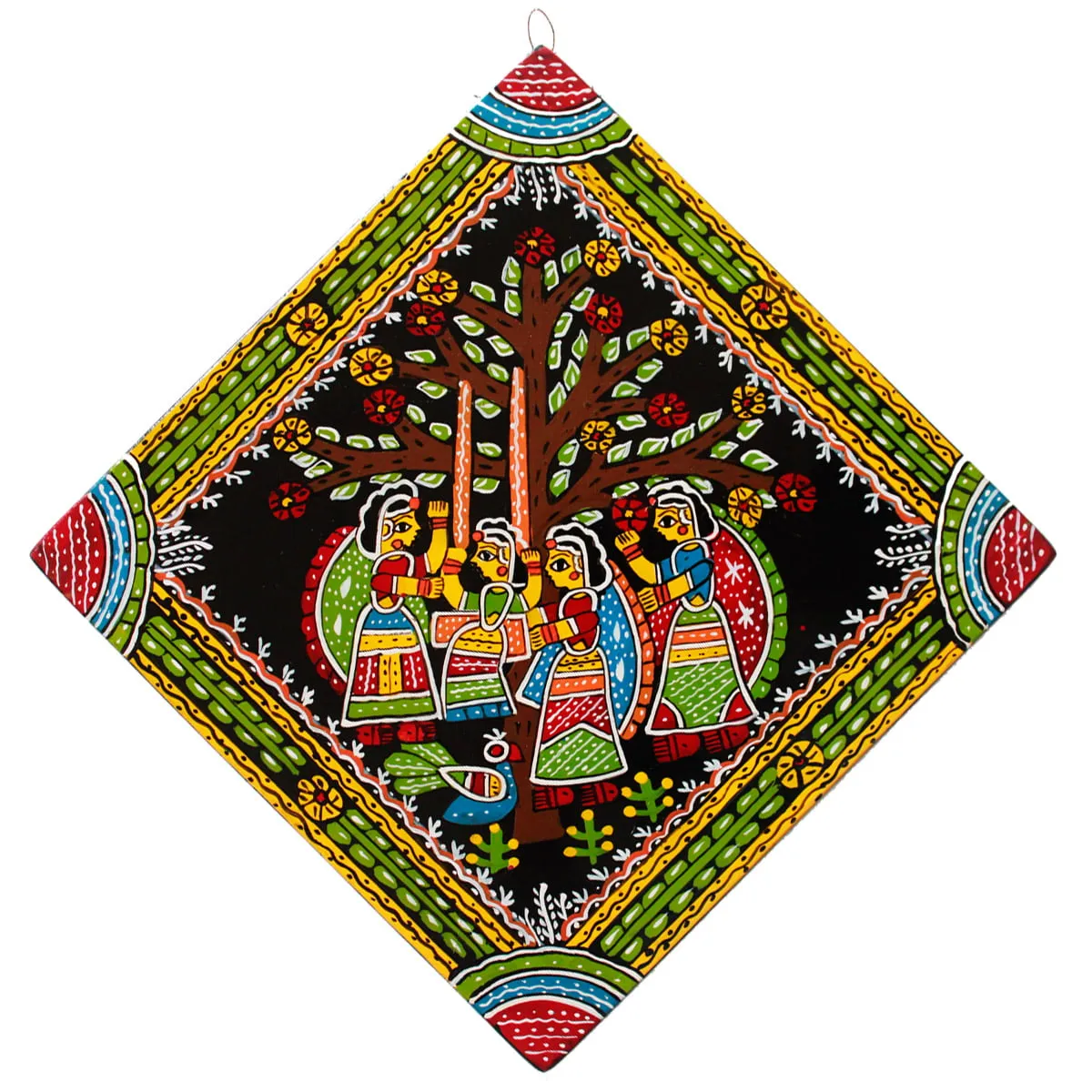
Style: The visual style of tikuli craft is distinctive and consistent across its documented examples. The Rooftop ArtWiki documentation describes the foundational visual principle as one of strong colour contrast: bright colours, specifically yellow, orange, red, and blue, are deployed against a dark, typically black, background, producing an effect of luminous foreground figures against a deep ground. This high-contrast approach reflects both the original glass and gold foil technique, in which the gold created a reflective ground, and the contemporary enamel-on-hardboard technique, in which the polished dark surface of the painted board substitutes for the glass.
Human figures in tikuli art are documented as anatomically simplified but detailed in their facial features, clothing, and jewellery, as described in the Rooftop ArtWiki documentation. The Ar. Abhishek Kumar documentation and the UMSAS documentation both describe the fine linework as a defining characteristic: very thin lines are required for the figures and details, executed with brushes of size 000, which are the finest commercially available brush size. The painting style shows influence from both the Mithila (Madhubani) painting tradition and the Patna Kalam painting school, as noted by multiple sources including the Pravasi Samwad field documentation quoting Biswas directly and the Village Square field documentation.
Central Motifs and Their Significance: The motif vocabulary of tikuli craft is primarily drawn from Hindu religious and mythological iconography. The Krishna Lila cycle is the most frequently documented central theme, encompassing scenes from the life and stories of the deity Krishna. Additional religious figures documented as motifs include Ganesh, Ram, Sita, Hanuman, Durga, and various other Hindu deities, as cited in the Asia InCH Encyclopedia and the Rooftop ArtWiki documentation. Scenes from the Ramayana and Mahabharata are documented by the UMSAS, Ar. Abhishek Kumar, and Rooftop sources as standard thematic content.
Alongside religious subject matter, tikuli craft also depicts scenes from Bihar's rural and ceremonial life: wedding ceremonies, festival celebrations including Holi, village activities, and daily domestic scenes, as documented in the Village Square and itokri.com sources. Decorative motifs including lotus, peacock, trees, vines, flowers, and water bodies are integrated into the compositional field, as documented by the Rooftop ArtWiki and iTokri sources. The peacock, as a symbol of beauty and auspiciousness, is specifically identified as a recurring motif. The lotus carries standard Hindu symbolic associations with purity. Geometric border patterns drawing on the bindu (dot) visual vocabulary of the original tikuli ornament are also documented as compositional elements.
Process: The process of making contemporary tikuli craft is documented in detail in the UMSAS documentation, the Rooftop ArtWiki, the Ar. Abhishek Kumar analysis, and the Better India field report. The process involves approximately fifteen steps, which can be grouped into three phases.
In the first phase, a hardboard or MDF (medium-density fibreboard) sheet is cut into the required shape. Shapes used include circular, rectangular, triangular, and square formats, as documented by the Rooftop and Better India sources. The Bihar Tourism portal and the UMSAS documentation confirm MDF board as the current standard substrate, replacing timber hardboard used in earlier years of the revival period.
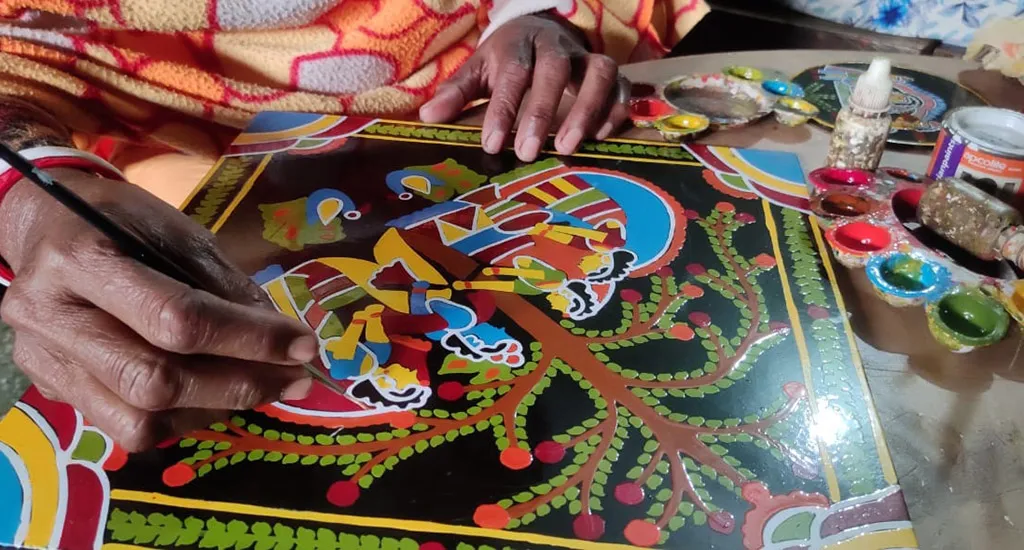
In the second phase, the cut board is coated with enamel paint applied with a brush. Four to five separate coats of enamel are applied, and after each coat the surface is rubbed with sandpaper or water paper until the surface is smooth and polished. The UMSAS documentation states explicitly that when the board becomes shiny and smooth after multiple coats and sandings, it is ready for painting. This repeated application and polishing cycle produces the high-gloss dark surface characteristic of tikuli paintings.
In the third phase, the actual painting is applied to the polished surface using brushes of size 000, described by the UMSAS documentation as the finest size used exclusively in tikuli art. Lines must be thin and precisely executed. The painted composition is completed, and gold foil embellishment may be added to specific elements of the composition, as documented by the Better India source. The traditional method used in the original glass-based tikuli ornament involved melting glass in a furnace, shaping the cooled glass to the required size, applying gold foil, painting figures with natural colours using fine brushes, and applying a final layer of gond (adhesive) on which semi-precious stones were placed, as documented in the Rooftop ArtWiki and Tribal Handcrafts sources.
Mediums Used: In the traditional, pre-modern phase of tikuli craft, the primary substrate was glass produced by melting and blowing a thin sheet, as documented uniformly across the Asia InCH Encyclopedia, the Bihar government portal, the UMSAS documentation, and the Village Square field documentation. Gold and silver foils were used as the decorative covering layer, natural colours were used for painted figures, and gond (adhesive) was used to apply semi-precious stones or crystals as a final embellishment. Brushes were made from sable or squirrel hair, as documented by the Rooftop ArtWiki.
In the contemporary revived form, the substrate is hardboard or MDF board. Enamel paints in primary colours, specifically bright red, cobalt blue, deep green, and yellow, are used for the figure and decorative painting, as documented by the Tribal Handcrafts and Ar. Abhishek Kumar sources. Sandpaper and water paper are used in the preparation process. Size 000 brushes, typically made with sable or squirrel hair, are the painting instrument. Gold foil is retained as an optional embellishment element in contemporary work. The Bihar Tourism portal notes that the basic raw materials for the contemporary form are MDF board and colours.
New Outlook
Tikuli craft entered the mid-twentieth century at near-extinction. The Village Square field documentation quotes Ashok Kumar Sinha, director of the Upendra Maharathi Handicraft Research Institute, as stating that approximately a decade before the 2022 interview, there were only 300, mostly women, artisans active in the craft, and that other practitioners had shifted to other professions due to lack of good income. The revival initiated by Upendra Maharathi in 1954, following his observation of Japanese enamel-on-timber painting during a visit to Japan for a UNESCO International Conference, introduced the hardboard substrate that made the craft commercially viable, as documented across the UMSAS, Ar. Abhishek Kumar, and Pravasi Samwad sources. Maharathi's founding of the Institute of Industrial Designs in 1955, later renamed as the UMSAS, established the institutional infrastructure that continues to support the craft.
Ashok Kumar Biswas and his wife Shibani Biswas are documented across multiple sources as the practitioners most responsible for the post-1974 expansion of tikuli craft as both an art form and a livelihood programme. Biswas received the Guru Shishya Parampara award from the Ministry of Culture, Government of India, in 2022. His training activities are documented as having trained over 7,000 to 8,000 women artisans as of recent accounts in the Pravasi Samwad and Outlook Traveller sources. The Sasha Association for Craft Producers is documented by the Outlook Traveller as having expanded artisans' access to markets in Kolkata, Varanasi, and Patna.
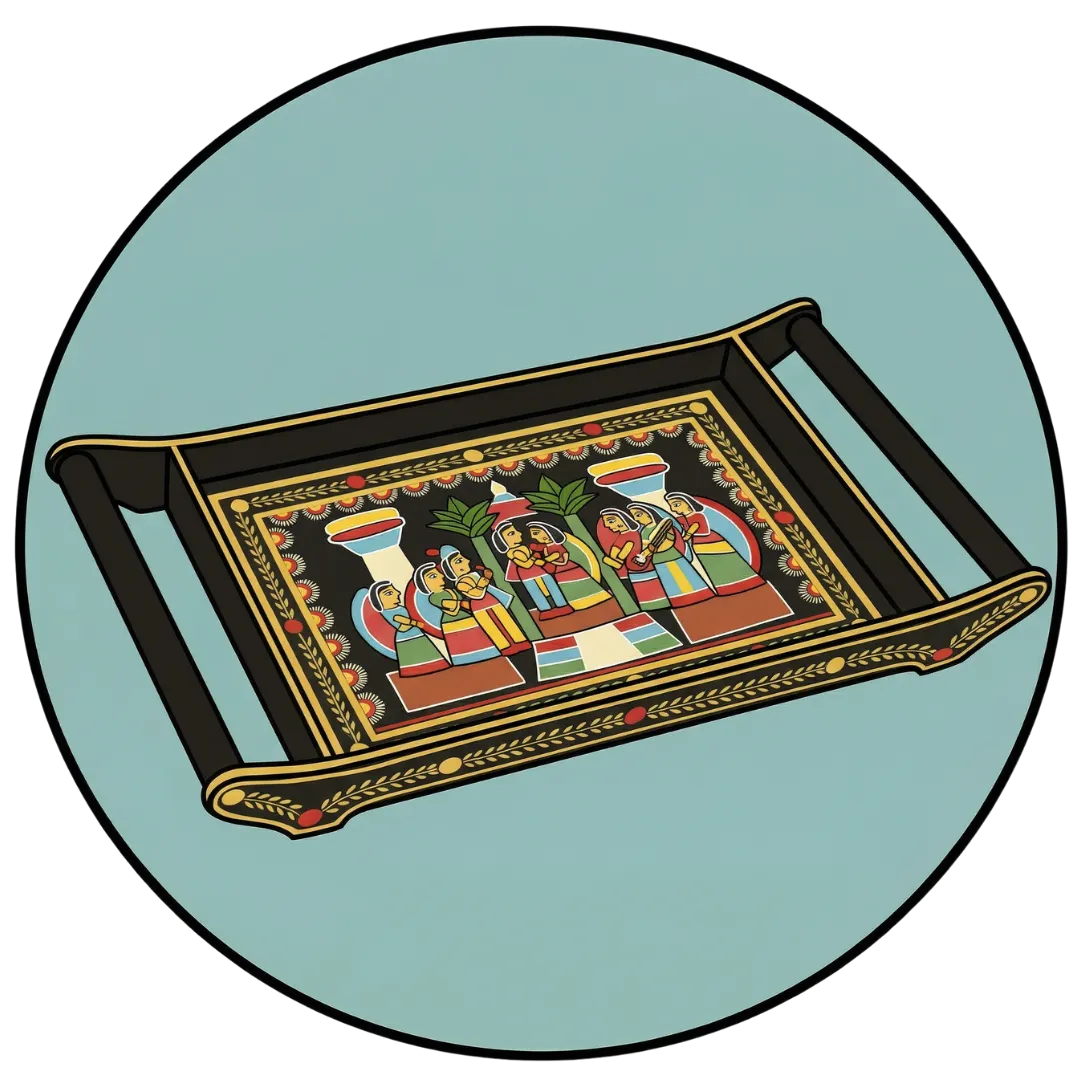
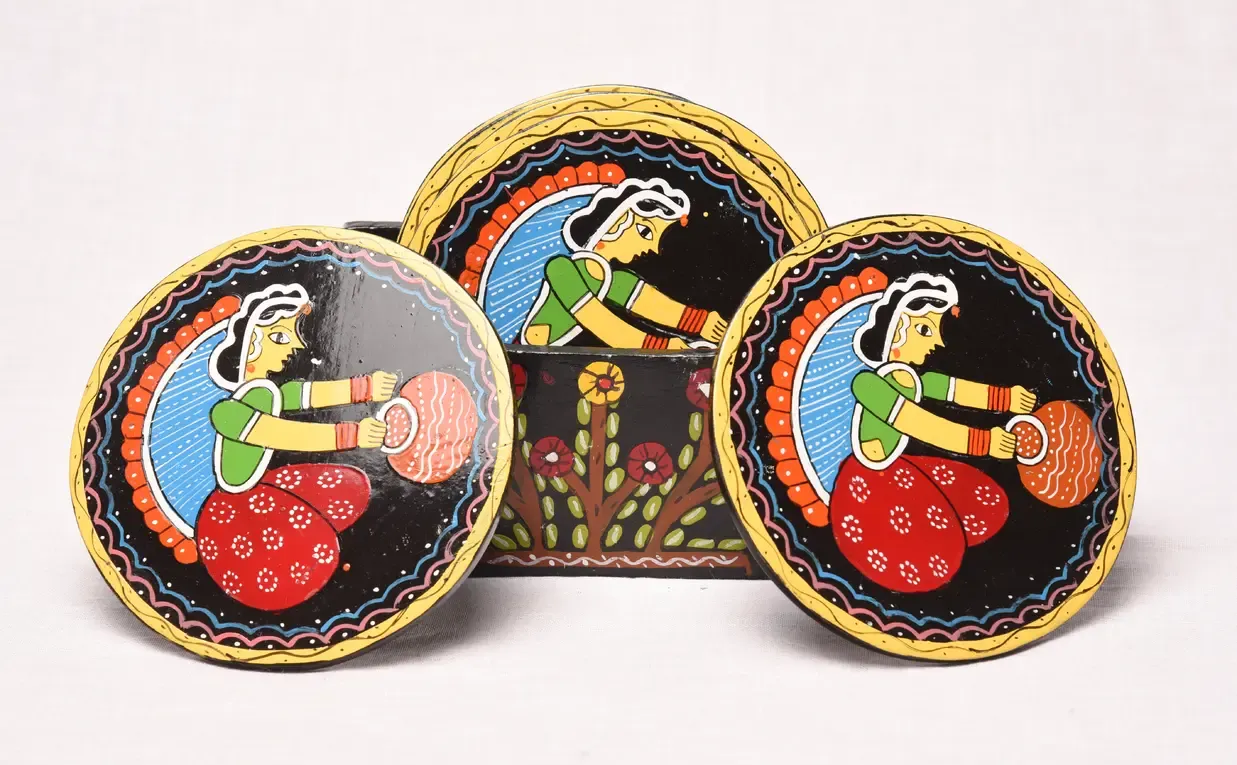
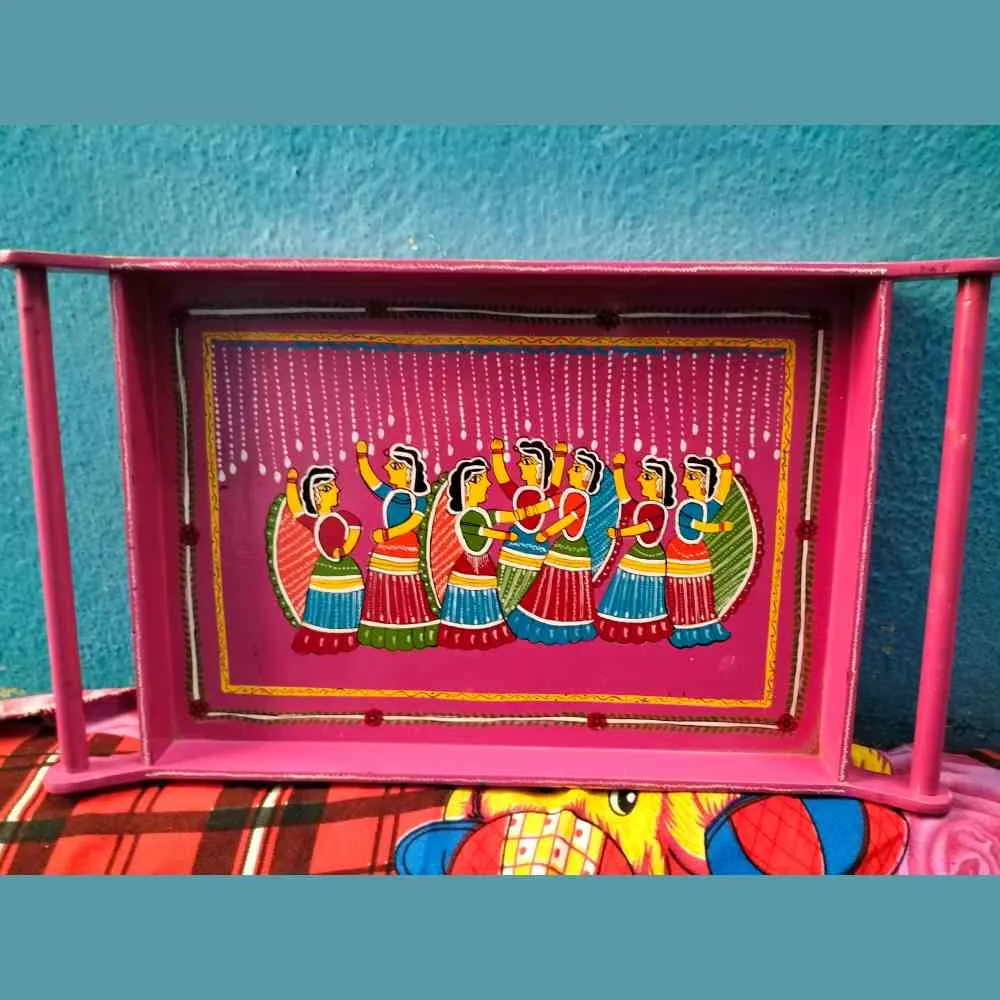
The product range of contemporary tikuli craft has expanded beyond the traditional wall plate and decorative panel to include coasters, table mats, trays, pen stands, mobile stands, earrings, and fabric applications, as documented across the Asia InCH Encyclopedia, the UMSAS documentation, and the Rooftop ArtWiki. The fusion of tikuli technique with Madhubani painting motifs is documented by the Asia InCH Encyclopedia as an additional direction in contemporary production. The Bihar government's 2017 Integrated Development and Promotion of Handicrafts policy included tikuli as a supported craft, and efforts to obtain GI recognition for the craft are currently in process, with the Bihar Museum involved in documentation for the GI application as reported by the Outlook Traveller.
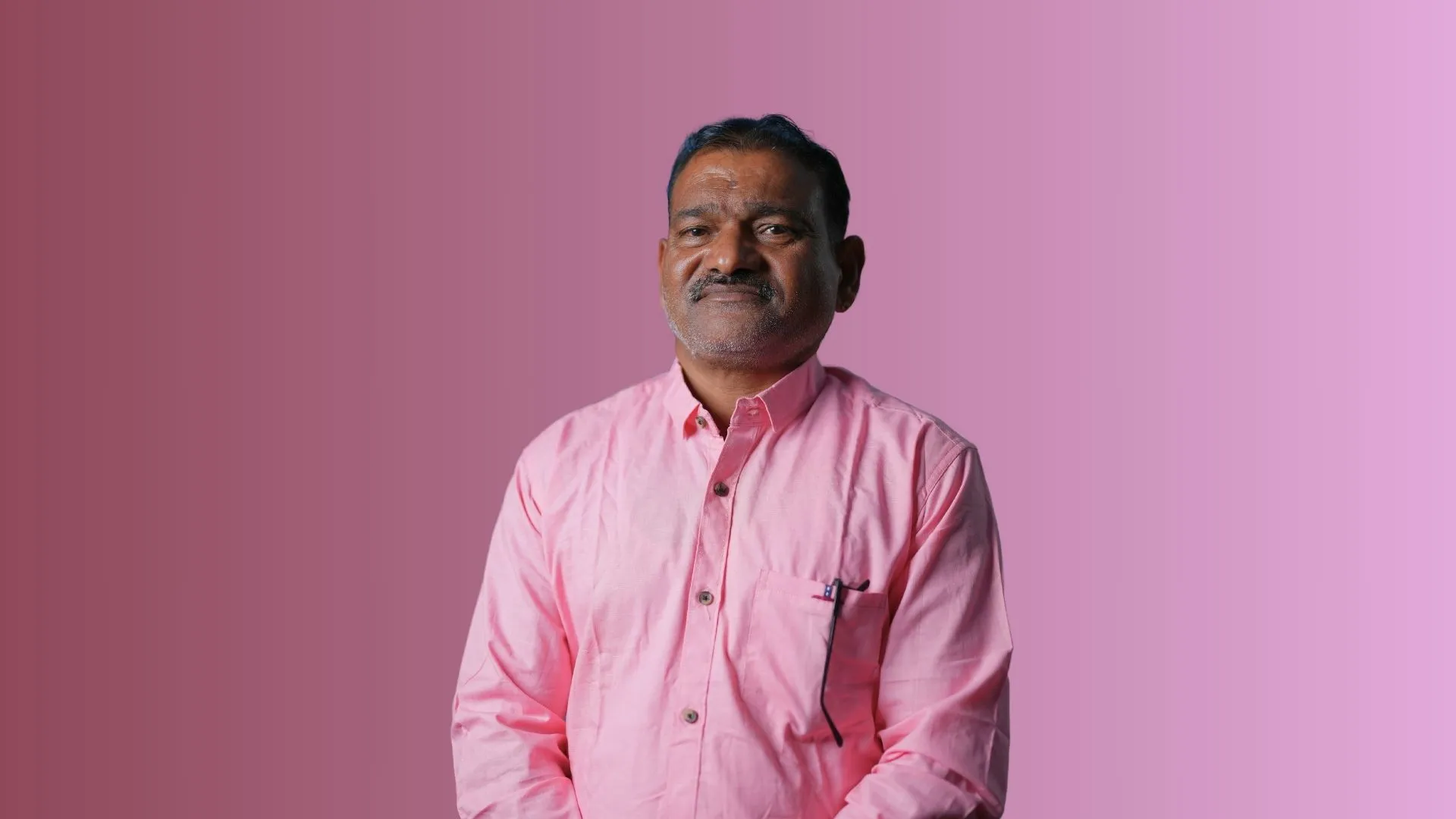
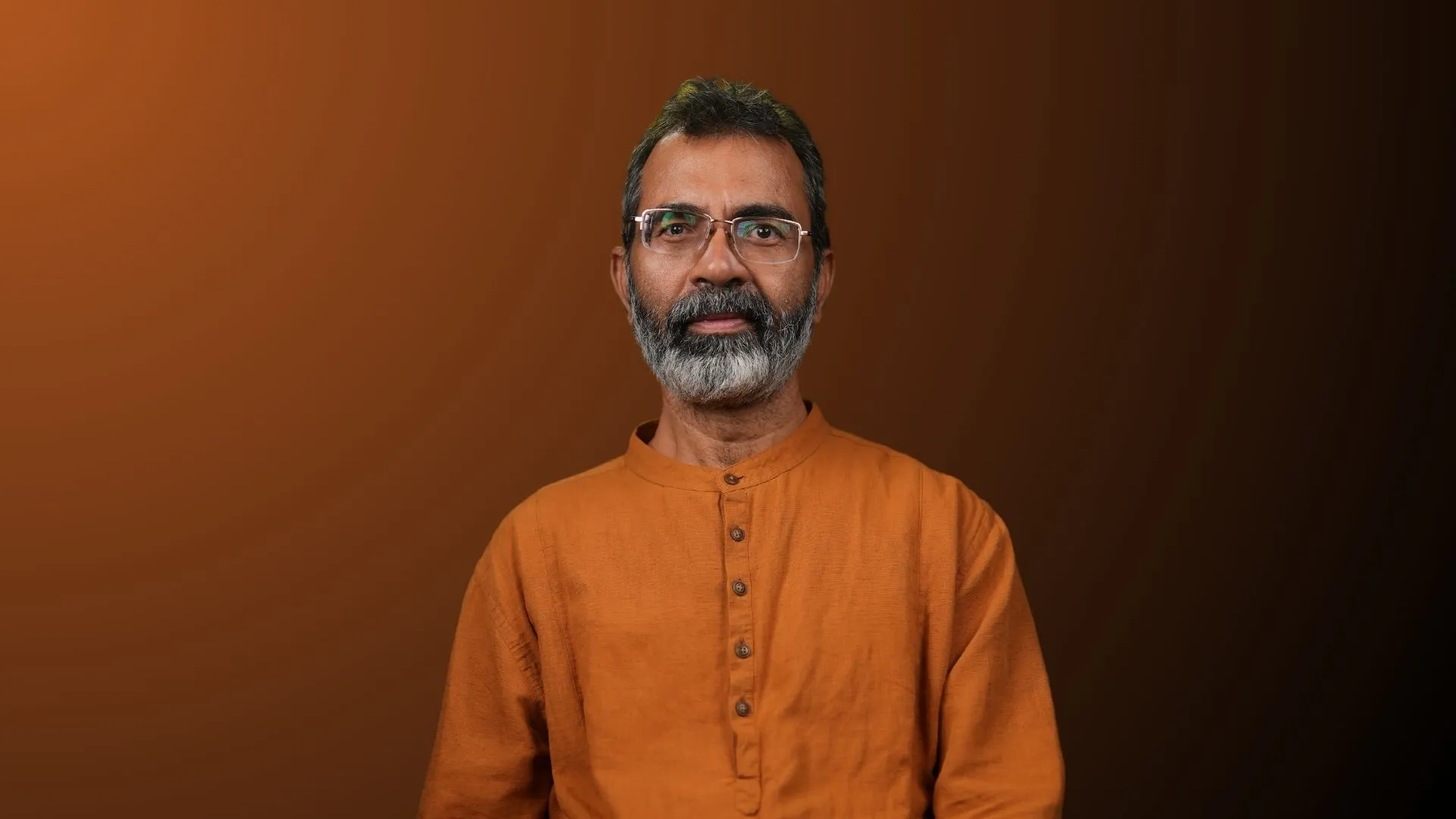
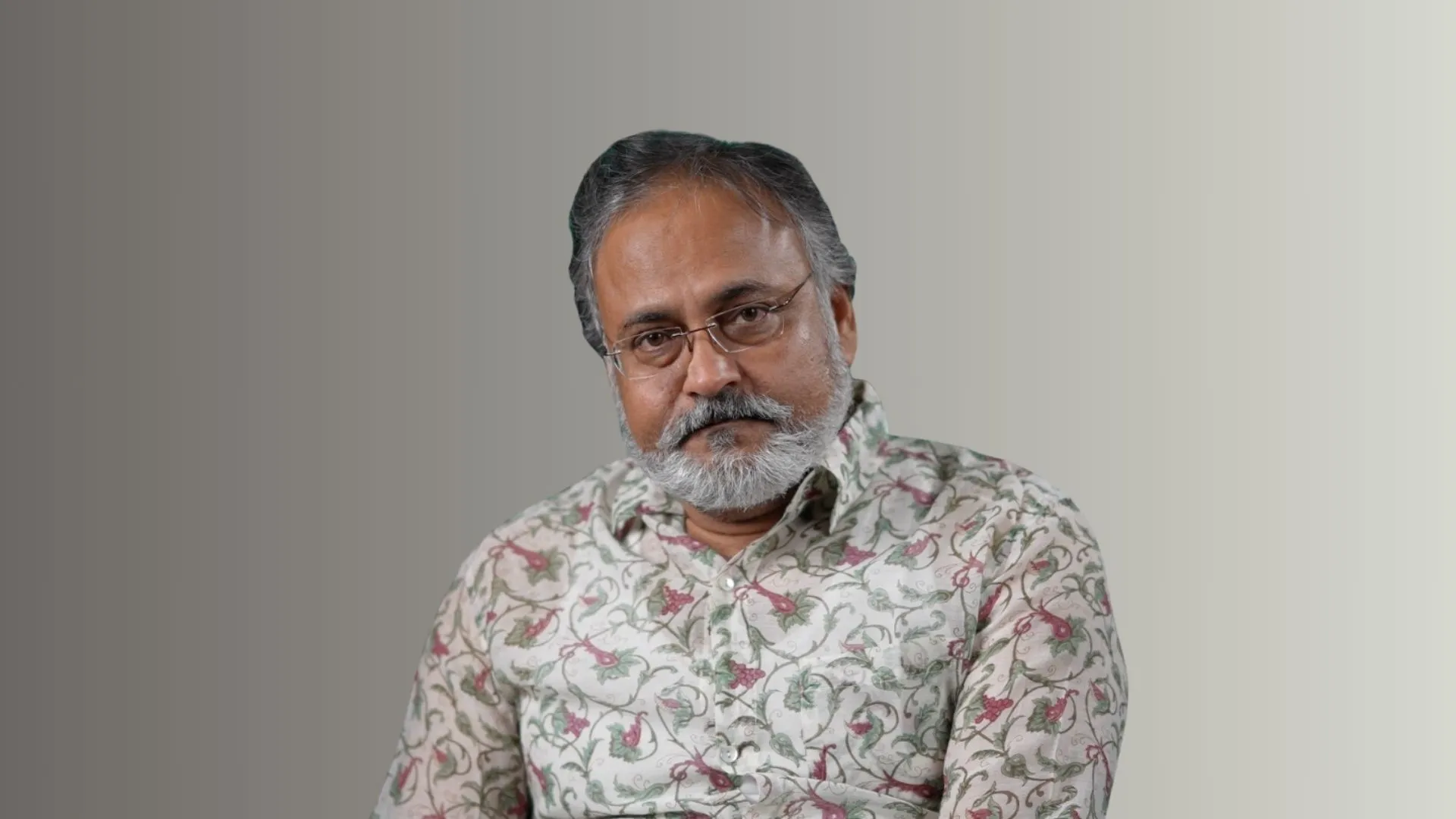
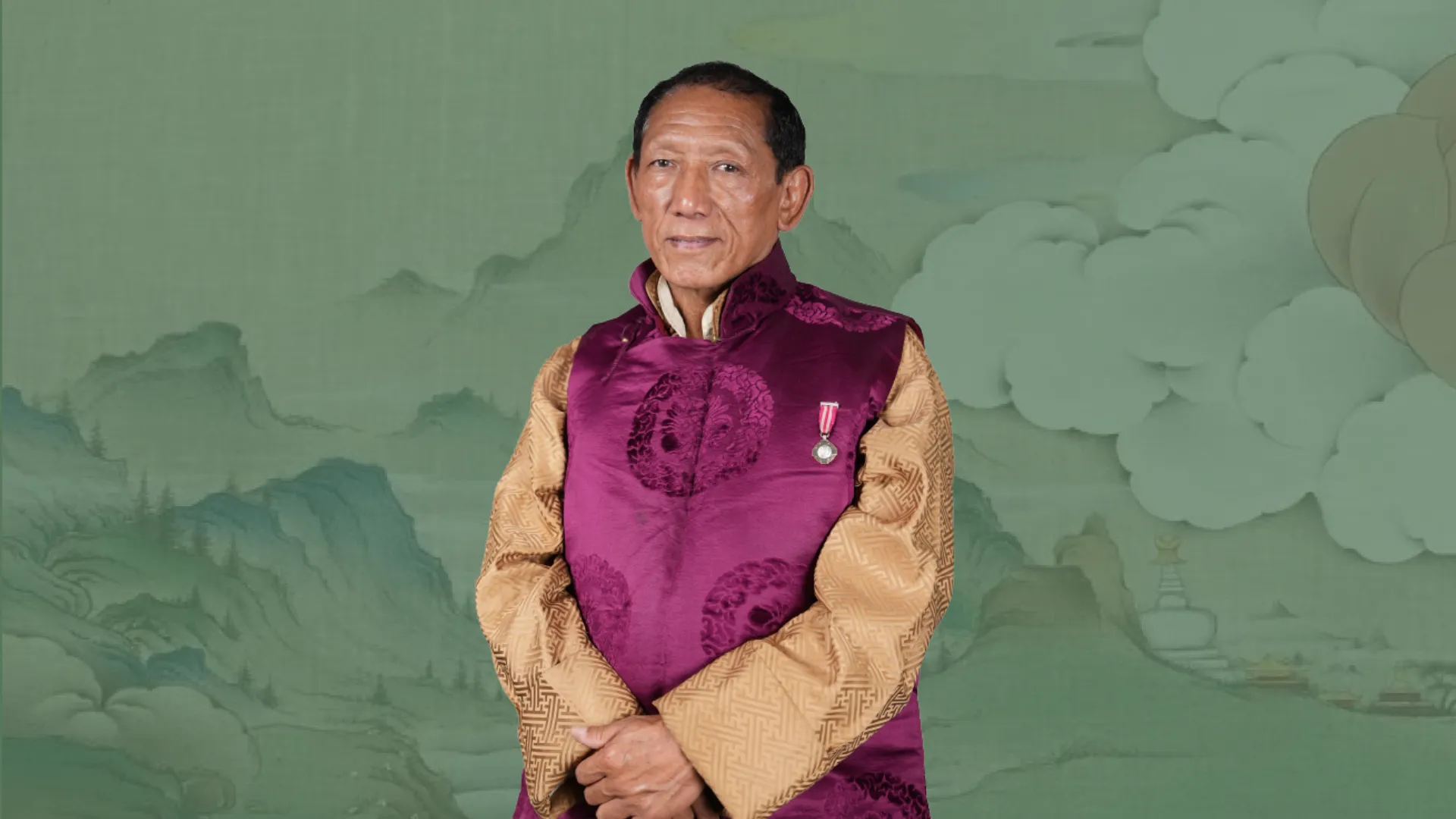
Learn Tikuli Craft

Bibliography
Text Sources
Chattopadhyay, Kamladevi. Handicrafts of India. Indian Council for Cultural Relations, 1975.
Jayakar, Pupul. The Earth Mother: Legends, Ritual Arts, and Goddesses of India. Harper and Row, 1990.
Maharathi, Upendra. Venushilpa. Bihar Rashtrabhasha Parishad, 1961.
Sinha, Ashok Kumar. Bihar ke Kaljai Shilpkar (Classical Artists of Bihar). Upendra Maharathi Shilp Anusandhan Sansthan, 2018.
Internet Sources (for Images)
Sinha, Minal. “Tikuli Art: All You Need to Know.” WordPress, 1 July 2021, https://sinhaminal.wordpress.com/2021/07/01/tikuli-art-all-you-need-to-know/. Accessed on April 22, 2026.
Singh, Gurvinder. “Tikuli Art – Born from Bindis, Seeing Revival.” Village Square, 10 Mar. 2022, https://villagesquare.in/tikuli-art-born-from-women-bindis-seeing-revival/. Accessed on April 22, 2026.
“Tikuli Art: Unveiling the Timeless Legacy of Bihar's Traditional Craft.” Weavehand, 2025, https://www.weavehand.com/blogs/traditional-tikuli-trt. Accessed on April 22, 2026.
“Tikuli Painting.” Bihar Tourism, Government of Bihar, https://tourism.bihar.gov.in/en/experiences/art-and-craft/textiles-and-handicraft/tikuli-painting. Accessed on April 22, 2026.