

Naga Handicraft - The Handicraft Tradition of Nagaland
Explore Nagaland Handicraft, the handicraft tradition of Nagaland, and learn about its origins, techniques, cultural significance, and artistic heritage.
Introduction
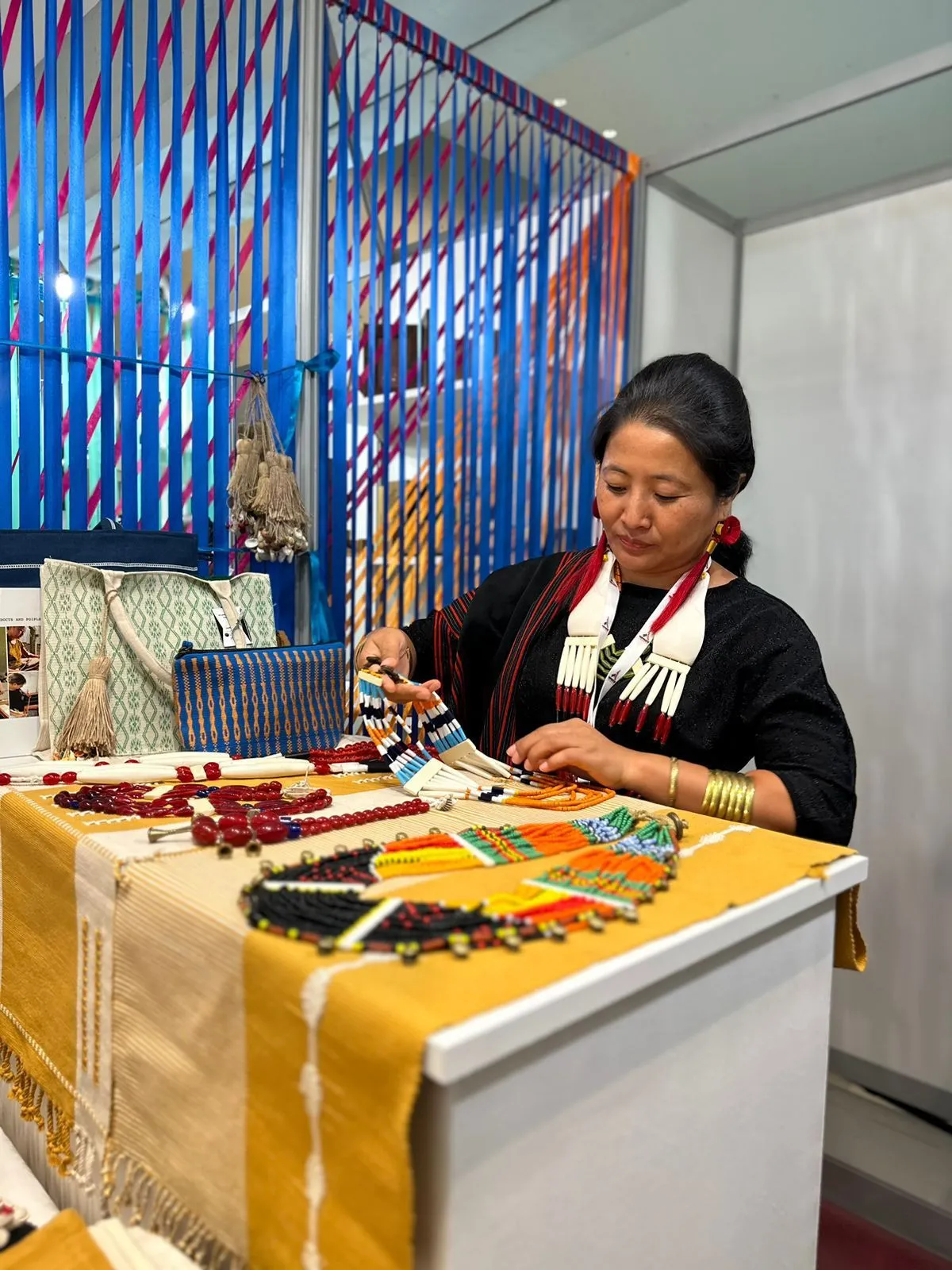
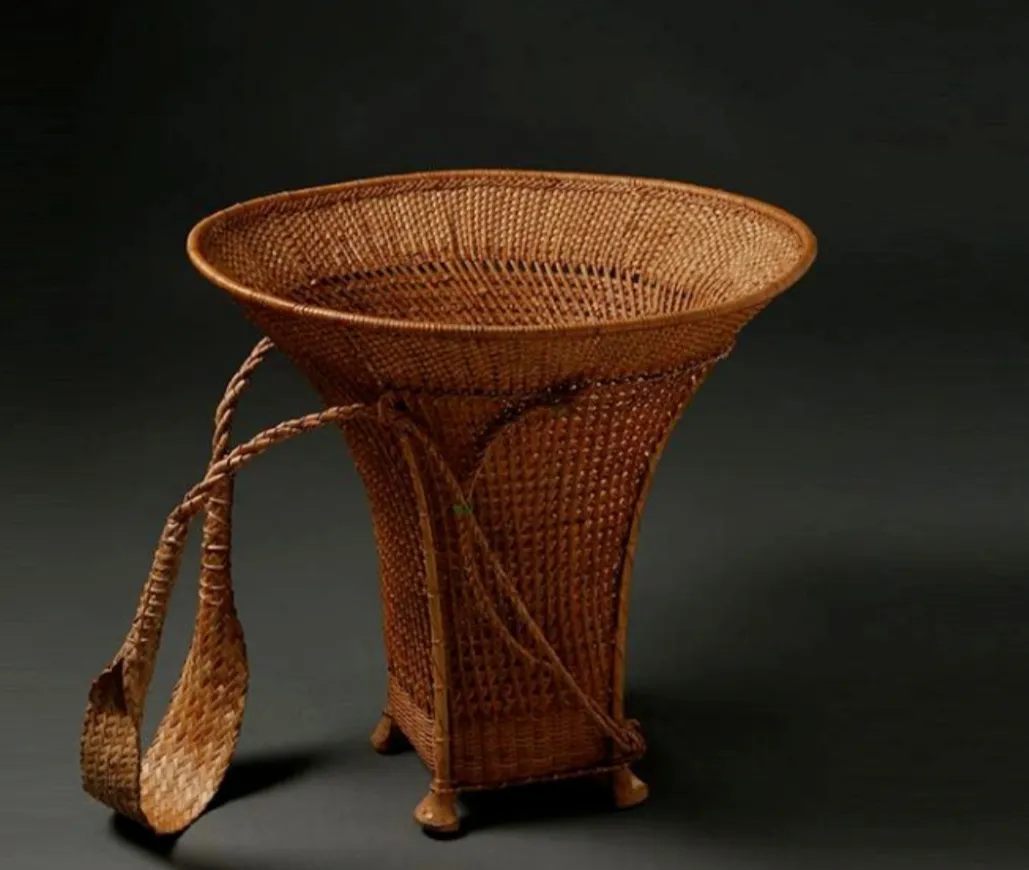
Naga Handicraft encompasses the traditional material culture and craft production of the Naga tribal communities of Nagaland, northeastern India. The most extensively documented Naga craft is textile weaving, particularly the production of shawls with geometric patterns associated with specific tribal identities and social roles. Additional crafts include wood carving (including war-related objects and domestic items), basketry, and metalwork. Naga crafts are deeply embedded in the tribal social systems of the various Naga peoples and represent a tradition maintained primarily through community practice rather than formal craft industry.
Etymology The term Naga refers to the group of indigenous tribal communities inhabiting the Naga Hills on the India-Myanmar border. There is no single etymological origin definitively established for the name Naga; multiple theories exist. Naga handicraft is a collective designation for the crafts of these communities, encompassing diverse traditions across the more than sixteen major Naga tribes, each of which has distinct design vocabularies.
Origin Naga weaving and craft traditions are rooted in the cultural practices of the Naga tribal communities, which have inhabited the Naga Hills for many centuries. The ResearchGate publication on the Art of Naga Tribal Heritage Weaving Culture (2025) documents the weaving traditions. The Census of India publications from 1961 record Naga handicraft practices. Specific dating of the origins of Naga weaving and craft traditions is tied to the pre-colonial cultural practices of Naga communities, which are not precisely documented in historical records but are understood through ethnographic research and community oral tradition.
Location Nagaland, northeastern India. The craft traditions are distributed across the districts of Nagaland, associated with specific tribal communities: Angami, Ao, Sema, Lotha, Sangtam, Chakhesang, Chang, Konyak, Phom, Rengma, Yimchunger, Zeliang, Pochuri, Khiamniungan, and others. The UNESCO documentation of Naga motif weaving in Lao communities (which carry a related tradition) provides comparative reference.
Community Each Naga tribe maintains its own distinct craft tradition, particularly in textiles. The shawls and garments produced by each tribe carry specific motifs, colour combinations, and patterns associated with community membership, gender, age group, and achieved status (particularly warrior status in traditional social systems). The production of traditional textiles is primarily a community and domestic practice, with women being the primary weavers.
Relevance Naga textiles are documented by the Rural Handmade platform as representing significant intangible cultural heritage. The UNESCO documentation of traditional craft of Naga motif weaving in Lao communities (which adopted Naga-influenced weaving) provides institutional recognition of the motif tradition's significance. Naga handicrafts feature in national-level exhibitions and craft promotions through the Development Commissioner (Handicrafts) and state bodies.
History
Background The history of Naga craft traditions is embedded in the broader history of Naga communities, which remained outside the mainstream of Indian and Southeast Asian political history until the colonial period. The British colonial administration documented Naga customs and material culture, and these records provide some historical baseline for craft practices in the 19th and early 20th centuries. The 1961 Census of India (Handicrafts volume, document 48626) contains documentation of Naga handicraft practices. Post-independence, Nagaland state has worked to preserve and promote Naga crafts through the Nagaland Handloom and Handicrafts Development Corporation and related bodies.
Culture and Societies Naga shawls and garments function as social markers within tribal communities. Specific shawls are associated with men of warrior status, with elders, with women of specific social roles, and with ceremonial contexts. The production and wearing of these textiles is integrated into the social system of Naga communities. The DSouce.in case study on Kraftemporary documents contemporary Naga craft initiatives.
Religious Significance Traditional Naga religious practices (animism) were associated with specific material objects including certain categories of textiles, wood carvings, and weapons. Head-hunting traditions, now ceased, were connected to specific textile status markers. With widespread conversion to Christianity among Naga communities from the late 19th century onward, the ritual religious function of traditional material culture has changed significantly. Contemporary craft production primarily serves cultural identity and economic purposes rather than traditional religious ritual functions.
Understanding the Art
Style Naga textiles are characterised by bold geometric patterns in strongly contrasting colours, typically black, red, and white, with specific colour combinations and motif arrangements marking tribal identity. The weaving uses the backstrap loom technique. Motifs are integrated into the weave structure rather than embroidered or applied.
Central Motifs and Their Significance Naga weaving motifs are highly codified social markers. Specific motifs are associated with warrior achievement, elder status, gender, and tribal membership. The angami shawl, for example, carries specific patterns indicating the wearer's status. The Ao Naga shawl has distinct colour bands indicating male or female identity and social rank. These associations are documented in ethnographic literature and UNESCO records.
Process Naga textiles are woven on backstrap looms using cotton yarn, which was traditionally spun locally. The weaving is done by women in domestic settings. The geometric patterns are created by manipulating the warp and weft during weaving rather than through post-weave decoration. Dyeing of yarn precedes weaving; traditional dyes were derived from plants and other natural sources.
Mediums Used Primary materials are cotton yarn (and in some cases silk). Traditional dyes were plant-based; contemporary production may use commercial dyes. The backstrap loom is the primary production tool.
New Outlook
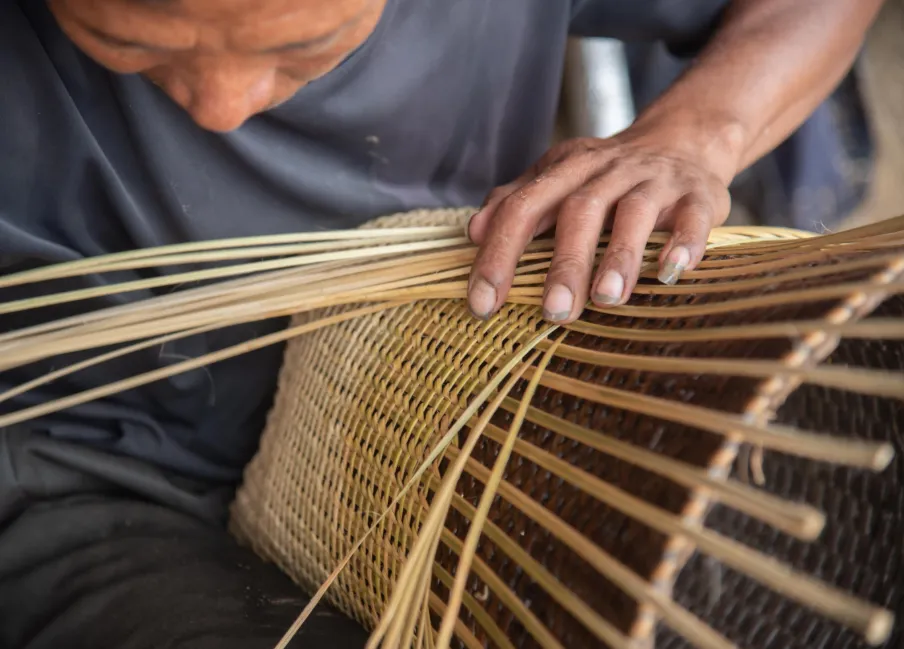
Naga handicraft is classified as endangered. The primary threat is the decline in the number of practitioners, particularly of traditional backstrap loom weaving. Commercial production of Naga-style textiles on power looms threatens the market for handwoven products. Cultural revival initiatives and government support programmes work to sustain the tradition.
Learn Naga Crafts



Bibliography
Source
Census of India. Handicrafts. 1961, Document 48626, National Data Archive of India.
“The Art of Naga Tribal Heritage Weaving Culture.” ResearchGate, 2025, researchgate.net. Accessed 2 May 2026.
“Kraftemporary: Case Study on Naga Craft.” DSource.in, Indian Institute of Technology Bombay, dsource.in. Accessed 2 May 2026.
Image Sources
Dey, Sohini. “Made in Nagaland: 10 Craft Labels That Spotlight the State’s Design Heritage.” Condé Nast Traveller India, 8 Nov. 2024, www.cntraveller.in/story/made-in-nagaland-craft-labels/. Accessed on May 02, 2026.
Dhama, Manika. “Treasures from Nagaland.” Jaypore Blog, 20 Jan. 2015, blog.jaypore.com/2015/01/20/treasures-from-nagaland/. Accessed on May 02, 2026.
“Nagaland’s Handwoven Tribal Textile Heritage.” Rural Handmade, 29 Aug. 2024, ruralhandmade.com/blog/nagaland-s-handwoven-tribal-textile-heritage. Accessed on May 02, 2026.