
Kuchipudi Folk - The Folk Dance Tradition of Andhra Pradesh
Explore Andhra Pradesh's Kuchipudi Folk dance and learn about its origin, traditions and significance !
Introduction
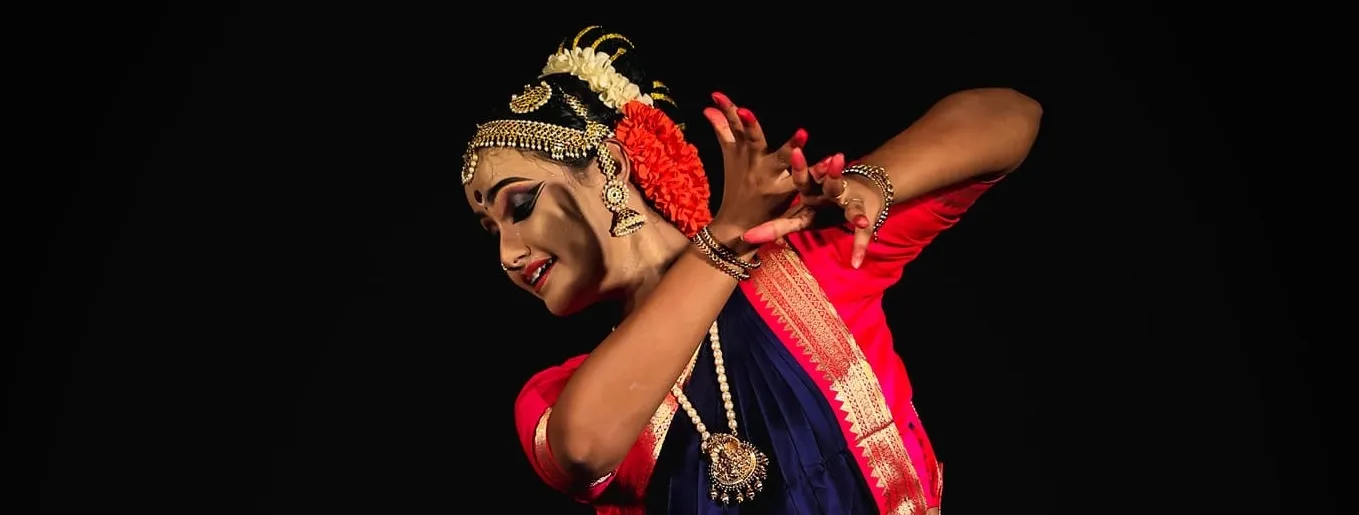
Kuchipudi Folk refers to the folk-rooted performance traditions of the Kuchipudi village in Krishna district of Andhra Pradesh that predate or exist alongside the codified classical Kuchipudi dance form. These include the Bhagavata Mela Natakam tradition, itinerant performance troupes, and village-level dance-drama practices that share the same geographic origin as classical Kuchipudi but are distinguished by their informal transmission, community-based performance contexts, and less systematic technical vocabulary. The Kuchipudi village (historically Kuchelapuram or Kuchilapuri) has been a centre of dance-drama in the Telugu-speaking region since at least the 17th century.
Note: Academic and institutional sources draw a clear distinction between classical Kuchipudi (recognised by the Sangeet Natak Akademi as one of the eight classical dance forms of India) and the folk-level performance traditions of the same region. This article documents the folk dimension of the tradition. For the classical form, a separate ArtWiki entry exists.
**
Etymology The name Kuchipudi derives from the village of Kuchipudi (a shortened form of Kuchelapuram or Kuchilapuri) in Krishna district of Andhra Pradesh. The Sanskrit roots of Kuchilapuri are Kusilava (a wandering bard, actor, dancer, or newsmonger in Sanskrit) combined with puram (town or settlement). The Kusilava community historically comprised itinerant performers who conveyed stories from the epics through song, dance, and dramatic enactment. The folk performance traditions of the Kuchipudi region are therefore etymologically inseparable from this hereditary community of performing artists.
Origin The Kuchipudi village has documented associations with Brahmin male performance troupes (Brahmin Melas) dating to at least the 10th century, as evidenced in copper plate inscriptions referencing Shaivite dance dramas. The classical Kuchipudi tradition was systematised in the 17th century by Siddhendra Yogi under the influence of Tirtha Narayanayati, but village-level and itinerant performance practices associated with Bhagavata Mela and related traditions predate this formalisation. The 15th-century text Machupalli Kaifat references performance activities in the Kuchipudi region. Following the fall of the Vijayanagara Empire around 1565, approximately 500 Kuchipudi artist families migrated south to Tanjore under the patronage of Achyutappa Nayak, while those who remained in the Kuchipudi village continued village-level performance traditions that constituted the ongoing folk dimension of the form.
Location The Kuchipudi village in Krishna district, Andhra Pradesh, is the epicentre of these traditions. Folk performance practices associated with Kuchipudi are found across the Krishna, Guntur, and East Godavari districts of Andhra Pradesh, reflecting the broader distribution of the Telugu-speaking Brahmin community that traditionally maintained these performance lineages.
Community The performing community consists primarily of Brahmin families of the Kuchipudi village, who were historically obligated by a royal grant from Qutb Shahi Sultan Abul Hasan Tana Shah in 1678 to maintain performance traditions in exchange for land. These families maintained the tradition as hereditary male performers into the 20th century, when formal training was opened to women and non-Brahmin students by gurus including Vedantam Lakshminarayana Sastri. At the village level, performance troupes maintain community-based formats that include Bhagavata Mela performances combining song, dance, and dramatic enactment within a single unified performance structure.
Relevance Kuchipudi Folk is significant as the living community base from which the classical Kuchipudi form developed. The village performance traditions preserve aspects of the dance-drama format, the integration of song and dialogue with dance, and the Vaishnavite devotional repertoire in forms that are less formally codified than classical Kuchipudi. These folk forms represent the participatory and community-embedded dimension of a tradition that has produced one of India's major classical dance forms.
History
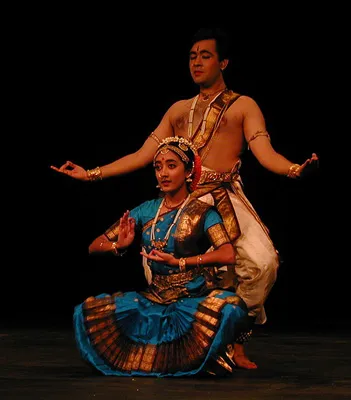
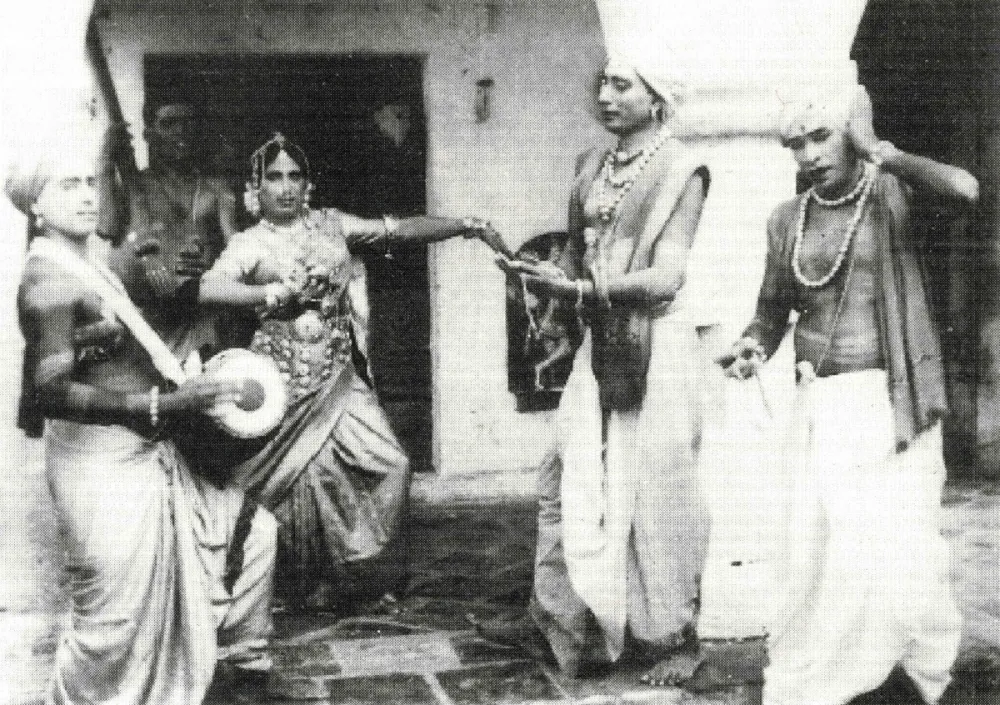
Background The Bhagavata Mela Natakam tradition, practised in Kuchipudi and in related communities in Tamil Nadu (particularly Melattur), represents the folk-classical interface of the regional tradition. In this tradition, dance-dramas based on the Bhagavata Purana and other Puranic sources are performed by hereditary troupes, typically over multiple nights, with individual performers specialising in specific character types. The performances integrate spoken dialogue, singing in Sanskrit and Telugu, and stylised dance movement. Unlike the solo recital format of classical Kuchipudi (which was systematised for the proscenium stage in the 20th century by Vempati Chinna Satyam), Bhagavata Mela performances retain the theatrical ensemble format.
Culture and Societies The Kuchipudi village Brahmin performance community has maintained annual performance cycles tied to the religious calendar. The Kalapam (the abhinaya play centred on Satyabhama's complaint to Krishna, Bhama Kalapam) attributed to Siddhendra Yogi remains a central text in both classical and folk performance contexts. Village-level performances continue to be organised as devotional offerings during temple festivals, maintaining the tradition's ritual function. The designation of several families in the village as hereditary custodians of specific character roles and compositional rights has created a finely differentiated system of artistic lineage within the community.
Religious Significance Kuchipudi Folk performance is rooted in Vaishnavite tradition, specifically in devotion to Krishna. The performance of Bhagavata Mela is understood as an act of worship (aradhana), and the performers undergo ritual preparations before enacting divine characters. The tradition of Stri Vesham (male performers in female roles, particularly as female characters in the Bhama Kalapam) has religious as well as performative dimensions, as the male dancer temporarily assumes the identity of Satyabhama, a consort of Krishna, as an act of devotional identification.
Understanding the Art
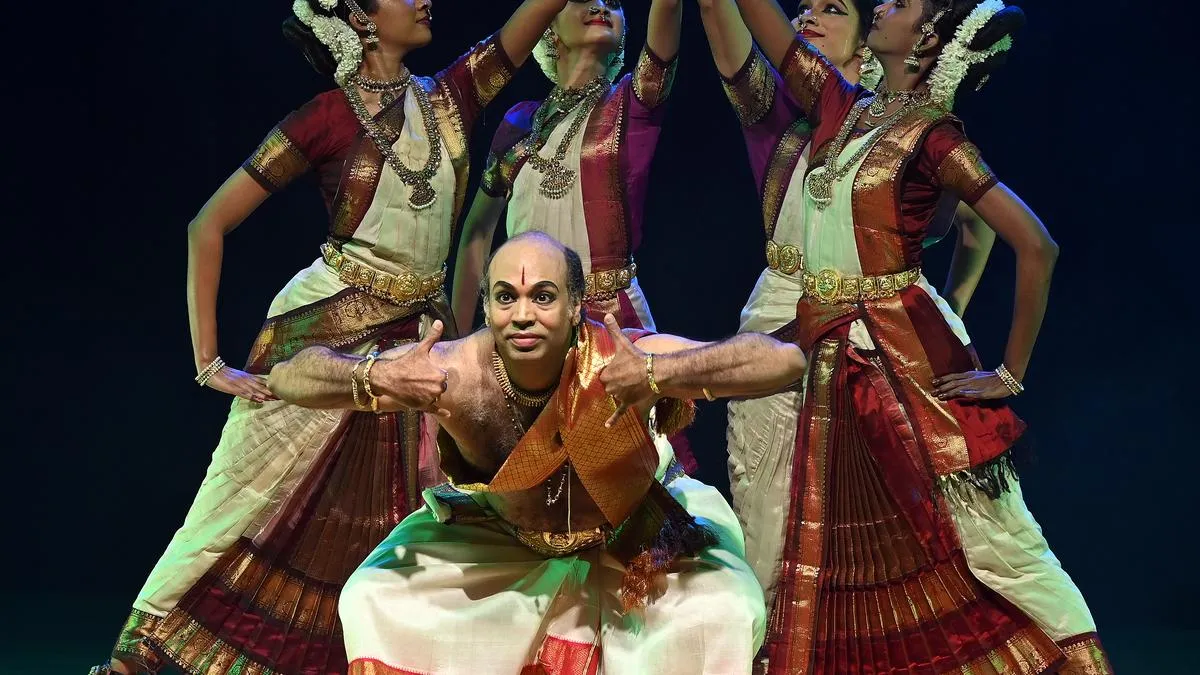
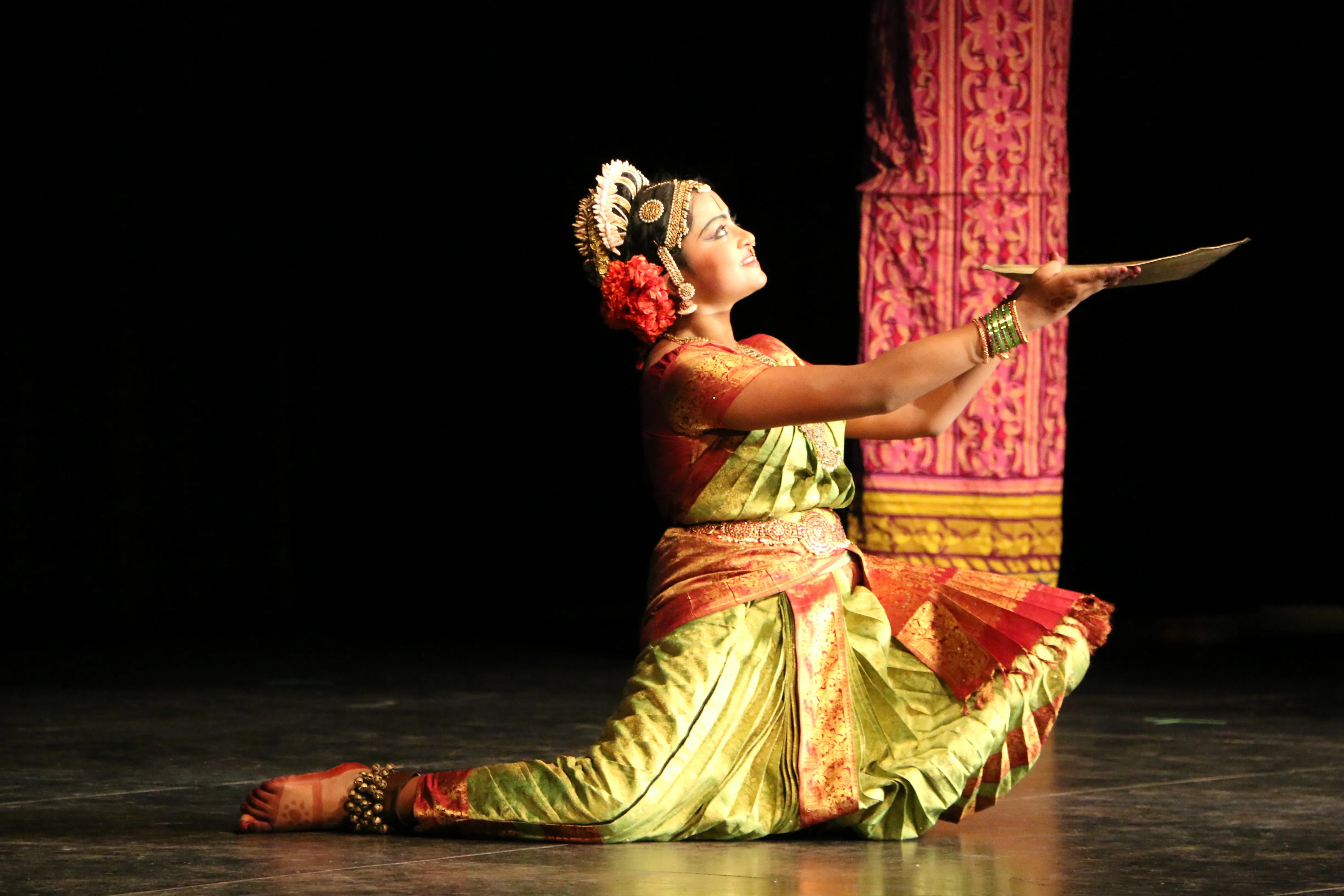
Style Kuchipudi Folk performance in the Bhagavata Mela format integrates nritta (pure dance), nritya (expressive dance), natya (dramatic acting), and sangeeta (music and song) within a single performance. Spoken dialogue in Telugu and Sanskrit alternates with sung compositions and danced sequences. The style draws on the same movement vocabulary as classical Kuchipudi (including the Tarangam, in which a performer balances on the rim of a brass plate), but the integration of theatrical elements is more foregrounded in folk performance contexts. The rhythmic structure is based on Carnatic music, using mridangam as the primary percussion, with violin, flute, cymbals, and tambura as additional accompaniment.
Central Motifs and Their Significance The primary narrative source is the Bhagavata Purana, particularly the stories of Krishna's childhood (Bal Leela), his encounters with gopas and gopis, and the Bhama Kalapam narrative of Satyabhama's relationship with Krishna. The character of Satyabhama, portrayed in abhinaya that expresses the eight moods of the heroine (ashtanayika), is central to the folk performance repertoire. Sri Krishna Leela Tarangini by Tirtha Narayanayati (comprising 302 shlokas, 153 songs, and 31 choornikas) is a key text in the village repertoire.
Process Training within the village community follows the guru-shishya tradition, with young boys historically trained from childhood under the senior males of the performing families. The training covers both the technical dance vocabulary and the dramatic and vocal components required for full Bhagavata Mela performances. Formal certification is not part of the traditional system, though contemporary performance academies in the region have introduced structured curricula for the classical form.
Mediums Used Performances take place outdoors on temporary stages (ranga sthali) adjacent to temples, or on permanent temple stages. The stage is typically oriented with the temple to the north or east, maintaining the ritual orientation of the performance. Costumes include elaborate character-specific attire drawing on the visual tradition of the region, including distinctive headgear (kiritam), jewellery, and makeup systems derived from both classical Kuchipudi and regional folk aesthetics.
New Outlook
The Kuchipudi village folk traditions are subject to the same pressures facing many specialised hereditary performance communities: declining numbers of young male performers willing to undertake the long training, shifting economics that have reduced village-level patronage, and competition from recorded media and commercial entertainment. Some families have diversified into classical Kuchipudi teaching for a broader student base, which helps sustain economic viability while maintaining the broader tradition. Documentation efforts by scholars including Putcha (2011) and institutions including the Sangeet Natak Akademi have begun to record and archive village-level performance practices.
Learn Kuchipudi Folk
Bibliography
Sources
Kothari, Sunil, editor. Kuchipudi: Indian Classical Dance Art. Abhinav Publications, 2001.
Putcha, Rumya Sree. The Classical in the Vernacular: Dance, Identity, and the Politics of Tradition in Kuchipudi. PhD diss., University of Chicago, 2011.
Samson, Leela. Rhythm in Joy: Classical Dance Traditions of India. Lustre Press, 1987.
Vatsyayan, Kapila. Indian Classical Dance. Ministry of Information and Broadcasting, Government of India, 1974.
Image Sources
“File: Kuchipudi Dancer, Nitya Yelamanchili, Tarangam.jpg.” Wikipedia, https://en.wikipedia.org/wiki/File:Kuchipudi_Dancer,_Nitya_Yelamanchili,_Tarangam.jpg. Accessed 3 July 2026.
Harsha, Prahladh. “A Short Description of Kuchipudi.” Tata Institute of Fundamental Research, https://www.tcs.tifr.res.in/~prahladh/kuchipudi/. Accessed 3 July 2026.
“Jaikishore Mosalikanti Presents a Lively Tapestry of Music and Movement.” The Hindu, https://www.thehindu.com/entertainment/dance/jaikishore-mosalikanti-presents-a-lively-tapestry-of-music-and-movement/article69127390.ece. Accessed 3 July 2026.
“Kuchipudi.” iPassio Wiki, https://www.ipassio.com/wiki/dance/indian-classical-dance/kuchipudi. Accessed 3 July 2026.
“Kuchipudi.” Sahapedia, http://www.sahapedia.org/kuchipudi-0. Accessed 3 July 2026.
“Kuchipudi: Graceful Narratives in Motion.” Serenade Magazine, https://serenademagazine.com/kuchipudi-graceful-narratives-in-motion/. Accessed 3 July 2026.