

Coconut Shell Craft - The Handicraft Tradition of Kerala
Explore Coconut Shell Craft, the handicraft tradition of Kerala, and learn about its origins, techniques, cultural significance, and artistic heritage.
Introduction
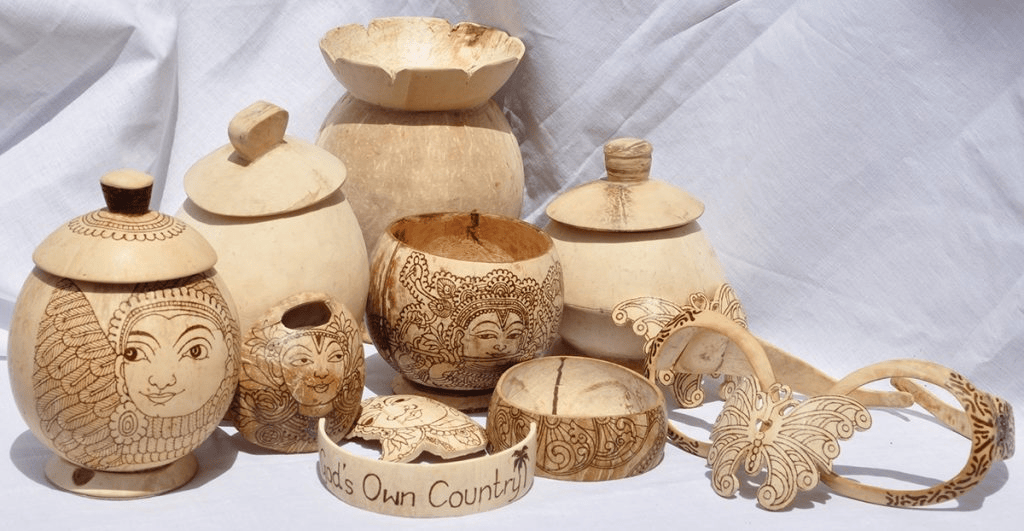
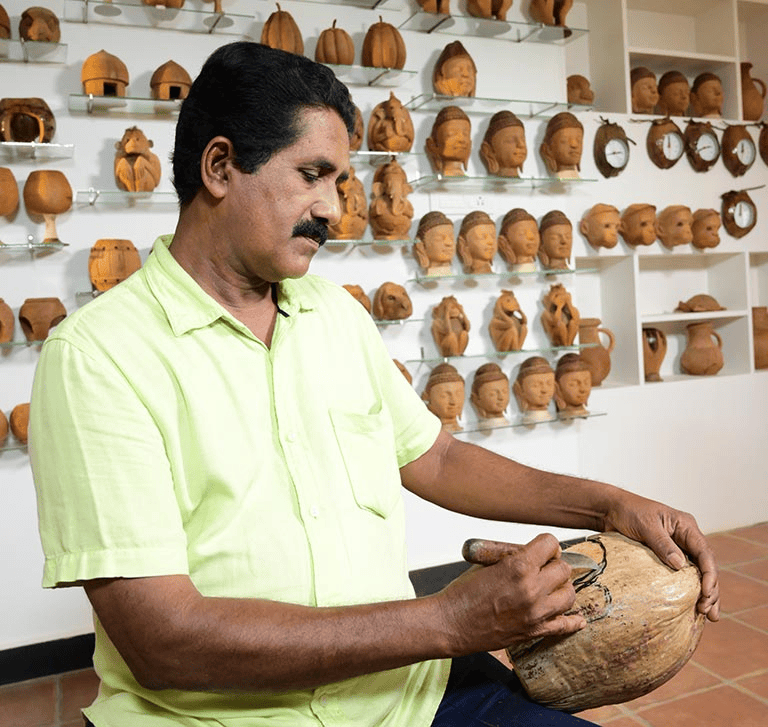
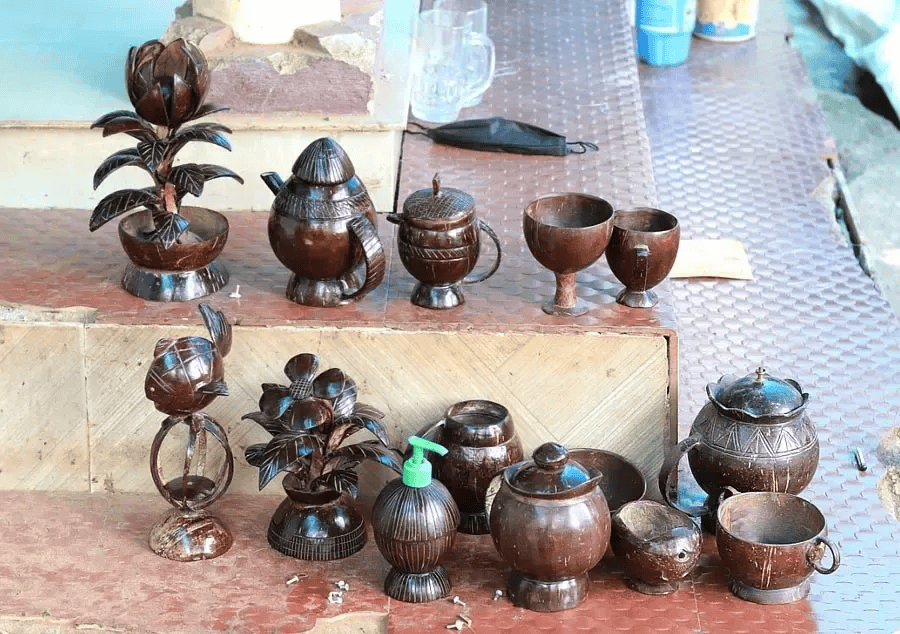
Coconut shell craft is a traditional craft tradition in Kerala involving the use of discarded coconut shells as a medium for producing decorative and utilitarian objects. The craft is practised in various parts of Kerala, with a noted cluster in the Wayanad district. Objects produced include bowls, spoons, ladles, jewellery, decorative panels, and figurines. Coconut shell craft represents a sustainable material practice, using a byproduct of Kerala's extensive coconut cultivation. Formal academic documentation of this craft is limited, and the following entry is scoped to verified available sources.
Etymology The craft is identified by a descriptive designation referencing its primary material. In Malayalam, the coconut is known as thengu or tenga, and the craft is sometimes referenced by terms relating to coconut shell work.
Origin Kerala's coconut palm cultivation has historically produced shell waste as a byproduct of coconut processing. Artisans in coastal and forest communities developed techniques to craft these shells into functional and decorative objects. The Wayanad district cluster has been specifically documented by Gaatha.org as a centre for coconut shell craft in Kerala.
Location Kerala, with particular concentration documented in Wayanad district. Coconut shell craft is also practised in coastal communities across Kerala where coconut processing is a common activity.
Community The craft is practised by artisan communities associated with forest and agrarian areas where coconut cultivation is prevalent. Detailed documentation of specific community profiles is limited in available sources.
Relevance The craft contributes to waste reduction by utilising coconut shell, which would otherwise be discarded. It provides supplementary livelihood for artisans in rural Kerala. The craft is documented at the Vastra Shilpa Kosha (Ministry of Textiles, Government of India) database under the category of shell crafts.
Shop Coconut Shell Craft Products
View all →
Birds Playing with Barasingha
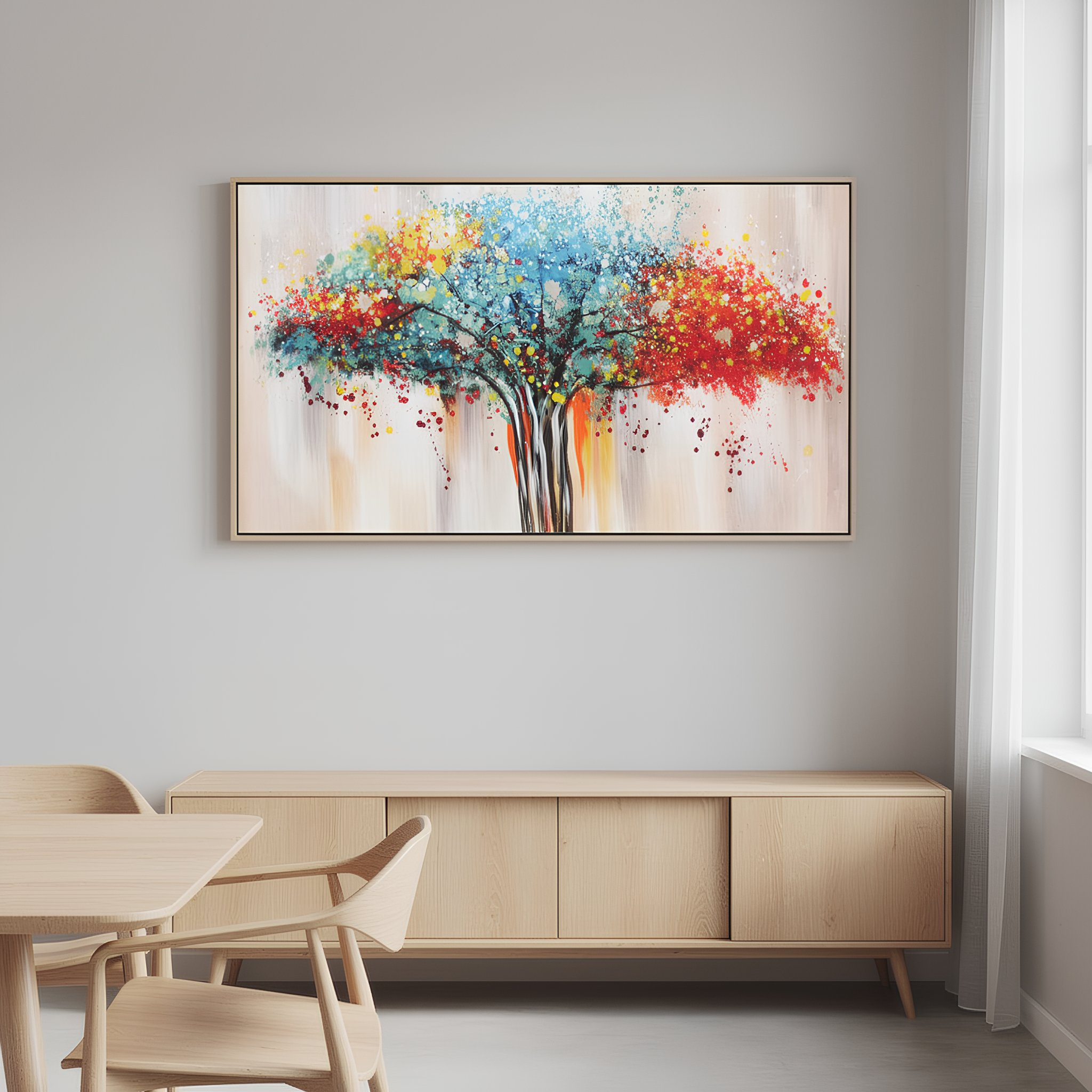
Handmade Abstract Tree Canvas Painting
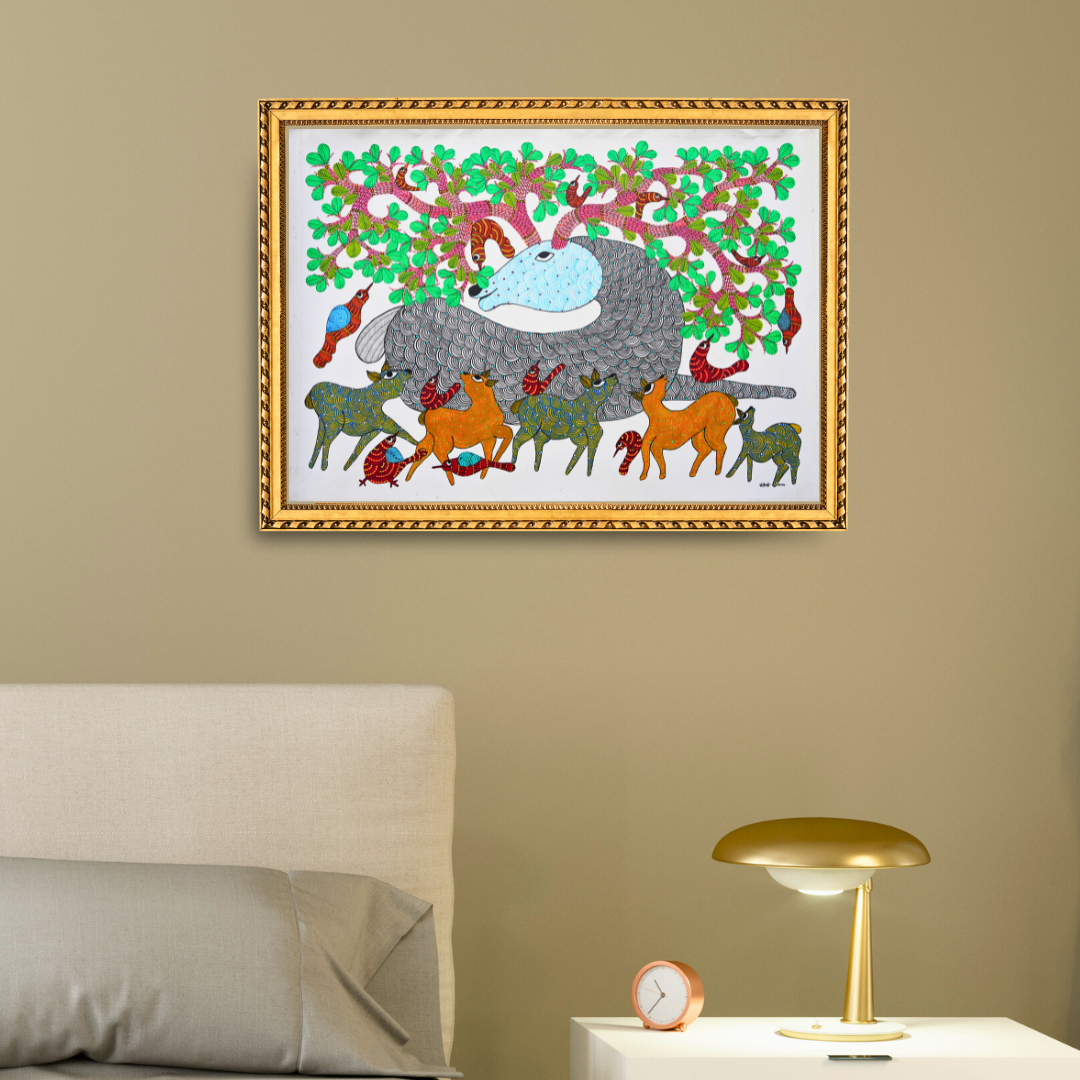
Swamp Deer with Her Babies
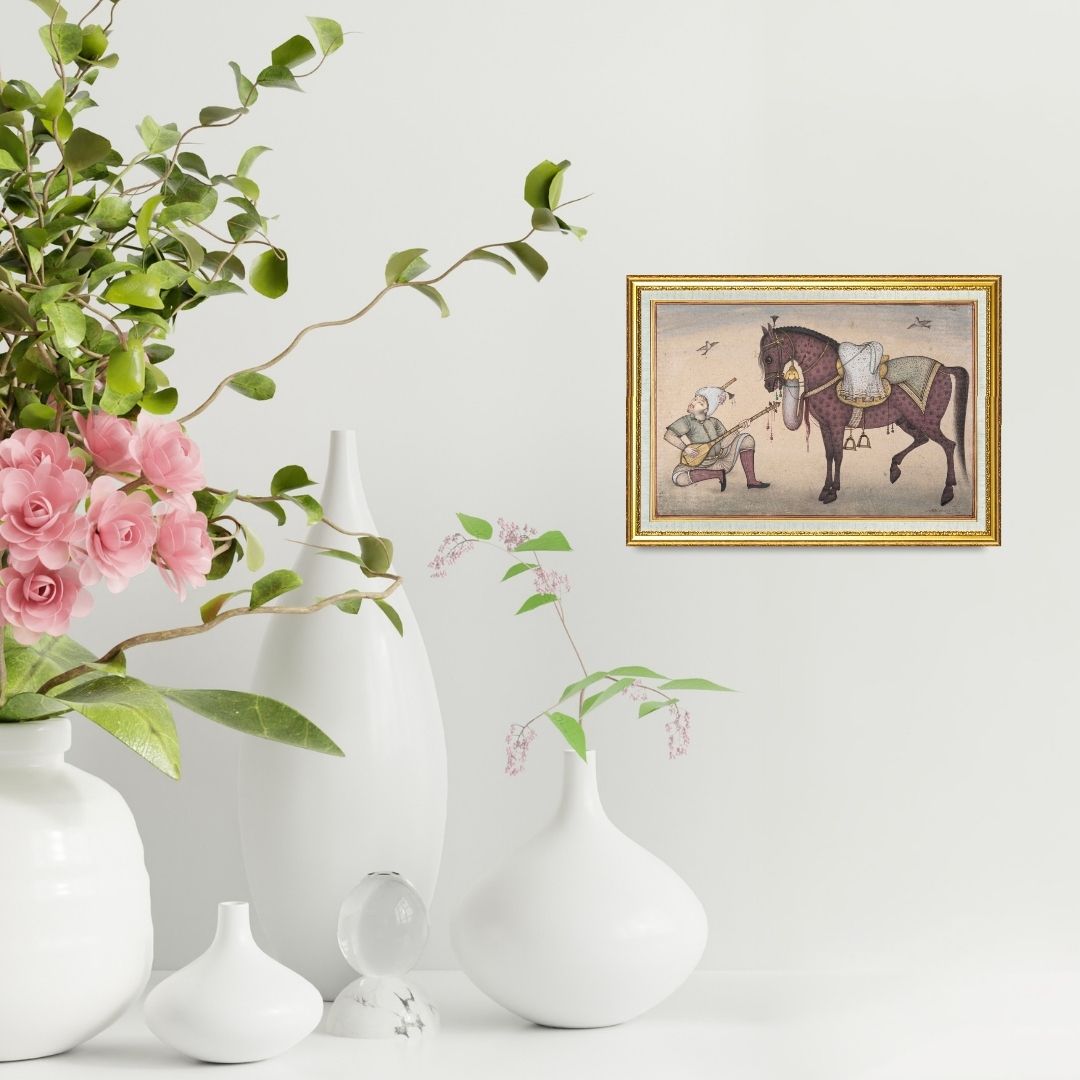
Whispers to a Waiting Horse
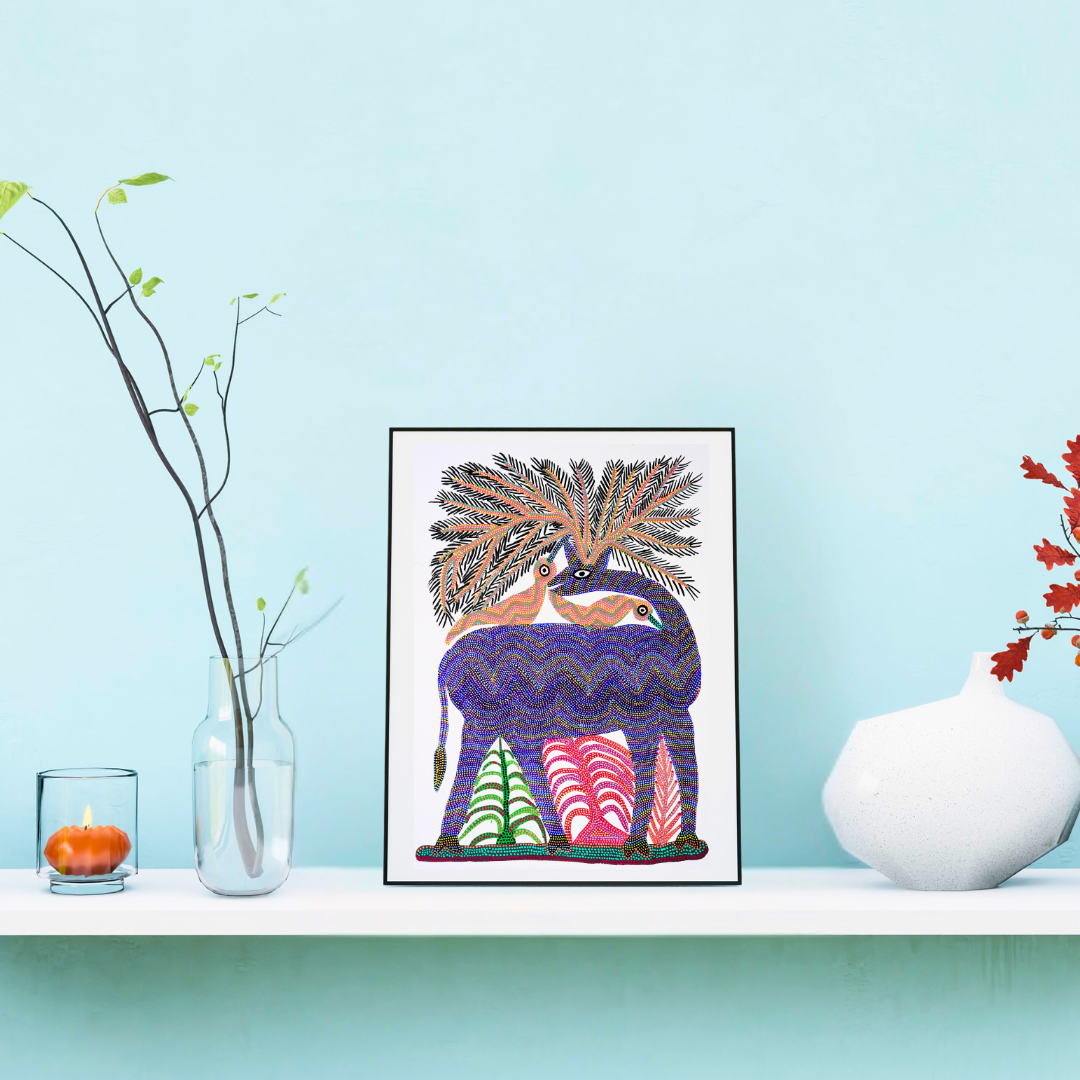
Swamp Deer and Birds
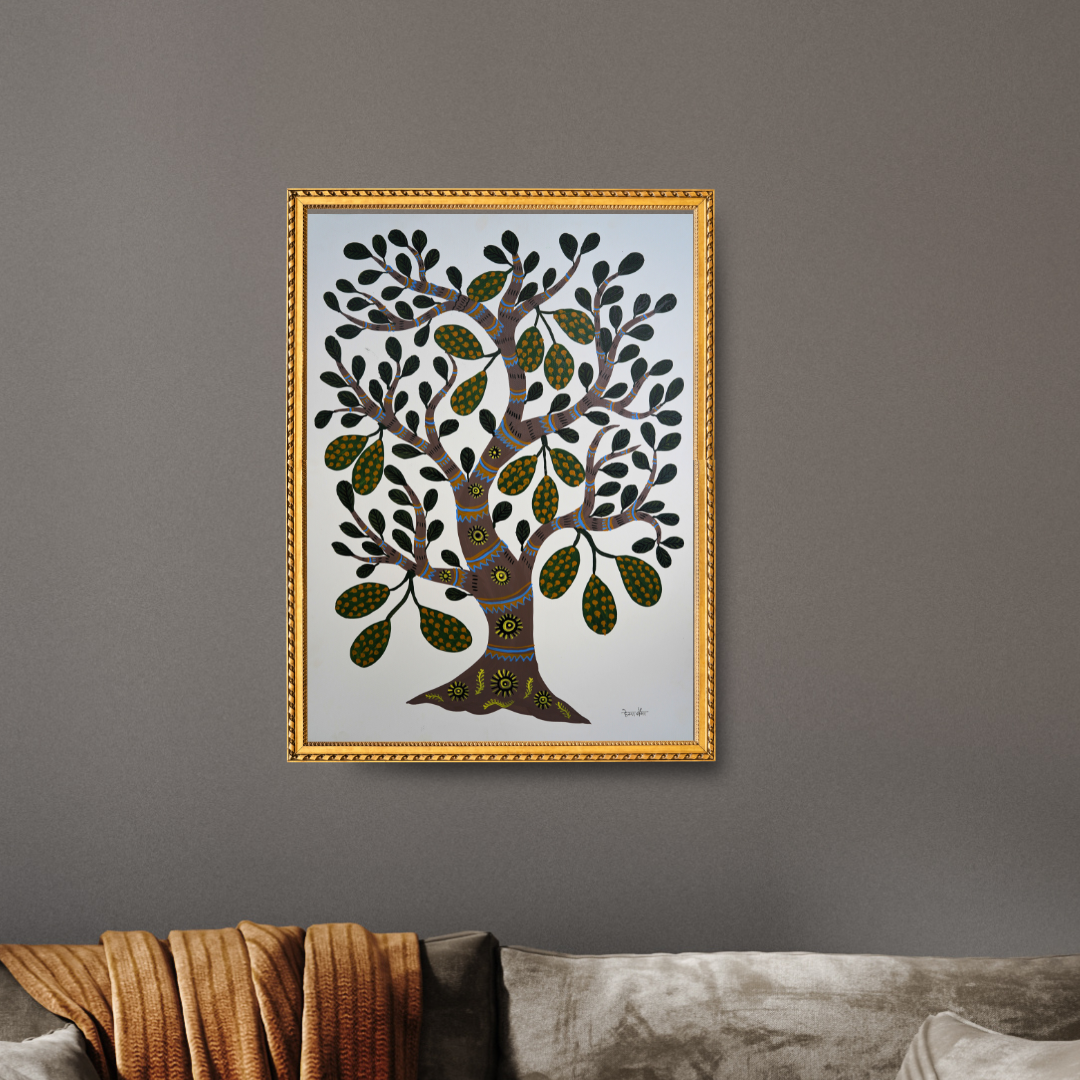
The Jackfruit Tree
Single-Sided Hand Block Printed Mal Cotton Fabric – Green Floral Motif | Sold Per Meter
A Hungry Heart
The World of Jungle near River
Whispers Beneath the Canopy
Stalk in the Quiet Hills
Harmony in Flight
Wings of Light
Gond Tiger
Tribal Lifestyle IX
Krishna and Kaliya
Born of Lightning
Quiet Roam of the Forest Bear
Tribal Lifestyle X
Nayika
History
Background The use of coconut shells for practical objects such as ladles, bowls, and water containers is historically documented in South Asia's agrarian communities. The transformation of this practical use into a formal craft tradition with decorative and commercial dimensions has occurred over time in Kerala, but precise historical documentation of when the craft was formally established is not available in current published sources.
Culture and Societies Coconut shell craft is embedded in Kerala's broader tradition of natural material crafts. The objects produced serve both daily functional purposes and souvenir and decorative markets. Limited detailed cultural documentation is available beyond the craft's association with Kerala's natural resource traditions.
Religious Significance No documented religious significance has been established for coconut shell craft as a craft tradition in Kerala. Individual objects may occasionally serve ritual functions (such as coconut shell bowls in some temple practices), but the craft itself does not carry a formal religious association.
Shop Paintings
View all →Birds Playing with Barasingha
Handmade Abstract Tree Canvas Painting
Swamp Deer with Her Babies
Whispers to a Waiting Horse
Swamp Deer and Birds
The Jackfruit Tree
Single-Sided Hand Block Printed Mal Cotton Fabric – Green Floral Motif | Sold Per Meter
A Hungry Heart
The World of Jungle near River
Whispers Beneath the Canopy
Stalk in the Quiet Hills
Harmony in Flight
Wings of Light
Gond Tiger
Tribal Lifestyle IX
Krishna and Kaliya
Born of Lightning
Quiet Roam of the Forest Bear
Tribal Lifestyle X
Nayika
Understanding the Art
Style Coconut shell craft products are characterised by the naturally dark brown, hard shell surface, which can be polished to a smooth finish. Carving, piercing, and inlay techniques create decorative surfaces. The natural round form of coconut halves lends itself to bowls and vessels; smaller sections are used for jewellery and figurines.
Central Motifs and Their Significance Motifs include floral and foliate patterns, geometric forms, and figural carvings. The specific motif vocabulary varies by artisan community and regional tradition. Detailed motif documentation is limited in available academic sources.
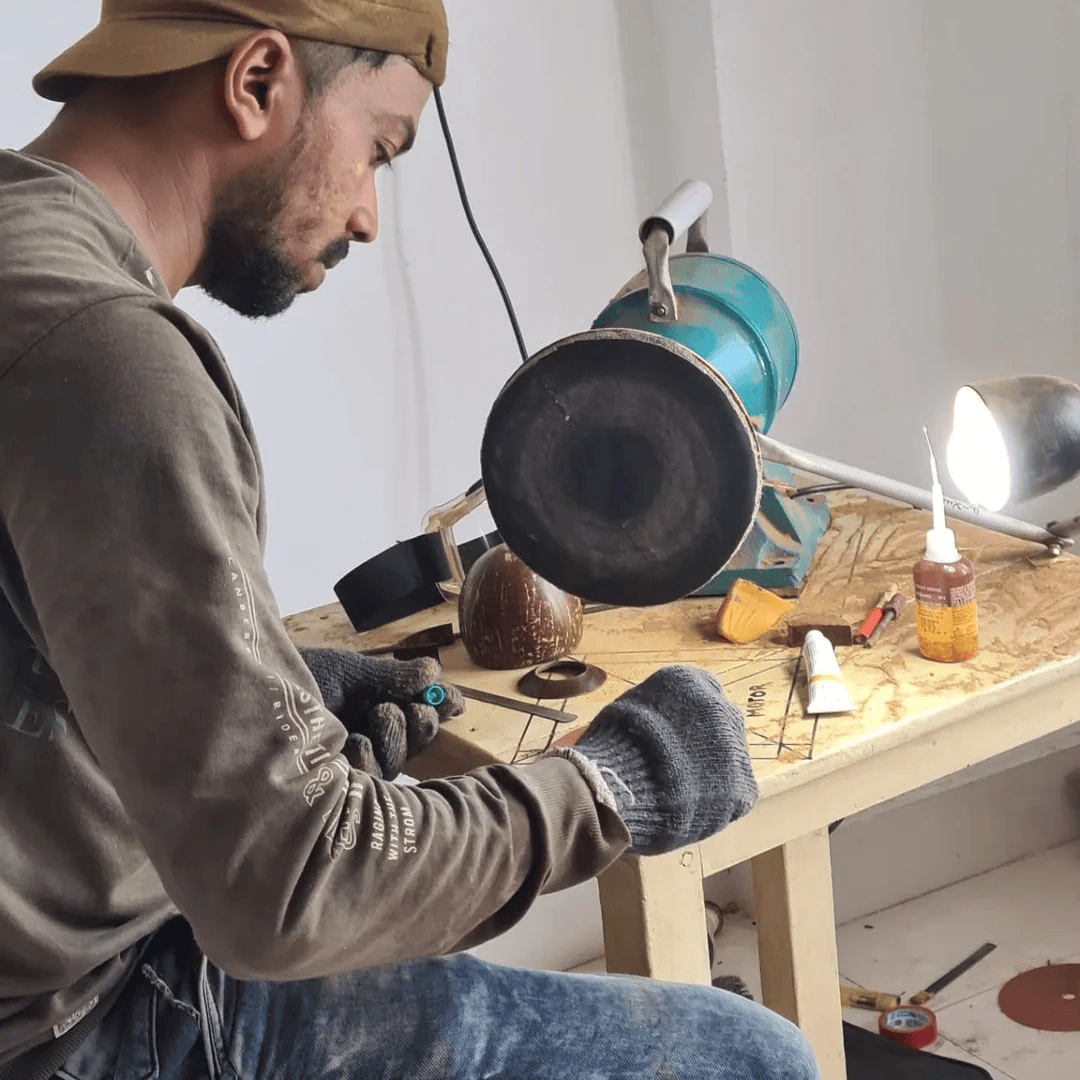
Process The production process involves cleaning and drying coconut shells; removing the inner husk layer; smoothing the outer surface; shaping by cutting and sanding; carving or piercing decorative patterns using hand tools; polishing with natural or commercial finishes; and assembling multi-part objects. Some artisans combine coconut shell with other materials such as wood, coir, or metal.
Mediums Used The primary medium is the dried shell of the coconut (Cocos nucifera). Finishing materials include natural oils, wax, or commercial lacquer. Metal fittings or coir may be incorporated in some products.
New Outlook
Coconut shell craft faces vulnerability due to the limited number of active practitioners and the availability of cheaper synthetic alternatives for consumers. The craft has potential in the sustainable goods and eco-tourism markets given its use of recycled natural material.
Learn Coconut Shell Craft


Bibliography
Sources
Gaatha. “Coconut Shell Craft of Wayanad, Kerala.” Gaatha, gaatha.org.
Vastra Shilpa Kosha. “Conch and Coconut Shell Carving of West Bengal and Related Shell Crafts.” Vastra Shilpa Kosha, Ministry of Textiles, Government of India, vastrashilpakosh.in.
Image Sources
“Arts and Crafts Village: Coconut Husk Handicrafts.” Kerala Tourism, www.keralatourism.org/responsible-tourism/success-stories/arts-and-crafts-village-responsible-tourism-handicrafts-coconut-husk. Accessed on May 01, 2026.
“The Art of Coconut Handicrafts: Turning Nature into Stunning Décor.” Craftia, craftia.in/blog/f/the-art-of-coconut-handicrafts-turningnature-into-stunning-decor. Accessed on May 01, 2026.
“Kerala’s Beautiful Eco-Friendly Coconut Shell Handicrafts.” Boontoon, www.boontoon.com/blog/handicrafts-of-kerala/keralas-beautiful-eco-friendly-coconut-shell-handicrafts-1-1024x531/ Accessed on May 01, 2026.
“Use of the Coconut Shell Product.” Indisutras, indisutras.com/blog/use-of-the-coconut-shell-product. Accessed on May 01, 2026.