15% OFF
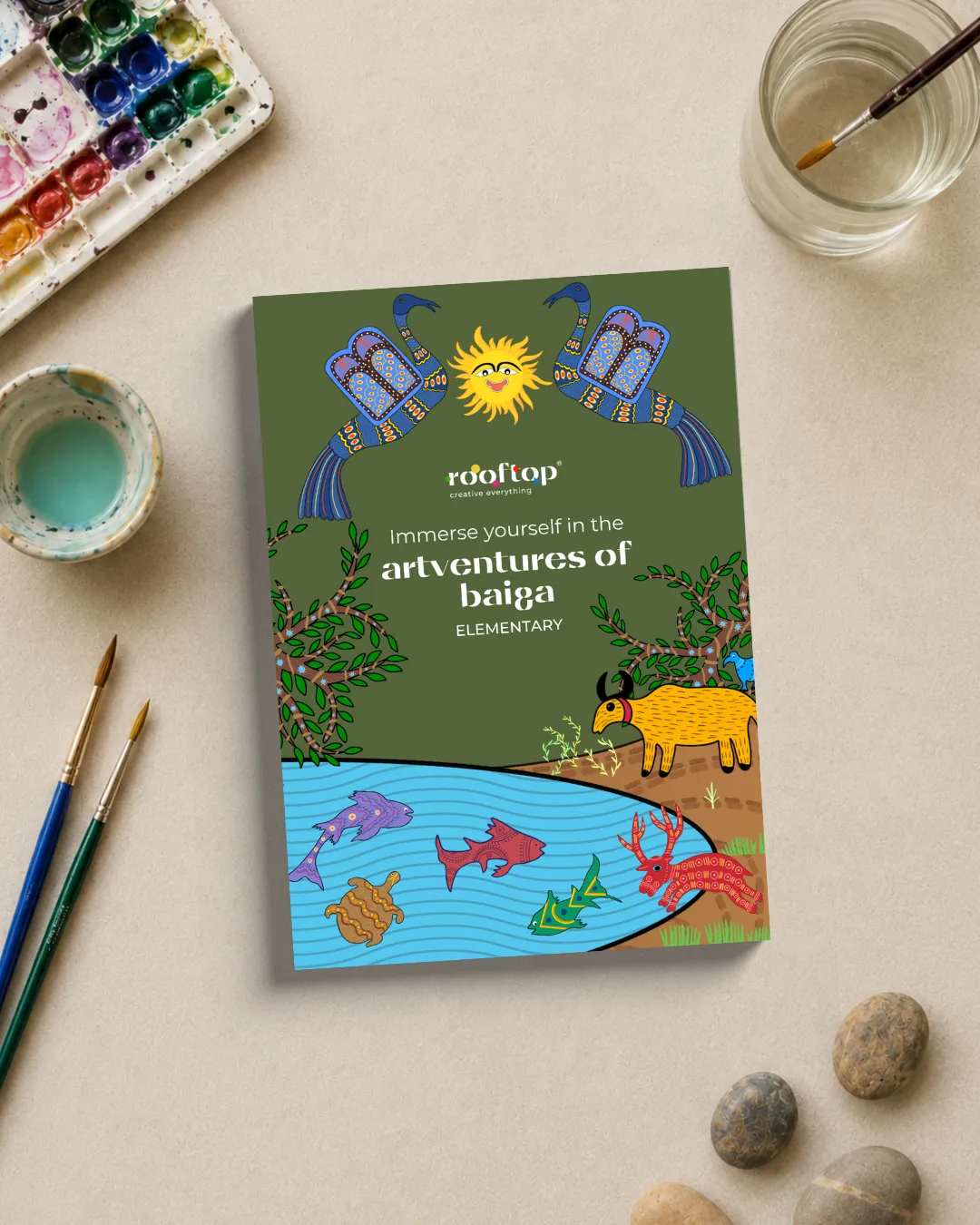
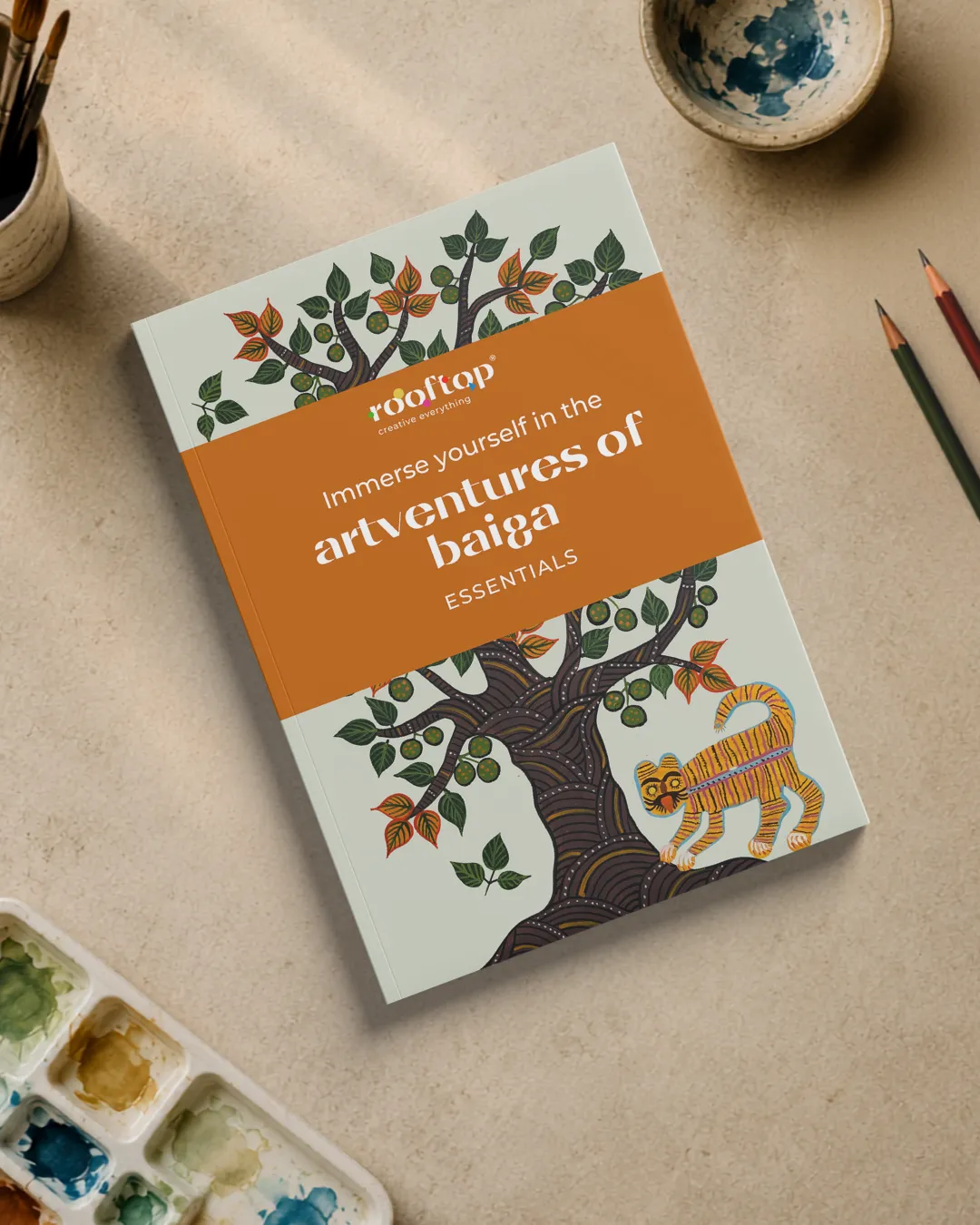
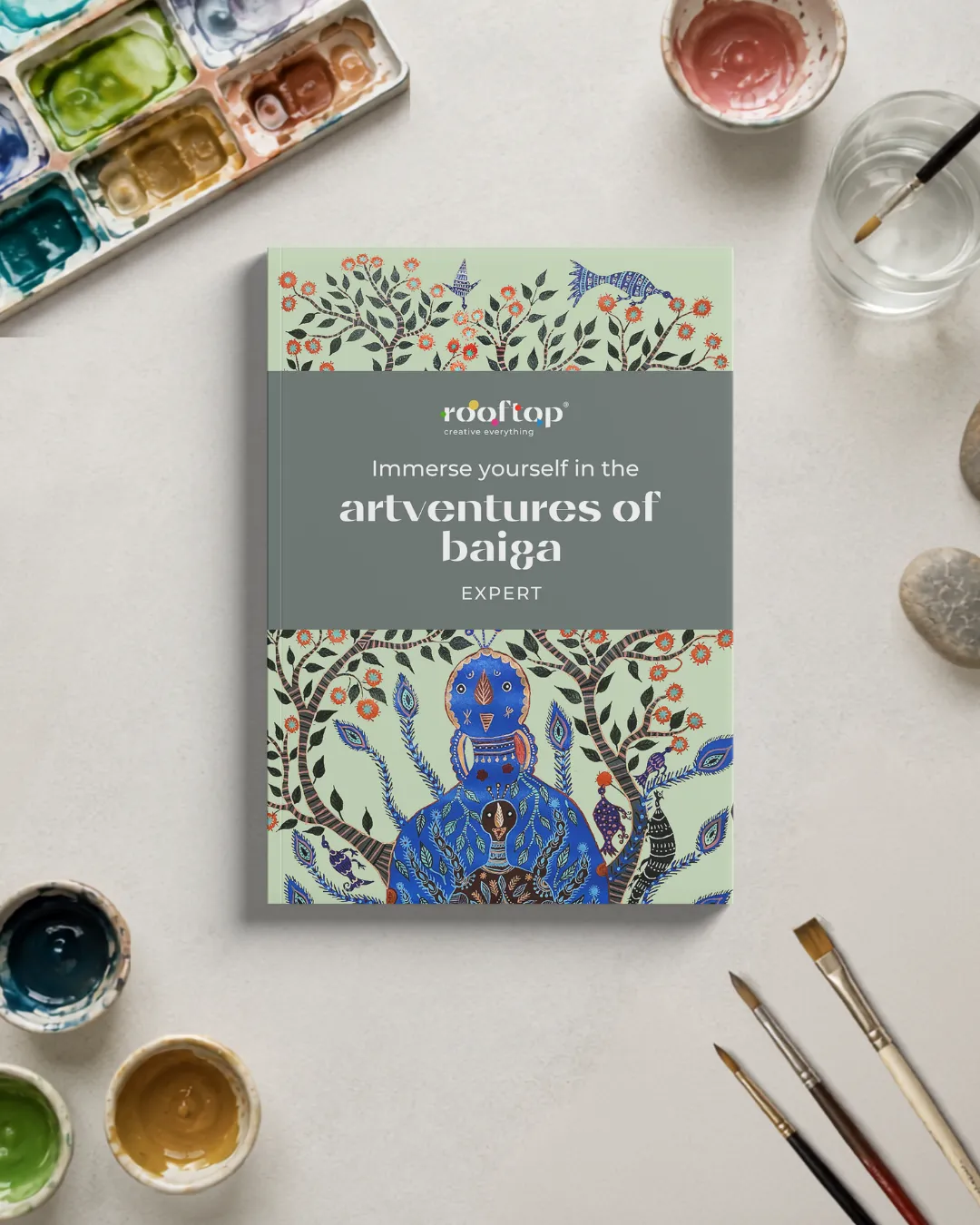
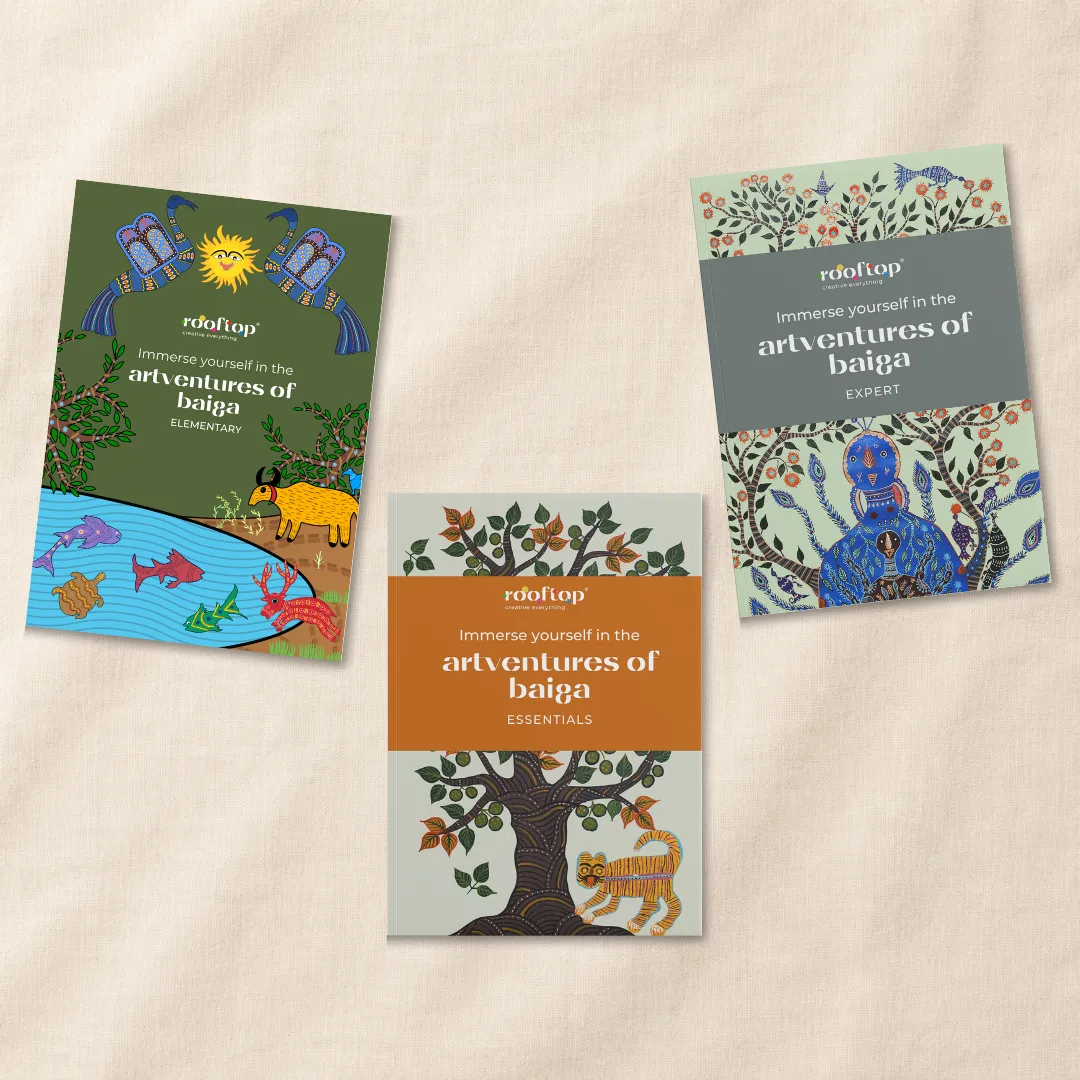
Artventures of Baiga: The Complete Guide to Madhya Pradesh's Tribal Art (Set of 3)
$ 69$ 79


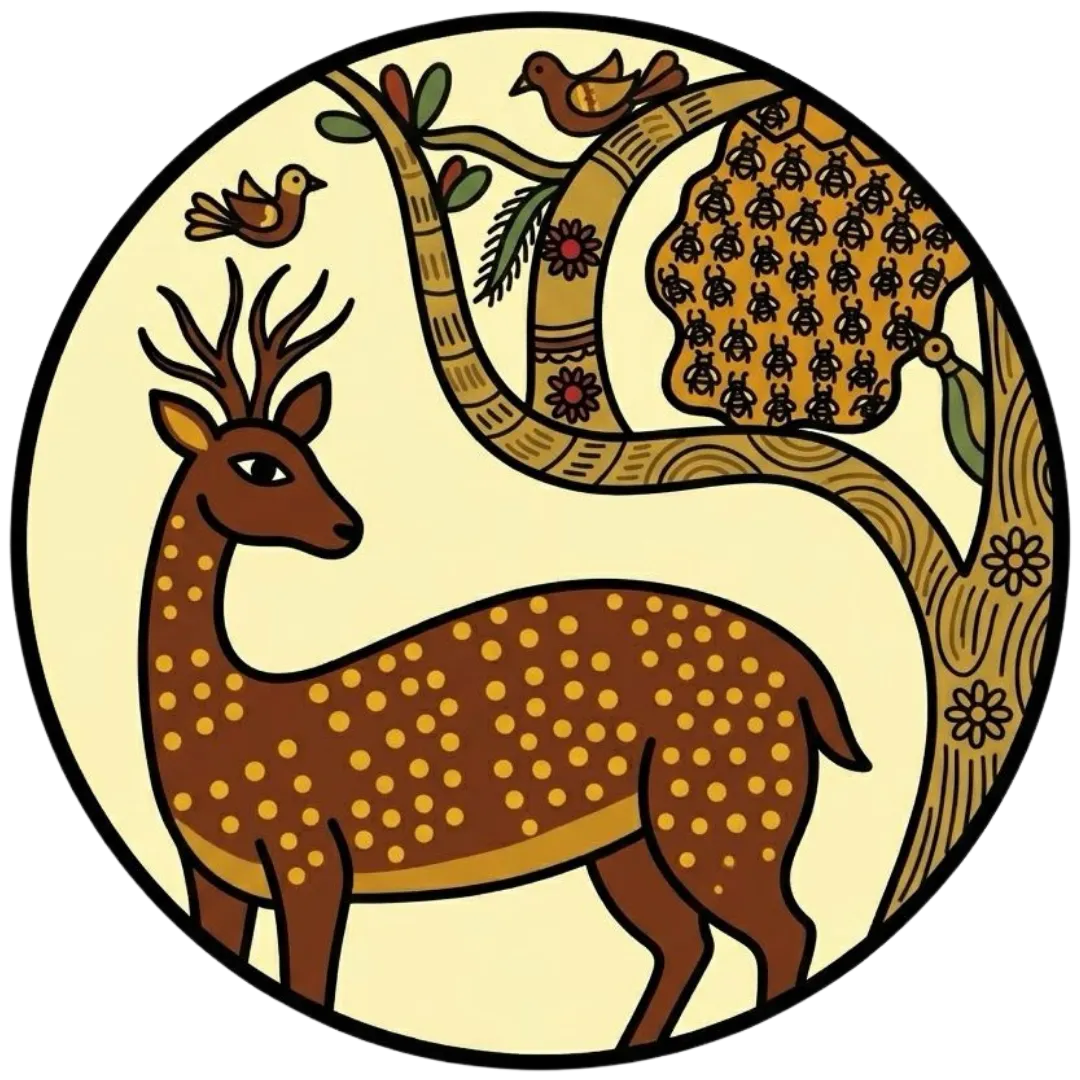
Let's explore the Art of Indian Tribes - Baiga Art!
Etymology: The word ‘Baiga’ is said to have emerged in the later medieval period and is said to have derived from the terms ‘Baigadia’ and ‘Bewadia’ which essentially means the practitioners of bewar which is a shifting, slash-and-burn method of agriculture. The term ‘baiga’ also directly translates to sorcerer, medicine man or witch doctor that signifies their role of village priests and healers among tribal communities. Origin: According to Baiga folklore, it was the Goddess Mavai, who being pleased with the Baigas harmonious connection with nature, decided to bestow upon them the knowledge to create Baiga art using natural materials available in the forests.
Location: The Baigas are located in Central India and parts of Chattisgarh. They are largely found in Mandla, Dindori, Balaghjat and Seoni districts of Madhya Pradesh, living within 250 km of Jabalpur city. A smaller group is found in Bilaspur, Kabirdham and Surguja districts of Chattisgarh. The smallest groupings are found in Sidhi, Rewa, Satna, Shahdol, Mirzapur and Sonebhadra districts of Baghelkhand region spanning over both Madhya Pradesh and Uttar Pradesh.
Community: The Baigas are a community of forest dwellers who believe in Mother Earth as one of their primary deities and as a result, do not practice plough agriculture. The community was relatively less known until they were made the official priests, shamans and physicians in the realm of the medieval Gond kingdom.
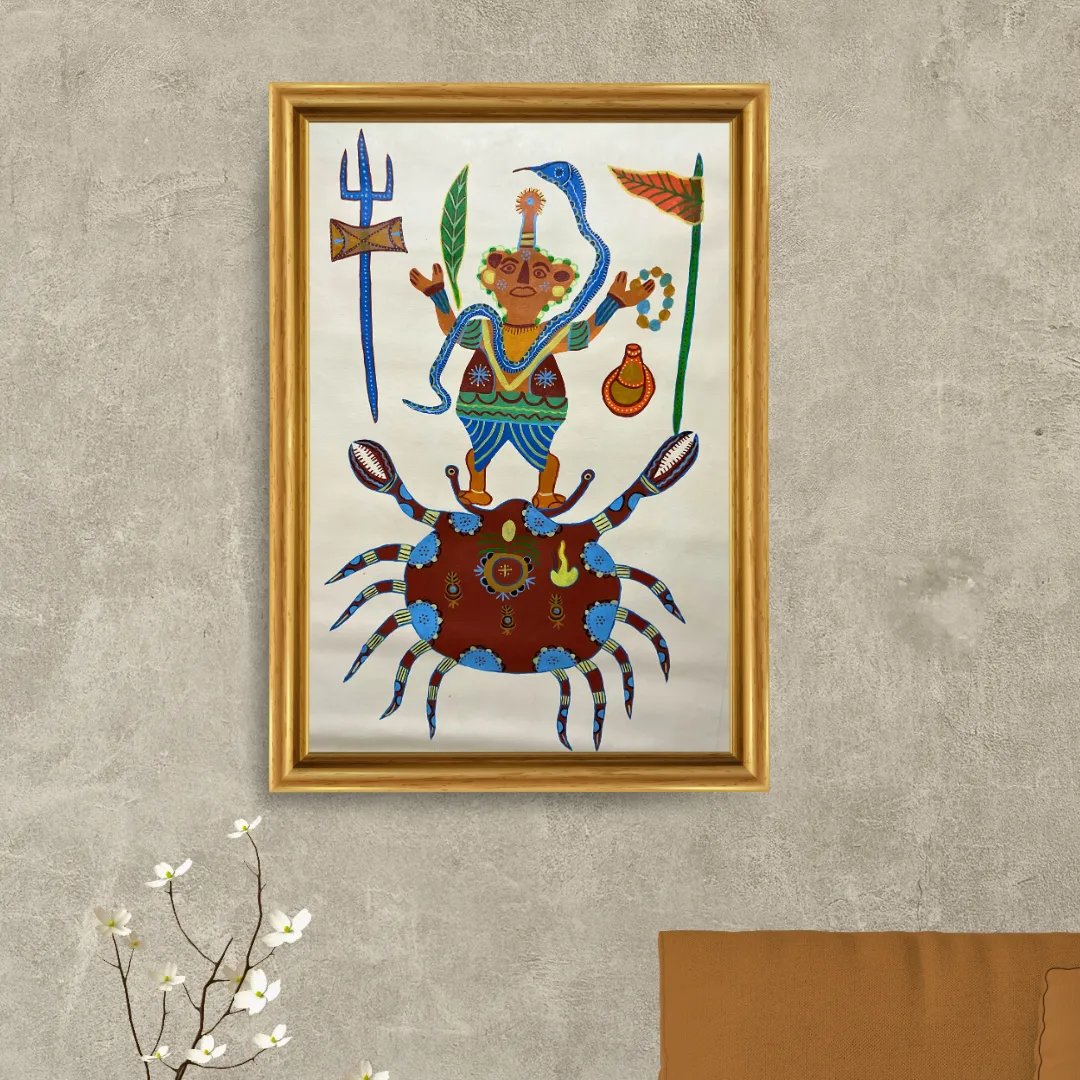
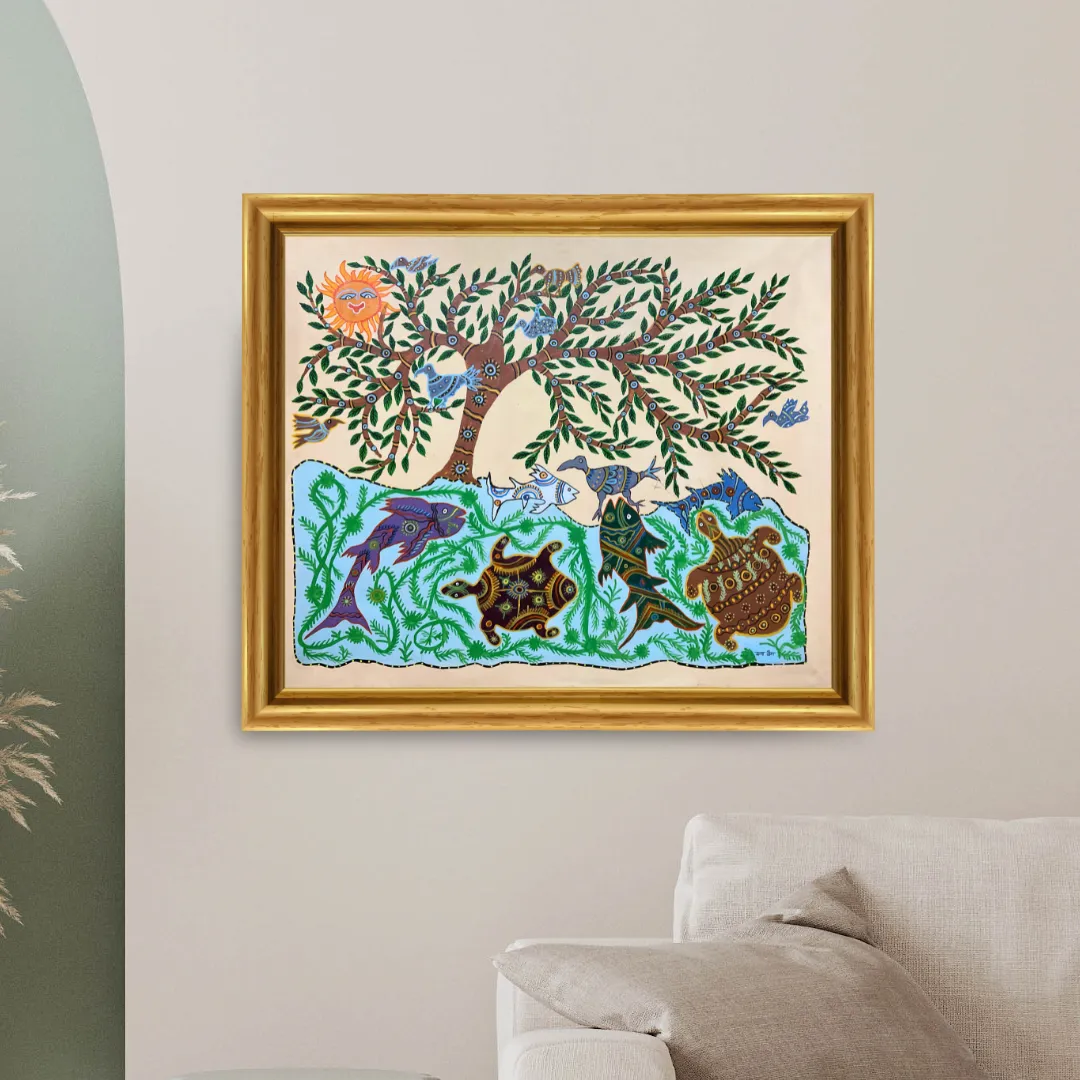
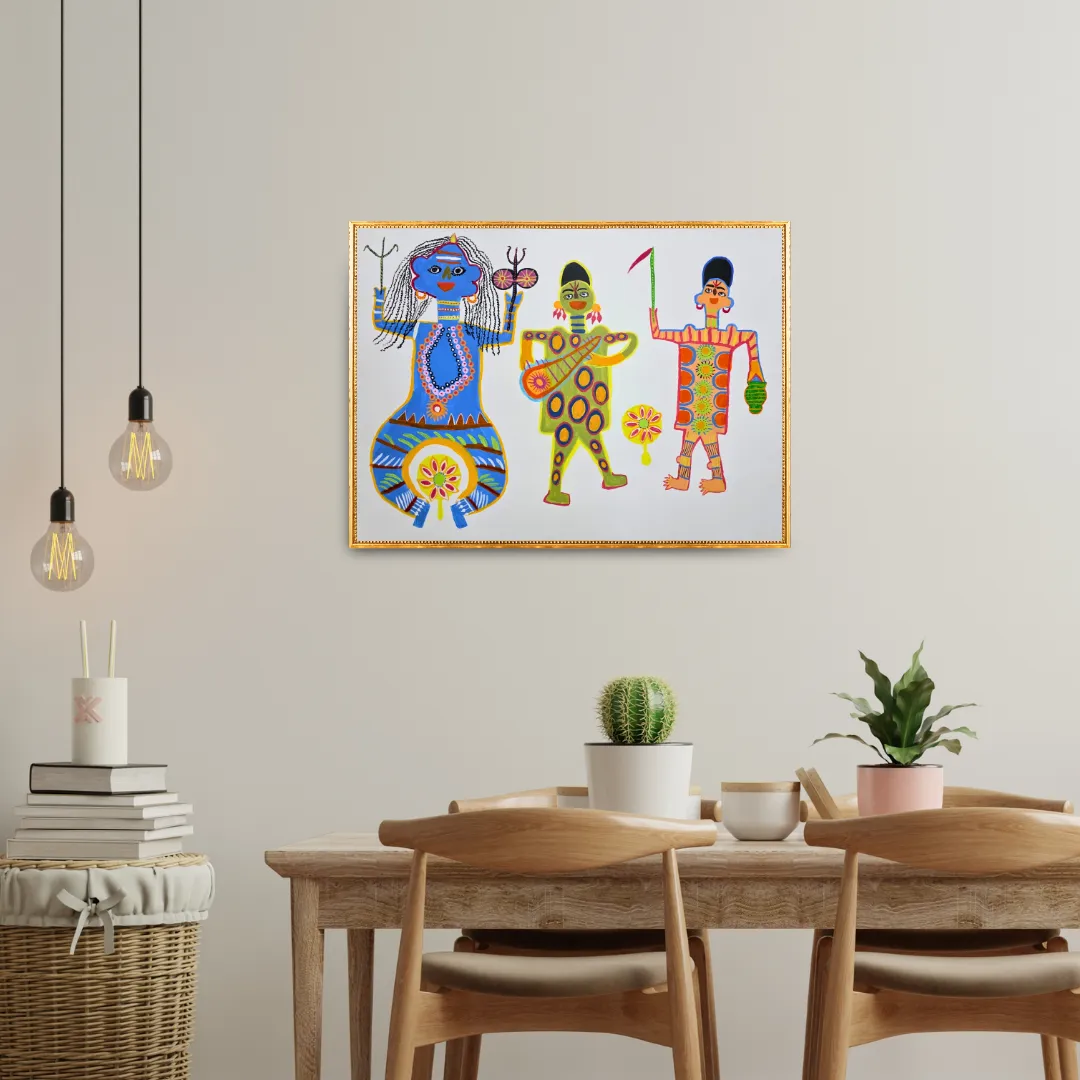
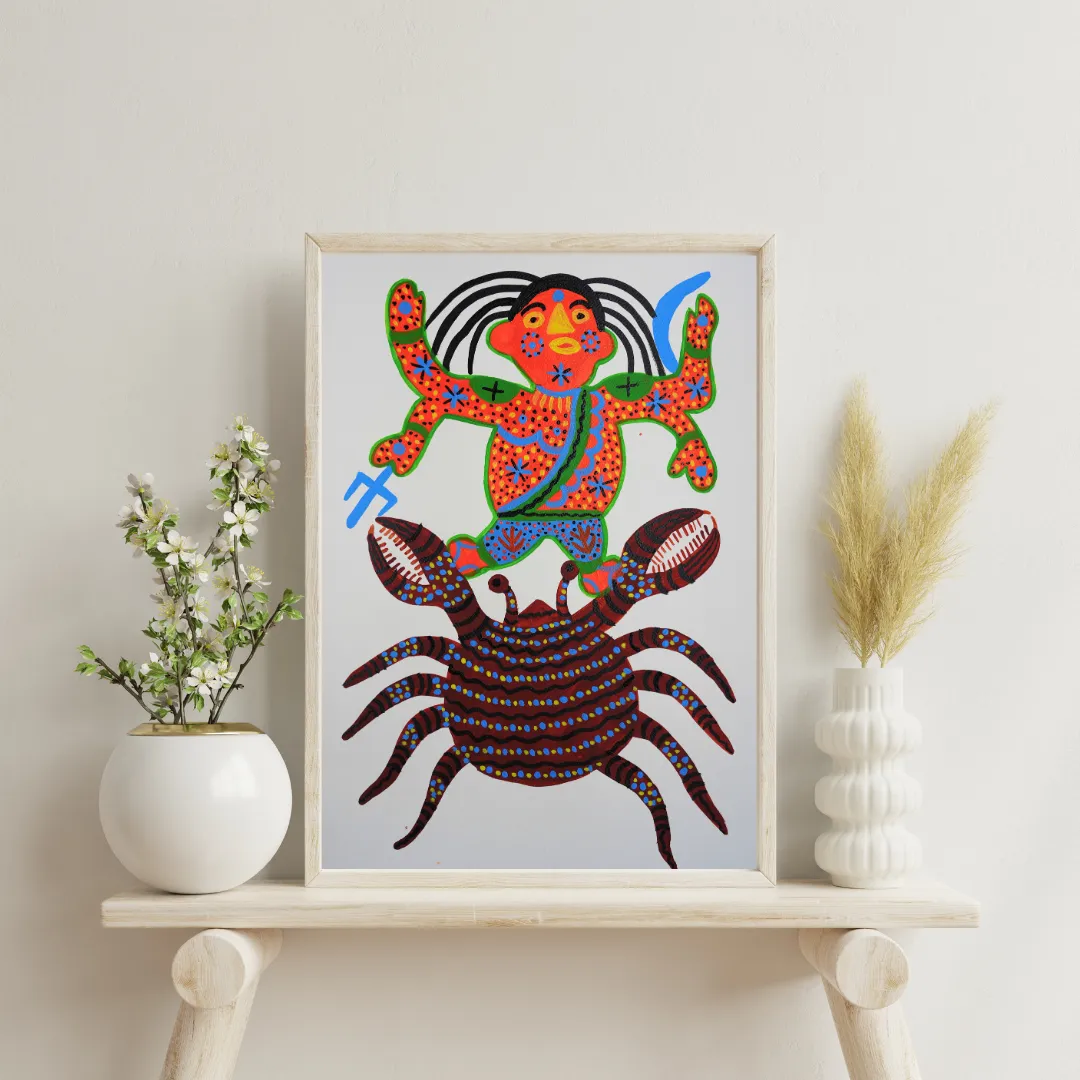
Relevance: Baiga art is an integral part of the Baiga lifestyle and is created on bodies, homes and places of worship. Baiga art depicts the rich heritage, folklore and the deep connection of the Baigas with nature. As such, it has become a source of income for the community in modern times.
Background: The Baigas are said to be inhabitants of Central India for the last 20,000 years. Traditional Hindu texts refer to a tribe of tree-burning, naked forest dwellers from Central India which are largely believed to be the Baiga.
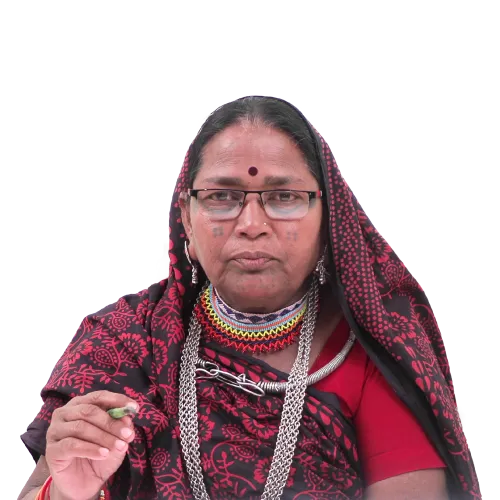
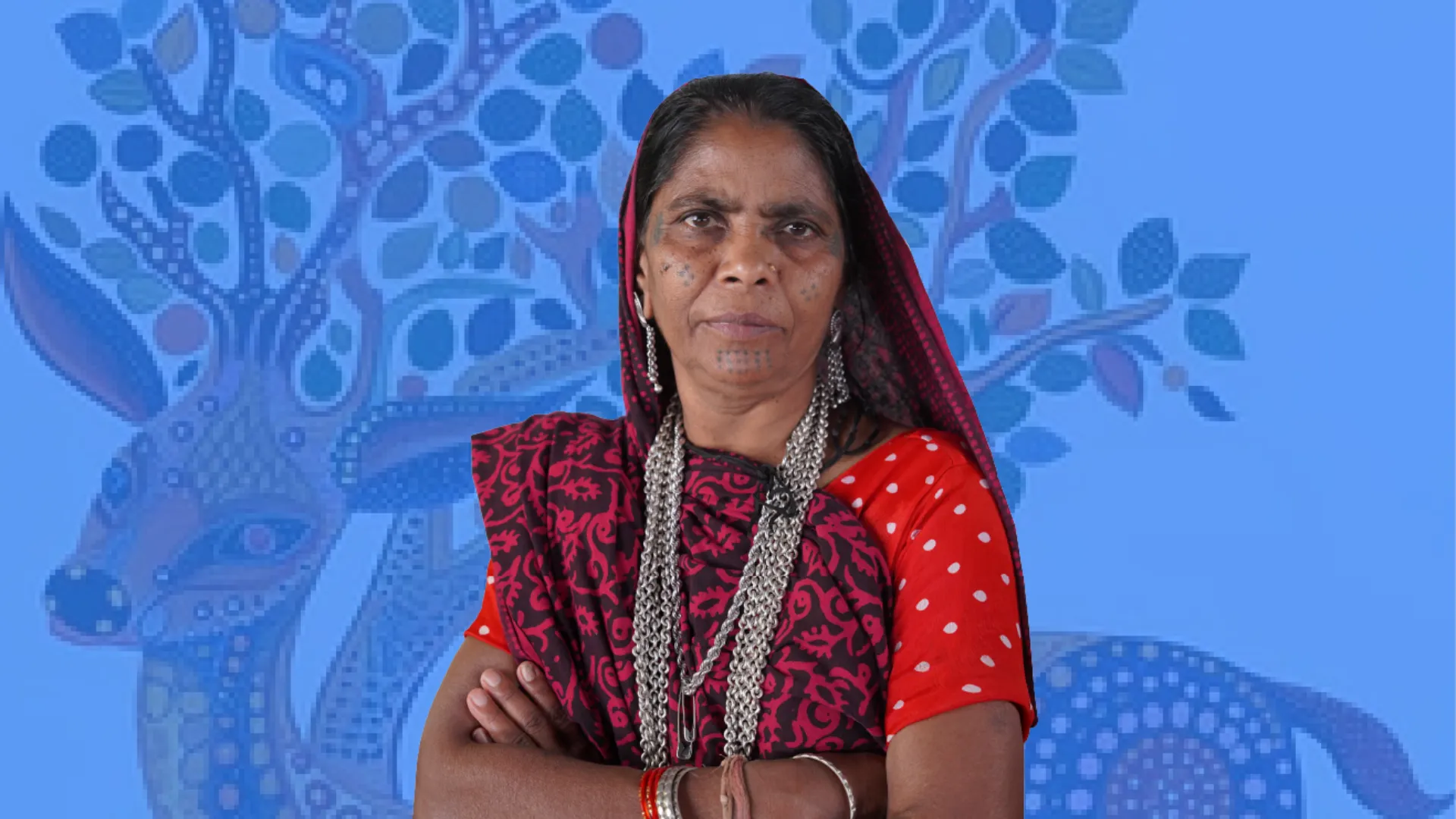
Culture and Significance: The art of tattooing is known as Godna among the Baiga community, with traditional patterns passed down through oral transmission and drawn from memory. Gondna tattooing, led by the women of the Baiga community, is considered an identity marker and symbolizes the lived experience of a person. The tattoos of Baiga women are markers of different milestones in life. The first tattoo on the forehead is usually made around the ages of nine or ten and signifies the entry of the Baiga girl into social life. A woman of marriageable age bears tattoos on her arms and legs. The back and neck also sport tattoos. The last tattoo practice is called chhati godai which is marked on the chest after the woman has given birth to a child. Baiga tattoo artists, known as ‘badnin’ began replicating the patterns of Gonda tattoos on paper and canvas. This was, in a way, inspired from the Gond art movement and the success of Jangarh Singh Shyam of the late 20th century. Besides Gondna, the Baigas also used art to decorate the walls of their houses.
Religious Significance: Baiga art is used to adorn the walls of temples. They are also used in ritual and ceremonies and are believed to be a connection to the spiritual world.
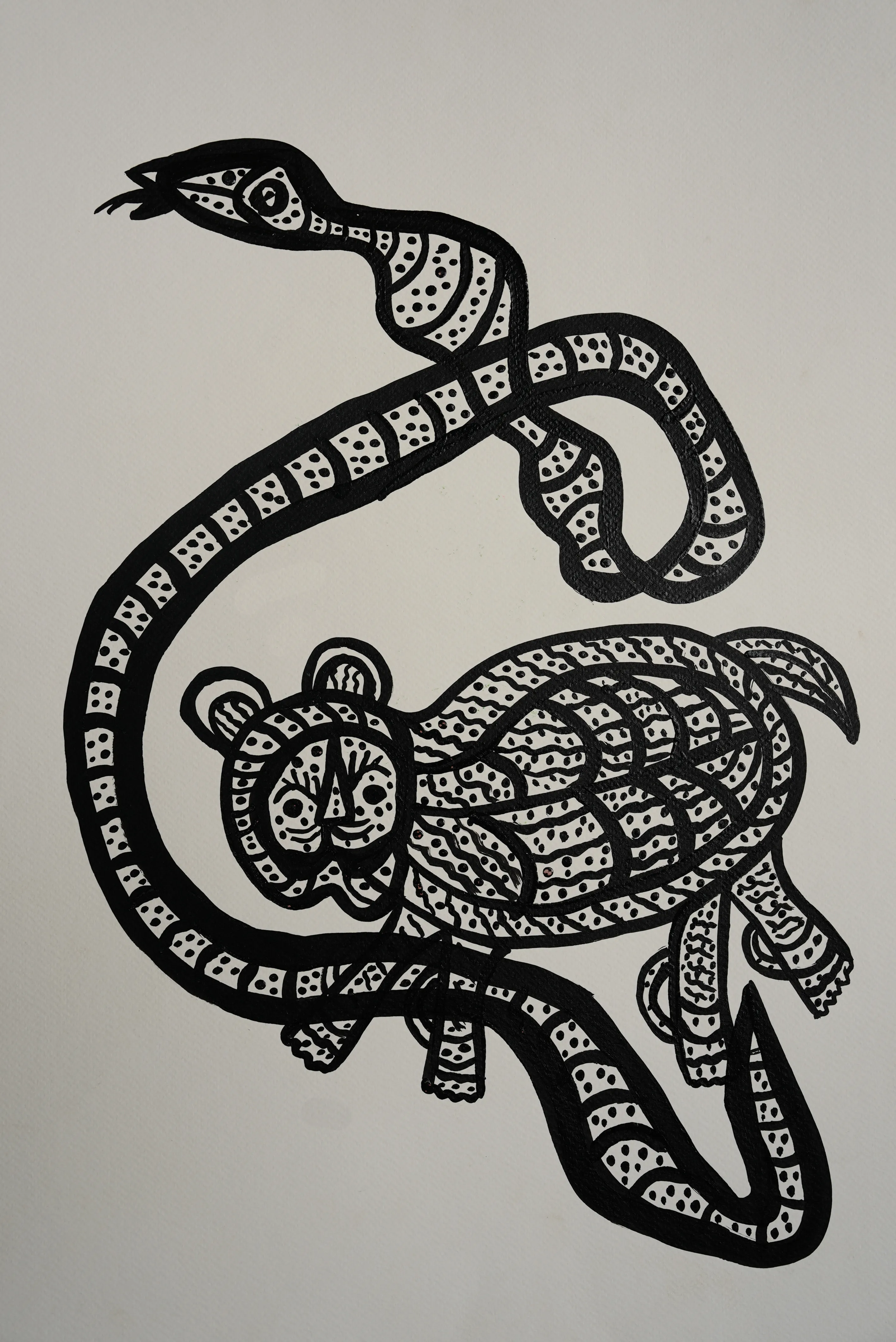
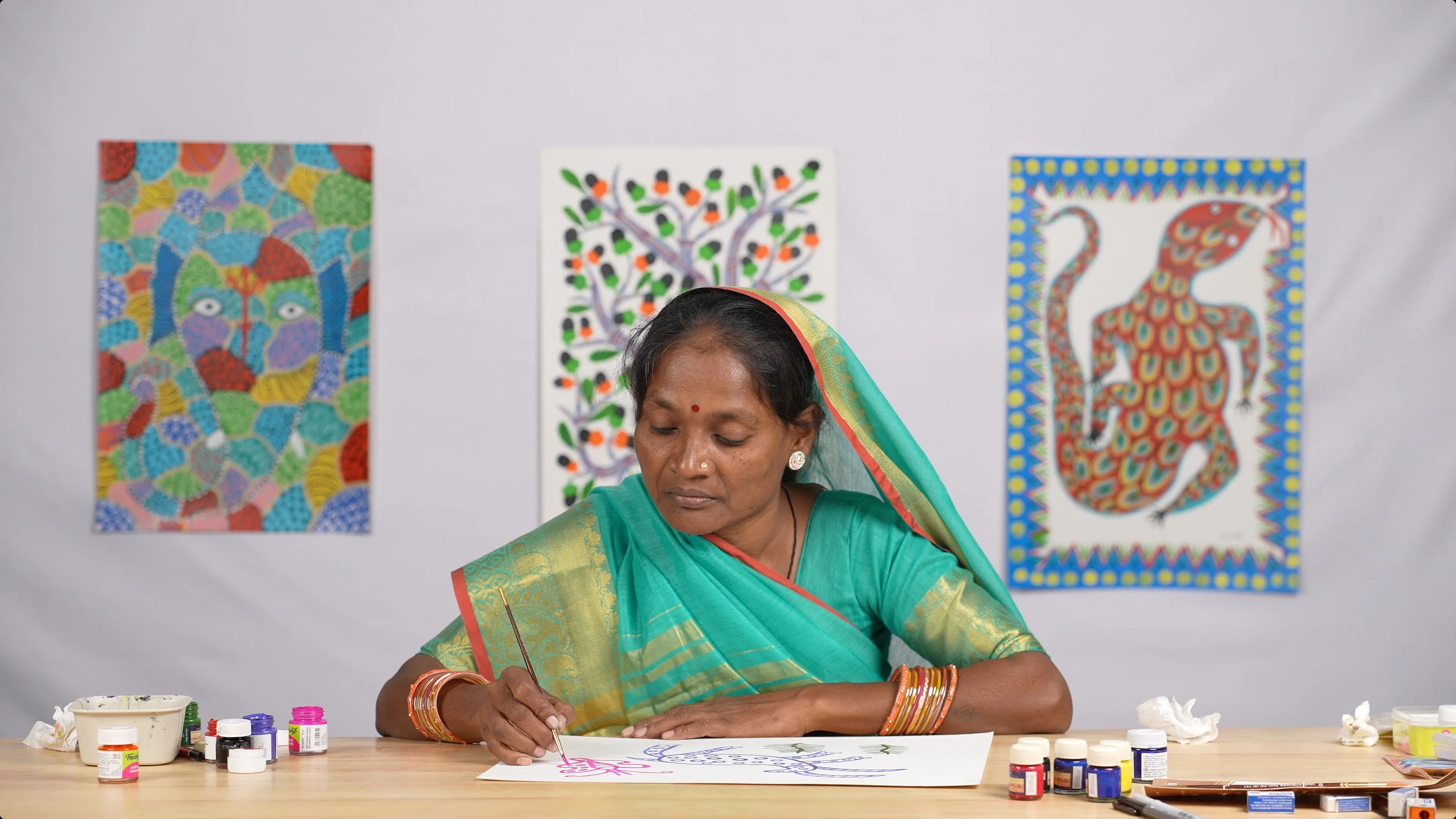
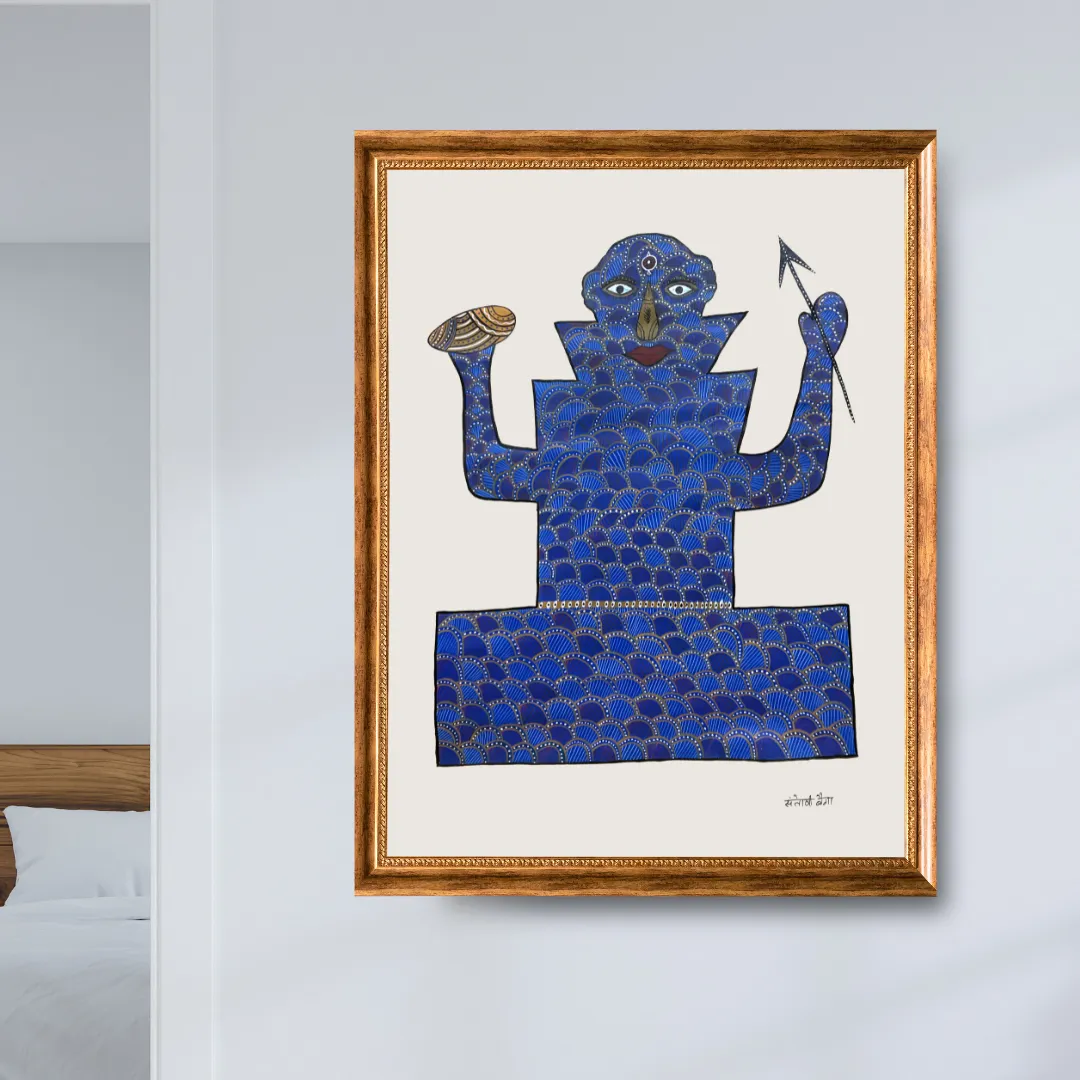
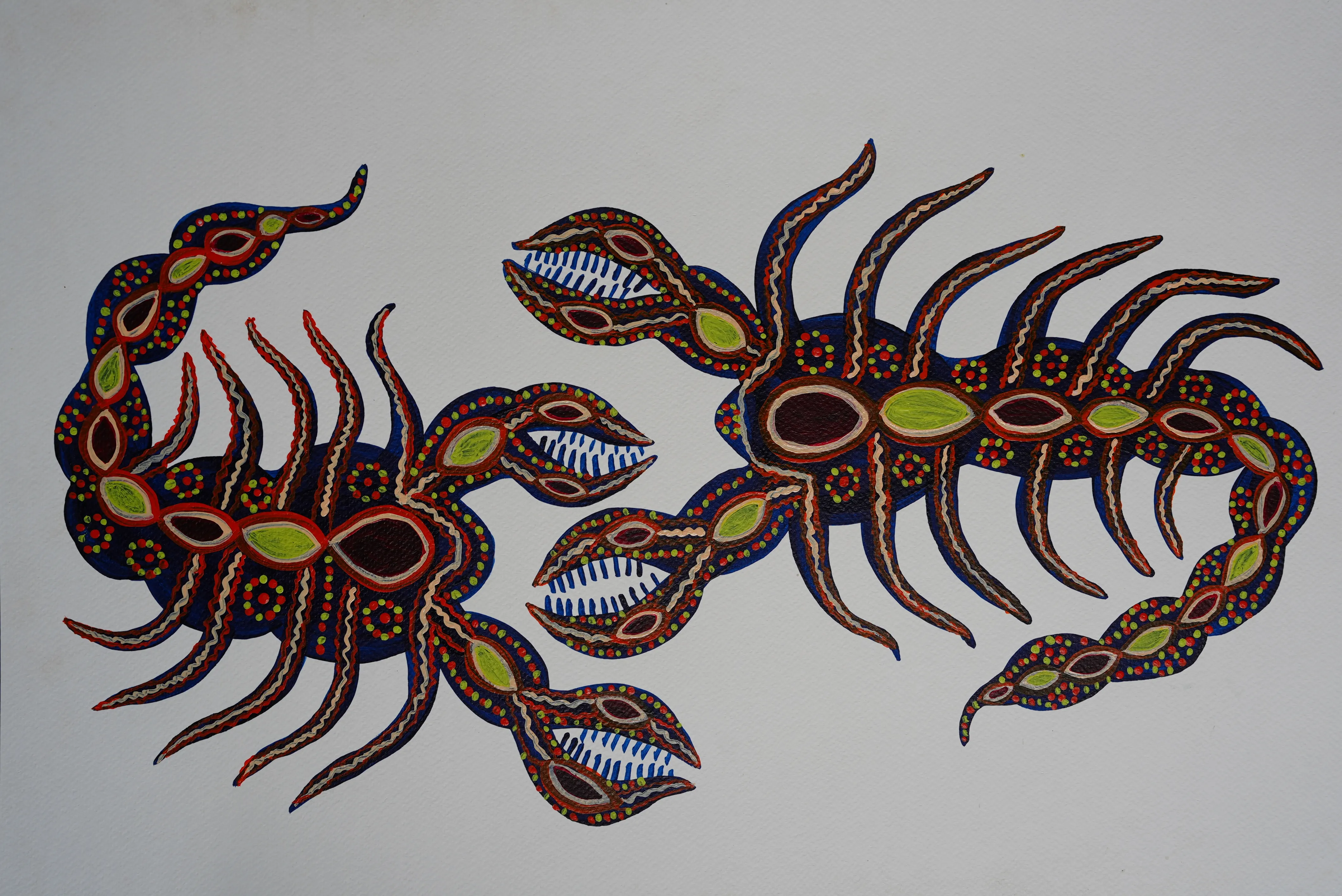
Style: Painted in a distinct tribal style in vivid colours and using intricate patterns and pointillism, the earlier subjects that the art form covered were gods, animals and old trees and the various elements of the forest and tribal folklore. Deities like Bagesur Dev, the tiger god and serpentine symbols of the Bada Dev are a part of the traditional imagery of Baiga art. Today, the subjects also include the themes of social issues, environmental protection, caste discrimination, road accidents and urban lifestyle.
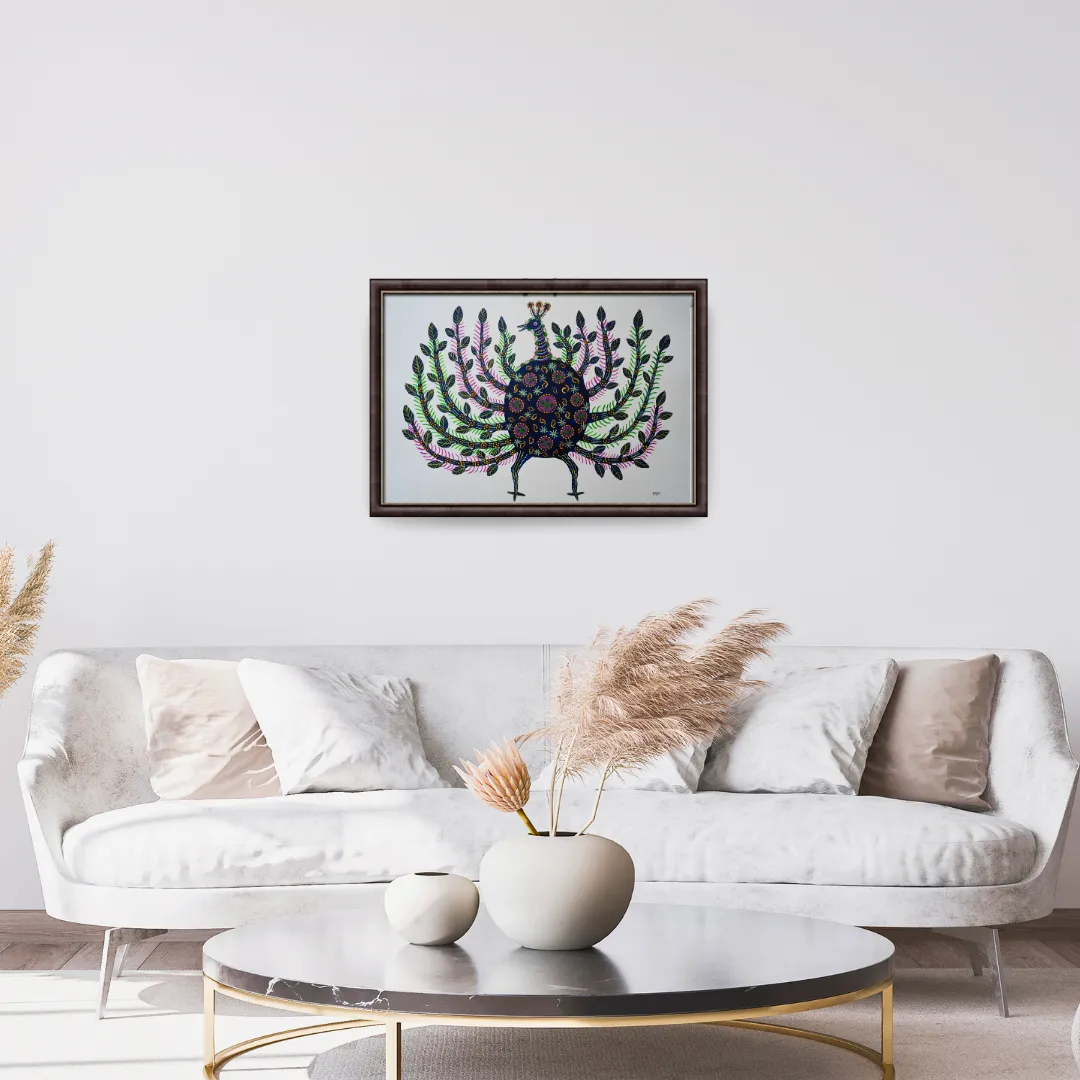
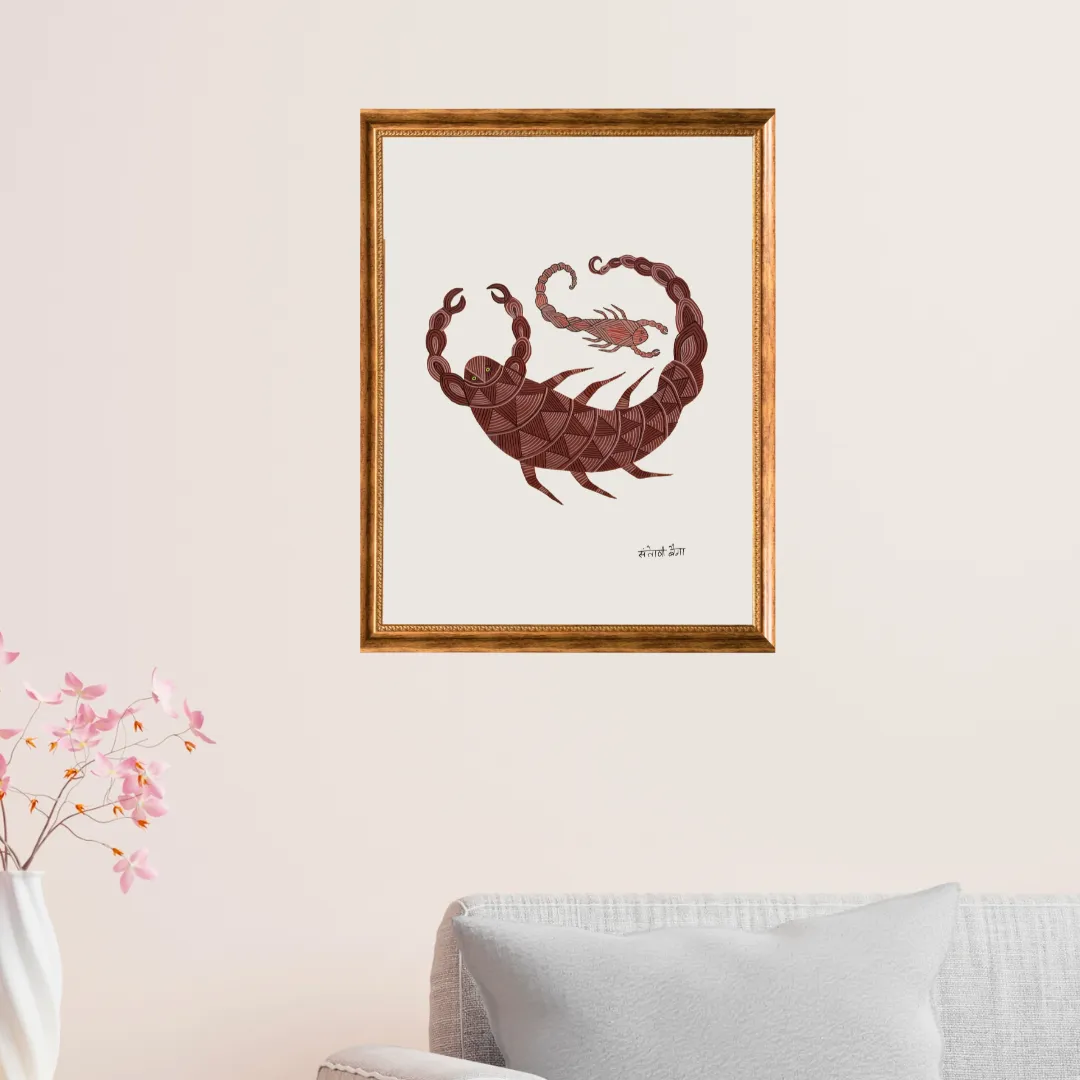
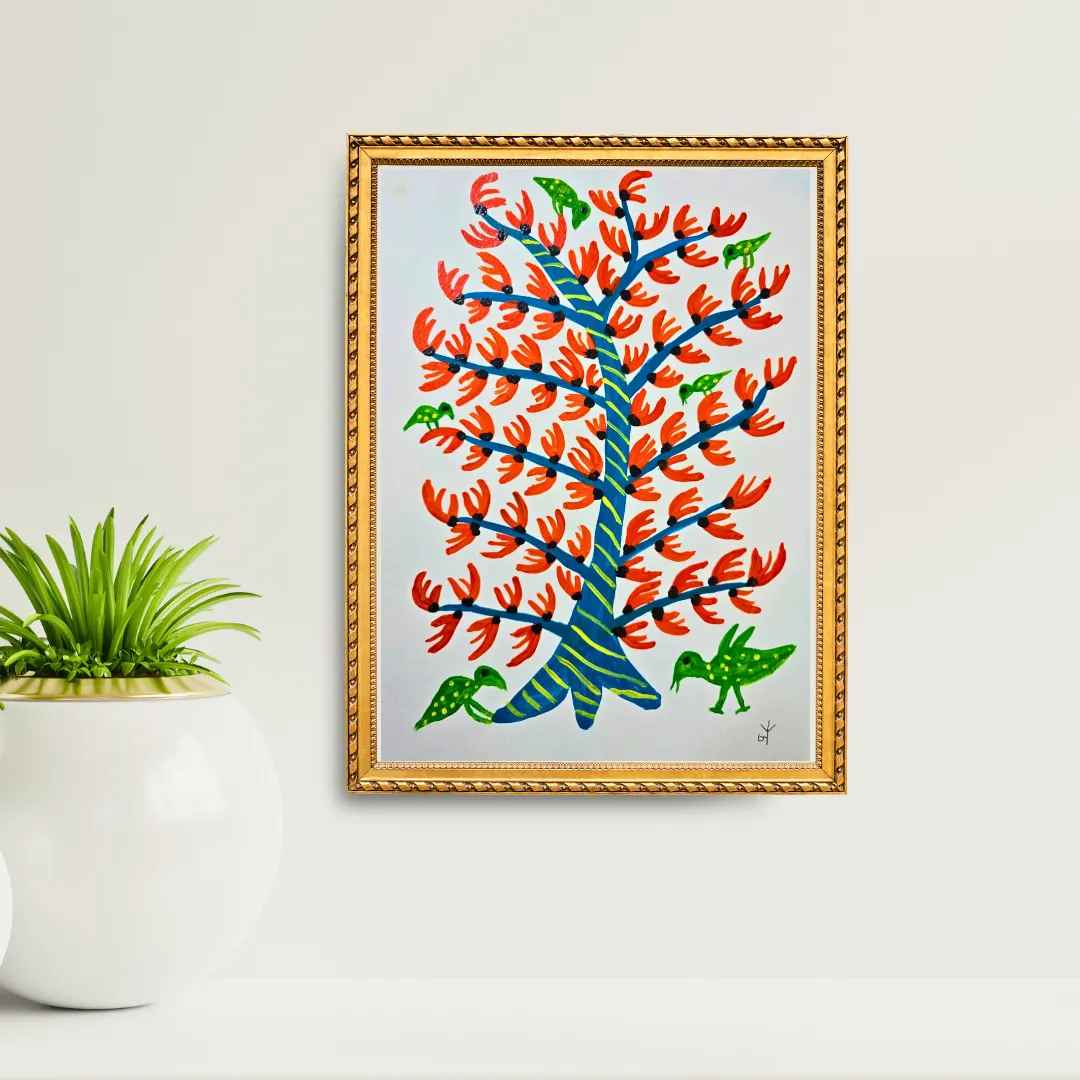
Central Motifs and their Significance: Baiga art utilises motifs from the natural world like animals, birds and plants. Triangular patterns are used to denote mountains and a circular motif for the sun. Symmetrical lines of varying thickness, dots and crosses are used to create tattoos. Wall paintings feature abstract designs, geometric patterns and images of animals and birds as well.
Mediums Used: Gondna or tattooing is carried out using a needle made from bamboo and ink made from the sap of a local tree called ‘kohla’. For traditional wall paintings, natural materials of mineral and plant origin including plant dyes were used which include turmeric, vermillion and indigo. In more recent times, Baiga art began to be created on paper and canvas using acrylic paints and watercolours.
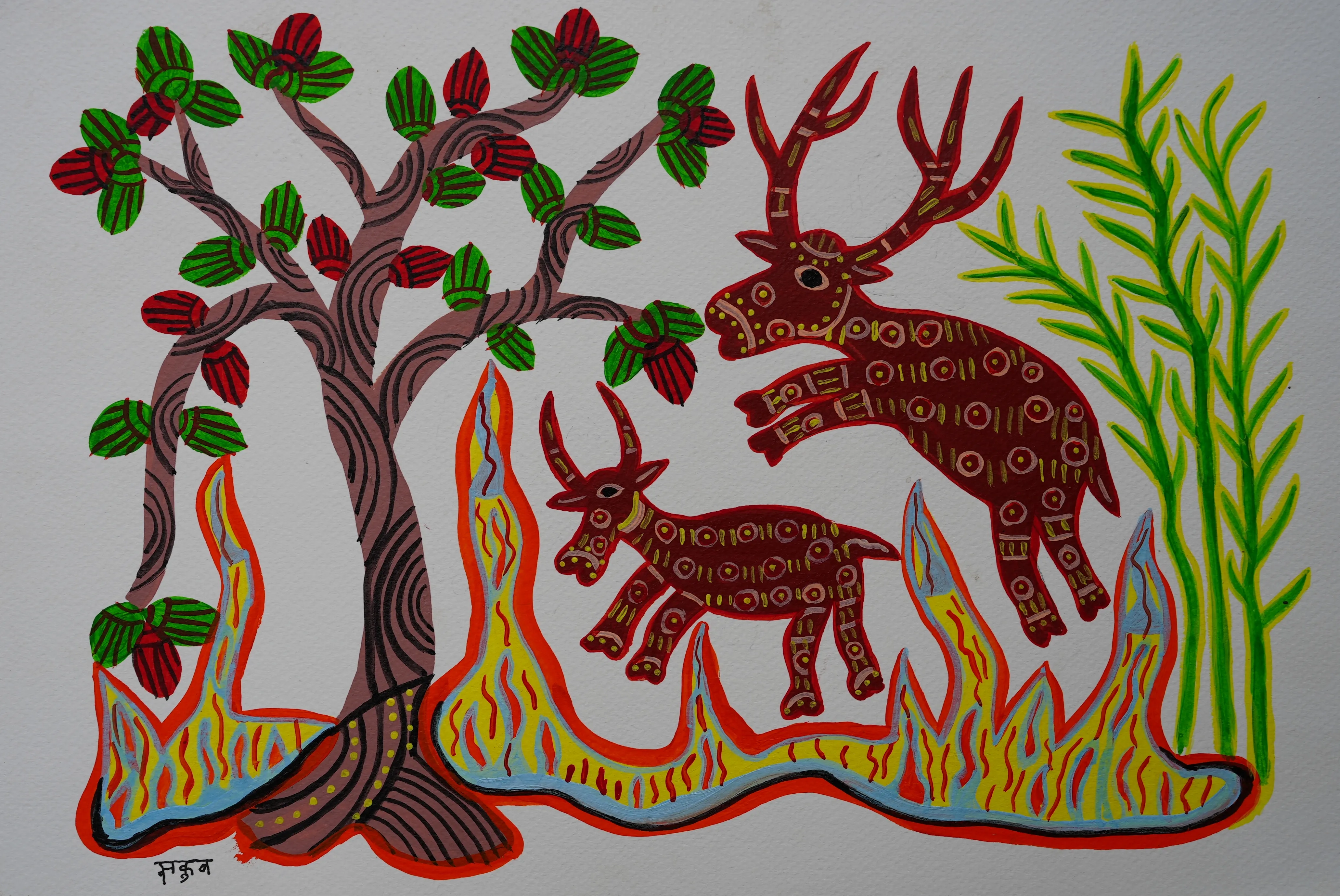
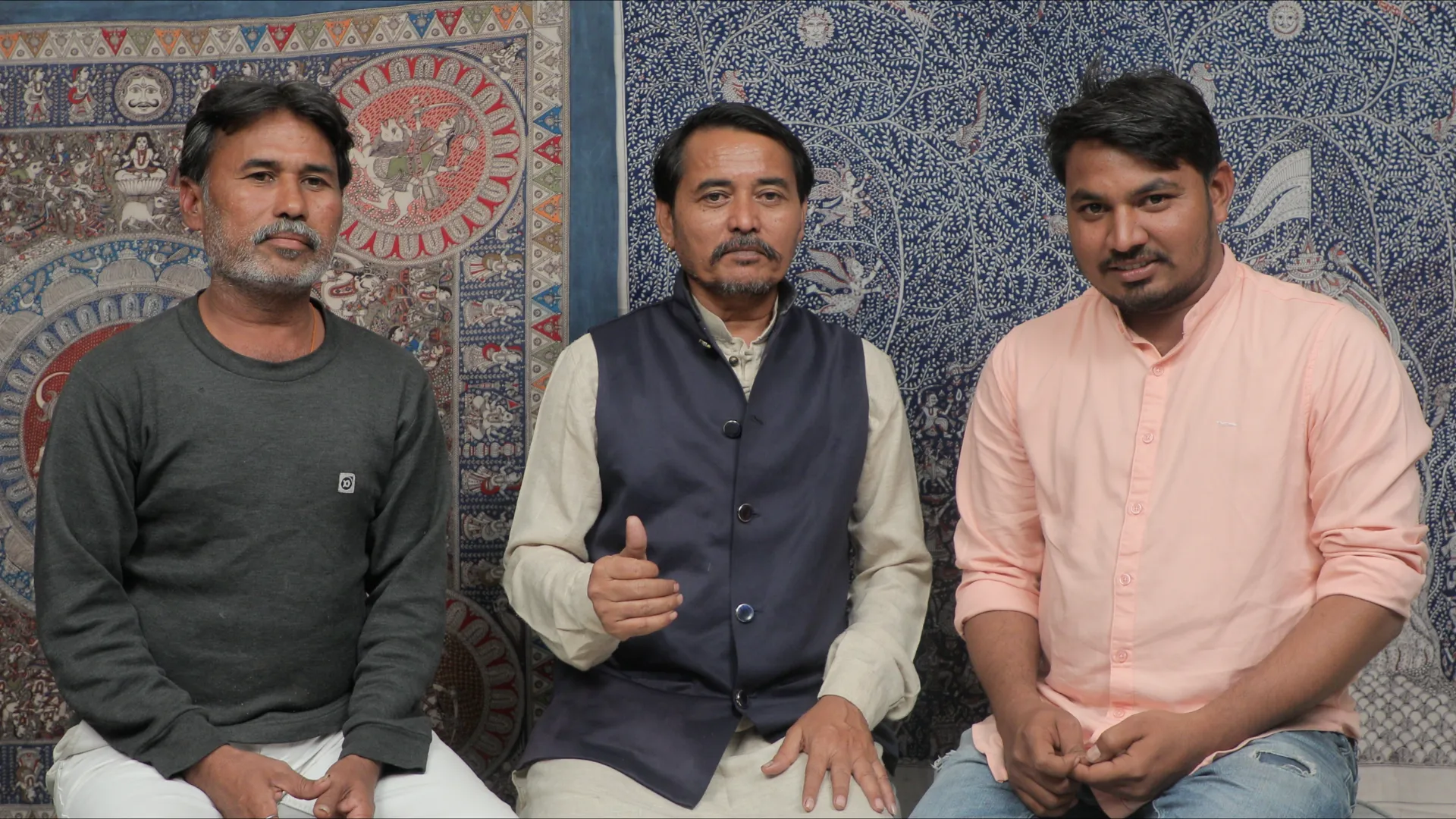
In contemporary times, Baiga art is now being recognised for it’s commercial value both at national and international levels, leading to an increased demand. Organisations and NGOs now work with the Baiga community to provide training to Baiga artists and artisans and provide support to sell pottery, wall paintings, basketry and jewelley in local markets and tourists. As such, the art has transformed into an important source of livelihood for the Baiga community. A group of local artisans and craftsmen called Mudra has been created by Baiga artist Ashish Kachhwaha and wood sculptor Manoj Dwivedi to promote Baiga arts and crafts.