


Aranmula Kannadi - The Handicraft Tradition of Kerala
Explore Aranmula Kannadi, the handicraft tradition of Kerala, and learn about its origins, techniques, cultural significance, and artistic heritage.
Introduction
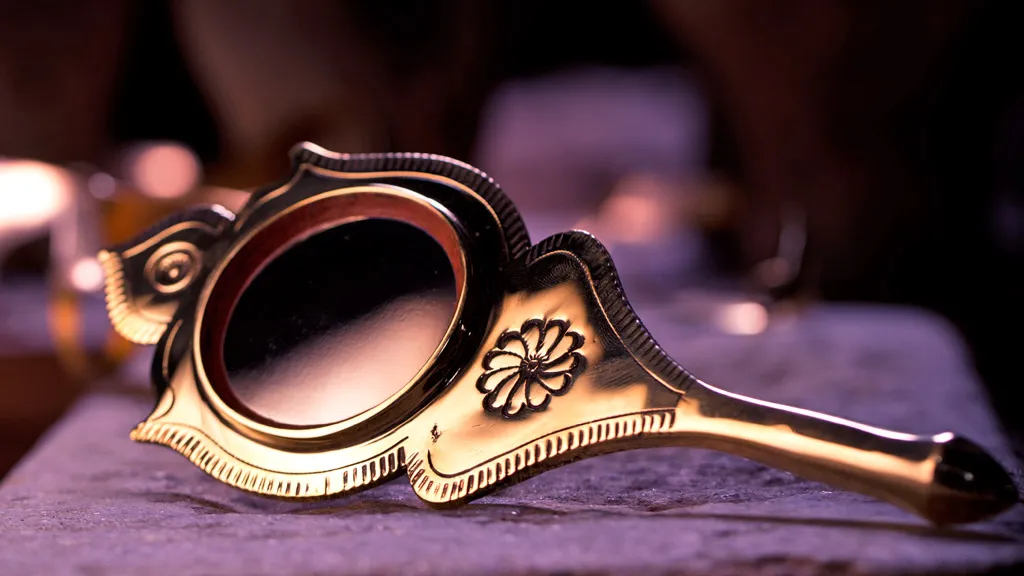
Aranmula Kannadi is a metal mirror made using a unique bronze alloy in the village of Aranmula, in Pathanamthitta district, Kerala. Unlike glass mirrors, Aranmula Kannadi is a front-surface metallic mirror produced from a specific copper-tin alloy composition, the exact proportions of which are a closely guarded family secret passed through generations. The mirror produces a distortion-free reflection and is a protected Geographical Indication product exclusively made in Aranmula. It is regarded as one of the ashtamangalya, the eight auspicious items used in Kerala Hindu rituals and ceremonies.
Etymology The name Aranmula Kannadi derives from Aranmula, the village of its origin, and the Malayalam word kannadi meaning mirror. The full term translates to 'the mirror of Aranmula.' In Puranic traditions documented locally, it is associated with the mirror of the Goddess Parvathi.
Origin The craft is documented to have originated when a group of bronze-working artisans travelled from Sankaran Koil near Tirunelveli in present-day Tamil Nadu to Aranmula at the invitation of the King of Pandalam, to participate in the construction of the Aranmula Parthasarathy Temple. While performing their metalwork duties, these artisans discovered the reflective properties of a particular copper-tin alloy they were using for temple metalwork. This reflective quality was subsequently developed into the metal mirror tradition. The artisanship has remained within specific families descended from this group for an estimated five generations or more.
Location Aranmula is a village near Chengannur in Pathanamthitta district, Kerala. The craft is exclusive to Aranmula; the specific alloy composition and the conditions needed to produce the mirror are tied to this location and to the families who hold the traditional knowledge. The Aranmula Parthasarathy Temple is the focal religious institution of the village and is central to the craft's origin narrative.
Community The craft is practiced exclusively by a small number of artisan families in Aranmula who descend from the original metalworkers. The precise alloy composition and production process are guarded family knowledge. The community has maintained this tradition over several generations, and the craft is not practiced outside these families or outside Aranmula.
Relevance Aranmula Kannadi holds GI tag protection, making it the first product from Kerala to receive this designation. The mirror is included among the eight auspicious items (ashtamangalya) used in Kerala Hindu rituals including weddings and festivals, giving it ongoing ceremonial and commercial relevance. Kerala Tourism has promoted Aranmula Kannadi as a heritage craft product.
History
Background The historical account of the craft's origin, as documented on the official Aranmula Kannadi website and referenced in Kerala Tourism materials, places the initial discovery of the alloy's reflective property within the construction period of the Aranmula Parthasarathy Temple. A second documented account describes the production of a replacement crown for the temple deity when the original was damaged; the craftsmen, short on materials, followed guidance attributed to divine instruction and produced a crown from a copper-tin alloy that was found to have a mirror-like surface. This crown, known as Kannadi Bhimbom (Mirror Image), was reportedly preserved in the Aranmula temple until 1946.
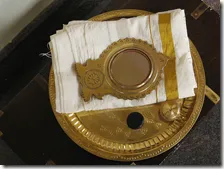
Following the discovery of the mirror quality of the alloy, the chieftain of Aranmula established the mirror as one of the mandatory auspicious items in Hindu ceremonies in the region. Small decorative mirrors in bronze containers (kumkuma cheppu, vermilion containers with mirror lids) became popular among elite Malayali women. The craft declined when cheaper glass mirrors became widely available but saw a revival approximately a decade before the late 2010s, particularly in the export market.
Culture and Societies Aranmula Kannadi is embedded in Kerala's Hindu ritual tradition as one of the ashtamangalya items. Its use in weddings and ceremonies remains documented and active. The mirror is also regarded as a luxury decorative object. The Aranmula Parthasarathy Temple's annual festival and the village's association with the craft sustain the cultural profile of Aranmula Kannadi.
Religious Significance Aranmula Kannadi has documented religious significance within Kerala Hindu tradition. It is formally included among the eight auspicious items (ashtamangalya) used in major rituals including marriage ceremonies. Its origin is directly connected to the Aranmula Parthasarathy Temple (a Vishnu temple), and local tradition describes it as the mirror of the Goddess Parvathi, referenced in Puranic tradition. The crown made from the alloy (Kannadi Bhimbom) was preserved in the temple and used in worship.
Understanding the Art
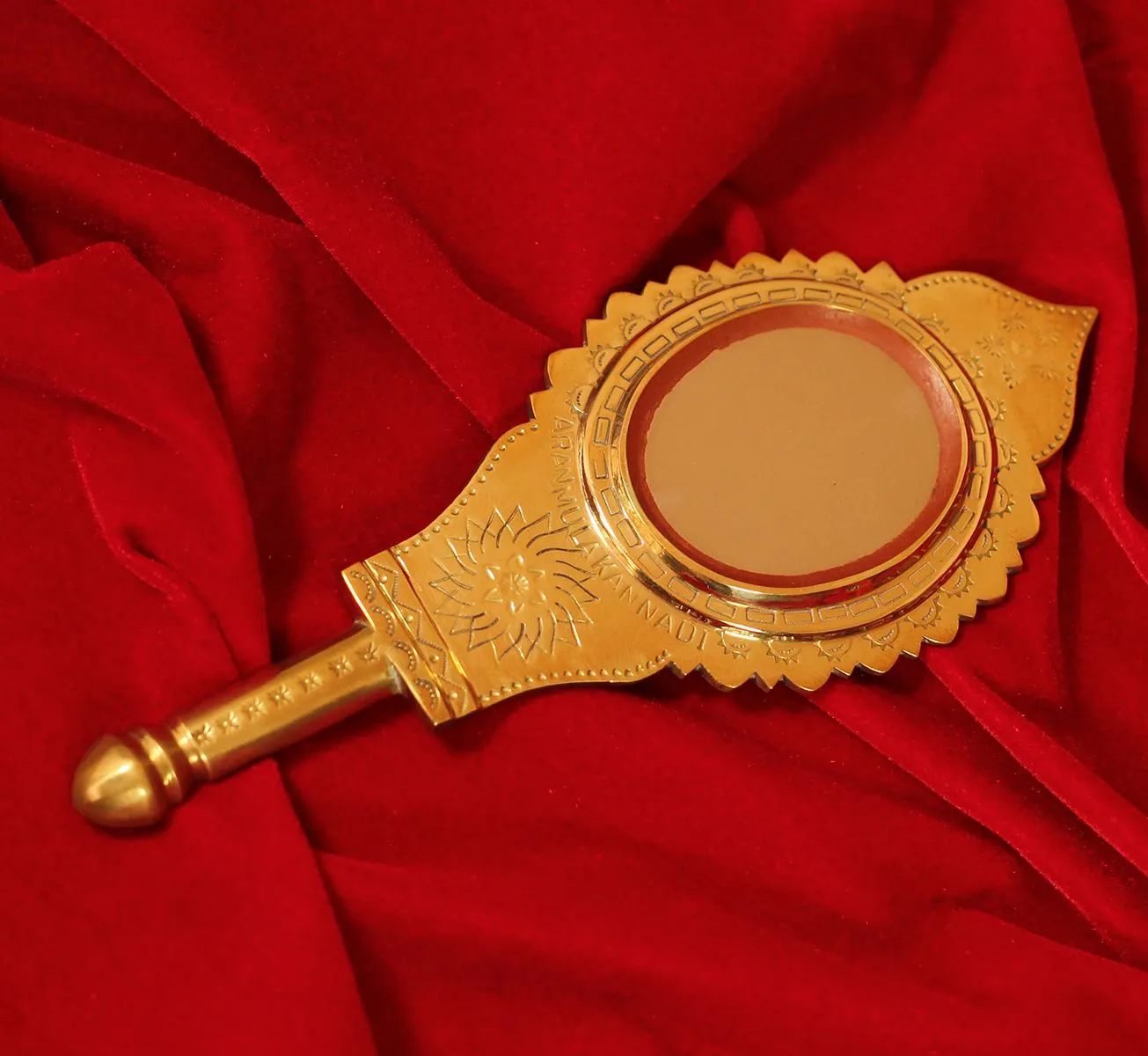
Style Aranmula Kannadi produces a bright, clear reflection from its polished front metal surface. Unlike glass mirrors (which reflect from a backing layer), the Aranmula metal mirror reflects from the polished alloy surface itself, producing a characteristically different quality of reflection. Mirrors are produced in circular, oval, and other traditional shapes with decorative metalwork frames.
Central Motifs and Their Significance The motifs on the frame and decorative elements of Aranmula Kannadi draw from Kerala's temple metal craft tradition, including traditional Kerala floral and geometric ornamental forms. The mirror surface itself is undecorated; all ornamentation is confined to the frame or surrounding elements.
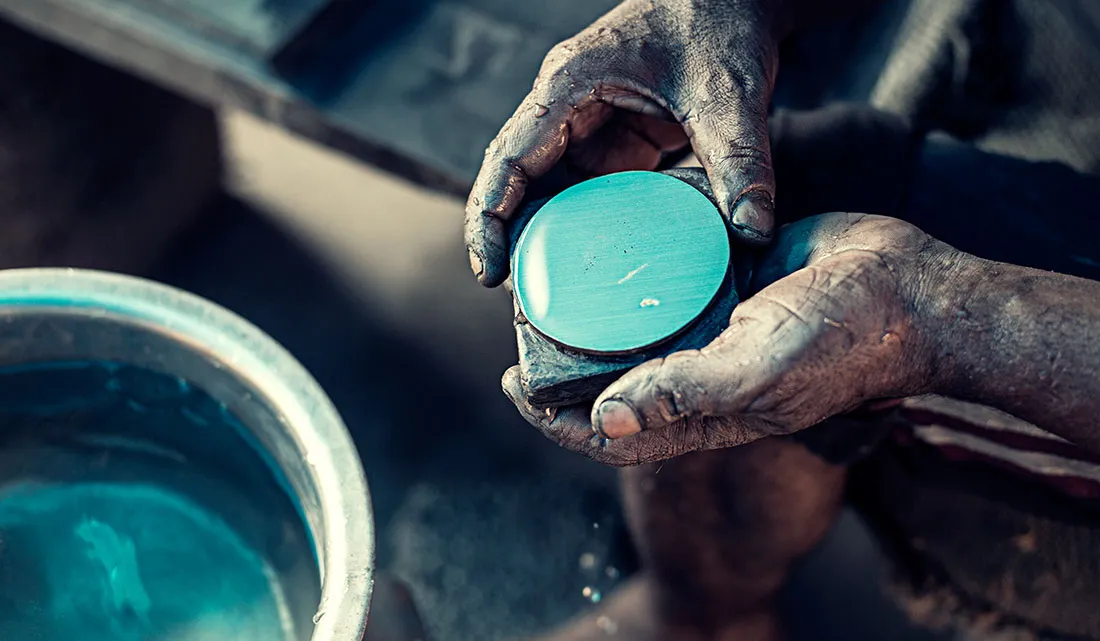
Process The production process is not fully publicly documented due to the proprietary nature of the alloy composition. What is documented is that the mirror is produced from a copper-tin alloy with additional metals whose proportions are kept secret by the artisan families. The alloy is cast and then polished to a highly reflective finish using increasingly fine abrasives. The composition is described as producing a colour resembling silver, a brittleness similar to glass, and a rare brilliance when cleaned. The front-surface reflective quality means that the polished metal face is itself the mirror, with no glass or backing required.
Mediums Used The primary materials are copper and tin in a specific alloy composition. Additional metals are included in proportions kept as family knowledge. The alloy is noted for its brittleness and its specific optical properties. Polishing materials are used to achieve the reflective finish.
New Outlook
Aranmula Kannadi has seen growing demand in both domestic and international markets, particularly in Kerala's tourism and ceremonial goods sectors. GI protection has formalised its exclusivity. The small number of artisan families involved and the restricted nature of the technical knowledge present challenges for scaling production. Preservation of the craft depends on succession within the current artisan families.
Learn Aranmula Kannadi


Bibliography
Sources
“Aranmula Kannadi Is a Metal Mirror.” Traditional Art and Crafts, traditionalartandcrafts.com.
Kerala Tourism. “Mirror: Aranmula.” Kerala Tourism, 2009, www.keralatourism.org.
Image Sources
Aranmula Kannadi. Aranmula Kannadi. aranmulakannadi.org/author/aranmulakannadi/. Accessed on May 01, 2026.
“Aranmula Kannadi.” Aranmula Kannadi Blog, WordPress, aranmulakannadi.wordpress.com/category/aranmula-kannadi/page/2/. Accessed on May 01, 2026.
“Aranmula Kannadi.” Kerala Special, keralaspecial.in/blog/1. Accessed on May 01, 2026.