
Gond Art Revival
The Gond Art Revival: Why a Generation Raised on Screens Is Returning to Hand-Painted Marks
Discover why Gond art is gaining popularity, what is driving its revival, and how growing demand is creating new opportunities and challenges for its artists.

Rooftop
Author
There comes a point when even something exciting becomes too much. No matter how groundbreaking a new invention or trend may seem at first, constant exposure can eventually make it feel ordinary. Mobile phones are an obvious example. What once felt revolutionary is now so deeply woven into everyday life that many of us barely notice how much we use them.
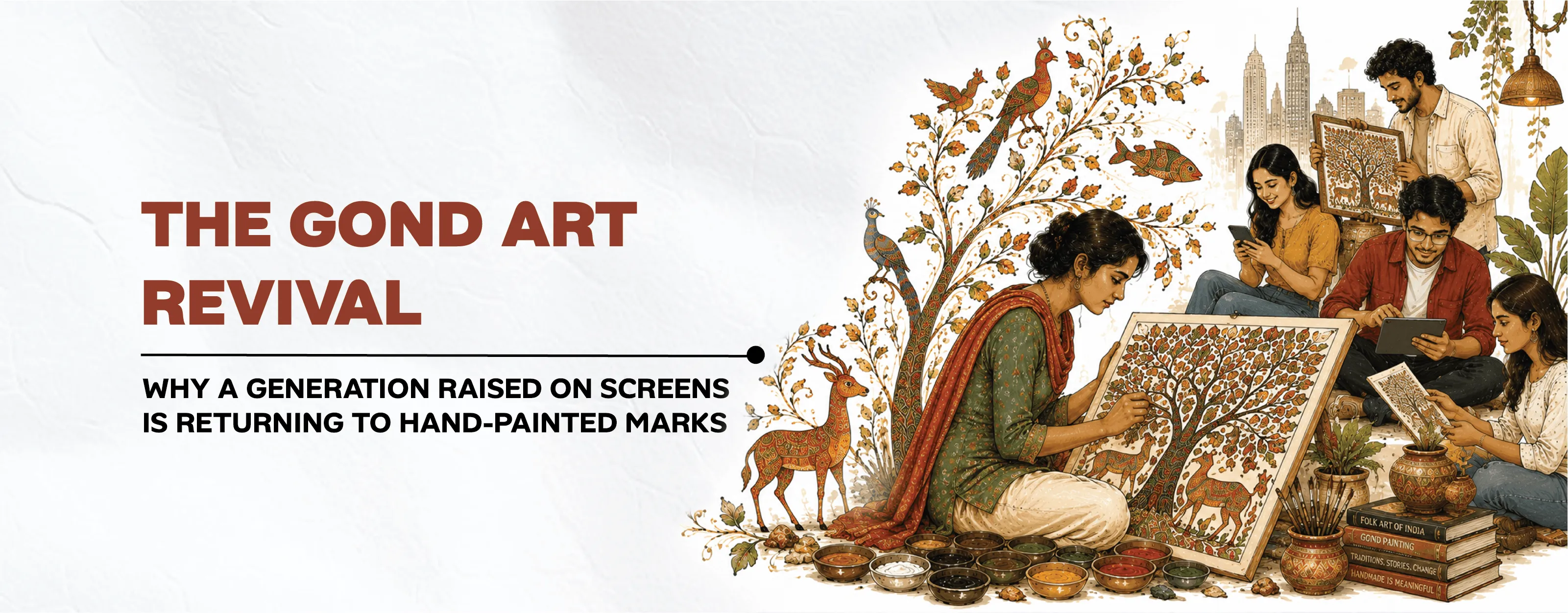
Gond art, however, seems to be moving in the opposite direction. Gond art workshops sell out within hours of being announced, while original works by established Gond artists can be acquired faster than they can be created. A younger generation of buyers in their twenties and thirties is also showing a growing interest in original, hand-painted works rather than mass-produced digital prints.
For an art form that was once largely unfamiliar to mainstream audiences, this is a significant shift. Gond painting has moved from being viewed primarily as a traditional tribal art form to becoming increasingly visible in contemporary homes, galleries, workshops, and art collections. The question is what happens when an art tradition becomes this popular, and whether the artists who created it are benefiting from that attention.
This Is Not Nostalgia
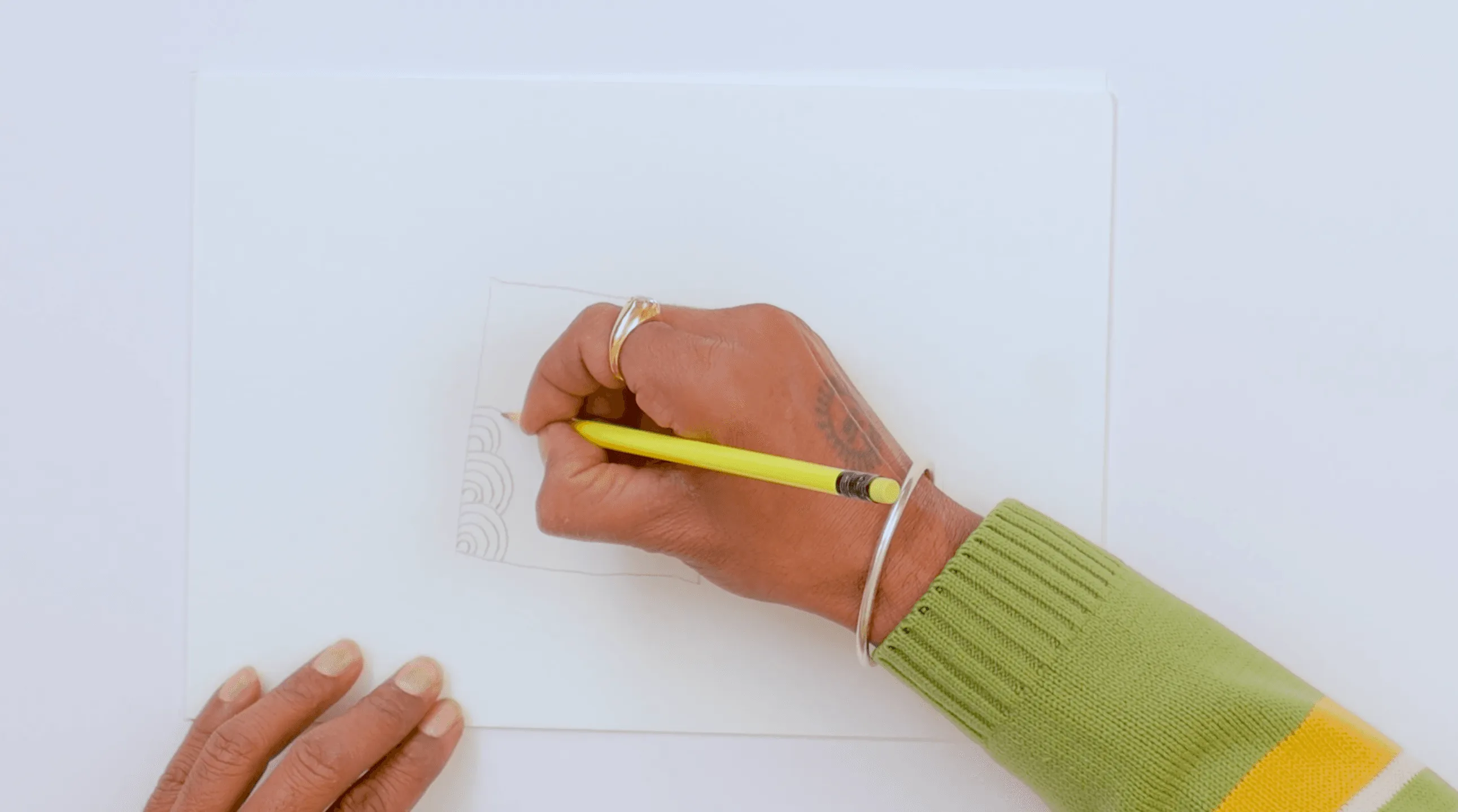
Learning Gond Art
It is tempting to see this renewed interest in Gond art as a form of nostalgia or another short-lived trend built around cultural heritage. But something else is happening as well. Many buyers today are actively looking for alternatives to the polished, repetitive imagery that fills their screens, homes, and social feeds. AI-generated images, mass-produced prints, and endlessly repeated design trends have made visual culture more abundant than ever, but that abundance can also make individual works feel interchangeable.
Gond art offers a different experience. Each original painting is made by hand, with the small variations, repeated marks, and imperfections that come from the artist's process. The time involved in creating those details is part of what gives the work its character. For some younger collectors and homeowners, that sense of physical effort and individual authorship is precisely what makes a handmade Gond painting appealing. They are not simply buying an image associated with a traditional art form. They are choosing something made by a person, with a process and history that cannot be replicated by a mass-produced print.
The Forces Driving It
Slow Living and Conscious Consumption
Buyers are increasingly interested in knowing how an object was made, who made it, and what goes into producing it. Gond painting fits naturally into this interest in handmade and artisanal work. The repeated lines, dots, and patterns that define the art form are applied by hand, and a detailed painting can require considerable time and patience to complete. That process gives an original work a sense of individual authorship that mass-produced décor cannot easily replicate.
Reclaiming Texture in a Digital World
Much of what we see every day exists on screens, from digital illustrations to social media posts and AI-generated imagery. A hand-painted Gond canvas offers a physical alternative. You can see the individual marks, variations, layers of paint, and traces of the artist's hand up close. The experience of looking at an original painting is therefore different from viewing the same kind of imagery on a screen or buying it as a printed design.
The Changing Role of the Home
The pandemic also changed how many people thought about their homes. With people spending more time indoors, walls and living spaces became more important as places for work, rest, and personal expression. This created greater interest in objects that feel personal and have a story behind them. An original Gond painting can serve that role by bringing colour, craftsmanship, and a connection to a living art tradition into the home.
Where Gond Is Showing Up That It Wasn't Before
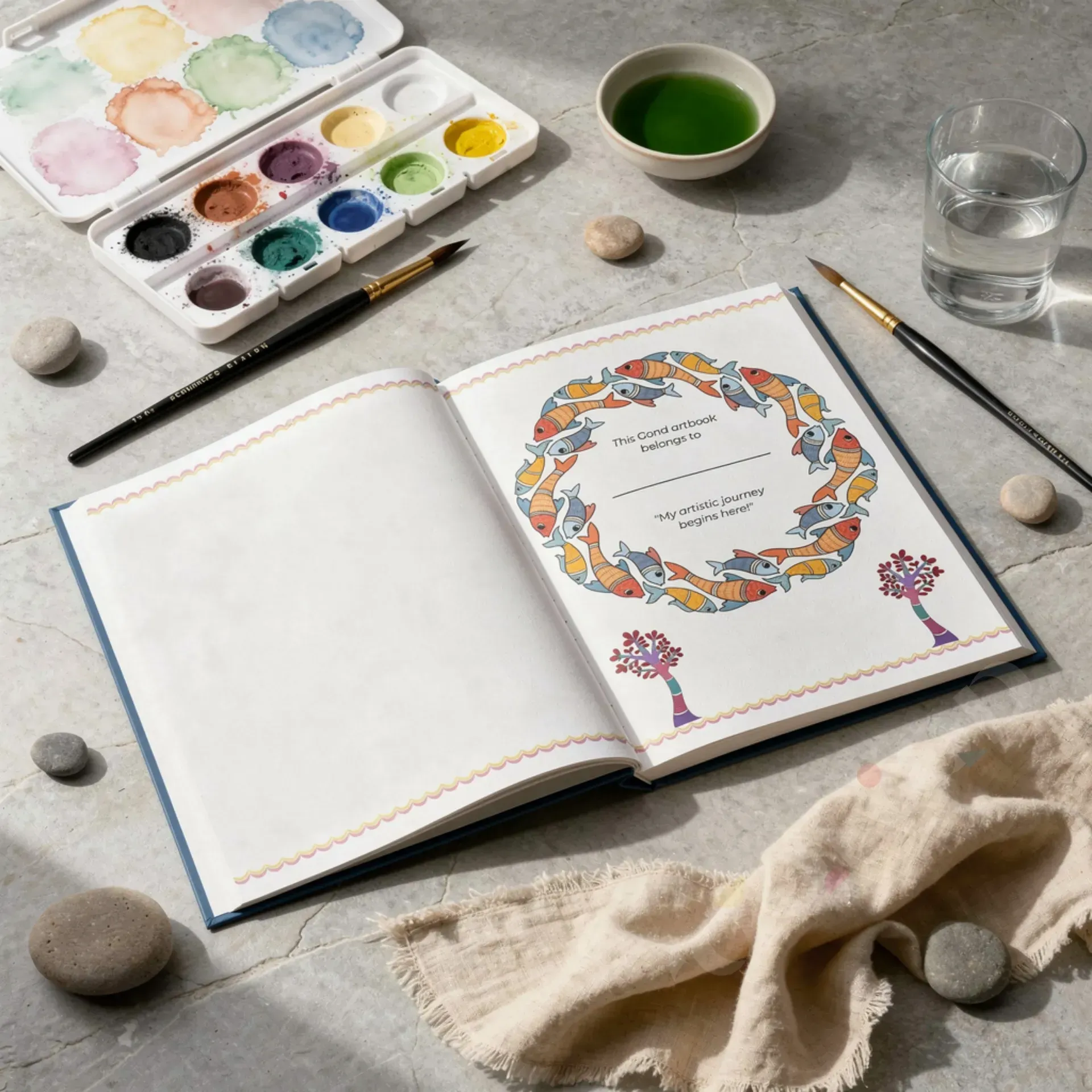
Gond Art Like Never Before
Gond art is no longer limited to galleries, museums, or the village settings where the tradition developed. Its distinctive patterns and storytelling have increasingly found their way into contemporary spaces, from fashion and design to public art and workshops.
Fashion and Textile Design
Gond-inspired imagery has appeared in fashion, textiles, home furnishings, and other design products. Some designers and organisations have also worked directly with Gond artists, bringing their visual language into new formats while giving the artists an opportunity to participate in the creative process.
Design Schools and Artist Residencies
Gond artists have also been invited into educational and creative spaces to demonstrate their techniques and discuss the ideas behind their work. These interactions give students an opportunity to encounter the tradition directly from practitioners rather than studying its visual elements in isolation.
Corporate and Public Art
Gond-inspired murals and large-scale artworks can now be found in contemporary public and commercial spaces. The detailed patterns and references to animals, plants, and the natural world make the art adaptable to larger walls and public settings, where it can become part of the visual identity of a space.
Workshops and Creative Learning
Gond painting has also become increasingly accessible through workshops and hands-on classes. For many participants, the process of repeating lines, dots, and patterns offers a focused creative activity that requires patience and attention. While it should not be reduced to a wellness exercise, the slow, repetitive nature of the process is one reason people may find the practice absorbing.
Why This Moment Is Different for the Artists
Gond artists career resurgence
For Gond artists and the communities connected to the tradition, this growing demand brings both opportunities and challenges. Greater visibility can create new ways for artists to earn from their work, reach buyers outside their local markets, and encourage younger generations to continue practising the tradition. But those benefits depend on how the growing market is structured and who actually receives the value created by the demand.
The Opportunity
Greater recognition can give established artists and younger practitioners access to new buyers, exhibitions, workshops, commissions, and other sources of income. For artists who have spent years developing their practice, a larger audience can translate into greater financial independence while also giving the tradition more visibility.
The Risk
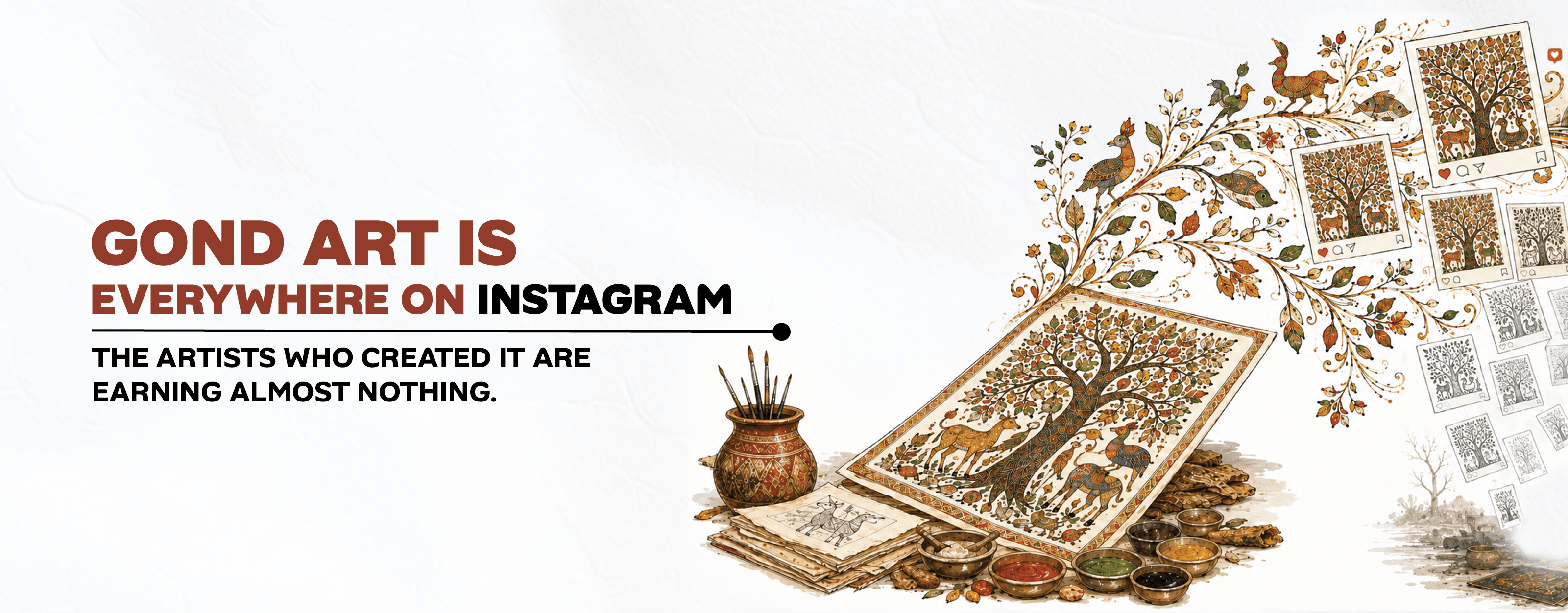
The same popularity can create problems when Gond imagery is reproduced without the involvement or knowledge of the artists. Print-on-demand products, unauthorised digital copies, and commercial designs that borrow recognisable Gond motifs can generate revenue for sellers and businesses while leaving the artists who sustain the tradition with little or no financial benefit.
The growth of Gond art therefore raises a question that is bigger than popularity alone: who benefits when an art tradition becomes commercially successful? Greater demand can support living artists and help sustain the practice, but that requires buyers and businesses to pay attention to attribution, originality, licensing, and how the money from that demand reaches the people creating the work.
What Buyers Are Beginning to Understand
Perhaps the most important part of this growing interest in Gond art is the way some buyers are becoming more conscious of what they are purchasing. An original Gond painting is more than a piece of interior décor. It carries the time, skill, and individual choices of the artist who made it, along with a connection to a living artistic tradition.
Choosing an original work over a mass-produced print can therefore have a more direct relationship with the people who continue to practise Gond art. The purchase supports an artist's work and helps create a market for handmade paintings rather than reproductions that separate the imagery from its creators.
That distinction matters as Gond art reaches increasingly large audiences. The future of the tradition depends not only on how widely its visual language is recognised, but also on whether the artists who continue to practise and develop it can make a sustainable living from their work.