
Gond Art on Insta
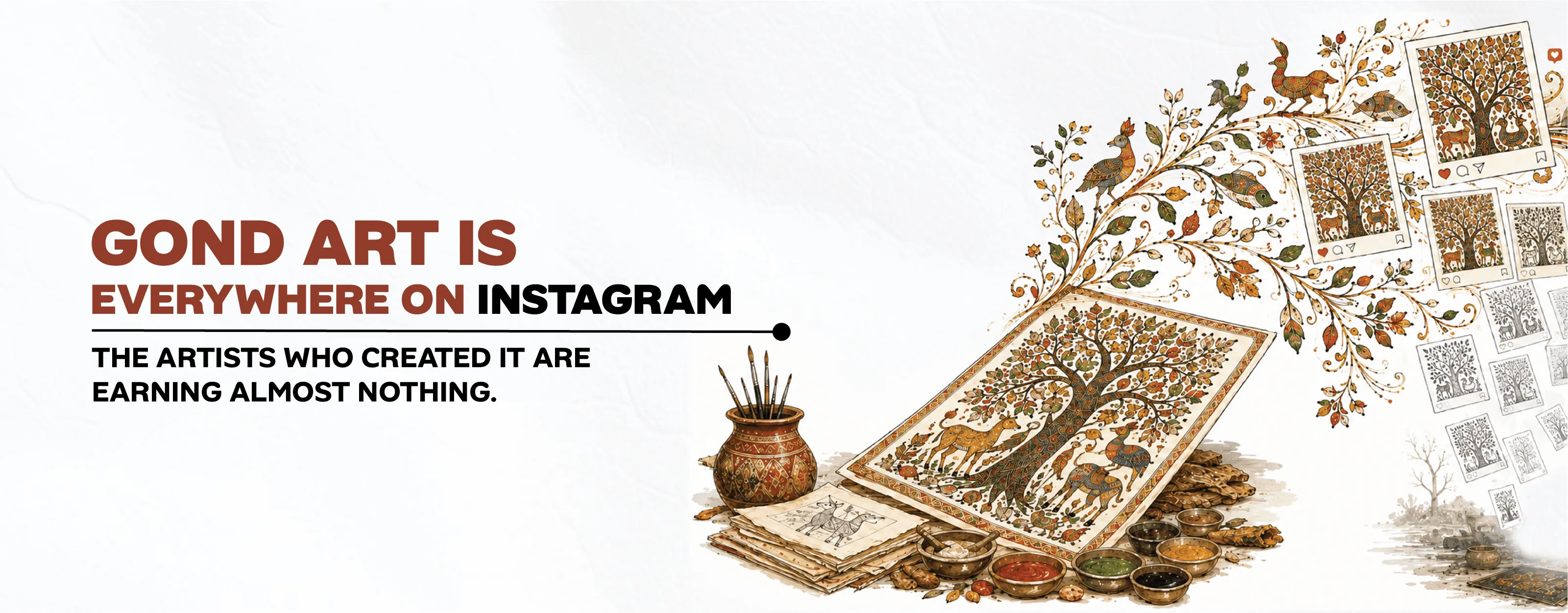
Gond Art Is Everywhere on Instagram. The Artists Who Created It Are Earning Almost Nothing.
Gond art is everywhere on Instagram, but the artists behind it often see little of the money it generates. Here's how the market leaves them behind.

Rooftop
Author
Art is everywhere today. Gond painting is a particularly visible example. Its distinctive patterns and colours appear across social media, hotel interiors, public spaces, stationery, textiles, and home decor, making the art form increasingly familiar to audiences far beyond the communities where it originated. However, there is an uncomfortable gap between how visible Gond art has become and how little visibility its artists often receive.
The style is widely recognised, reproduced, and sold, but the people who create and sustain this living tradition can remain almost anonymous to the people buying it. Businesses and brands have found countless ways to use Gond imagery, while many Gond artists continue to work within an art market where financial security, recognition, and direct access to buyers are far less certain. The result is a contradiction worth examining: Gond art has found its audience, but the artists behind it are still struggling to be seen.
What the Market Actually Looks Like
The growing popularity of Gond imagery has also made it easier for the visual language to be separated from the artists who created it. Once a painting or motif is digitised, it can travel far beyond its original context, appearing on products and promotional material where the artist, community, or tradition behind the image may no longer be mentioned.
Unattributed Print-on-Demand Goods
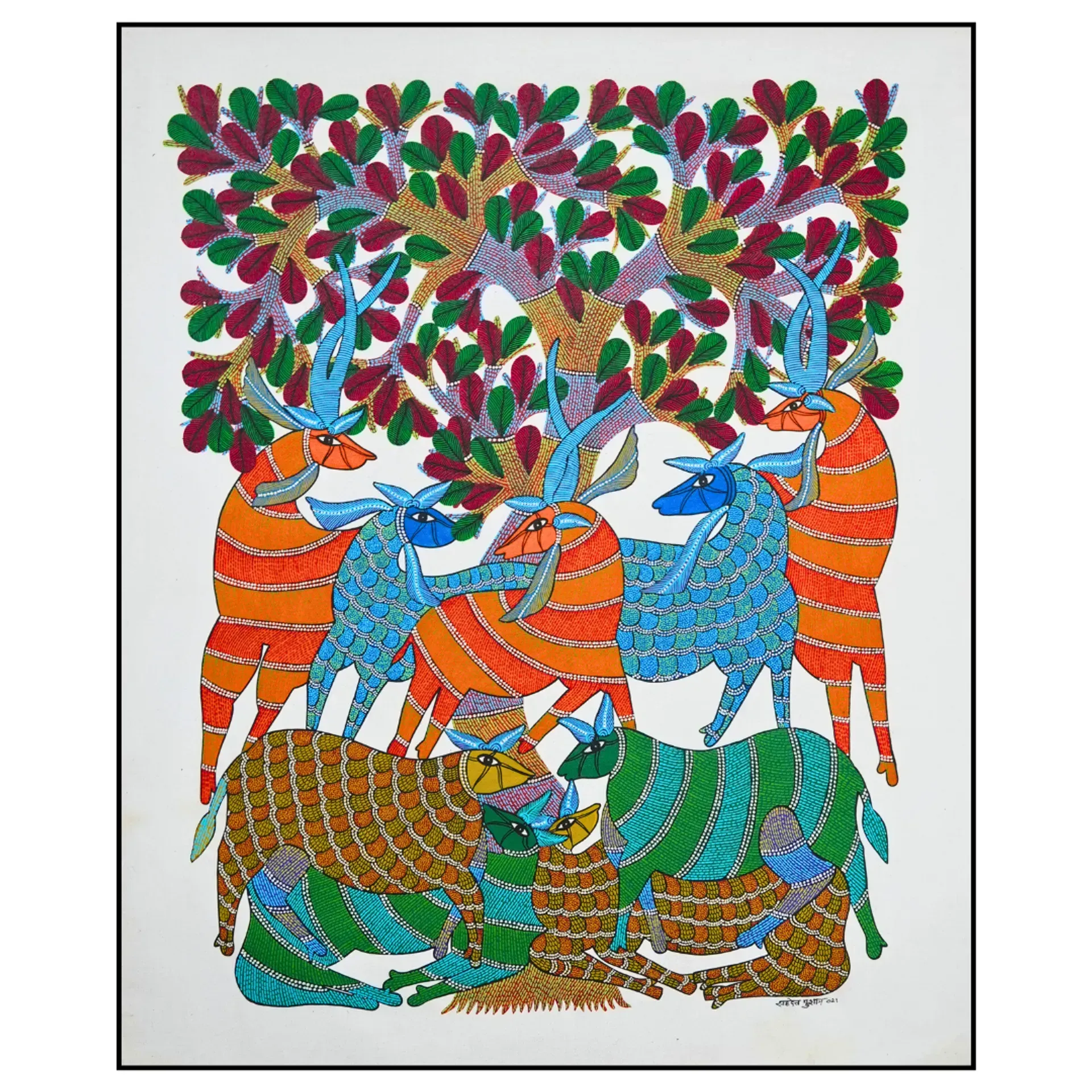
Hand Printed Gond Art
Gond-inspired patterns appear across online marketplaces on products such as tote bags, phone cases, wall plates, posters, and cushion covers. Some are presented simply as “tribal,” “boho,” or “ethnic” designs, with no information about the Gond tradition or the artists whose work may have influenced the imagery. When an artwork is turned into a product without the artist's involvement or permission, the people behind the original work can disappear from the transaction entirely.
Gond-Inspired Homeware
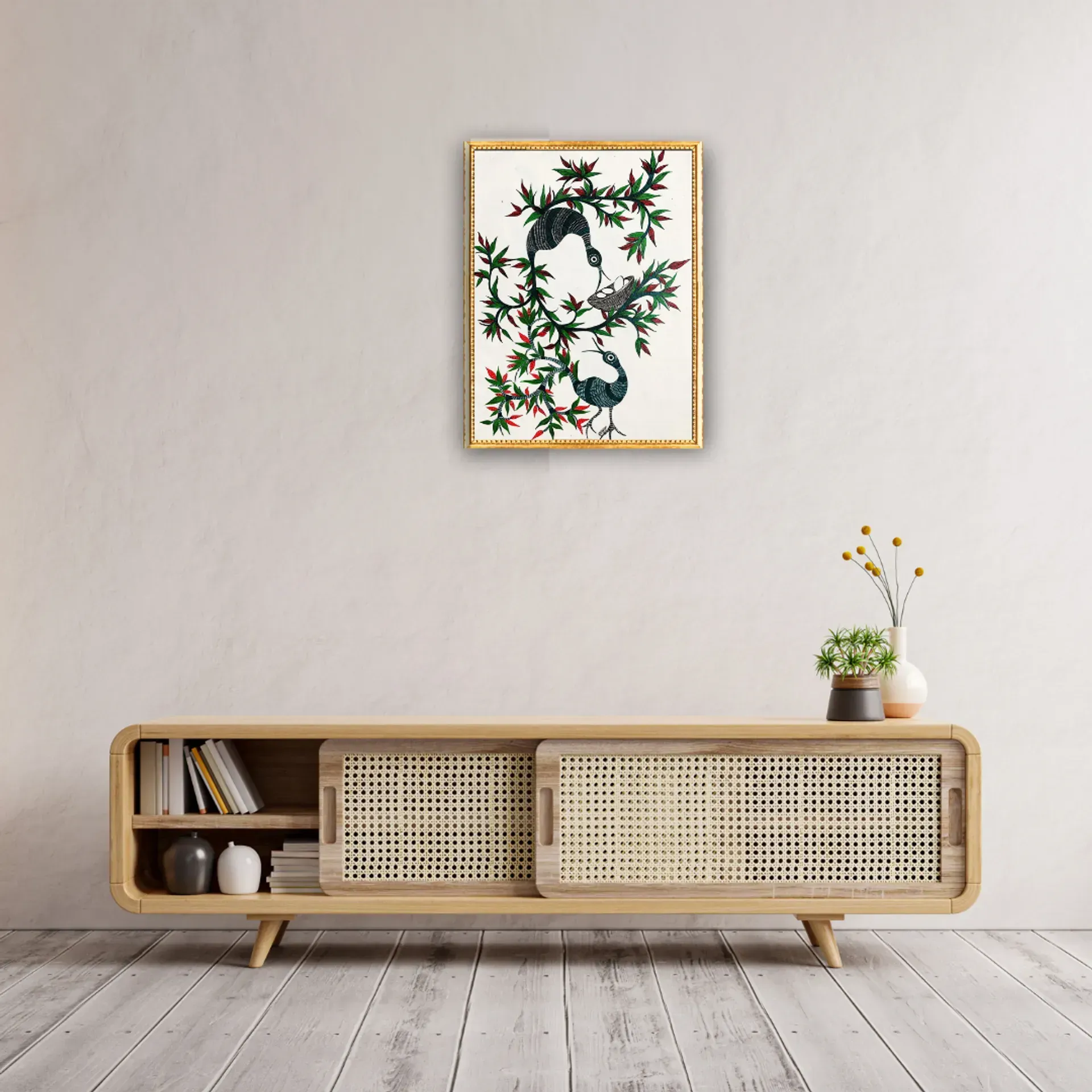
Gond Inspired Homeware
Gond patterns have also made their way into mass-produced home décor, furniture, textiles, and tableware. There is an important difference between taking inspiration from an art tradition with acknowledgement and context, and reproducing its distinctive visual elements while leaving the tradition and its practitioners unnamed. The latter makes it difficult for consumers to know where the imagery comes from or whether the artists and communities have benefited from its commercial use.
Uncontrolled Digital Circulation
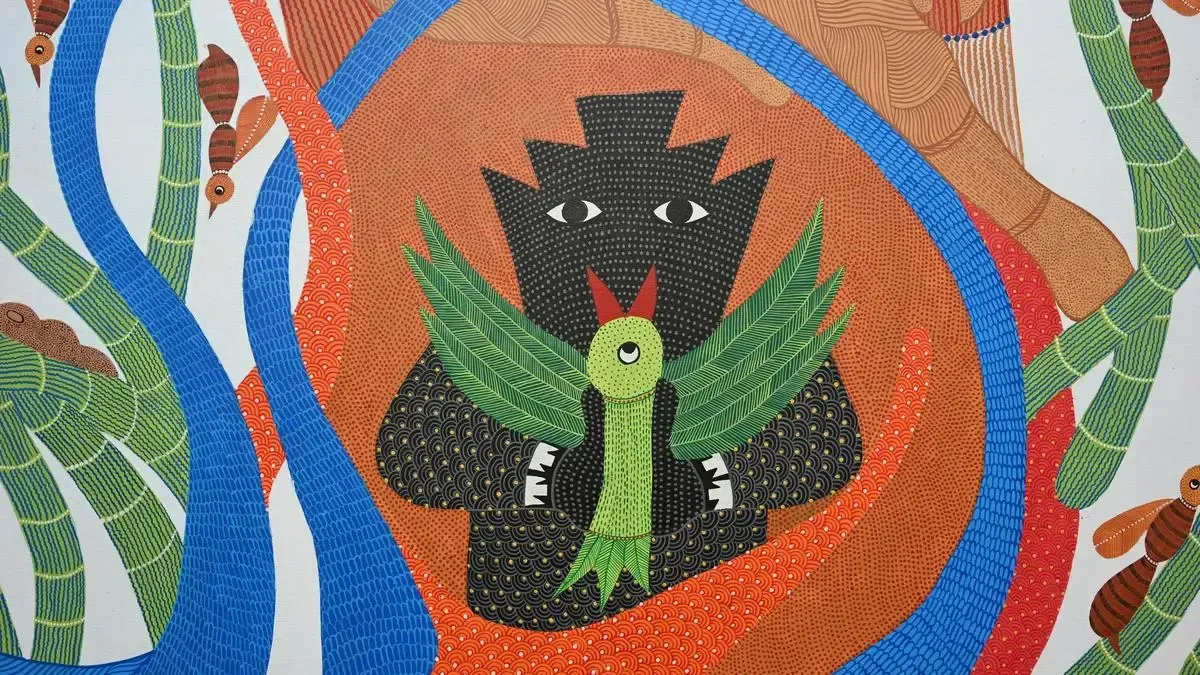
Gond Art Digital Circulation. Credit - The Hindu
The internet has made this problem even harder to track. Photographs and high-resolution scans of Gond paintings can be copied, reposted, and downloaded repeatedly, sometimes ending up in advertising, packaging, editorial material, or merchandise far removed from the original artwork. Once an image begins circulating without its original attribution, tracing how it was used and whether the artist gave permission can become extremely difficult. Therefore, we get a market where Gond art can be highly visible while the names and livelihoods of the artists behind it remain largely invisible.
Who Benefits from the Status Quo
When Gond imagery is reproduced without the involvement of the artists who created it, the commercial value of the artwork can move far away from its source. A platform can sell a printed product, a brand can build a collection around a familiar visual style, and a buyer can purchase the finished item without ever knowing which art tradition inspired it or who should be credited.
Aggregator Marketplaces & Print Services
When an original Gond painting is turned into a print or product without the artist's participation, the artist has little or no connection to the resulting sale. The platform, seller, and printing service can all have a direct commercial role, while the person whose artwork provided the starting point may receive neither payment nor credit. This is particularly problematic when an original composition is reproduced rather than simply taking general inspiration from Gond art.
Lifestyle & Decor Brands
Gond-inspired patterns can be attractive to brands looking for distinctive designs for furniture, textiles, stationery, tableware, and home decor. But there is a clear difference between working with Gond artists and communities through commissions or licensing arrangements and borrowing recognisable elements of the tradition without acknowledging where they come from. When the latter happens, the art form becomes separated from the people and cultural context that gave it meaning.
Buyers
Consumers are also part of this picture, although most buyers are unlikely to know how an artwork was made or where its imagery originated. A product may be labelled as “tribal art” or “Gond-inspired” without giving enough information to tell whether it is an original painting, a reproduction, or a design created independently from the tradition. Asking who made the work, whether it is an original, and whether the artist has been identified or compensated can make a meaningful difference.
What do the Artists Themselves Say
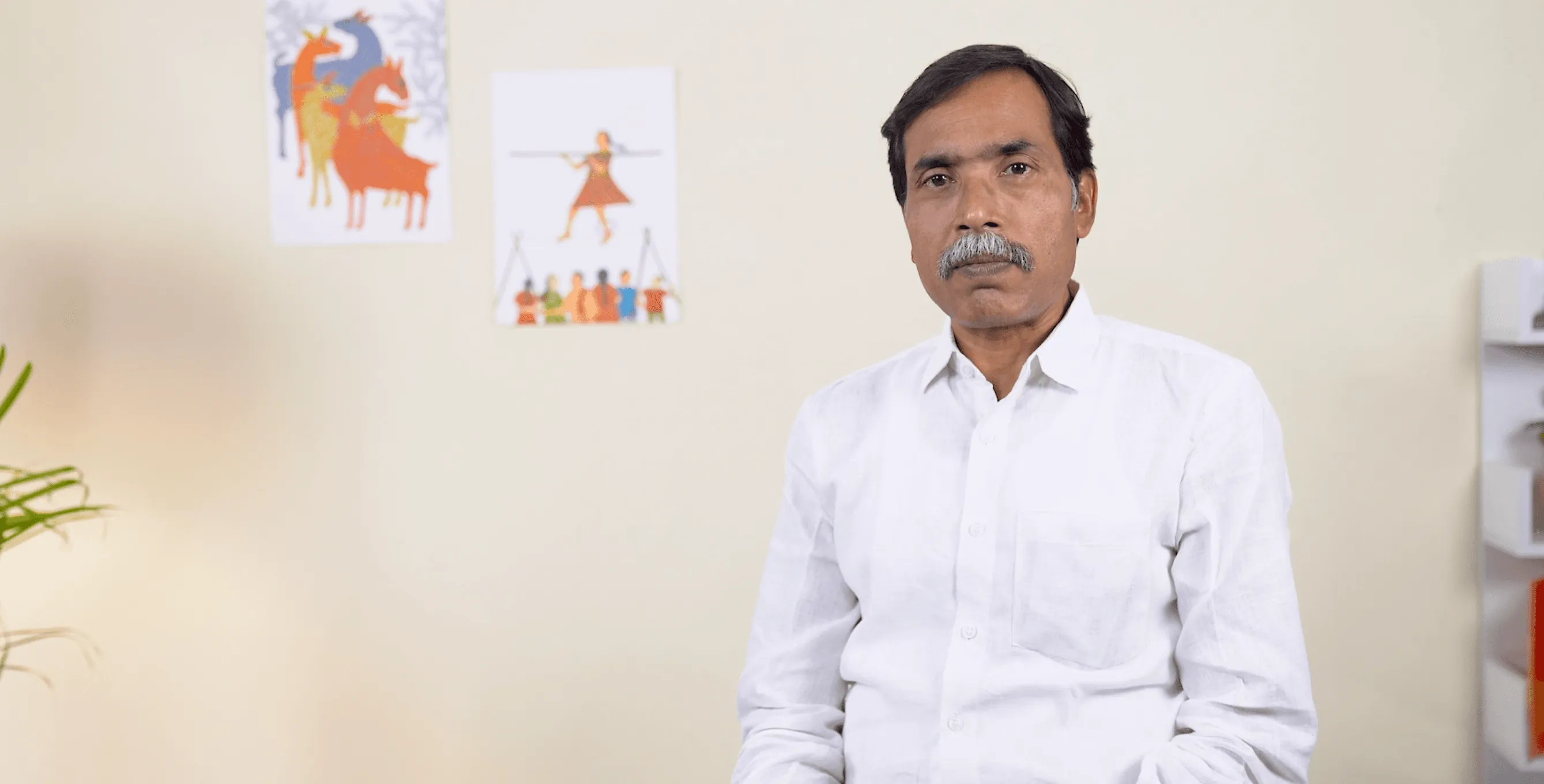
Gond Artist Venkat Singh Shyam
The commercial use of Gond imagery creates a difficult situation for artists who want their tradition to reach a wider audience but also want some control over how that happens. Seeing Gond art on products, in stores, or across international platforms can be a source of pride. It means the visual language they have grown up with is reaching people who may never have encountered it otherwise. The problem begins when the artwork travels without the artist's name, involvement, or permission.
For an artist, this can be especially frustrating when recognisable compositions, patterns, or stories appear on commercial products with no connection to the person who created them. The image may generate sales for a seller or brand while the artist receives nothing and may not even know that their work has been reproduced.
There is also a practical side to this problem. Artists need an income to buy materials, support their families, and continue making art. When commercial interest in Gond painting grows without creating corresponding opportunities for the artists themselves, the people sustaining the tradition are left out of the very market built around their work.
That distinction matters because the goal does not have to be keeping Gond art away from the wider world. Artists can benefit from greater visibility when they are properly credited, commissioned, licensed, or paid for their work. The challenge is making sure that as Gond art reaches new audiences, the artists behind it are able to benefit from that attention too.
What Ethical Engagement Actually Requires
Supporting Gond art responsibly means paying attention to more than how an artwork looks or where it can be bought. Consumers, interior designers, and collectors can make more informed choices by considering who made the work, how it was produced, and whether the artist benefits from its sale.
Prioritize Originals and Direct Licensing
Whenever possible, choose original handmade works created by artists practising the tradition. If you are buying prints, merchandise, or other reproductions, look for products made through a clear licensing arrangement with the artist. A proper licensing agreement should establish how the work can be used and how the artist is compensated, rather than leaving the creator disconnected from the commercial use of their work.
Demand Provenance & Artist Identity
Avoid anonymous “tribal-style” decor that gives you no information about its source. Look for platforms and sellers that clearly identify the artist, provide information about their background and practice, and explain what you are actually buying. For original works, documentation such as a Certificate of Authenticity can provide useful details including the artist's name, title of the work, medium, dimensions, and date of creation. Provenance and artist information also make it easier to distinguish an original artwork from a reproduction or a generic design inspired by the tradition.
Respect the Time and Skill Behind the Craft
A handmade Gond painting represents years of learning and practice as well as the time spent creating that particular work. The intricate patterns and repeated marks may look simple from a distance, but they require patience, control, and considerable labour. Original works therefore should not be treated like mass-produced décor where aggressive bargaining is expected. Paying a fair price helps recognise the artist's time and skill while supporting their ability to continue practising the tradition.
What Doing It Right Looks Like
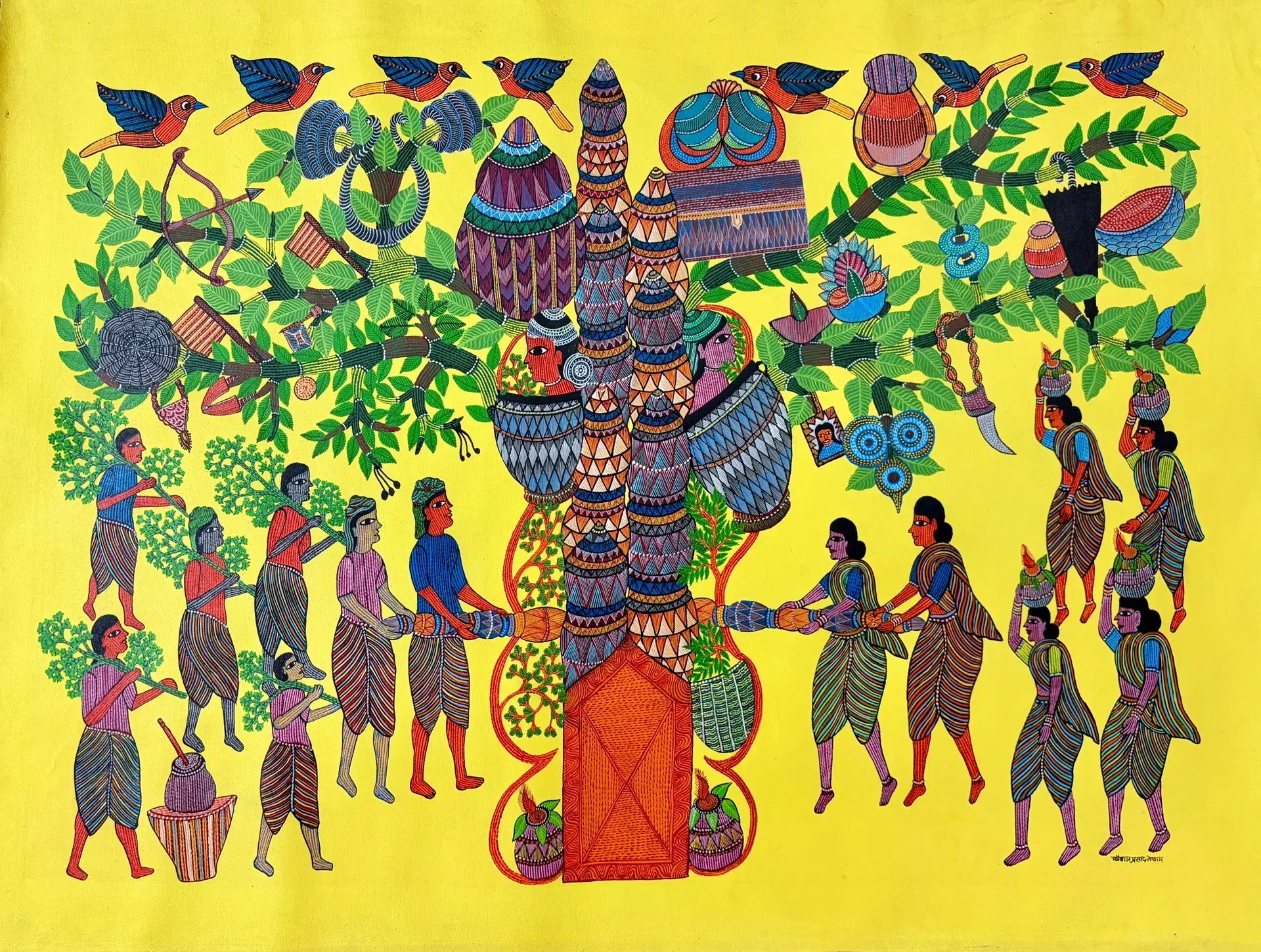
Real Gond Art
An ethical approach to tribal art does not have to be complicated. At its core, it means treating artists as working professionals, giving them proper credit, and making sure they have a fair stake in the commercial value of their work.
Doing it right means building relationships with artists around fair compensation, clear agreements, and respect for the cultural context of the work. When contemporary Gond art is bought directly from a living artist or through an ethical gallery, the artist remains visible throughout the transaction. The same should apply when an online platform presents a Gond painting. The work should be accompanied by the artist's name, information about their practice, details about the artwork, and appropriate documentation such as a Certificate of Authenticity.
This kind of transparency benefits everyone involved. Buyers know what they are purchasing and who made it, while artists have greater visibility and a clearer connection to the market for their work. Most importantly, it allows Gond art to reach new audiences without separating the artwork from the people and tradition behind it.
A Different Way to Engage With Gond Art
The problems around the commercialisation of Gond art can make ethical buying feel complicated, but there are platforms trying to approach the relationship between artists and buyers differently. Rooftop is one such anomaly. Instead of treating Indian art as a collection of attractive visual styles to be packaged and sold, Rooftop puts the artists and their practices at the centre of the experience.
When you explore Gond artworks on Rooftop, the artist is not hidden behind a generic category such as “tribal art.” Their name, background, artistic practice, and the details of the work are part of the experience of buying it. Original artworks are accompanied by relevant documentation, including Certificates of Authenticity where applicable, giving buyers a clearer understanding of what they are purchasing and who created it. This is important in a market where the artwork can easily become more visible than the person behind it.
Rooftop also approaches artist engagement beyond the act of selling an artwork. Through its courses and learning experiences, it gives audiences an opportunity to understand Indian art traditions from the perspective of practitioners themselves. Its Gond Art Course with Venkat Raman Singh Shyam, for instance, allows learners to study the tradition with a second-generation Pardhan Gond artist who has spent more than four decades practising the art form. The 6-hour course, divided into 4 chapters and 28 lessons, covers the history and origins of Gond art, its patterns, brushes, colours, and creative process before moving into practical lessons.
That distinction matters. If Gond art is going to continue reaching new audiences, commercial visibility alone is not enough. The artists need to remain visible within that growth, with their names, practices, knowledge, and work receiving the recognition they deserve. Platforms like Rooftop show that it is possible to build an audience for Indian art while keeping the people behind the art at the centre of the conversation.