15% OFF
Artventures of Mata Ni Pachedi: A Devotional Journey Through Art (3 Set)
$ 69$ 79


Let's learn about the Mata Pachedi paintings!
Deep in the textile heritage of western India lives an art form that is both a sacred cloth and a portable shrine. Mata ni Pachedi, which translates literally as “behind the mother goddess,” is a hand-painted fabric tradition from Gujarat practised by the Vaghari community for roughly 400 years. Created as a devotional object during the Navratri festival, it functions as a temporary temple for communities who historically had no access to permanent places of worship. Today, this deeply spiritual Gujarati textile folk art is recognised as one of the most distinctive forms of traditional Indian art, admired equally for its craftsmanship, storytelling, and cultural resilience.
What Is Mata ni Pachedi?
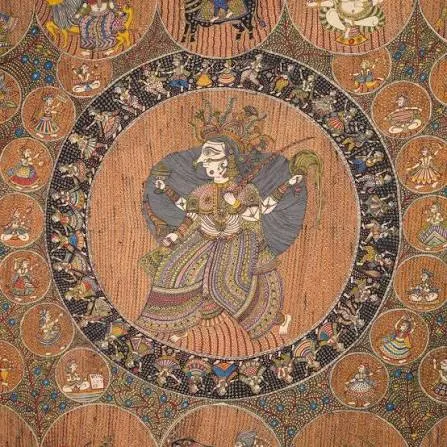
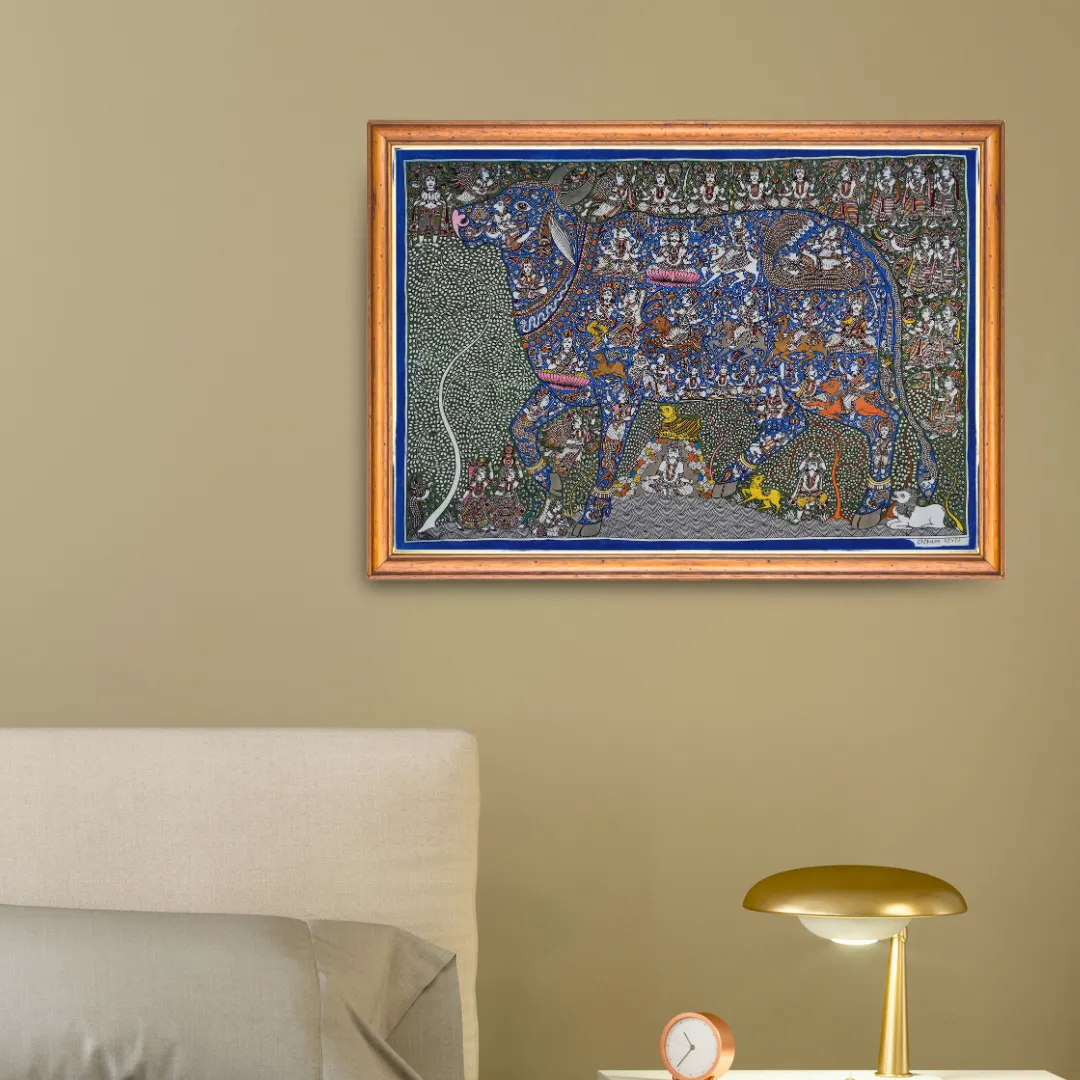
Mata ni Pachedi is a hand-painted cloth art form from Gujarat, India, practised primarily by the Vaghari community. The name comes from two Gujarati words: “Mata” (mother goddess) and “Pachedi” (behind), referring to the cloth that is hung behind the deity during worship. If someone asks what Mata ni Pachedi is, the simplest answer is this: it is a sacred painted textile that serves as a portable shrine, depicting the Hindu mother goddess at its centre and surrounded by her devotees, attendant figures, and animals, all rendered in bold outlines on cotton or silk-cotton cloth.
The cloth is painted using natural pigments derived from iron rust, tamarind seeds, jaggery, indigo, and henna. Artists use bamboo sticks and fine twigs dipped in ink to draw outlines before filling in the colours. The finished textile is hung outdoors during the Chaitra Navratri (March-April) and Sharad Navratri (September-November) festivals as a consecrated space for prayer and community gathering.
History and Origin
The origins of Mata ni Pachedi lie in a specific social and religious circumstance in Gujarat. The Vaghari community, a nomadic group who moved along the banks of the Sabarmati River, was historically barred from entering Hindu temples due to caste discrimination. Unable to worship the goddess inside a temple, they created their own solution: a large painted cloth depicting the deity that could be hung behind a tree or structure to form a temporary shrine. This practice is believed to be at least 400 years old.
Because the Vaghari were nomadic, the art form has no single place of origin, though it is now most closely associated with the area around Vasana in Ahmedabad, where the Chitara community of artisans has settled over generations. The tradition is sometimes called the Kalamkari of Gujarat because, like Kalamkari from Andhra Pradesh, it uses natural dyes and pen-like tools on fabric to create narrative and devotional imagery. The art was originally created to appease the Kuldevi (clan goddess) at the Maa Setrojia temple, and the completed textiles were treated as sacred heirlooms. Only high priests could handle a finished Mata ni Pachedi, and when an old textile was replaced with a new one, the old cloth was submerged and set afloat in a holy river - a ritual that underlines how deeply these painted cloths were embedded in the community’s spiritual life.
Over time, the art was gradually opened to a wider audience, and wooden and mud blocks began to be used alongside hand-painting to meet demand. Today, Mata ni Pachedi motifs appear on saris, dupattas, and bedsheets, though the hand-painted ritual textile remains the most revered form.
Key Features and Visual Style
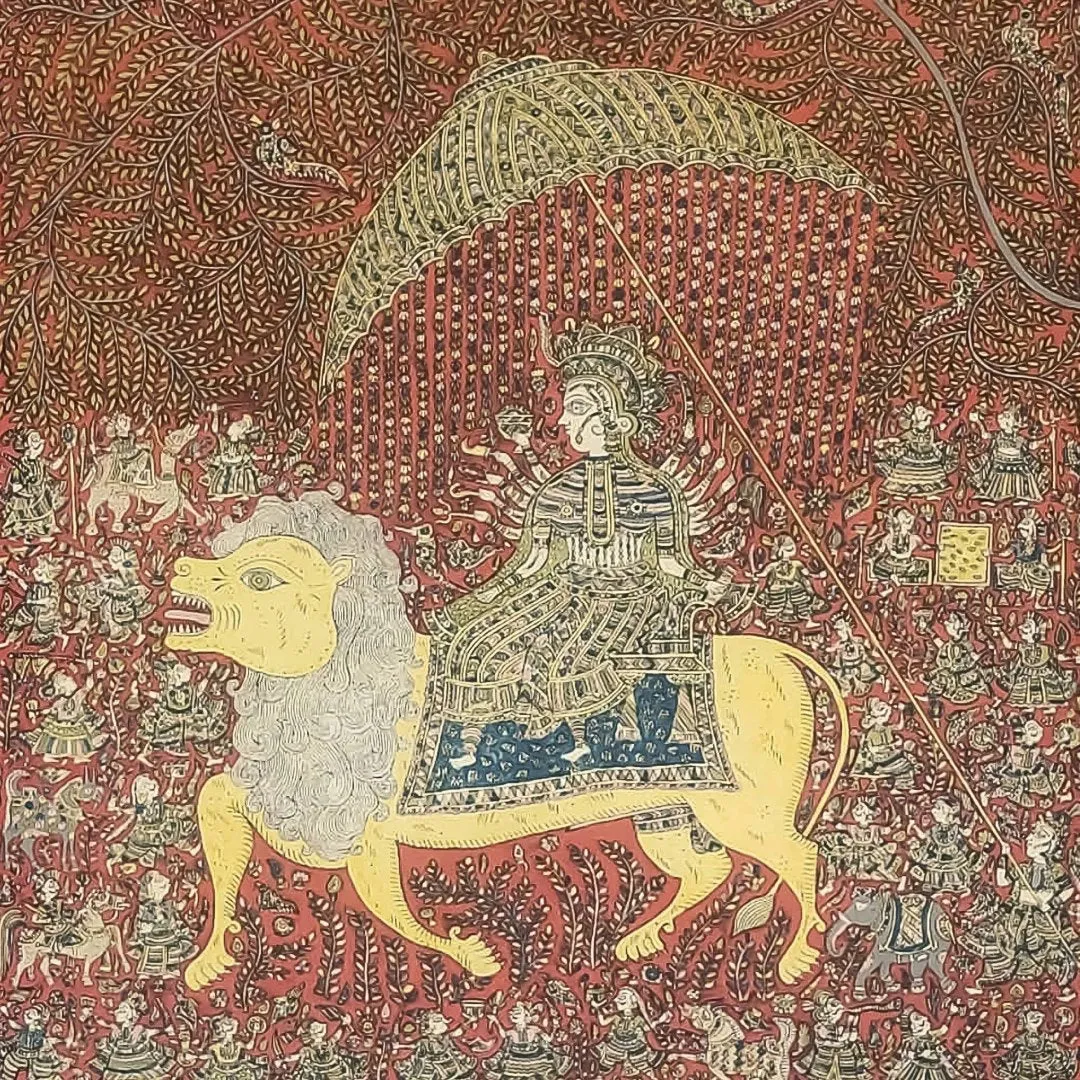
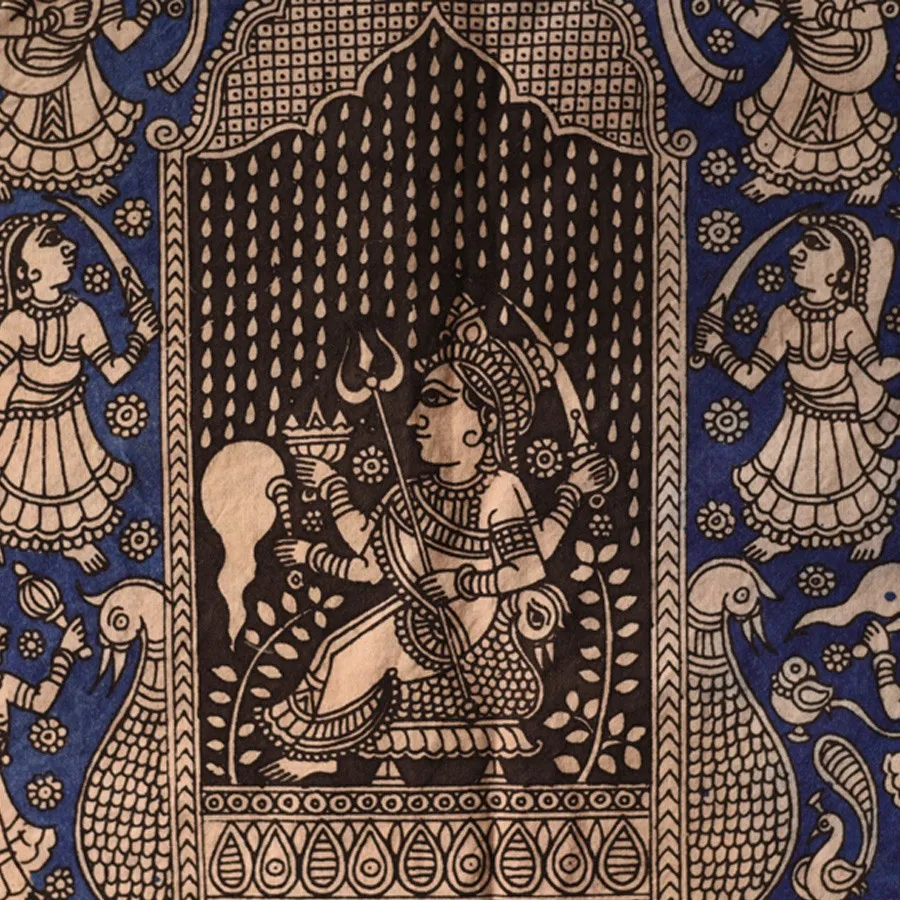
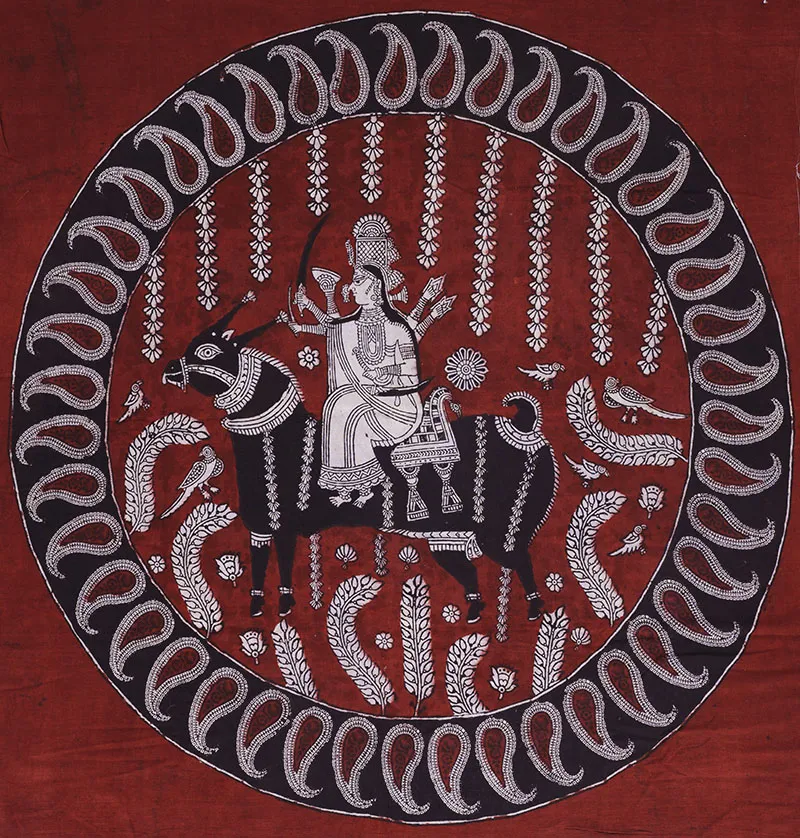
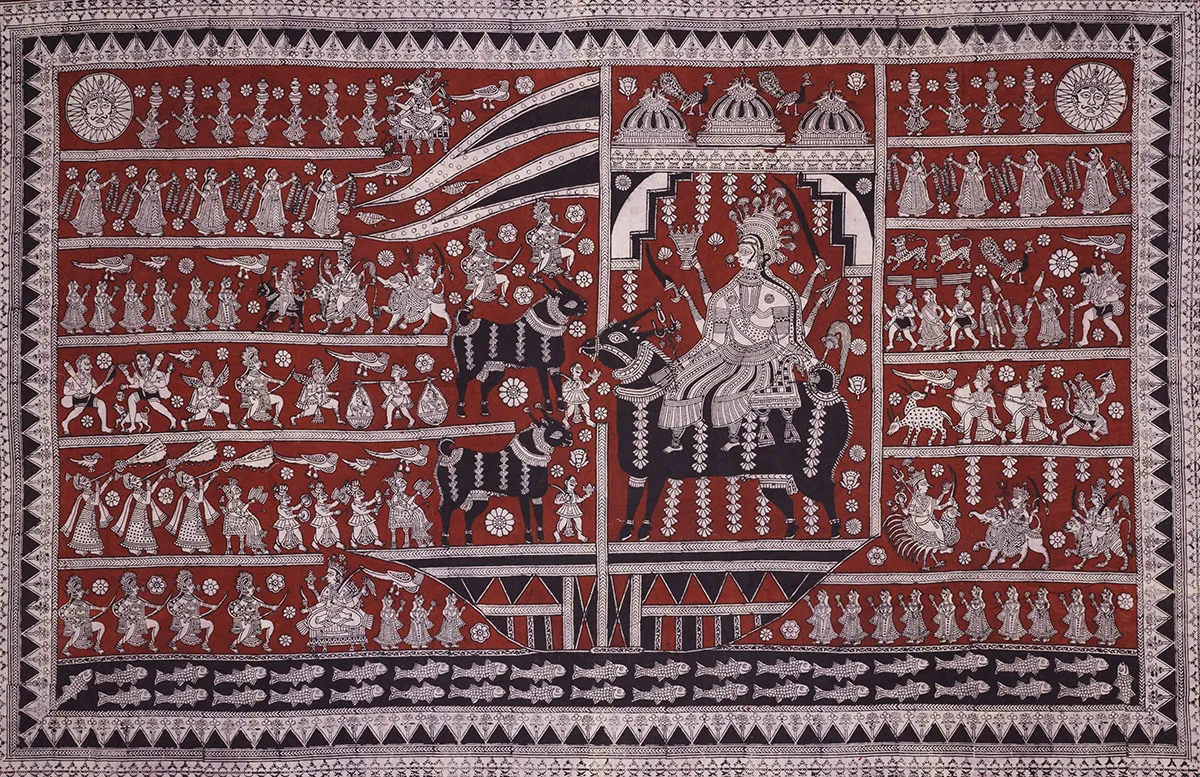
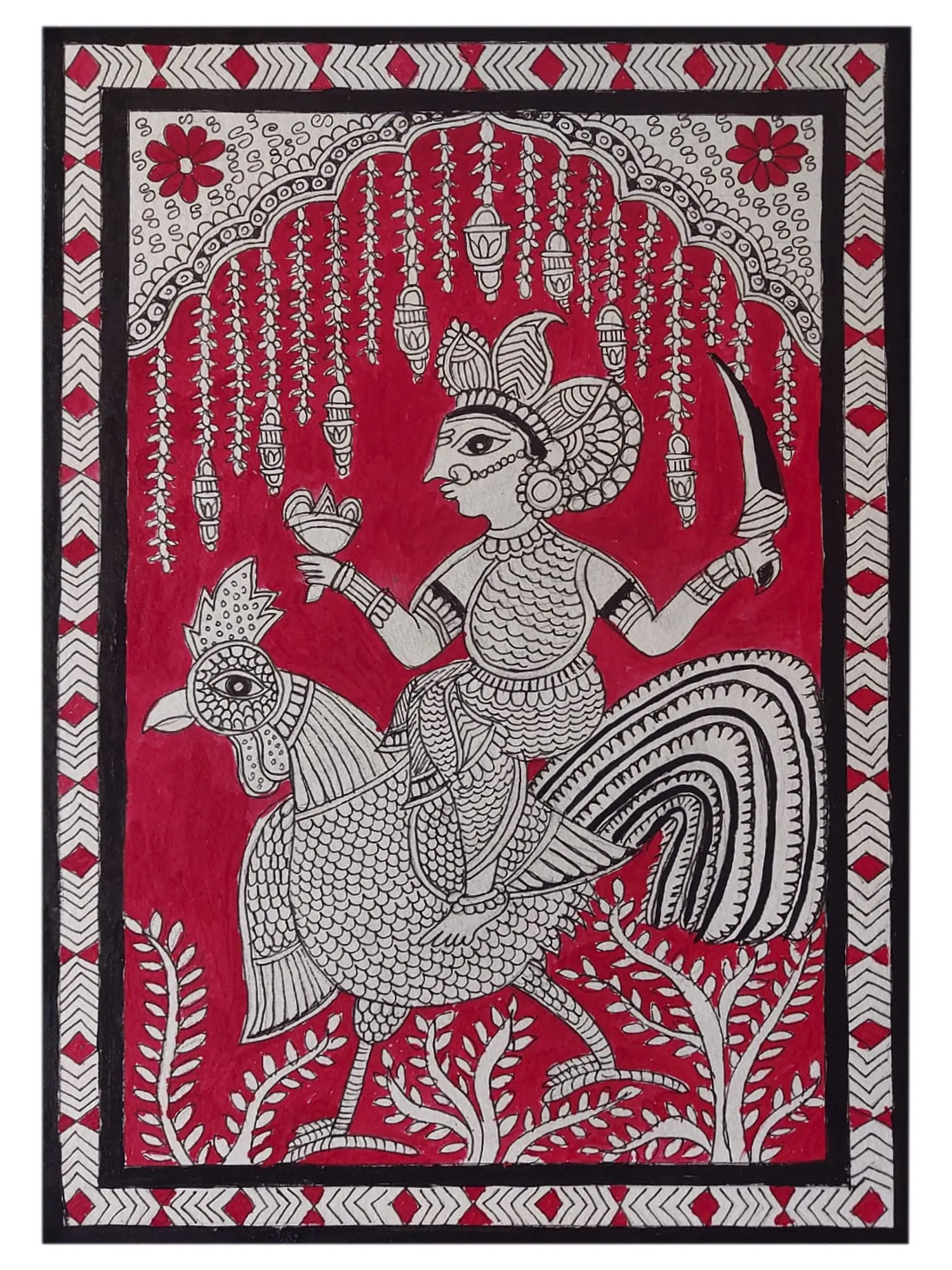
The visual language of Mata ni Pachedi is dense, bold, and deeply symbolic. The central figure is always a Hindu mother goddess depicted in full regalia, seated within a temple-like archway, with her vahana (divine vehicle) placed prominently. The remaining cloth is filled with rows of devotees, animals, priests, astrologers, musicians, and mythological scenes, creating a visual narrative of the goddess’s world.
The central deity is painted in the most prominent position, surrounded by a temple arch, and depicted with ornaments, weapons, and a vahana such as a lion or tiger.
Natural pigments are used exclusively in traditional pieces, including colours extracted from iron rust, tamarind seeds, jaggery, indigo, and henna applied onto cotton or silk-cotton cloth.
Outlines are drawn first using bamboo sticks or fine twigs dipped in ink, creating bold, confident linework that defines every figure before colour is applied.
The fabric itself is pre-treated with a local chemical called harda and then sun-dried over two days before painting begins, which prepares the cloth to absorb natural dyes evenly.
Border panels are painted boldly and often adorned with carnation flower motifs, creating a decorative frame around the central religious composition.
After painting, the textile is boiled in water with Dhawda flowers and alizarin to fix the colours, a finishing process that also lends the cloth its characteristic warm depth.
Famous Artists of Mata ni Pachedi
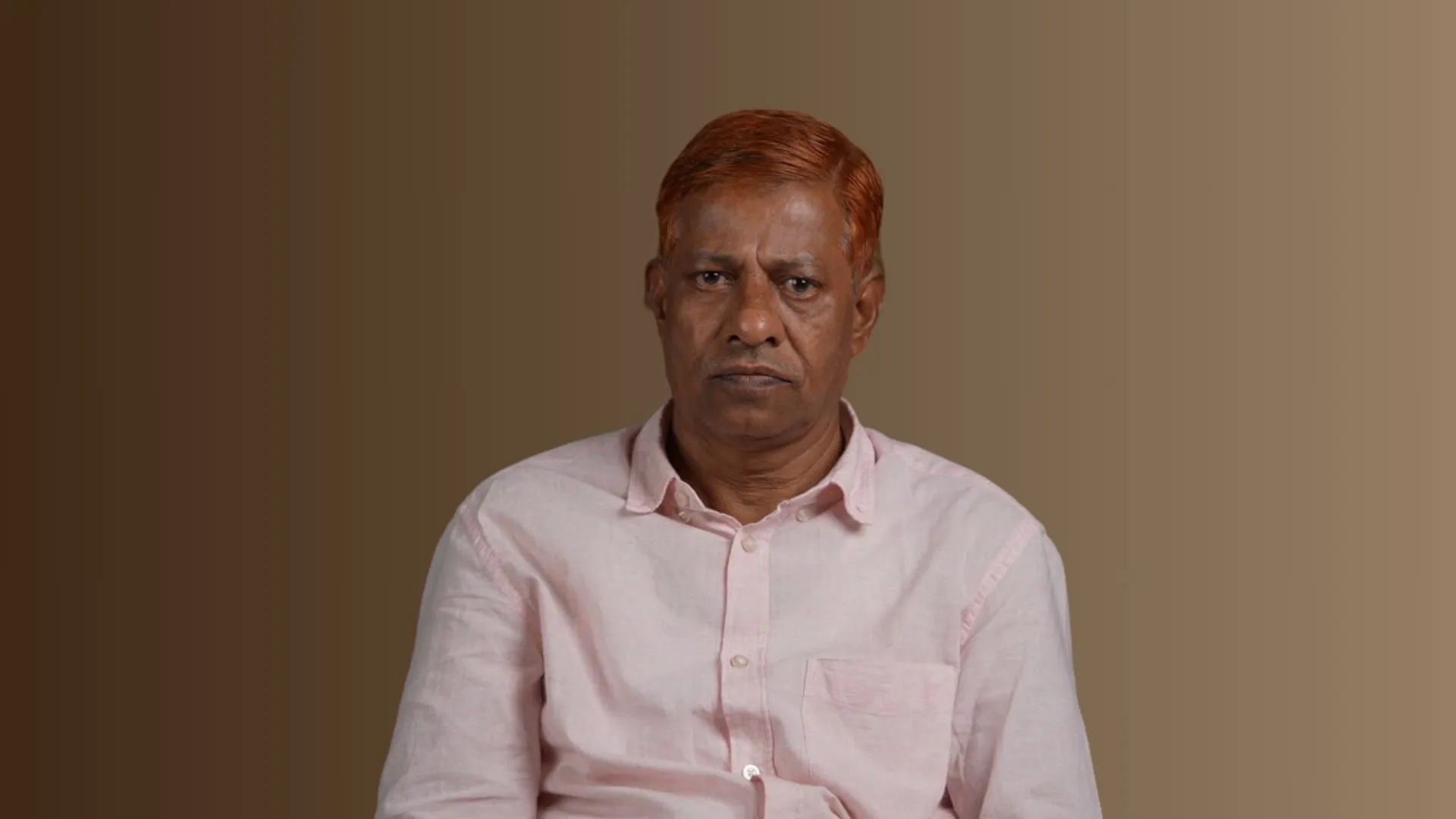
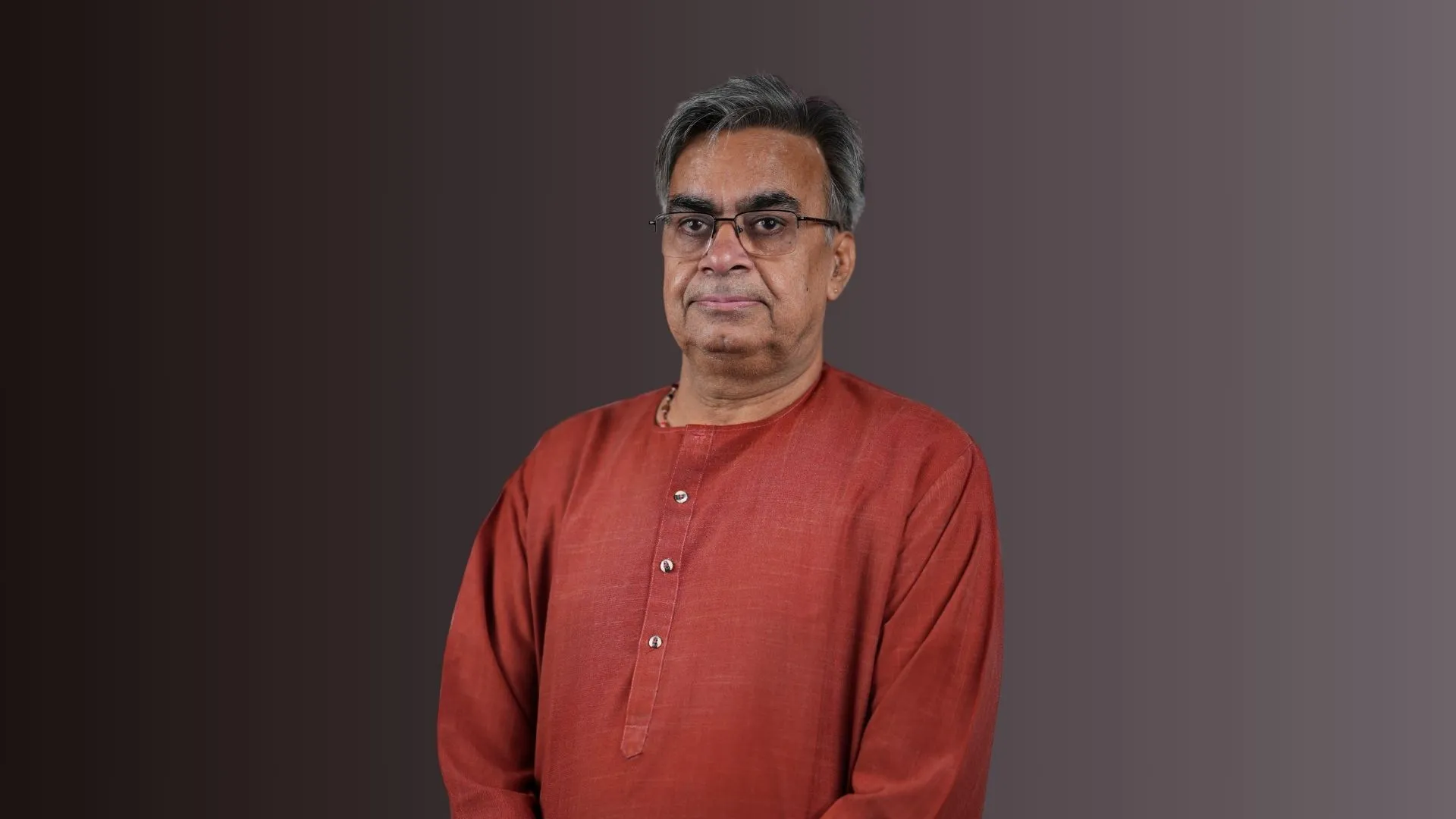
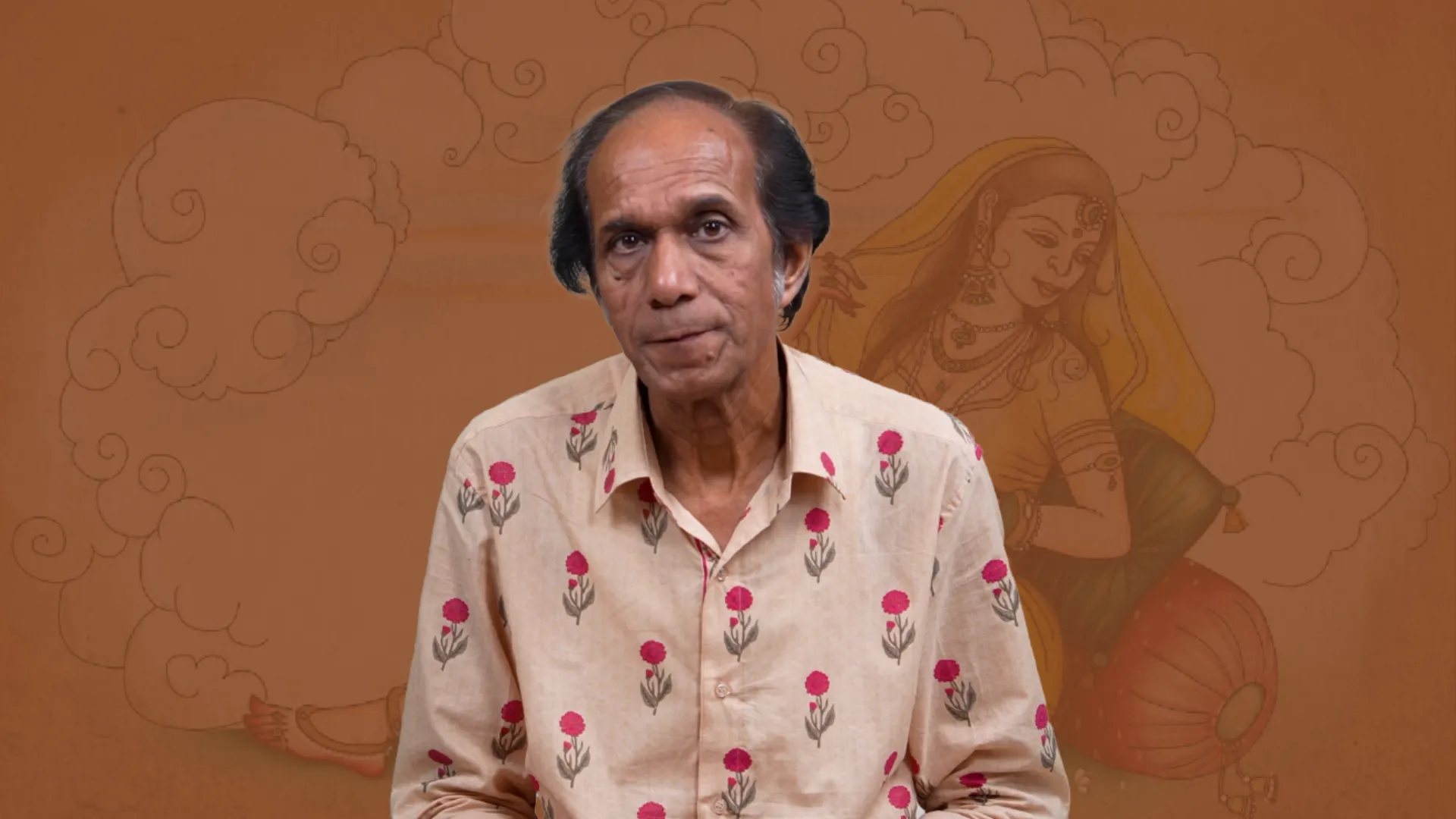
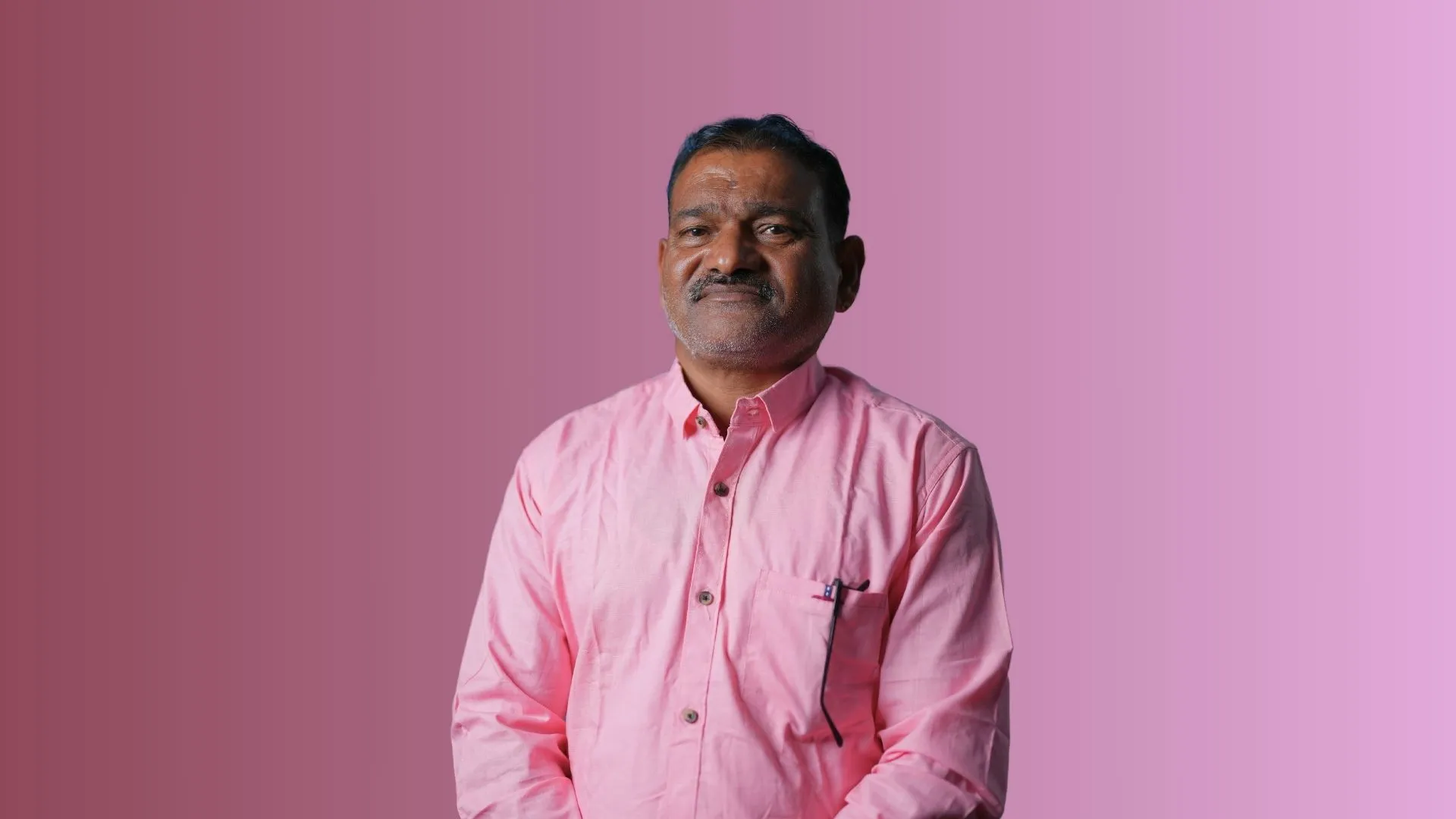
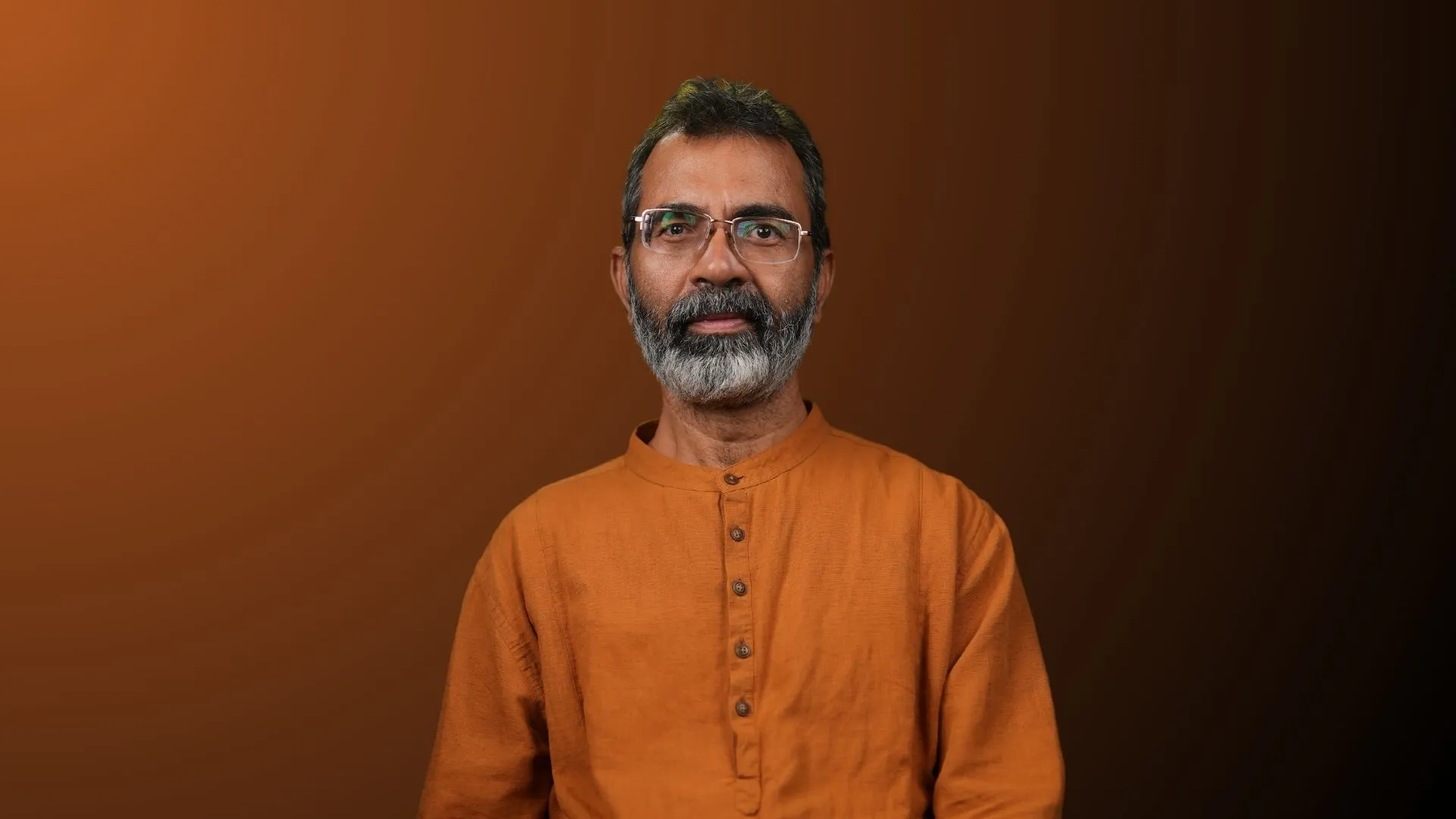
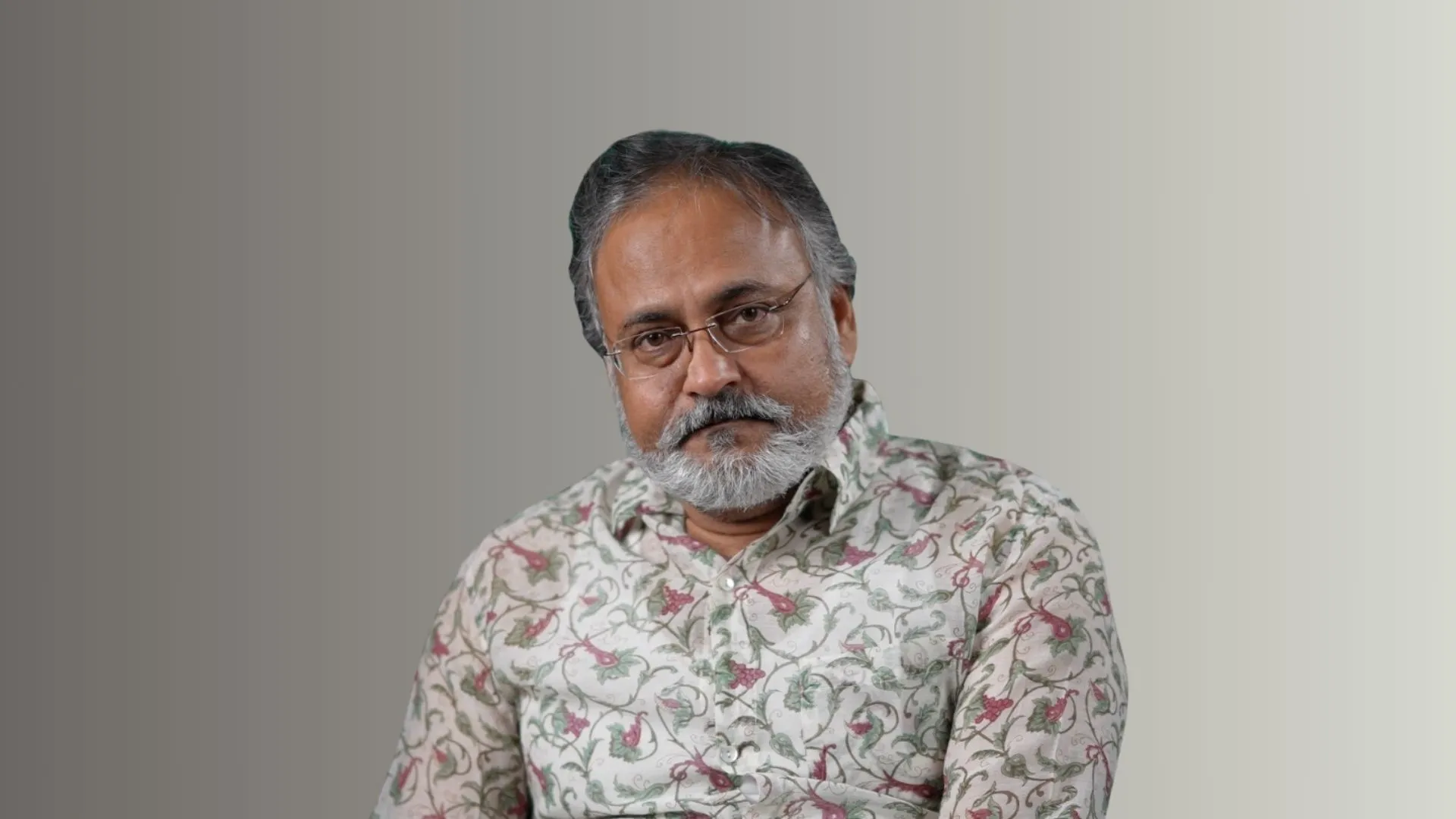
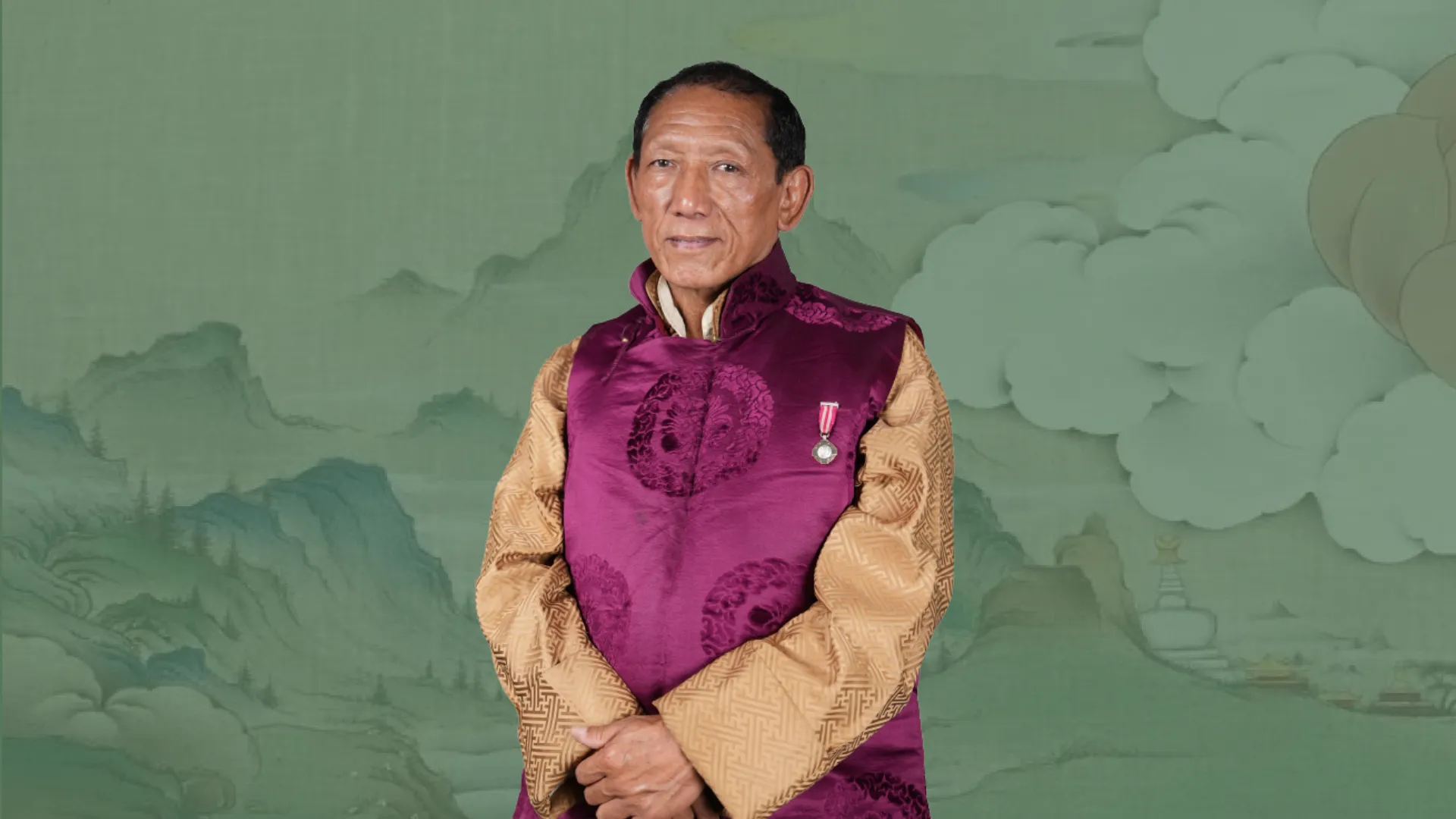
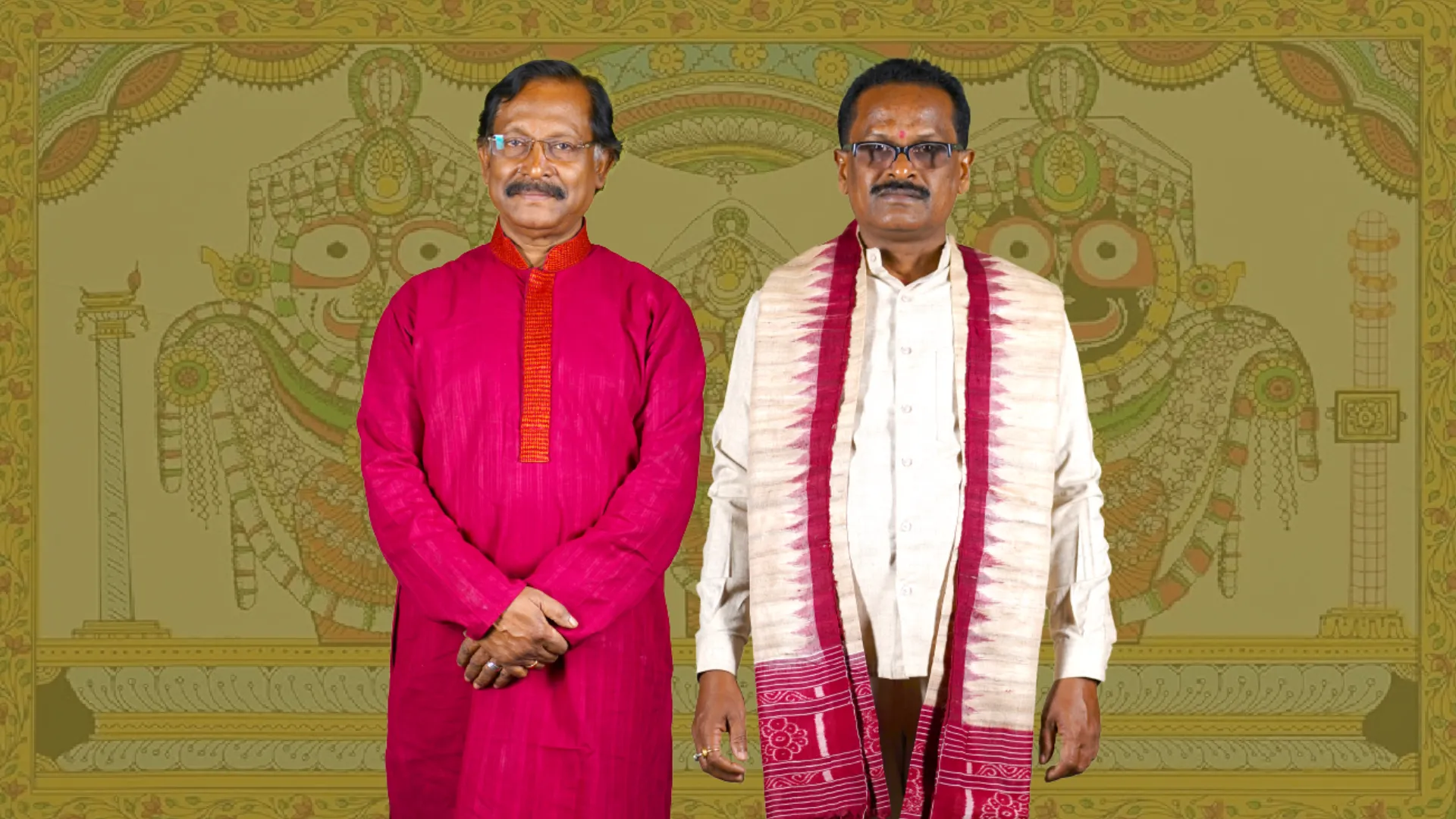
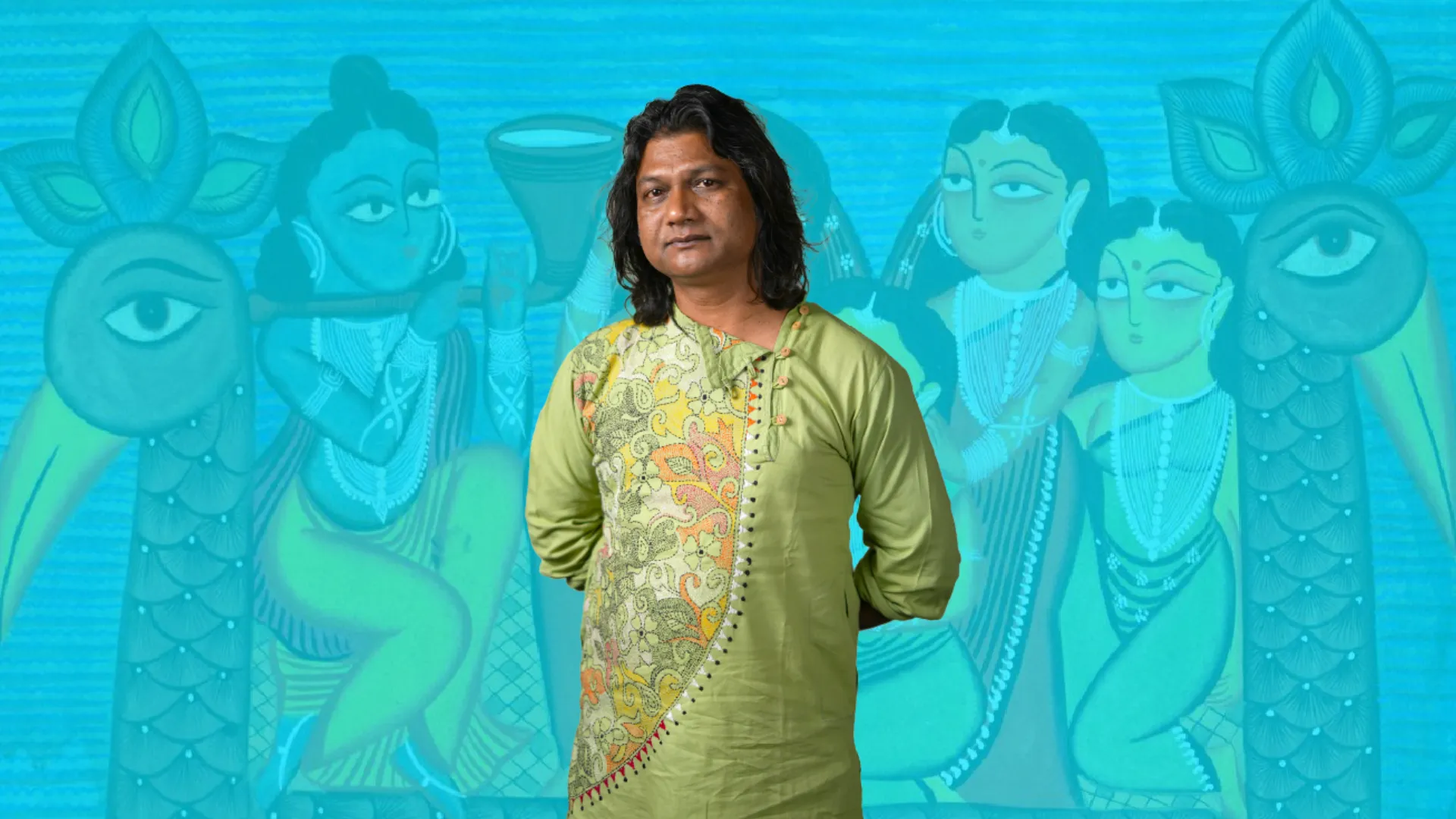
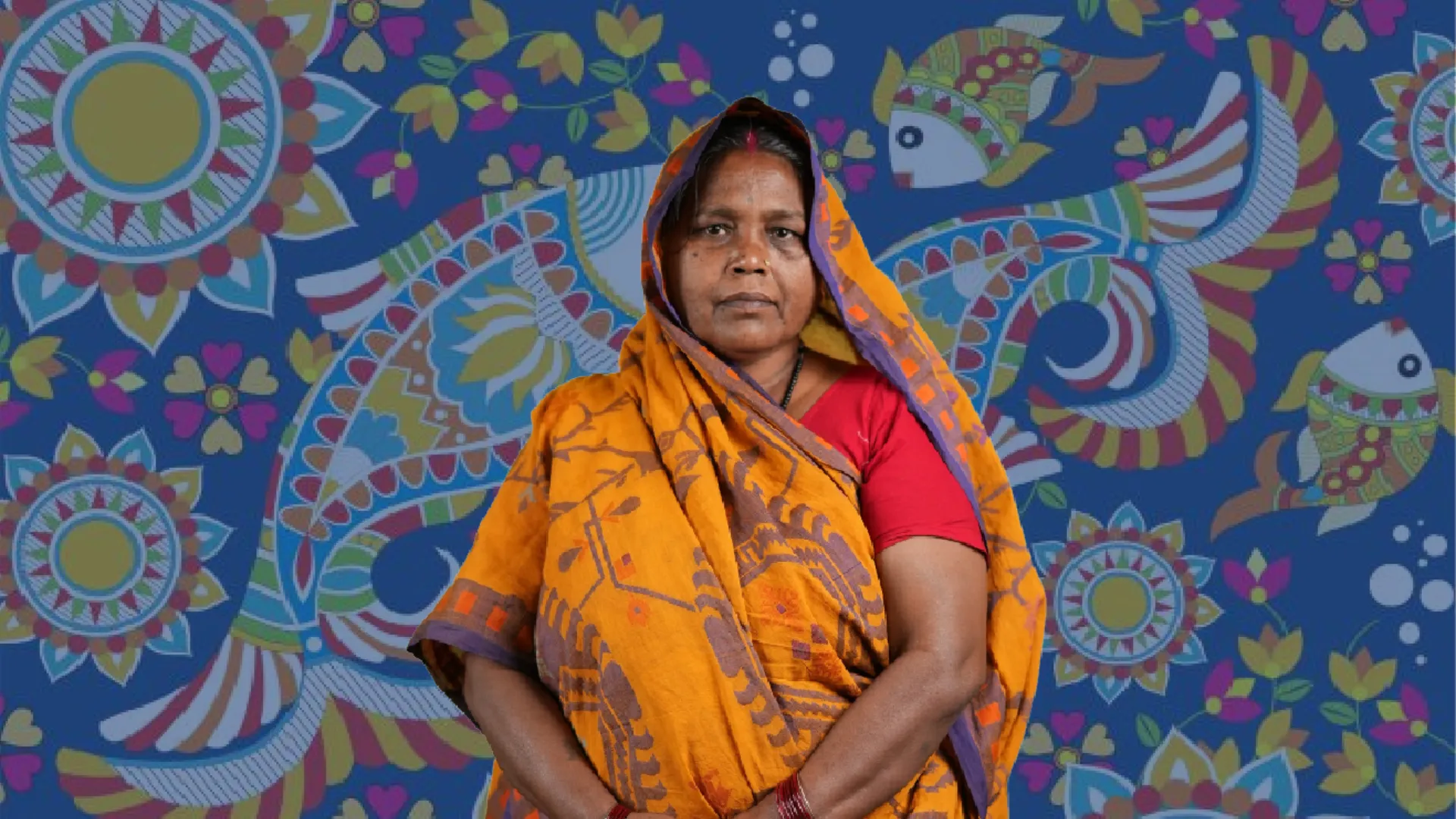
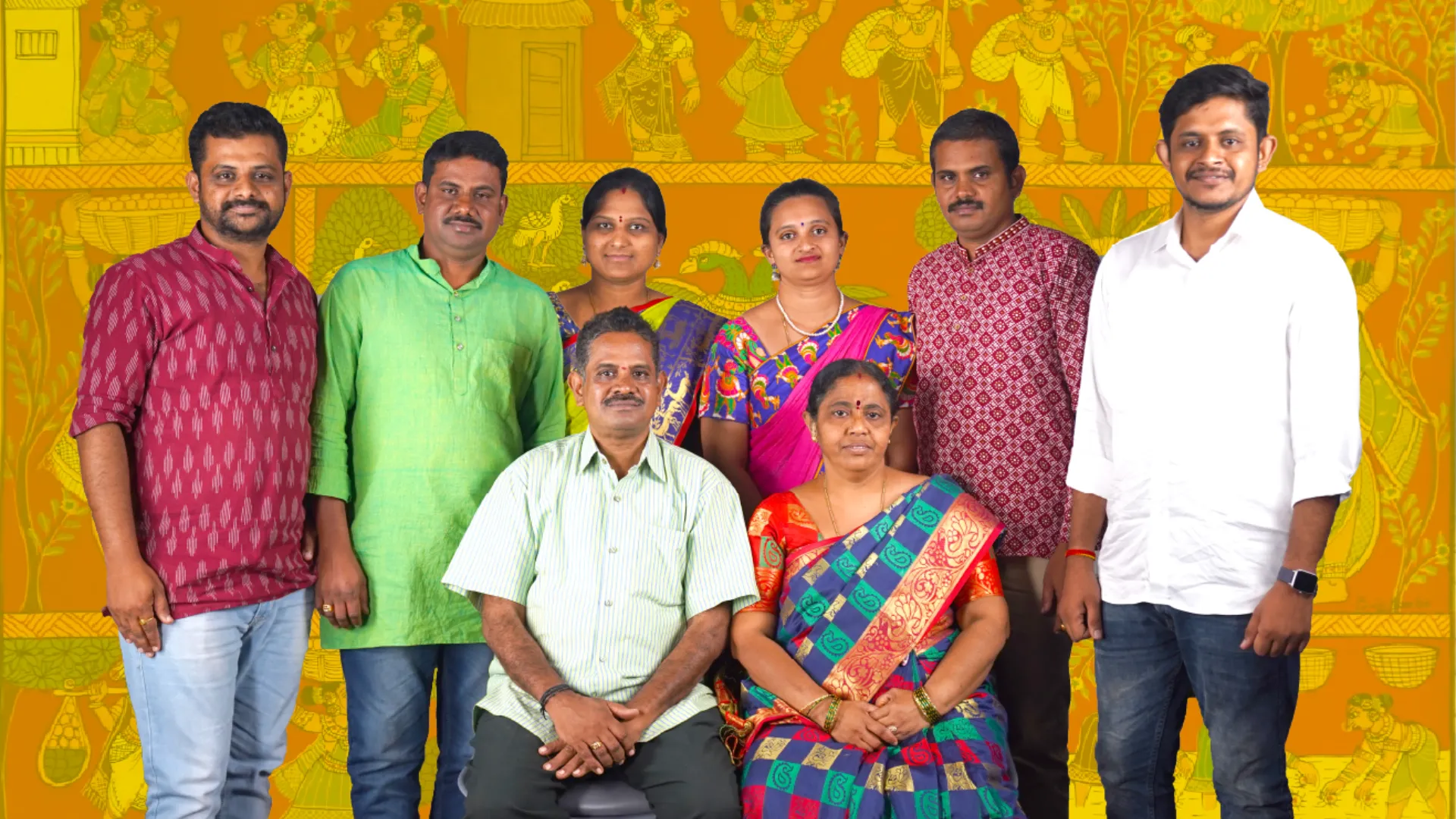
The art form has been kept alive across generations by families within the Chitara community of Ahmedabad. The most celebrated practitioners today are the Chitara Brothers, a family of artists from Vasana, Ahmedabad, who are widely regarded as the foremost living masters of Mata ni Pachedi. They have received national recognition for preserving the traditional hand-painted form while also teaching it to new generations.
Dilip Chitara, based in Ahmedabad, Gujarat, is known for his meticulously detailed goddess compositions that strictly follow traditional iconography and natural dyeing methods. His work has been exhibited in institutions across India and internationally. Babubhai Chitara, also from the Vasana area, is known for producing large-format Mata ni Pachedi textiles used in community worship as well as in museum collections. Mukesh Chitara has worked to make this Indian folk art accessible to urban and international collectors while maintaining the integrity of the hand-painted tradition.
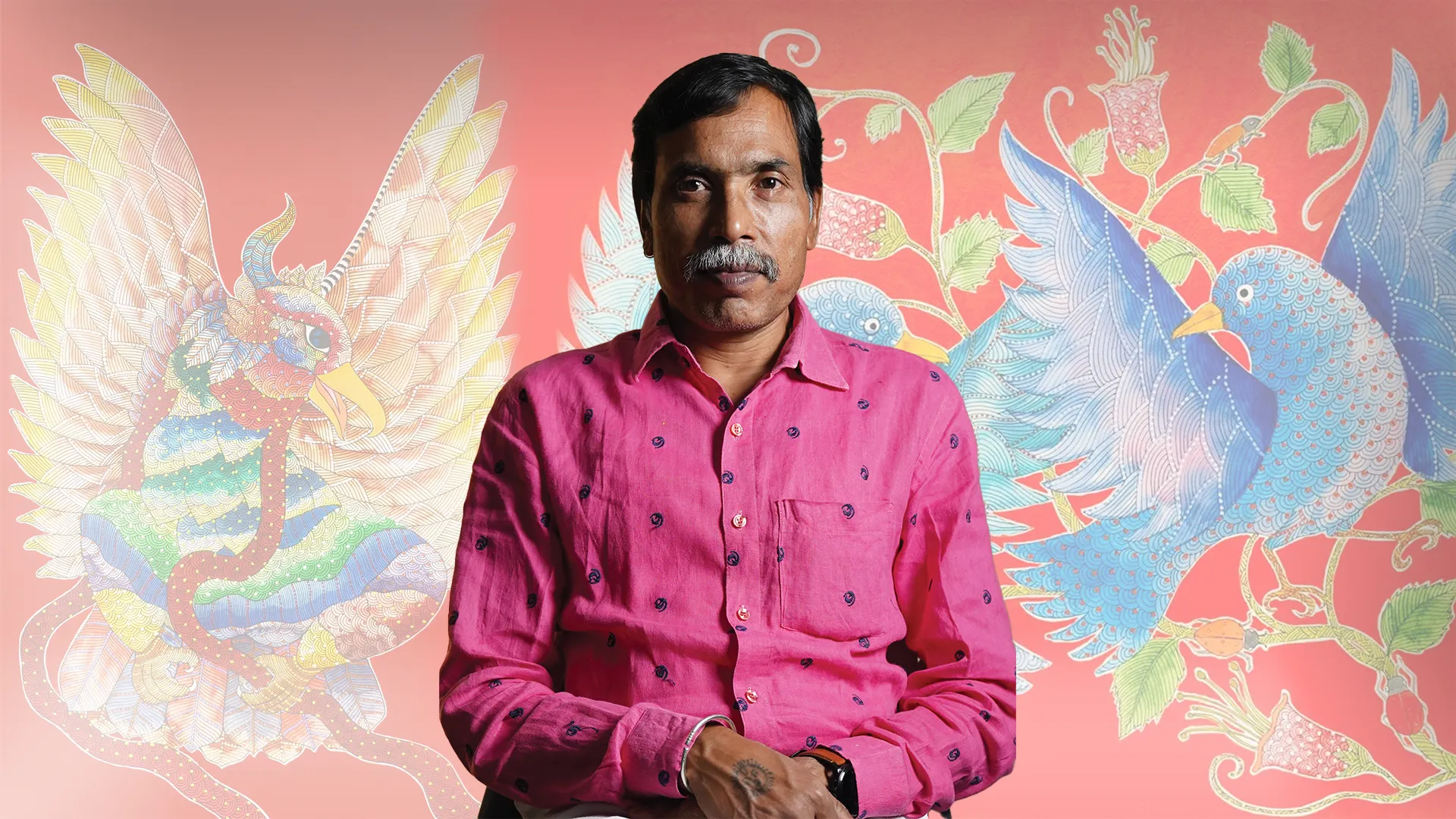
If you are wondering how to learn Mata ni Pachedi online, Rooftop offers a structured course taught by the Chitara Brothers, the master practitioners of this Gujarat textile tradition. The Mata ni Pachedi course by Chitara Brothers walks learners through the full process, from fabric preparation and natural pigment-making to outlining and final colour application. You can also try a shorter hands-on session through the Mata ni Pachedi painting experience offered on the platform.
The best place to see Mata ni Pachedi in person is at the Calico Museum of Textiles in Ahmedabad, which holds an outstanding collection of antique examples. The Crafts Museum in New Delhi also displays pieces from this tradition. During the Navratri festival in Ahmedabad, large Mata ni Pachedi textiles are hung at community sites around the city, offering one of the most authentic viewing experiences possible.
For those looking to buy authentic Mata ni Pachedi pieces, the Dastkar Haat craft fair in Delhi is a reliable source when it features Gujarati craftspeople. Rooftop’s shop also connects buyers with original works directly from traditional artists, ensuring both authenticity and fair compensation for the makers.
What is Mata ni Pachedi and where does it come from?
Mata ni Pachedi is a hand-painted textile art form from Gujarat, India, created by the Vaghari community. The name translates to “behind the mother goddess” and refers to the large cloth painted with devotional imagery that is hung as a temporary shrine during Navratri. The art originated at least 400 years ago as a way for the Vaghari community, who were excluded from temples, to create their own sacred spaces for worship.
Which community in India practises Mata ni Pachedi?
Mata ni Pachedi was traditionally created and practised by the Vaghari community of Gujarat, a nomadic group who settled along the Sabarmati River. Over time, the Chitara sub-community of artisans in Vasana, Ahmedabad became the primary custodians of the art form. Today, the Chitara families are the best-known practitioners and are recognised by the Indian government for their role in preserving this textile tradition.
Who are the most famous Mata ni Pachedi artists in India?
The most celebrated artists associated with Mata ni Pachedi are the Chitara Brothers from Vasana, Ahmedabad, who represent multiple generations of master craftspeople within the same family. Dilip Chitara is particularly known for detailed large-format devotional compositions, while Babubhai and Mukesh Chitara have contributed to both community practice and international recognition of the art form. Their work appears in museum collections across India and abroad.
What materials and colours are used in Mata ni Pachedi?
Traditional Mata ni Pachedi uses only natural pigments derived from iron rust, tamarind seeds, jaggery, indigo, and henna applied onto cotton or silk-cotton cloth. The fabric is pre-treated with a solution of harda, a local natural chemical, before painting begins. Outlines are drawn using bamboo sticks or fine twigs, and after painting, the cloth is boiled in a mixture of Dhawda flowers and alizarin to set the colours and enhance their warmth.
Can I learn Mata ni Pachedi online in India?
Yes, you can learn Mata ni Pachedi online through Rooftop’s dedicated course taught by the Chitara Brothers, who are among the foremost living masters of this art form. The course covers fabric preparation, natural dye-making, outlining techniques, and colour application, giving learners a complete understanding of the traditional process. Rooftop also offers a shorter experiential session for those who want a first introduction to the art form before committing to a full course.
Is Mata ni Pachedi only used for religious purposes?
Traditionally, Mata ni Pachedi was made specifically as a devotional object to be used during Navratri as a portable shrine for goddess worship. However, over time the art form has expanded beyond its ritual function. Today, Mata ni Pachedi designs appear on saris, dupattas, bedsheets, and wall hangings, making it accessible as a decorative and collectible art form. Original ritual Mata ni Pachedi textiles are still created for ceremonial use by the Chitara community and are considered sacred objects.
Mata ni Pachedi is more than a painted cloth. It is a record of social resistance, spiritual devotion, and artistic mastery held together within a single textile. Exploring this tradition is a way of understanding how Indian communities have used art to claim dignity and create beauty under the most difficult circumstances. Discover the Mata ni Pachedi course on Rooftop and begin your journey with one of Gujarat’s most extraordinary folk traditions.
Sources
Fischer, Eberhard. Temple Tents for Goddesses in Gujarat, India. Niyogi Books, 2014.
Fee, Sarah. Cloth That Changed the World: The Art and Fashion of Indian Chintz. Yale University Press, 2020.
Erikson, John. Mata Ni Pachedi: A Book on the Temple Cloth of the Mother Goddess. National Institute of Design, 1968.
Image Sources
"Mata Ni Pachedi." IMP Art, https://imp-art.org/articles/mata-ni-pachedi/. Accessed 14 July 2026.
"Mata Ni Pachedi." IMP Art, https://imp-art.org/articles/mata-ni-pachedi/. Accessed 14 July 2026.
"Mata Ni Pachedi Painting – Goddess Durga." Gaatha Shop, https://shop.gaatha.com/mata-ni-pachedi-painting-goddess-durga. Accessed 14 July 2026.
"Mata Ni Pachedi Paintings." Bridge Bharat, https://www.bridgebharat.com/collections/mata-ni-pachedi-painting. Accessed 14 July 2026.
"Mata Ni Pachedi – Story of a Nomad." Exotic India Art, https://www.exoticindiaart.com/product/paintings/mata-ni-pachedi-story-of-nomad-watercolor-on-brusto-paper-by-prachi-deshpande-ddc908/. Accessed 14 July 2026.
"Mata Ni Pachhedi Paintings." Prosperity Mirra, https://www.prosperitymirra.com/collections/mata-ni-pachhedi-paintings. Accessed 14 July 2026.