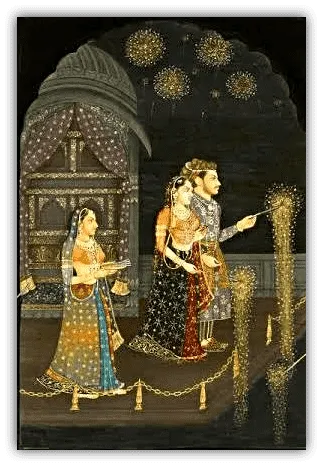


Kishangarh Painting: Rajasthan's Most Romantic Miniature Style
Know about Rajasthani miniature- Kishangarh...
Introduction and Origin
Among all the schools of Kishangarh painting that flourished in Rajasthan, none captured the imagination quite like this one. Born in the royal courts of a small princely state in central Rajasthan, Kishangarh painting is recognised across the world for one unforgettable image: a woman with elongated eyes, a sharp nose, and an expression of divine longing. This is Indian folk art at its most poetic - where devotion, court culture, and artistic genius came together to create something that has never been replicated anywhere else in India.
What Is Kishangarh Painting?
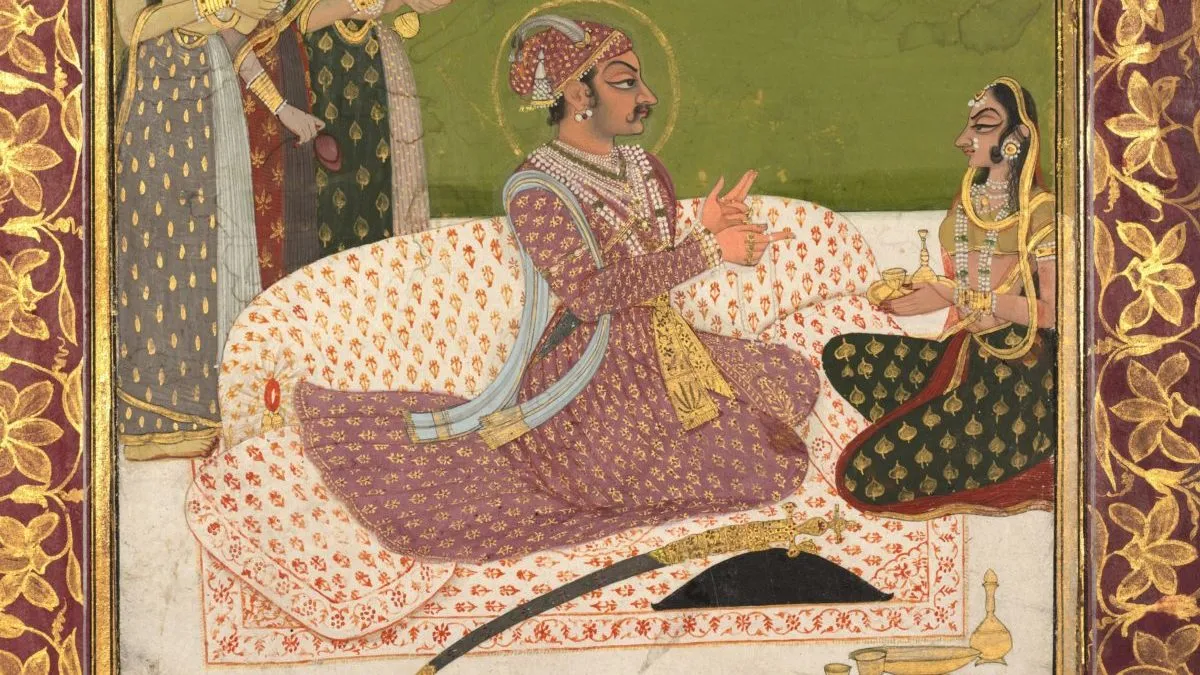
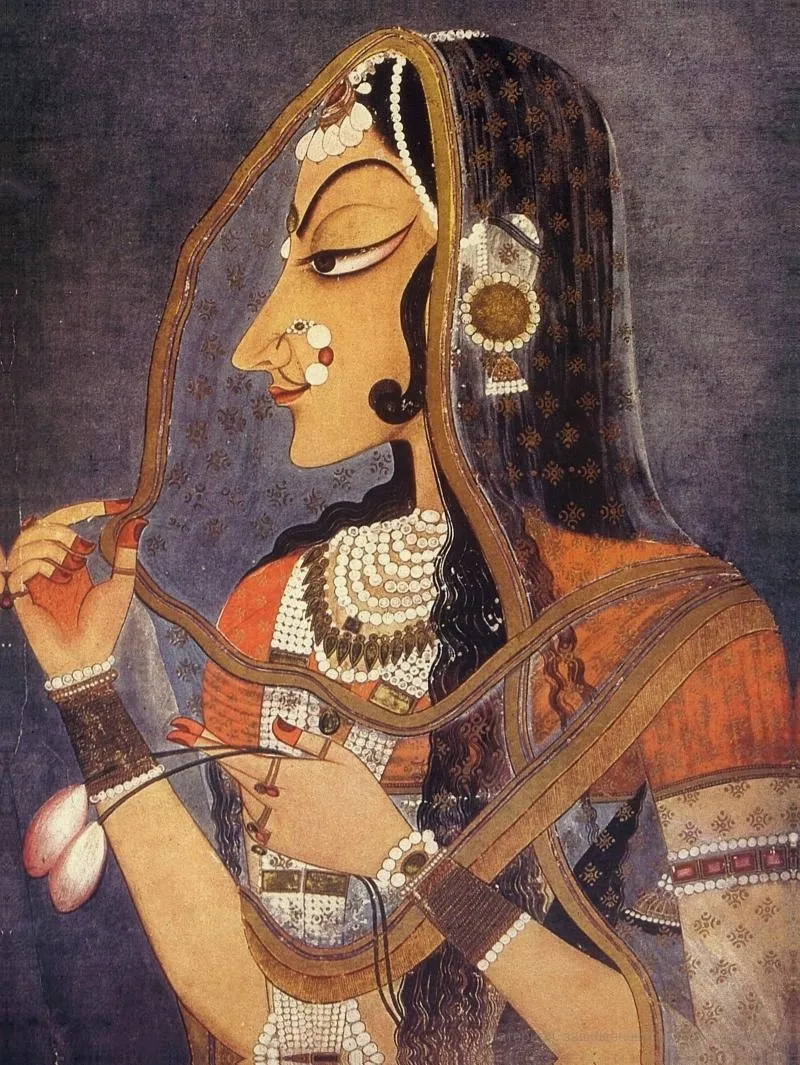
Kishangarh painting is a style of Indian miniature art that originated in the princely state of Kishangarh in central Rajasthan. If someone asks what makes this tradition distinctive, the answer lies in its human figures: sharp facial features, elongated lotus-shaped half-closed eyes, a pulled-back hairline, and a pointed chin that gives every portrait an air of otherworldly grace. The style uses warm pigments - blue, green, yellow, red, and orange - applied with fine brushes made from squirrel hair on handmade layered paper called wasli. Themes drawn from the poetry of Nagraridas, the divine love of Krishna and Radha, the Pushtimargiya devotional cult of Vallabhacharya, and Krishna Lila scenes define its subject matter. Transparent clothing adorned with paisley and floral prints, and architectural details like terraces and open arches, complete the visual world of Kishangarh.
History and Origin
The Kishangarh painting school developed in the 18th century in the court of the Kishangarh state, located in central Rajasthan. The art form was shaped by the close political and cultural ties the Kishangarh rulers maintained with the Mughal court in Delhi. The Kishangarh kings travelled to the imperial court, welcomed artists from Delhi to their own palaces, and adopted Persian as an administrative dialect - all of which brought Mughal and Persian visual influences deep into local court culture. A turning point came in 1719 when the painter Bhavanidas arrived in Kishangarh directly from the Mughal courts, alongside later arrivals including Nihal Chand, Man Singh, and Amar Chand. Religious devotion also shaped the tradition profoundly: the school was particularly influenced by two schools of spiritual love, Vaishnavism and Sufism, giving its paintings an emotional depth unusual in Kishangarh Painting India and in courtly miniature traditions more broadly.
Key Features and Famous Artists
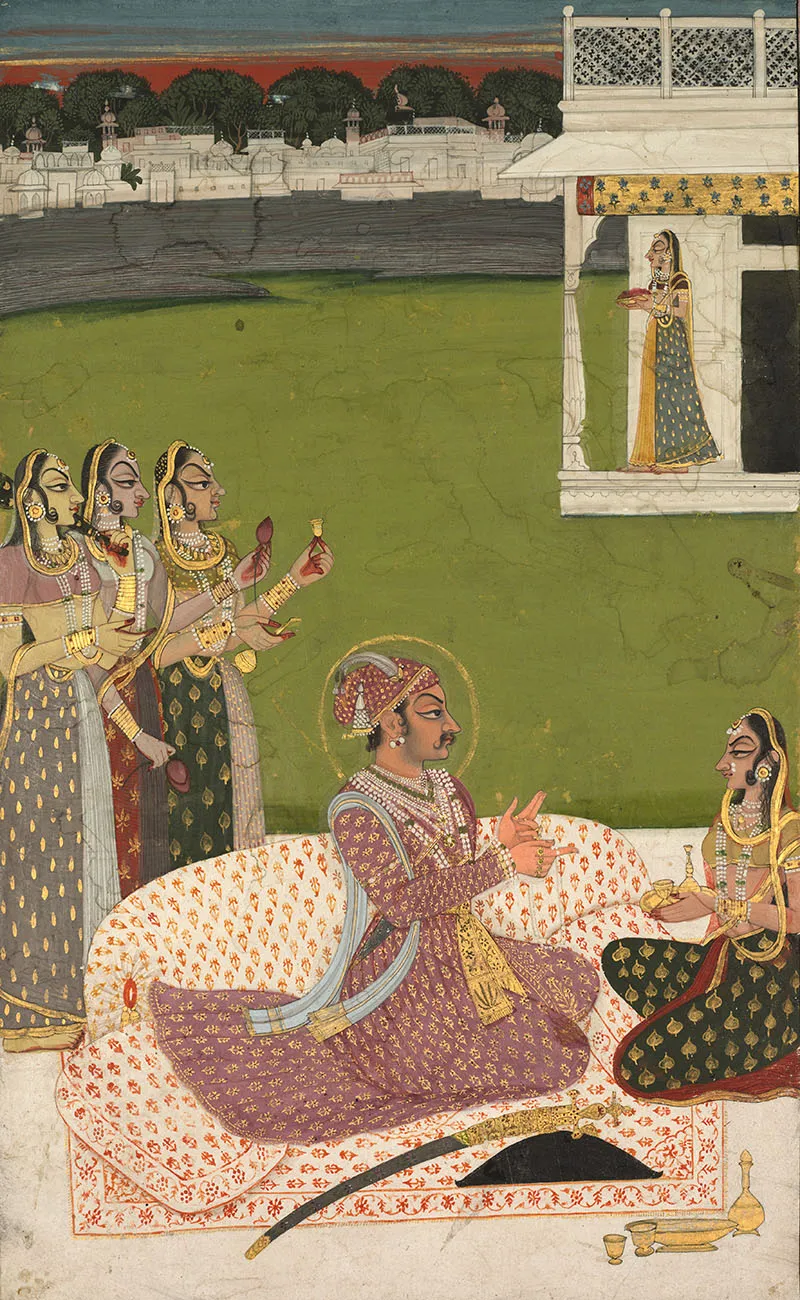
Key Features and Visual Style What separates Kishangarh painting from other schools of Rajasthani Miniature Art is the unmistakable treatment of the human figure and a very specific range of natural pigments sourced from minerals and stones. The style uses chiaroscuro - the contrast of light and shadow - in a subtle way rarely seen in Indian miniature painting.
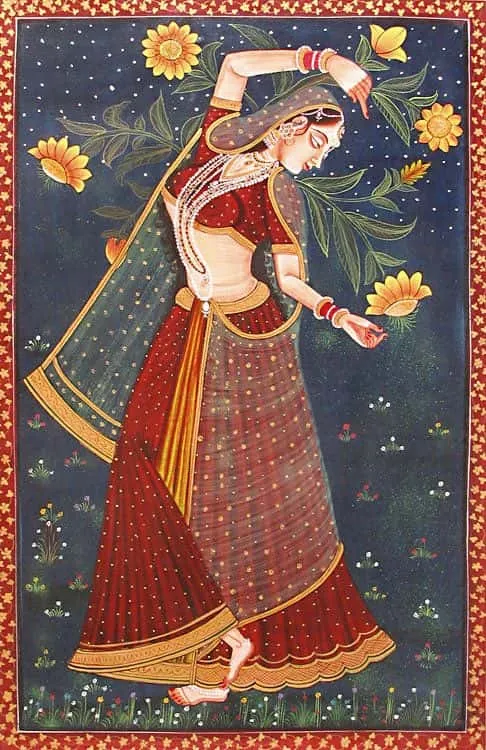
Human figures are depicted with sharp facial features, an elongated nose, lotus-shaped half-closed eyes, a pulled-back hairline, and a pointed chin that together create an expression of devotional longing.
Pigments are made by grinding stones and minerals: white from Khadiya stone, blue from opium, red from Hingulal stone, brown from Geru stone, dark red from Hansraj, orange from mercury and Sindoor, and green from Sheelu stone.
Paintings are made on wasli, a handmade paper formed by pasting multiple layers together to create a firm, thick surface suited for fine brushwork.
The four-step painting process involves base sketching on wasli, filling base colours from vegetables and flowers, adding fine detail with a single-hair squirrel brush, burnishing the surface for shine, and finally applying crushed gold and silver for a royal finish.
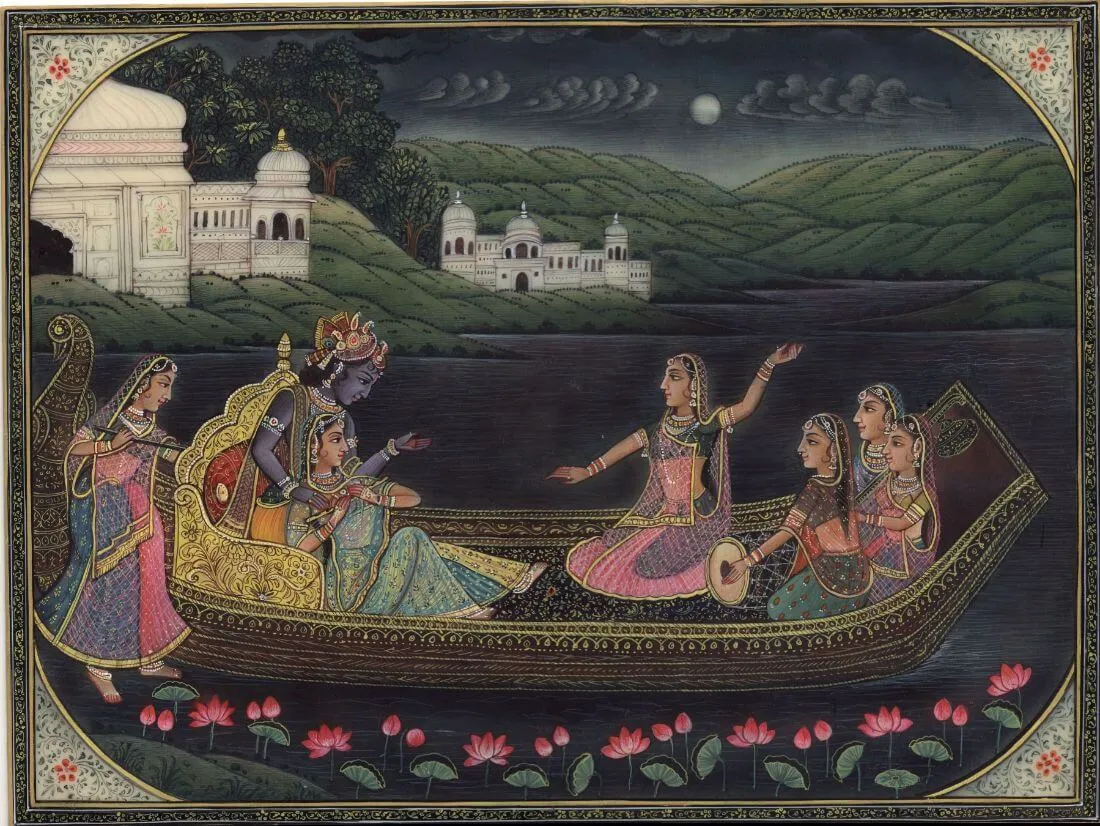
Abundant greenery, waterbodies, terraced architecture, open arches, and traditional archways appear frequently as background settings in compositions.
Religious and devotional themes - particularly scenes from the Bhagavata Purana, the Gitagovinda, and the Ramayana - are the most common subject matter alongside scenes from the royal court.
Famous Artists of Kishangarh Painting
Nihal Chand is the most celebrated painter of the Kishangarh school. He worked at the court of Sawant Singh, the poet-king of Kishangarh, and is best known for a legendary body of work in which he depicted Sawant Singh himself as blue-skinned Krishna and Sawant Singh's beloved, Vishnu Priya (known as Bani Thani), as Radha. The Bani Thani portrait, with its idealised features and devotional intensity, became the defining image of the entire tradition. Today, a Bani Thani painting is regarded as the ultimate emblem of the Kishangarh school’s romantic vision.
Bhavanidas came to Kishangarh in 1719 directly from the Mughal imperial courts in Delhi and brought with him the refined brushwork and compositional skills of the Mughal atelier, helping establish the school's technical foundation. Ladli Das was among the notable court artists who created compositions based on the Gitagovinda and the Ramayana, expanding the literary and devotional range of the tradition.
Shehzad Ali from Kishangarh, Rajasthan, is one of the most respected living practitioners of this art. He is a third-generation Kishangarh miniature artist who also practises Pichwai art. He studied under the guidance of Padmashri Kripal Singh Shekhawat and has received the State Award and the Rajasthan Lalit Kala Academi Commendation Certificate. His paintings have been exhibited at Delhi Central Academy, and his name appears in the Artist Directory published by Delhi Central Academy in 2006. His son Faizan continues the tradition alongside him.
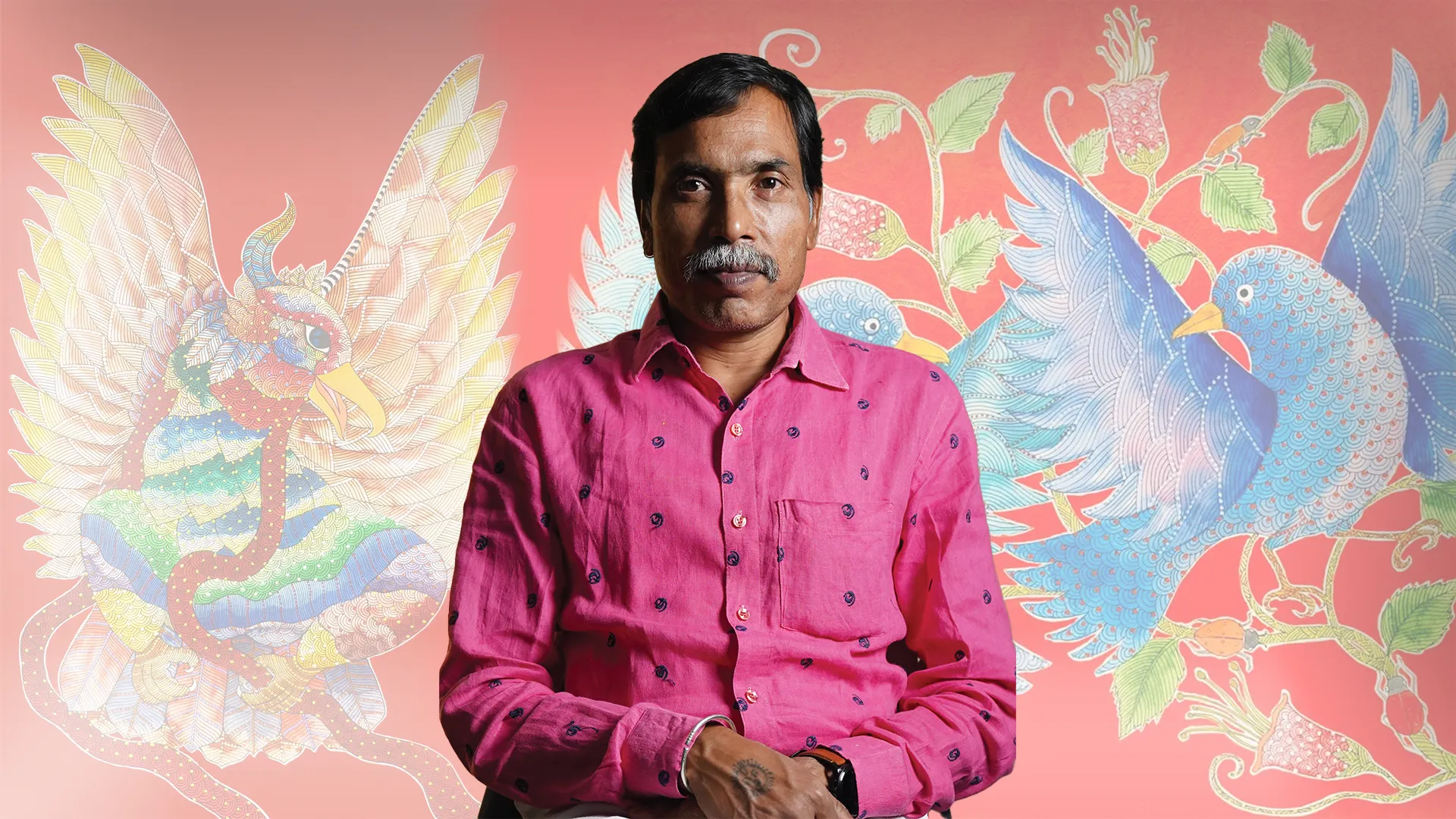
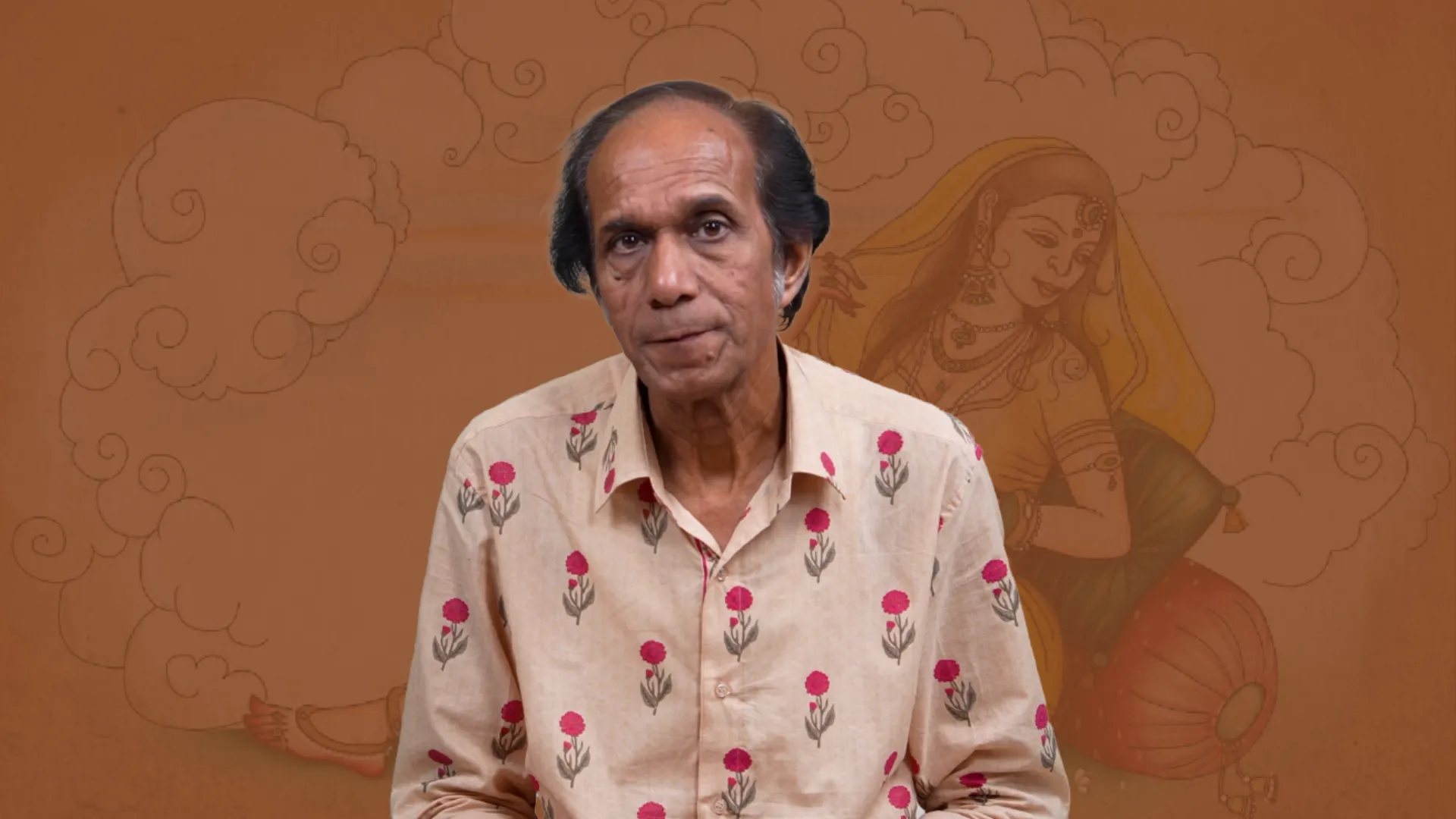
Khush Narayan Jangid from Kishangarh, Rajasthan, is a master artist who teaches this tradition to students today through the Kishangarh miniature course on Rooftop.
How to Learn Kishangarh Painting
If you are wondering how to learn Kishangarh painting as part of your interest in Traditional Indian Art, the most direct way is to learn from a master artist who has grown up in this tradition. Rooftop offers a dedicated Kishangarh miniature painting course taught by Khush Narayan Jangid from Kishangarh, covering the full process from wasli preparation to gold finishing. You can also explore the full range of Indian folk art courses on Rooftop to find related Rajasthani painting traditions.
Where to See and Buy Kishangarh Painting
Original Kishangarh paintings can be seen in the National Museum in Delhi, the City Palace in Jaipur, and at art festivals in Rajasthan such as the Jaipur Literature Festival and Shilpgram. The town of Kishangarh itself remains an active centre for the art, and visiting local artist families there offers a direct experience of the tradition. For those who cannot travel, Rooftop's shop carries original works from Indian folk art traditions including pieces from Rajasthani schools. Related traditions worth exploring include Bikaner miniature painting and the Kota school of painting.
Learn Kishangarh Miniature

Frequently Asked Questions
What is Kishangarh painting and where does it come from?
Kishangarh painting is a school of Indian miniature art that originated in the 18th century in the princely state of Kishangarh in central Rajasthan. It is known for its highly stylised human figures - particularly the elongated lotus eyes, sharp nose, and pointed chin - and for its devotional themes drawn from Vaishnava and Sufi traditions. The style blends Mughal refinement with deep Bhakti sentiment, producing some of the most emotionally expressive miniature paintings in Indian art history.
Who is Bani Thani and why is she important in Kishangarh painting?
Bani Thani was the name given to Vishnu Priya, the beloved of Sawant Singh, the poet-king of Kishangarh. The court painter Nihal Chand immortalised her in a series of paintings where she appears as Radha and Sawant Singh appears as Krishna. The Bani Thani portrait became the defining image of the Kishangarh school, recognisable for its idealised beauty and spiritual intensity, and is sometimes called the Mona Lisa of Indian painting.
What materials and pigments are used in Kishangarh miniature painting?
Kishangarh painters traditionally use pigments made from grinding stones and minerals: white from Khadiya stone, blue from opium, red from Hingulal stone, brown from Geru stone, orange from mercury and Sindoor, and green from Sheelu stone. Brushes are made from squirrel hair and fine animal fur. Paintings are made on wasli, a thick handmade paper formed by layering sheets together. Crushed gold and silver are applied in the final stage to give the work a distinctive royal finish.
Who are the most famous Kishangarh painting artists?
The most celebrated artist of the Kishangarh school is Nihal Chand, whose portraits of Bani Thani as Radha remain the most iconic images of the tradition. Bhavanidas, who arrived from the Mughal court in 1719, was instrumental in establishing the school's technical standards. Ladli Das created notable compositions based on the Gitagovinda and Ramayana. Among living artists, Shehzad Ali from Kishangarh is a third-generation practitioner who has exhibited at Delhi Central Academy and received state-level awards for his work.
Can I learn Kishangarh painting online in India?
Yes, you can learn Kishangarh painting online through Rooftop's Kishangarh miniature course taught by Khush Narayan Jangid, a master artist from Kishangarh, Rajasthan. The course covers the full painting process including wasli preparation, pigment mixing, fine brushwork, and gold finishing. Learning directly from a practitioner of this tradition is the most effective way to understand both the technique and the cultural context that gives Kishangarh painting its distinctive character.
Kishangarh painting stands apart in Indian art history because it combined the technical rigour of the Mughal tradition with a spirit of pure devotional love. Every detail - from the pigments ground from stones to the single-hair brushstrokes on layered wasli paper - reflects a practice carried forward by dedicated artists across generations. Explore the Kishangarh miniature painting course on Rooftop and begin learning this remarkable tradition from a master who has lived with it all his life.
Bibliography
Sources
- Pauwels, Heidi R. M. Mobilizing Krishna's World: The Writings of Prince Sāvant Singh of Kishangarh. University of Washington Press, 2017.
Image Sources
“Kishangarh School of Painting.” IMP Art, https://imp-art.org/articles/kishangarh-school-of-painting/. Accessed 15 July 2026.
“Kishangarh's Miniature Painting.” Catterfly, https://www.catterfly.art/blog-detail/kishangarhs-miniature-painting. Accessed 15 July 2026.
“Radha and Krishna in the Boat of Love – Kishangarh School ca. 1875.” Tallenge Store, https://www.tallengestore.com/products/radha-and-krishna-in-the-boat-of-love-kishangarh-school-ca-1875-vintage-indian-miniature-art-painting1-radha-and-krishna-in-the-boat-of-love-kishengarh-school-ce-1875-vintage-indian-miniature-art-painting-large-art-prints. Accessed 15 July 2026.
“Nihal Chand and the Kishangarh School.” DailyArt Magazine, https://www.dailyartmagazine.com/nihal-chand-and-the-kishangarh-school/. Accessed 15 July 2026.
“Bani Thani.” Wikipedia, Wikimedia Foundation, https://en.wikipedia.org/wiki/Bani_Thani. Accessed 15 July 2026.
“Kishangarh's Miniature Painting.” Catterfly, https://www.catterfly.art/blog-detail/kishangarhs-miniature-painting. Accessed 15 July 2026.