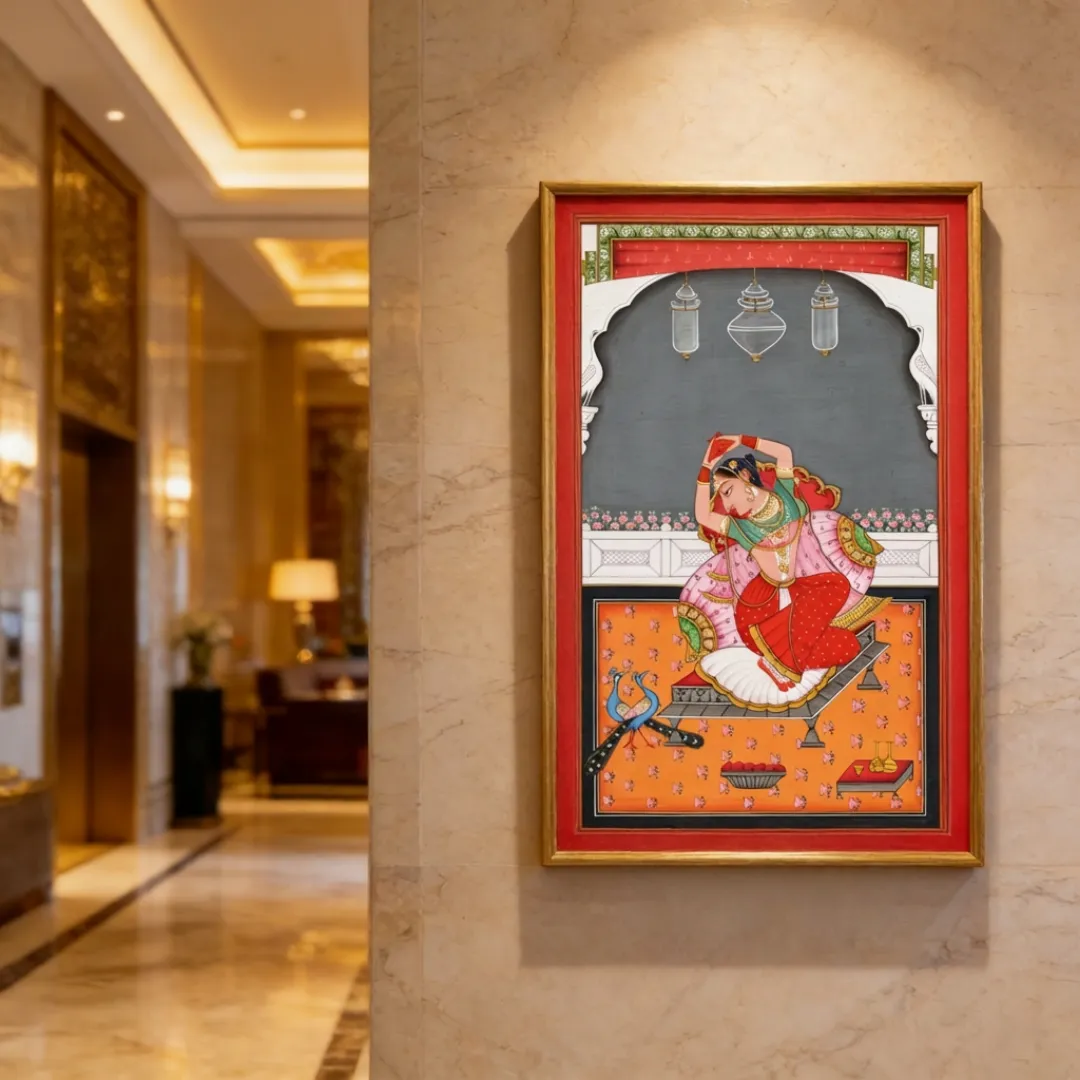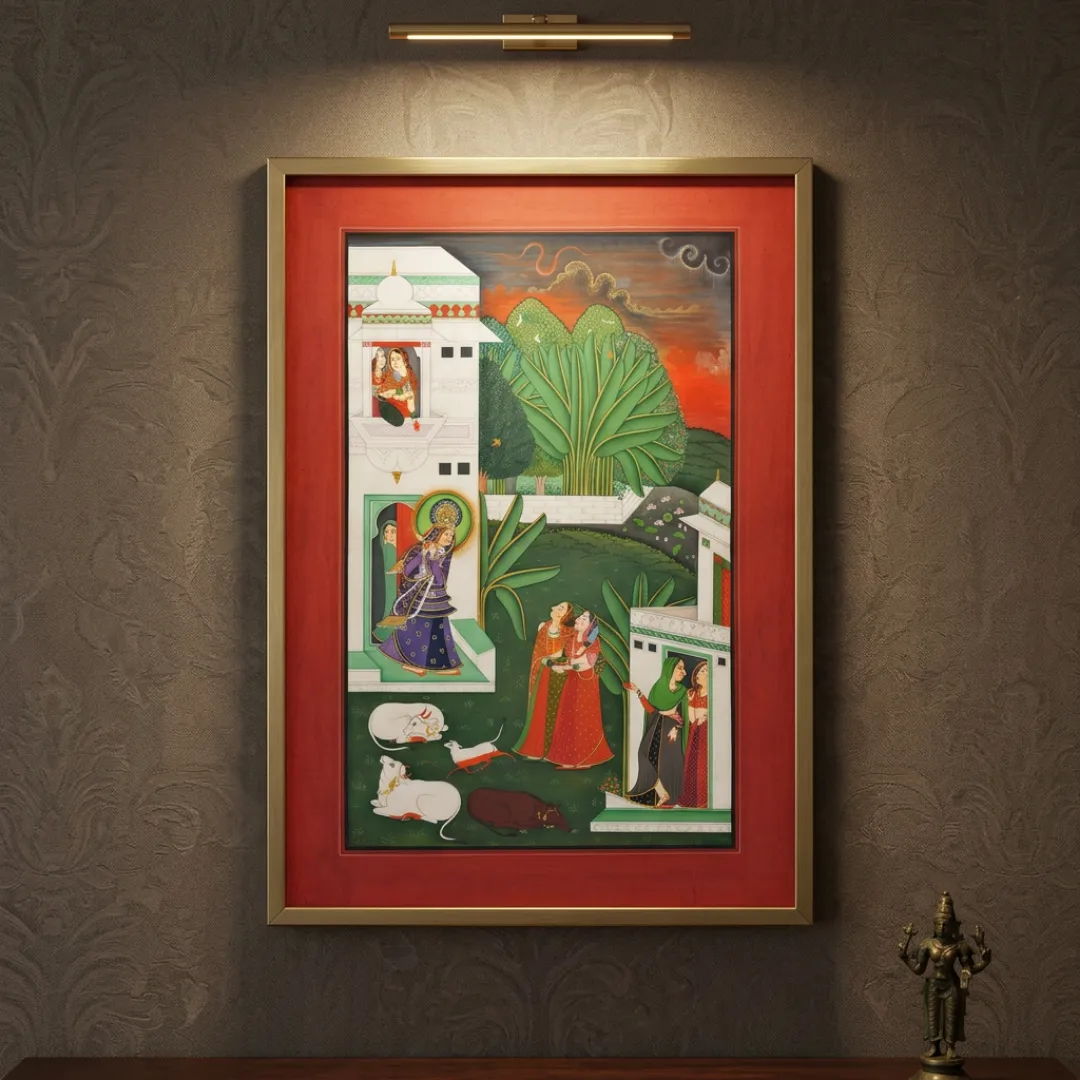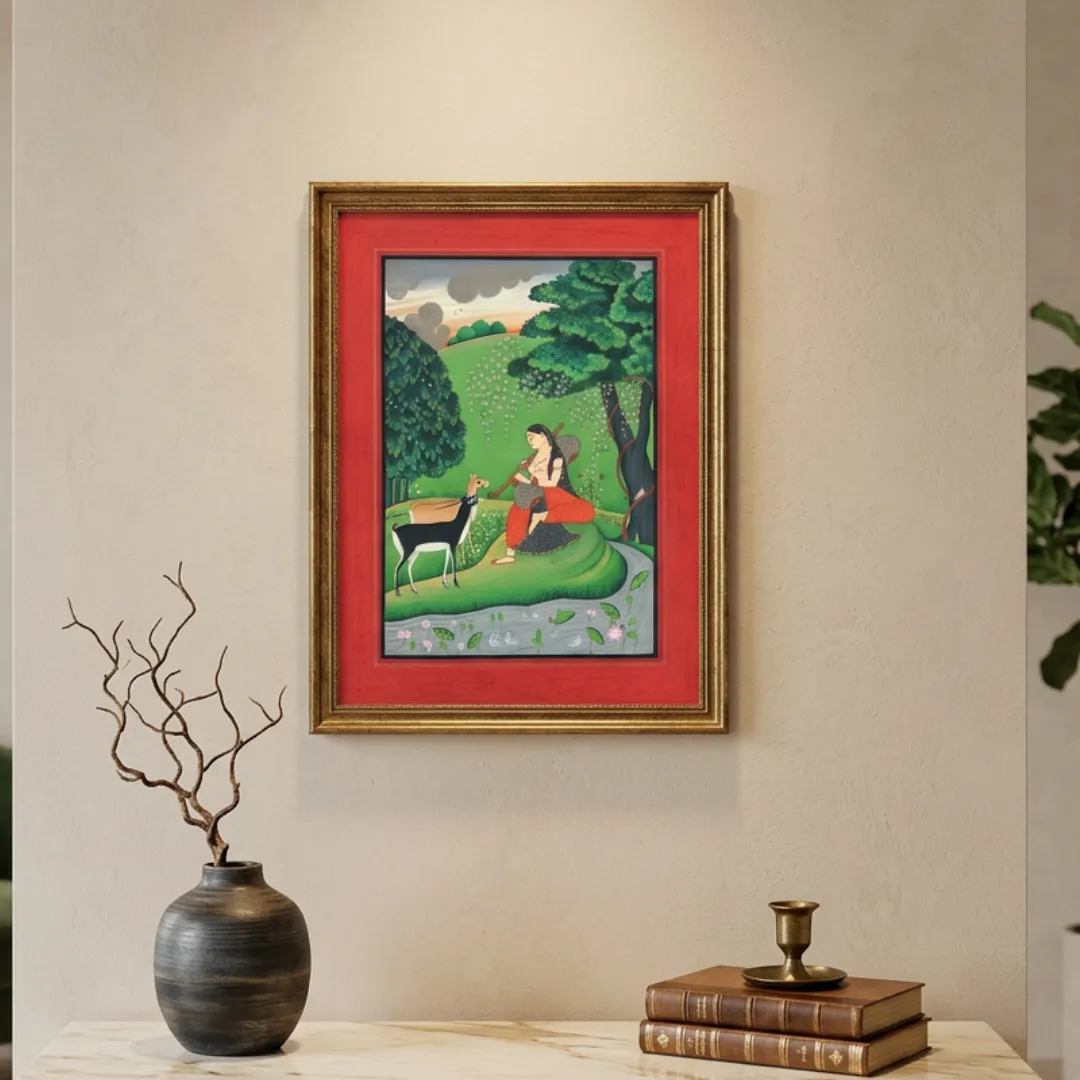
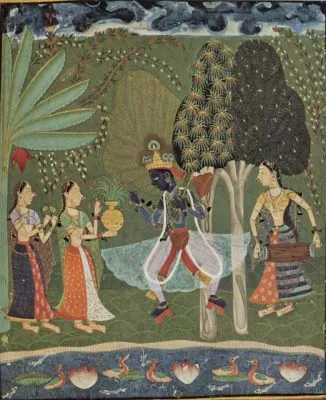
Ragini Todi in Pahari School
$ 1,239



Let's learn about the miniature paintings from Kota!
Kota school of painting is one of Rajasthan's most distinctive Rajput miniature traditions, born along the banks of the Chambal river in the Hadoti region. Known above all for its vivid depictions of royal hunting scenes set inside dense, wild landscapes teeming with animals, the tradition developed its own visual identity after Kota separated from Bundi in the 1660s. Today it stands as one of India's most compelling examples of court art, where nature, power, and spiritual devotion came together on paper with extraordinary precision and life.
What Is Kota School of Painting?
Kota school of painting, also known locally as Kota Kalam, is a style of Rajput miniature painting from Kota, a city in the Hadoti region of Rajasthan, situated along the Chambal river. It is most recognised for dramatic hunting compositions set within dense forest landscapes filled with tigers, elephants, deer, rivers, and rocky terrain characteristic of the Chambal valley. The art form traditionally served the Hada Rajput royal court, documenting hunts, religious observances, and courtly life. Artists worked on layered wasli paper - a firm, absorbent surface prepared by stacking and gluing multiple sheets of handmade paper, sometimes reinforced with cloth. Natural pigments sourced from mineral deposits along the Chambal, plant extracts, and locally obtained soils were ground into powder and mixed with water or resin-based gum before being applied with squirrel-hair brushes. Kota school belongs to the broader Hadoti or Hadavati group, which also includes the Bundi school of painting from the neighbouring princely state.
History and Origin
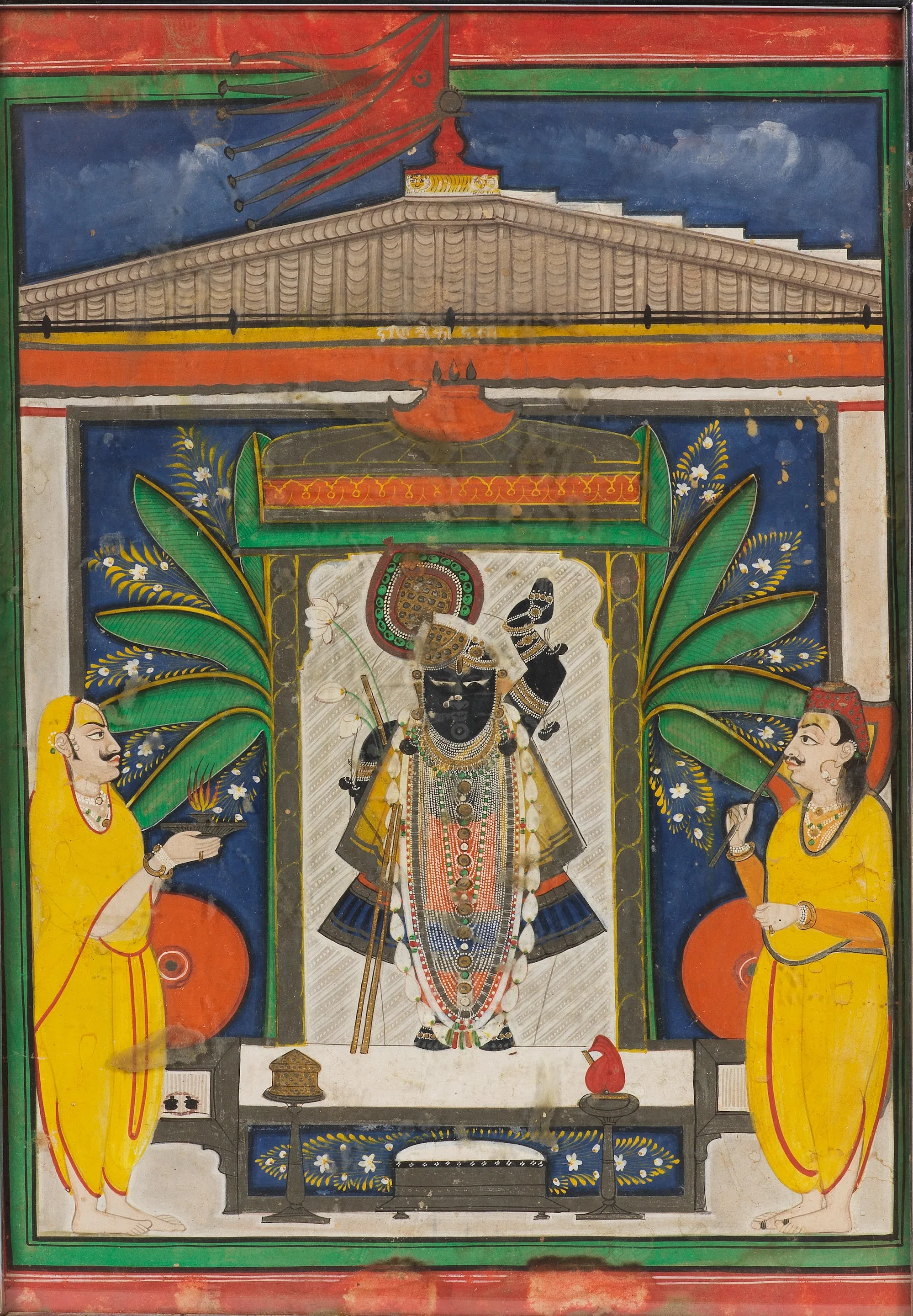
The Kota school of painting emerged in the 1660s when Kota separated from the princely state of Bundi under the reign of Jagat Singh (1658-1683). In the early years, Kota artists closely followed the Bundi style and it was difficult to distinguish the two traditions. Over the following decades, Kota painters developed their own visual language - one more energetic, more naturalistic in its treatment of animals, and more deeply rooted in the Chambal river valley landscape. The Hada Rajput rulers were passionate hunters, and this passion shaped the subject matter of almost every major work the school produced. Beyond hunting, Kota artists illustrated the Hindu epics, the Barahmasa - a poetic cycle describing the twelve months - and the devotional themes of the Pushti Margiya sect of Vaishnavism, with Lord Krishna appearing frequently in pastoral settings. The Chobdar family of Kota is one of the few known lineages still carrying this tradition today.
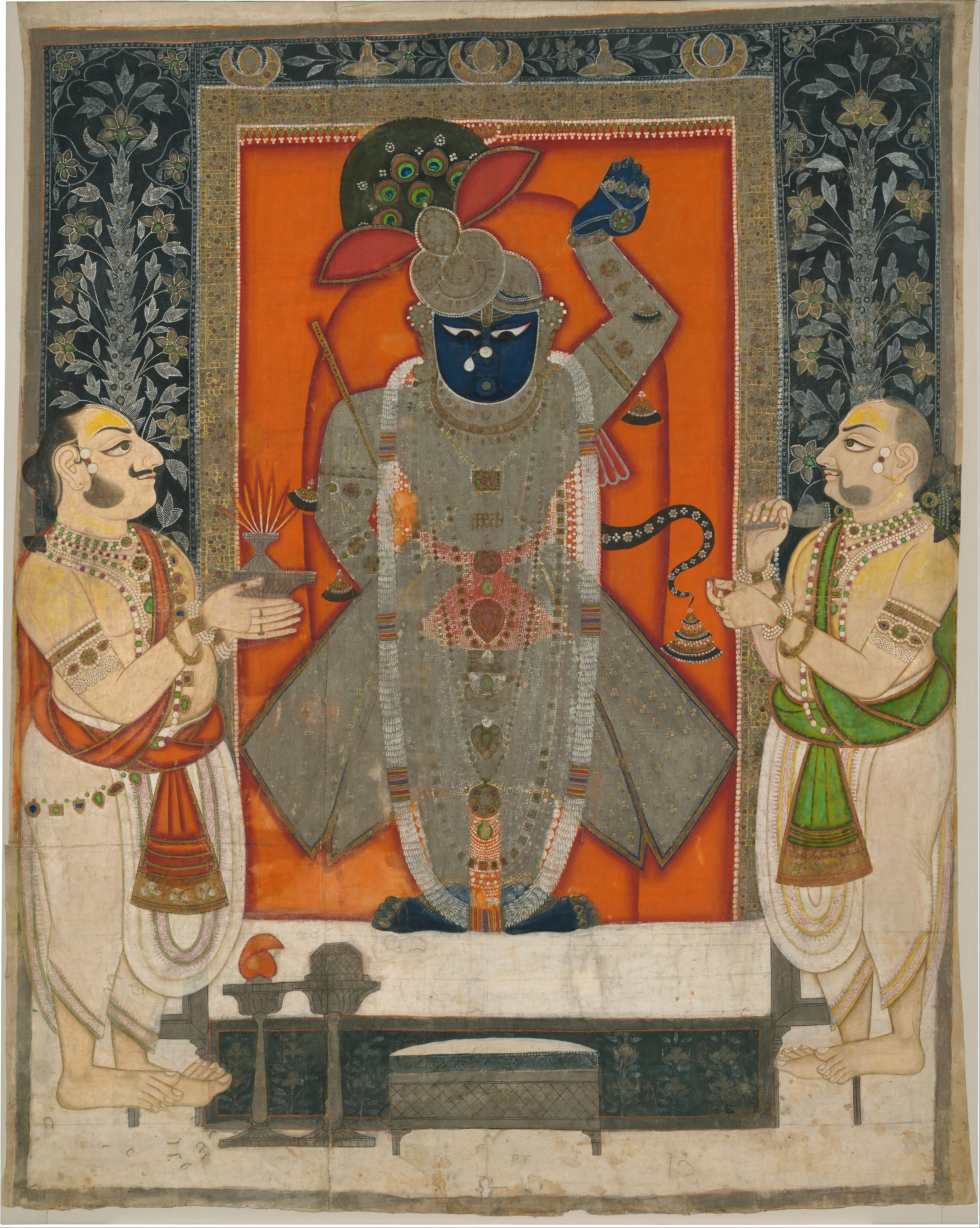
Key Features and Visual Style
The Kota school is visually unlike any other Rajput miniature tradition because of how it portrays the natural world. Where many court painting traditions emphasised architectural settings and formal compositions, Kota painters placed their figures inside wild, exuberant landscapes that seem almost to breathe with life.
The defining subject matter of Kota paintings is the royal hunt, with tigers, lions, elephants, horses, and deer rendered with remarkable anatomical accuracy and vitality.
Backgrounds feature dense, verdant vegetation including large-leafed trees, flowering plants, river banks, and rocky outcrops typical of the Chambal valley landscape.
Human figures have sharp, elongated facial features - pointed noses, thin arched brows, oval faces, and almond-shaped eyes - a characteristic specific to the Kota style.
Natural pigments are sourced from mineral deposits along the Chambal river, plant extracts, and locally obtained soils, ground into fine powder and mixed with water or resin-based gum before application.
Squirrel-hair brushes are the primary tool, used to apply multiple washes of opaque pigment in a technique that begins with a rough sketch and builds up colour in layered stages.
The painting surface is formed by stacking and gluing several sheets of handmade wasli paper, sometimes reinforced with a layer of cloth, to create a strong and absorbent base.
Famous Artists of Kota School of Painting
The Kota school of painting was sustained across generations by court artists who trained within the tradition and passed their skills through family lineages.
Shaykha is among the earliest identified masters of the Kota style, active during the late 17th century. His work is credited with establishing the distinctive naturalistic treatment of animals and dense foliage that separates Kota painting from its Bundi origins.
Dalu and Guman, both court painters working in the 18th century, are associated with some of the most celebrated hunting compositions in the Kota tradition. Their large-format works depicting royal shikar scenes are held in major museum collections internationally.
Raghunathdas, also working in the 18th century, is known for his finely detailed depictions of the Barahmasa and devotional subjects. His work demonstrates the range of the Kota school beyond hunting alone.
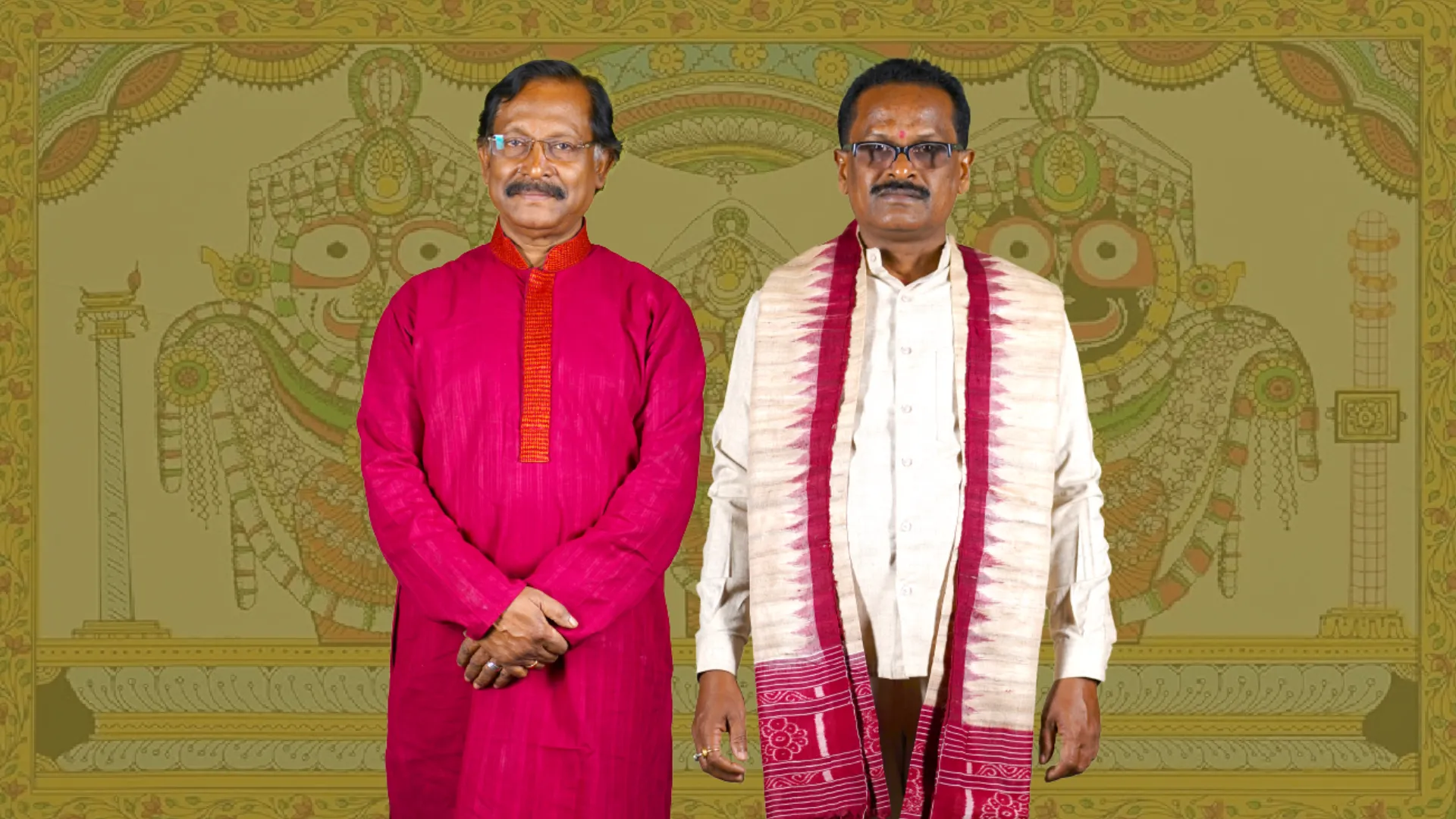
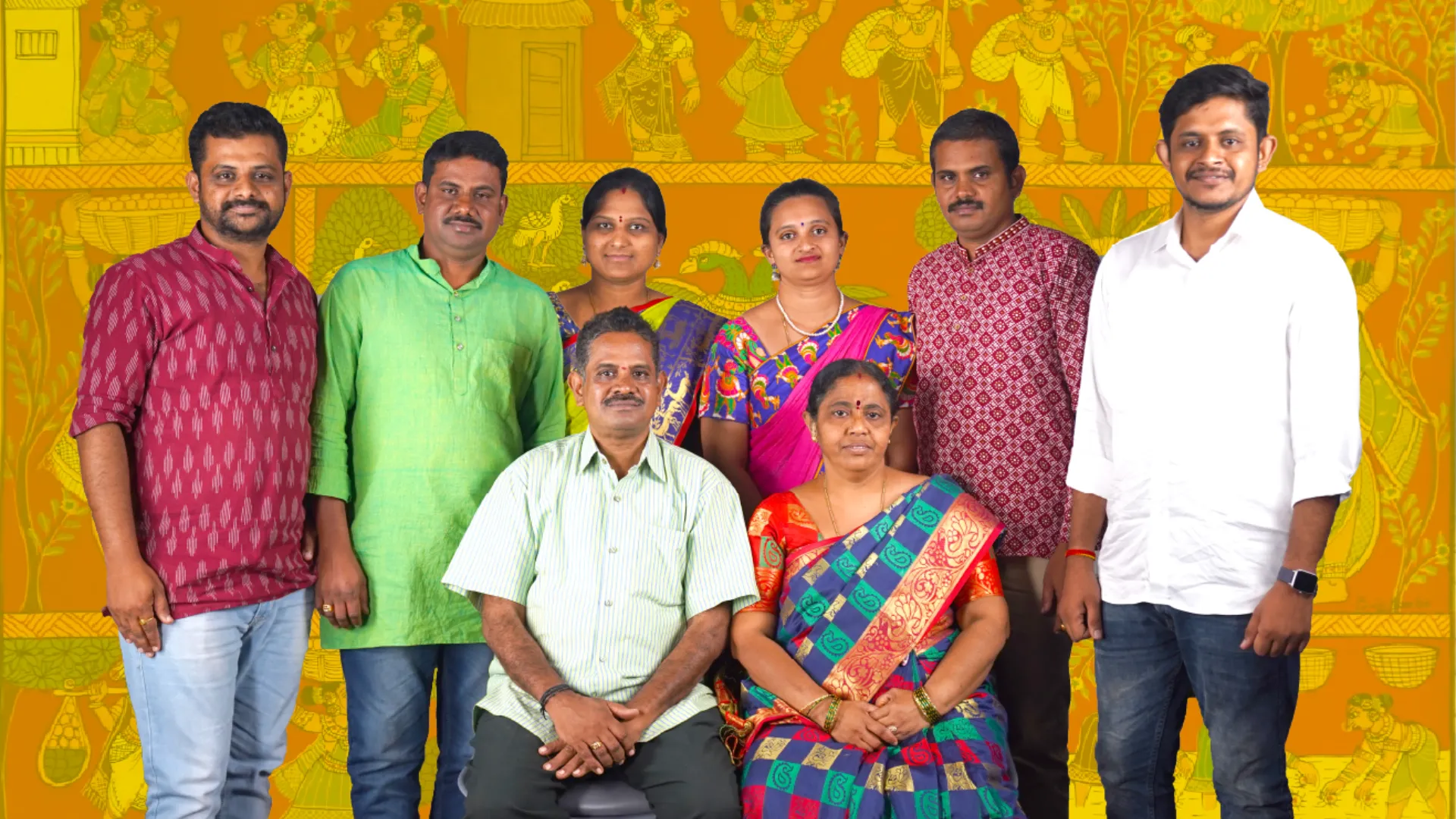
The Chobdar family of Kota, Rajasthan, continues to represent the living practice of this art form today, maintaining the craft within one of the few surviving practitioner lineages.
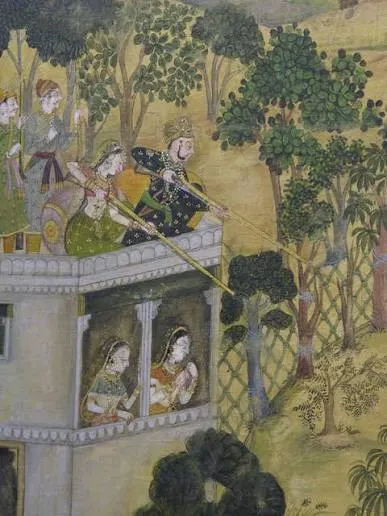
If you are wondering how to learn Kota school of painting online in India, Rooftop's Kota and Bundi miniature course is taught by Mohammed Luqman, a practising artist working within this traditional miniature painting lineage. The course covers foundational techniques including preparing wasli paper, grinding natural pigments, sketching compositions, and applying layered washes - the same process Kota court artists followed. Learning directly from a practising artist means you engage with the craft as a living tradition rather than a historical subject. Many students search specifically for a kota bundi miniature course when looking to study this lineage online.
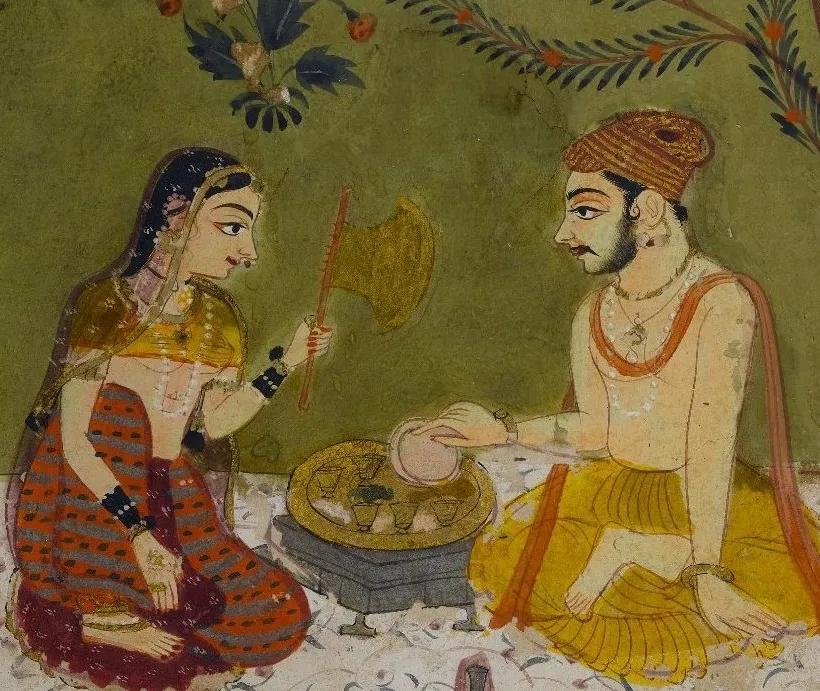
Original works from the Kota school are held in the collections of the National Museum in New Delhi, the Maharao Museum in Kota Fort, and several international institutions including the Victoria and Albert Museum in London. Within Rajasthan, the Kota Fort complex offers an important connection to the tradition's royal origins. For those looking to buy authentic Kota Kalam paintings, Rooftop's shop features original works sourced directly from traditional Indian artists, including works in the Rajasthani miniature tradition.
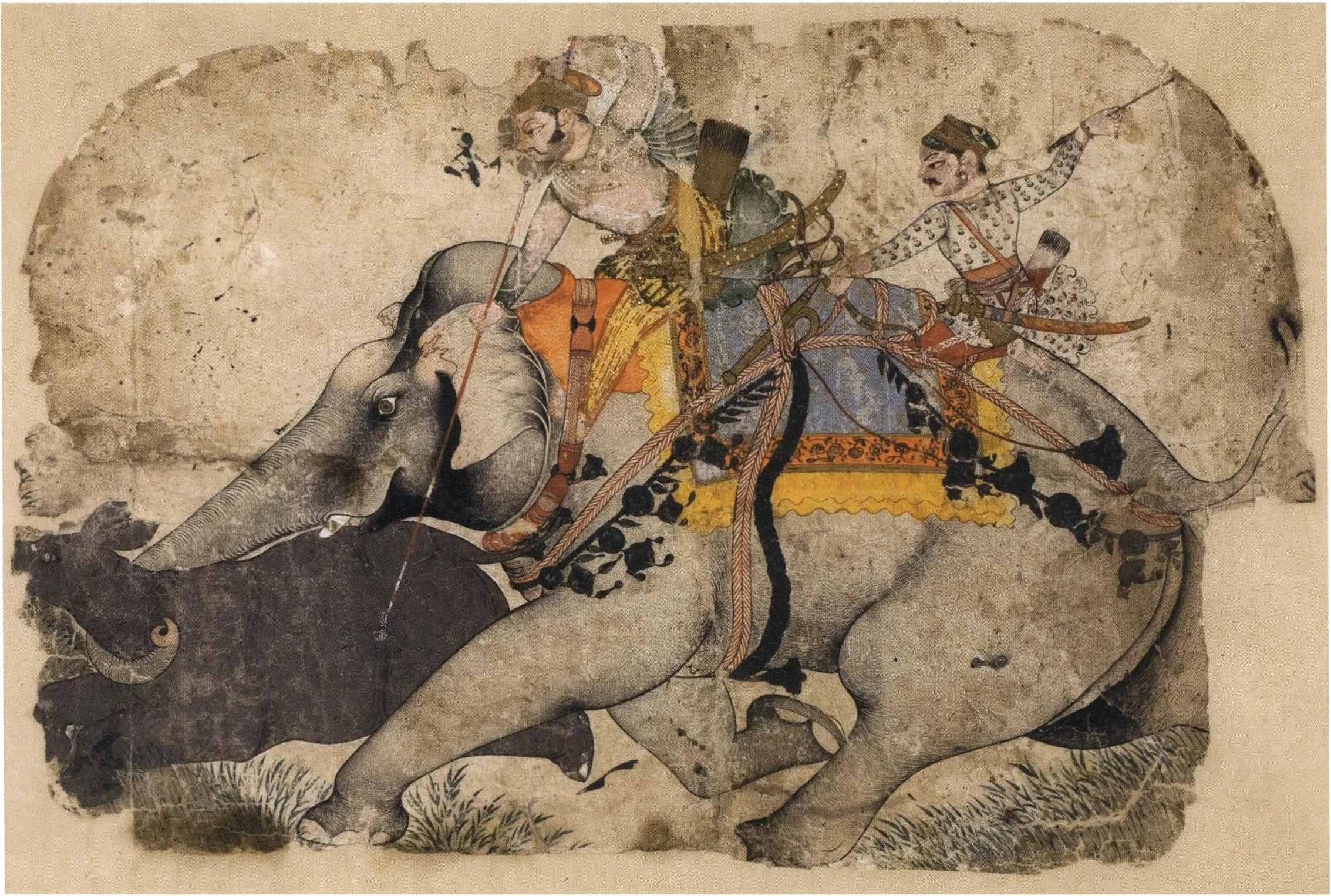
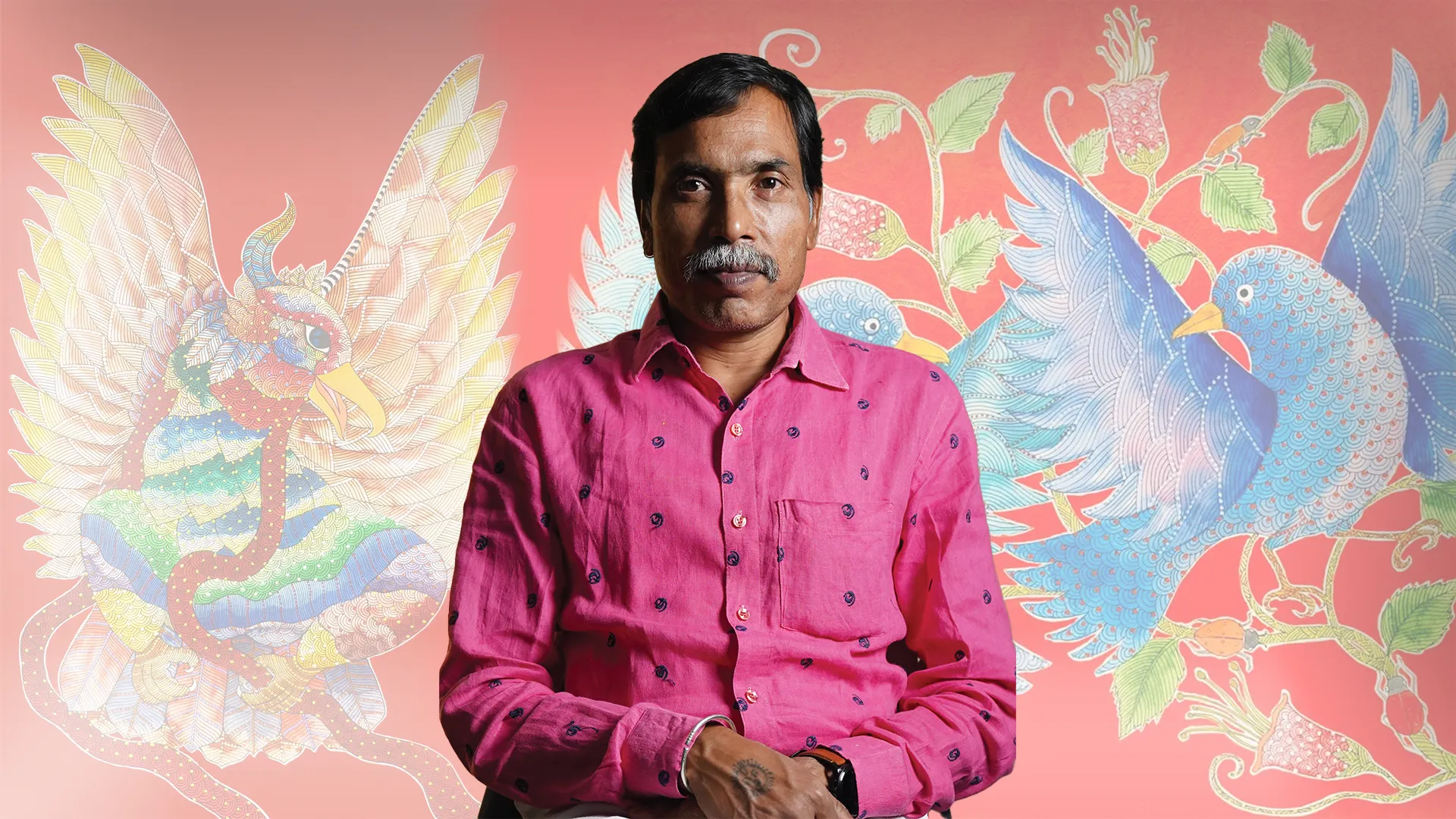
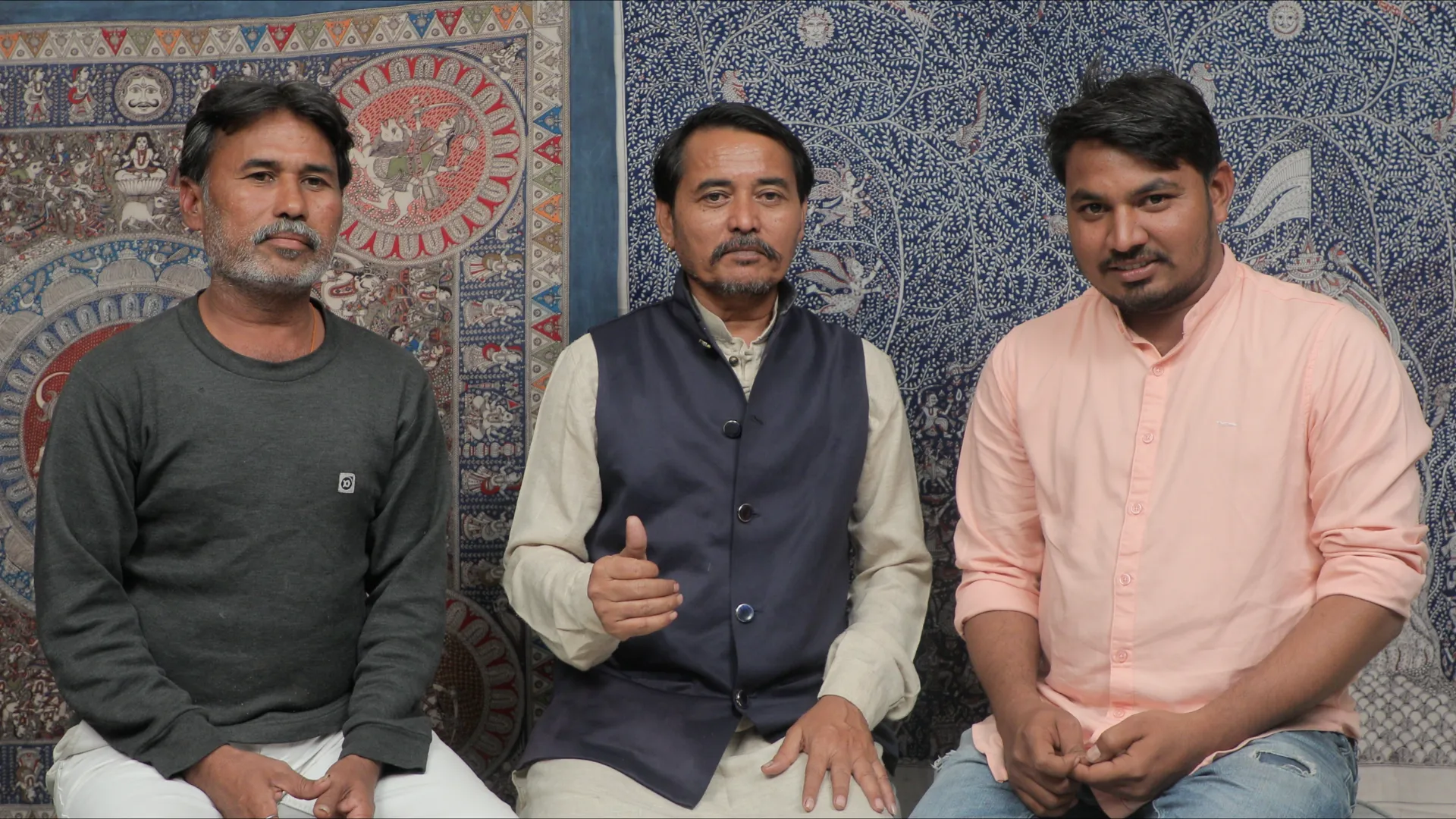
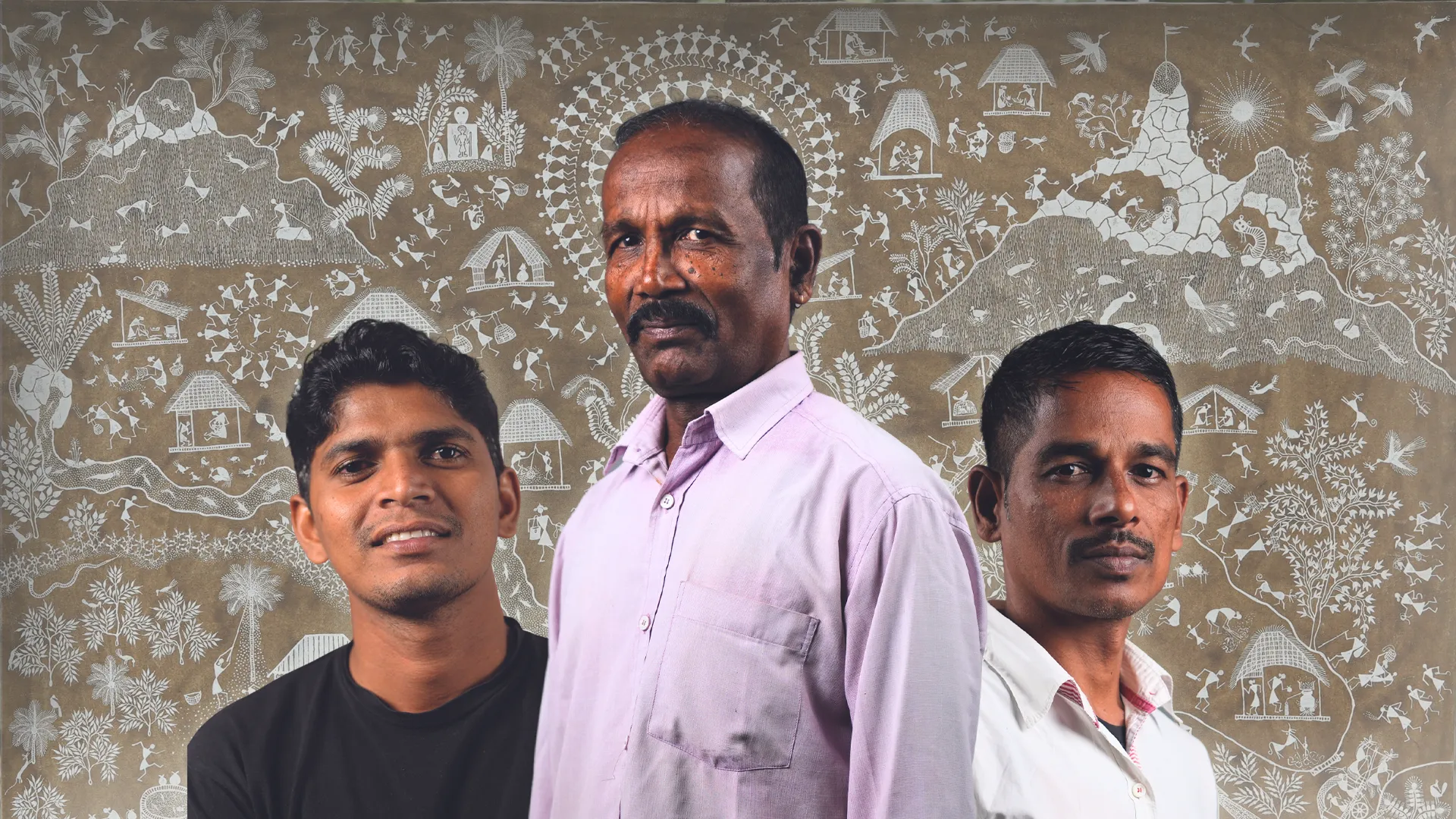
What is Kota school of painting and where does it come from?
Kota school of painting is a Rajput miniature tradition from Kota, a city in the Hadoti region of Rajasthan, situated along the Chambal river. It developed as an independent style in the 1660s after Kota separated from the princely state of Bundi, and became known for its vivid hunting scene compositions and naturalistic depictions of animals and forest landscapes. It is also known locally as Kota Kalam and belongs to the broader Hadoti group of miniature painting traditions in western Rajasthan.
Which community or dynasty is associated with Kota school of painting?
The Kota school was patronised by the Hada Rajput rulers of Kota, and their passion for hunting directly shaped the dominant subject matter of the tradition. The Hada Rajput court governed the region for several centuries and commissioned artists to document hunts, religious observances, and courtly events. The Chobdar family of Kota is one of the few practitioner lineages still active today, carrying the craft within a community that served the Kota royal family across generations.
Who are the most famous artists of the Kota school of painting?
Among the best-known artists are Shaykha, credited with defining the naturalistic animal and landscape style in the late 17th century, and 18th-century court painters Dalu and Guman, whose large hunting compositions are considered masterworks of the tradition. Raghunathdas is noted for his devotional and Barahmasa-themed works that demonstrate the school's range beyond hunting subjects. The Chobdar family continues to represent the living practice of the art form in Kota today.
What materials and colours are used in Kota Kalam paintings?
Kota miniature painters traditionally used natural pigments obtained from mineral deposits along the banks of the Chambal river, plant extracts, and locally collected soils. These raw materials were ground into fine powder and mixed with water or a resin-based gum to create opaque paint. The painting surface was prepared by layering and gluing sheets of handmade wasli paper, sometimes reinforced with a layer of cloth for added strength, and squirrel-hair brushes were the primary tool for application.
Can I learn Kota school of painting online in India?
Yes, Rooftop offers an online Kota and Bundi miniature painting course taught by Mohammed Luqman, a practising artist trained in this tradition. The course covers core skills including paper preparation, natural pigment use, sketch construction, and layered wash techniques. Learning through Rooftop connects you directly to a practising artist from within the Rajasthani miniature tradition.
Where can I see or buy authentic Kota Kalam paintings?
Significant collections of Kota school works are held at the National Museum in New Delhi and the Maharao Museum within Kota Fort, which is the historical home of this tradition. Internationally, the Victoria and Albert Museum in London holds important examples. For buying original works, Rooftop's shop carries pieces sourced from traditional Indian artists and is a reliable place to find authentic work from the Rajasthani miniature tradition.
The Kota school of painting stands as one of Rajasthan's most distinctive contributions to Indian art history - a tradition where royal hunts, sacred stories, and the wild landscape of the Chambal valley came together on paper with extraordinary skill. Explore Kota school of painting courses on Rooftop and connect with one of India's most compelling miniature painting traditions.
Sources
Chaitanya, K. A History of Indian Painting: Rajasthani Traditions. Abhinav Publications, 1982.
Kuiper, Kathleen. The Culture of India. Britannica Educational Publishing in association with Rosen Education Service, 2011.
Image Sources
"Detail of Kota Painting, ca. 1700." Wikimedia Commons, https://commons.wikimedia.org/wiki/File:Detail_of_Kota_painting,_ca._1700.jpg. Accessed 14 July 2026.
"Detail of Kota Painting, ca. 1700." Wikimedia Commons, https://commons.wikimedia.org/wiki/File:Detail_of_Kota_painting,_ca._1700.jpg. Accessed 14 July 2026.
"Kota School, Rajasthan, India – Priests Worshipping Krishna as Shrinathji for Mountain of Food Festival (Annakuta Utsava)." Wikimedia Commons, https://commons.wikimedia.org/wiki/File:Kota_school,_Rajasthan,_India_-_Priests_worshipping_Krishna_as_Shrinathji_for_Mountain_of_Food_festival_%28Annakuta_utsava%29;_shrine_ha..._-_Google_Art_Project.jpg. Accessed 14 July 2026.
"Rajasthan, Kota Painting." Asian Art, https://www.asianart.com/arga/d15087.html. Accessed 14 July 2026.
"Bundi Painting – Kota, Rajasthan." Global InCH, https://globalinch.org/craft/bundi-painting-kota-rajasthan/. Accessed 14 July 2026.
"Sri Nath Ji in a Temple Alcove with Devotees." MutualArt, https://www.mutualart.com/Artwork/SRI-NATH-JI-IN-A-TEMPLE-ALCOVE-WITH-DEVO/8B3C4AF2D660BD4CB0CE68EF6706875B. Accessed 14 July 2026.