
How Jangarh Singh Shyam Learned to Paint
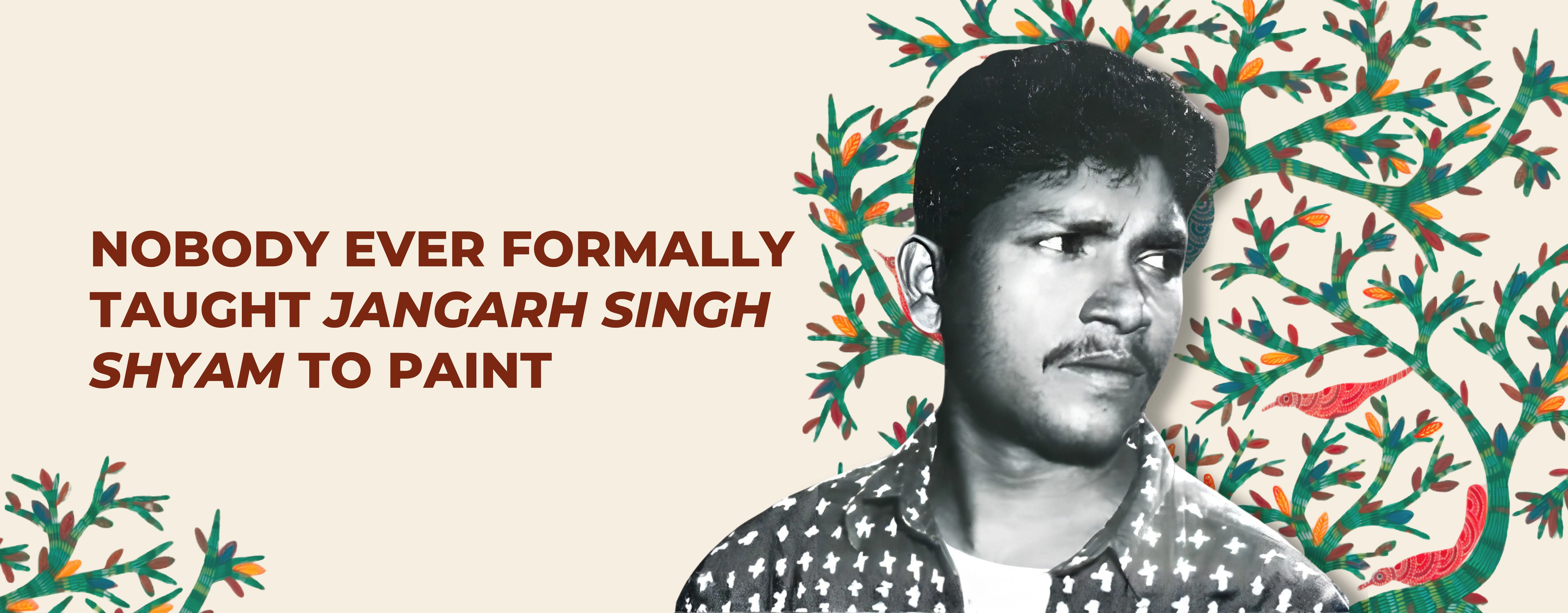
Nobody Ever Formally Taught Jangarh Singh Shyam to Paint
Jangarh Singh Shyam didn't learn painting from a master. He used his surrounding as an inspiration and created something nobody else could.

Kartik Gaggar
Author
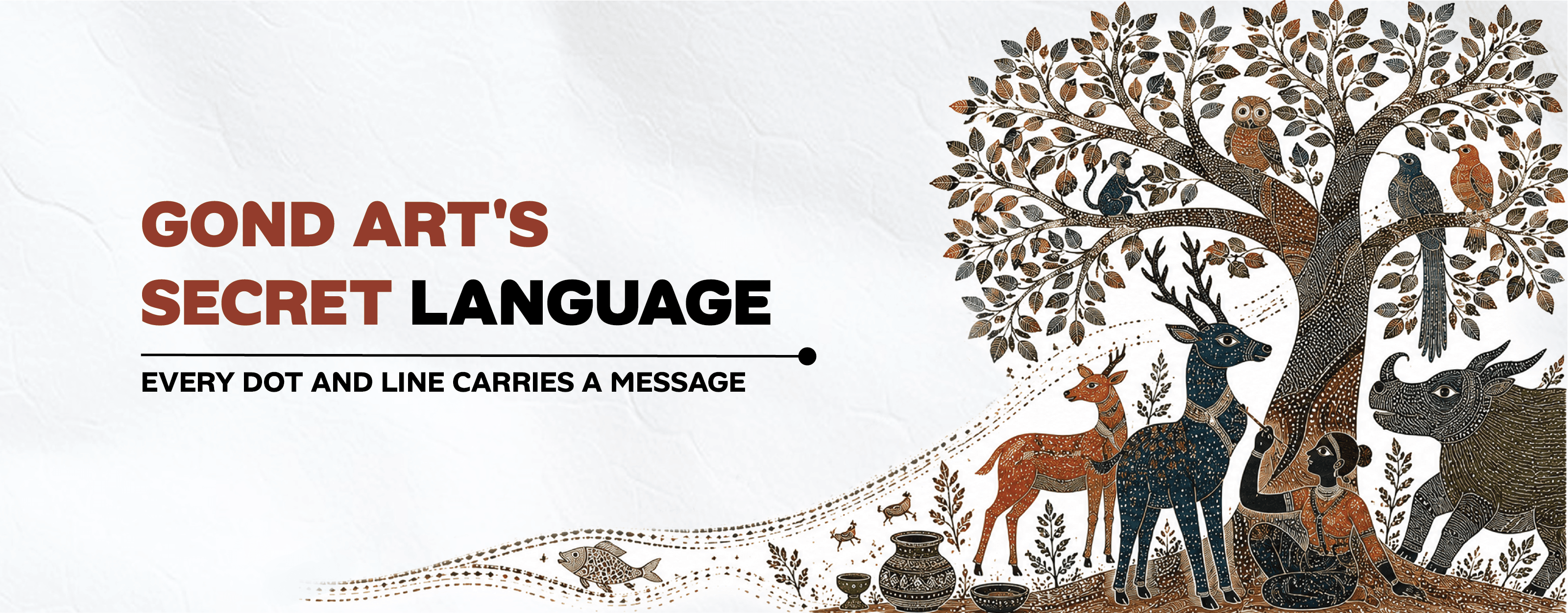
There is a common assumption that traditional art is passed down through a neat line of teacher and student, with one generation teaching the next exactly what it knows. The story of Jangarh Singh Shyam makes that idea much harder to hold on to. Before he ever entered an art institution or touched a canvas, Jangarh was already surrounded by images. Growing up in Patangarh, he saw animals, birds, deities and other figures appear on mud walls and in the visual traditions of his community. He was learning all the time, even if nobody was calling it an art lesson.
That became particularly important in 1981, when Jangarh's work caught the attention of people associated with Bharat Bhavan in Bhopal. Jagdish Swaminathan recognised something in the young artist's drawings and brought him into a completely different environment, where he encountered canvas, poster colours, brushes and the possibilities of working beyond the walls of his village. Jangarh had not been trained to paint in the conventional sense. He had been given the opportunity to experiment, and what emerged from that experimentation eventually became known as Jangarh Kalam.
Learning by Watching
When other young Gond artists began coming to Bhopal, Jangarh's influence spread in much the same way. They watched him work, helped around the studio and gradually began making paintings of their own. Yet the interesting part was that learning from Jangarh did not mean becoming a smaller version of him. Venkat Raman Singh Shyam, who worked with his uncle as a young apprentice, has recalled how Jangarh encouraged him to develop an individual approach instead of simply copying his imagery. Venkat eventually moved towards his own subjects, forms and visual language.
The same idea appears across the wider generation of artists associated with the movement. Ram Singh Urveti developed patterns connected to the necklaces traditionally worn by Pardhan Gonds, while Durga Bai Vyam built much of her visual world around stories and memories from her childhood. Their paintings can be recognised as part of a broader Gond tradition, but the details that make them identifiable as individual artists came from somewhere much more personal.
That is perhaps what makes the way Gond art is learned so interesting. The patterns and techniques can be demonstrated, but the artist's visual language cannot simply be handed over. It develops through observation, memory and repetition, with personal experience eventually finding its way into the painting. Even the materials changed over time. What had once been made using locally available pigments and tools evolved into work on paper and canvas using modern paints, brushes and other media.
How Art Goes From One Generation to the Next
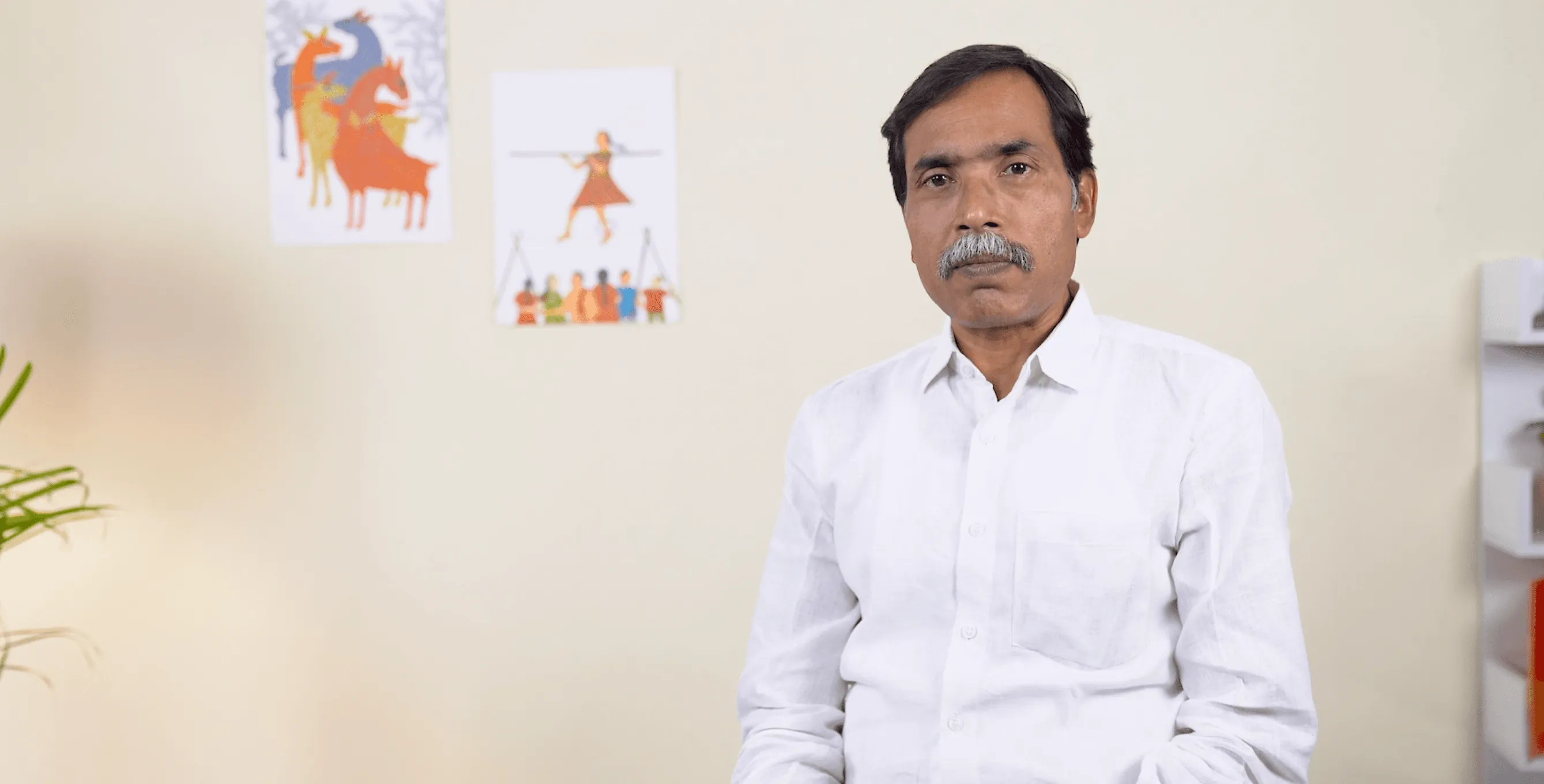
Gond Art across generations
Venkat's own journey shows how different that process could look outside Jangarh's studio as well. He had been drawing from a young age, later worked as a signboard painter and eventually spent years working various jobs while continuing to develop his art. His paintings carry the influence of Jangarh and the Pardhan Gond visual tradition, but they also reflect everything he encountered along the way. That combination of inheritance and individual experience is what keeps the art form from becoming a fixed template.
Today, that process of learning can be made accessible to people who did not grow up surrounded by Gond stories and imagery. Rooftop's Gond art course with Venkat Raman Singh Shyam follows a similar progression, beginning with the cultural foundations of the art form before moving into motifs, colours, materials, patterns and the process of building a composition. The point is not to reproduce one of Venkat's paintings perfectly, but to understand enough of the process to begin making something of your own.
The circumstances are obviously different from the ones Jangarh grew up in. A learner today can pick up a brush because they are curious, rather than because a painting might become a way out of manual labour. However, the most valuable part of that older method remains relevant: look closely, understand what you are looking at, learn the technique, and then allow your own experiences to change what you make. Jangarh's legacy was never about creating a formula that everyone else had to follow. It was about showing what could happen when a tradition was given room to grow.