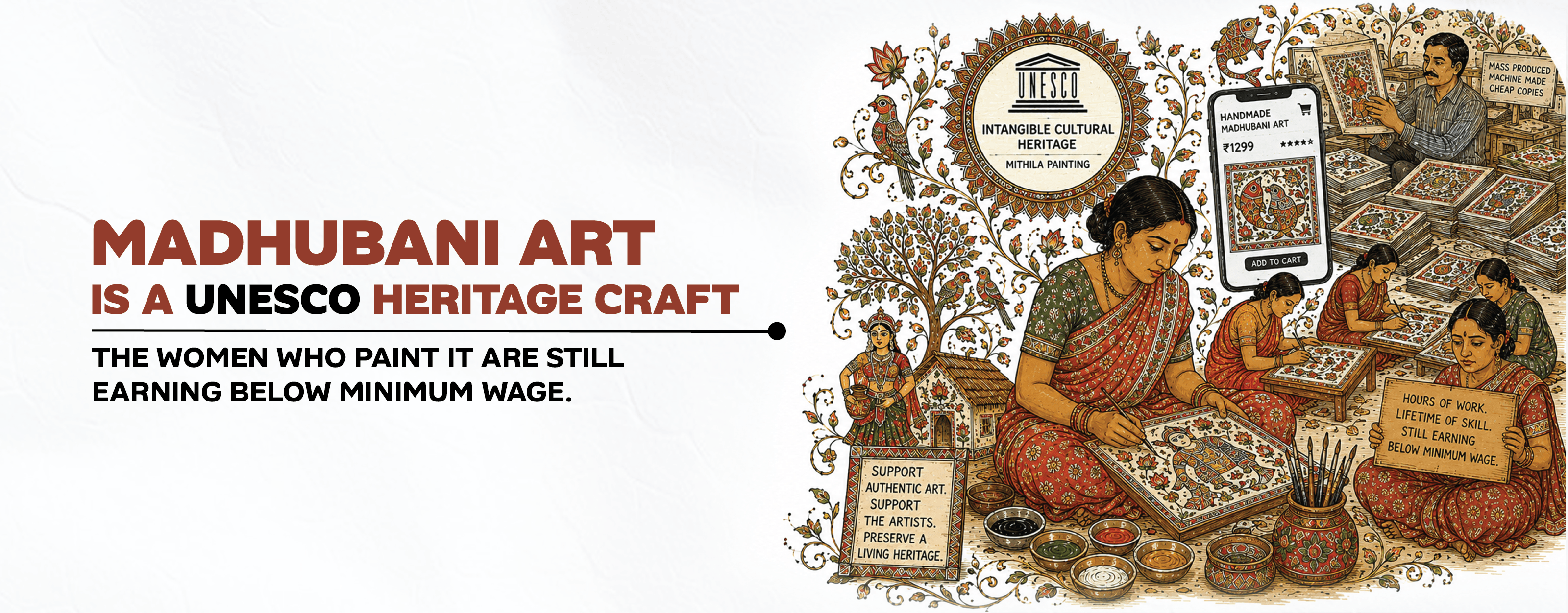

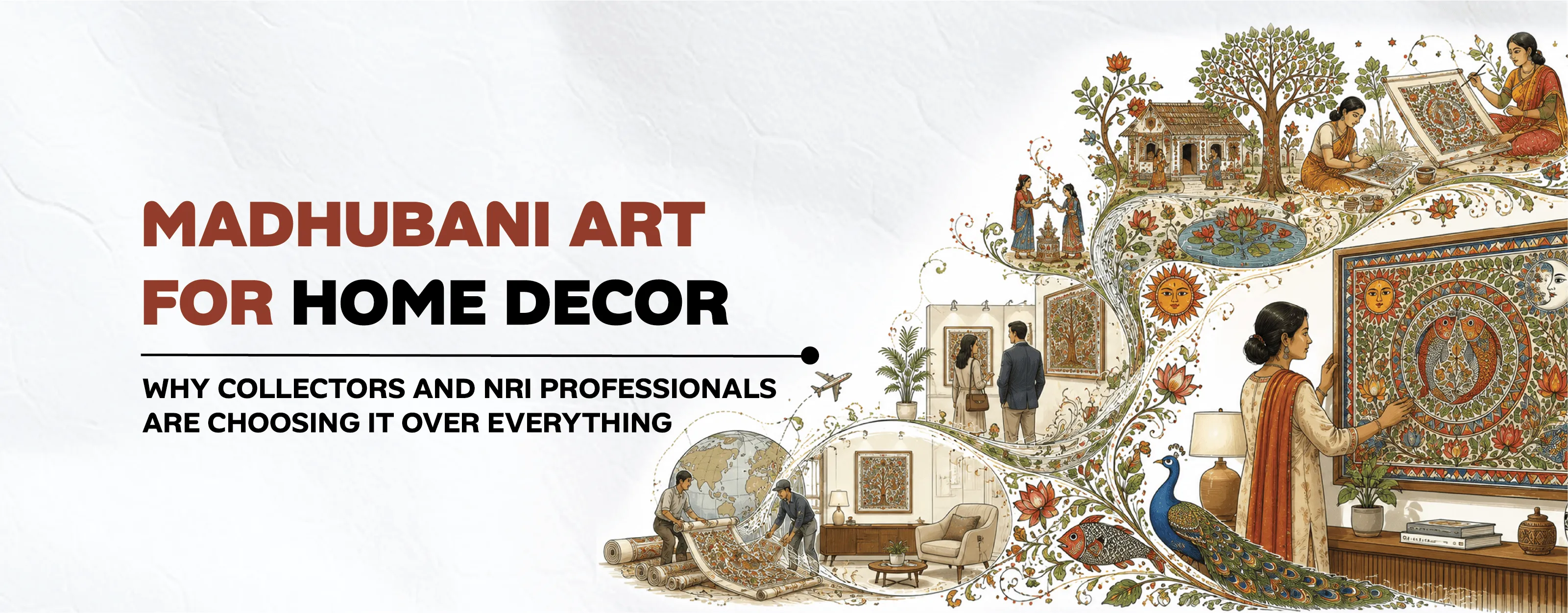

For years, Madhubani paintings were often encountered in local markets, state emporiums, and souvenir shops, where visitors brought home a small piece of Bihar's artistic heritage. Today, the art form is finding its way into a rather different setting. From thoughtfully designed urban homes to art collections overseas, Madhubani is increasingly being appreciated as an artwork in its own right.
And there is plenty to admire. Also known as Mithila art, this tradition brings together intricate patterns, vivid colours, stories from mythology, and scenes drawn from everyday life. Every painting carries traces of a visual language that has been practised and passed down through generations, largely by women from the Mithila region.
Especially, for a contemporary collector, a Madhubani painting can offer something that mass-produced wall art rarely does. It has a distinct cultural history, a recognisable artistic style, and the unmistakable touch of the person who created it. Understanding what goes into this art form also reveals why it continues to hold its own in changing ideas of home décor and artistic expression.
What Makes Madhubani Art Meaningful in a Modern Home?
What Makes Madhubani Art Meaningful in a Modern Home
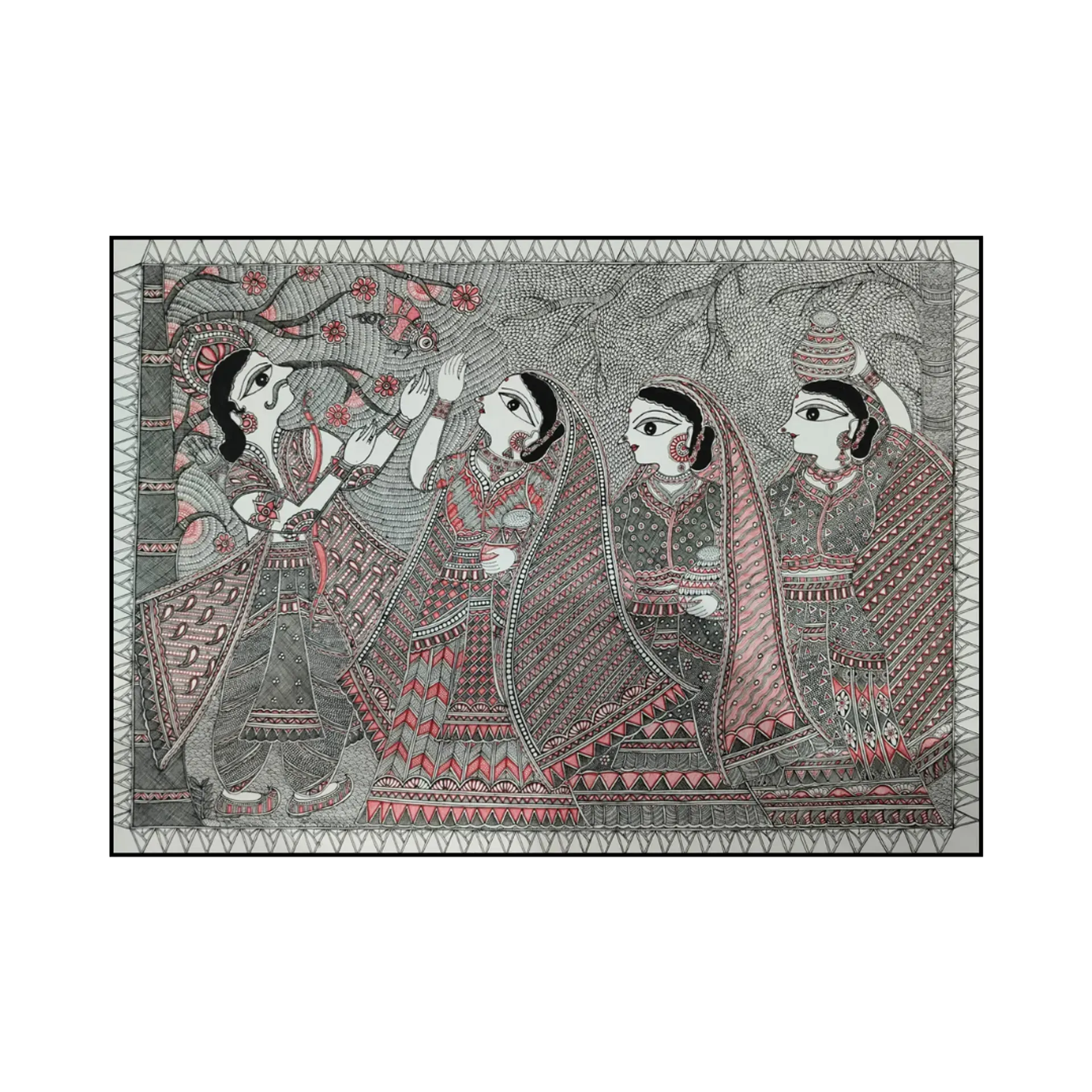
A Madhubani painting can certainly become a striking feature in a contemporary home, but its appeal goes much deeper than its colours and intricate patterns. Behind every composition is a tradition shaped by generations of women, stories rooted in the Mithila region, and a way of looking at the world that has survived through changing times.
There are several reasons why collectors continue to find this art form so compelling:
- A Tradition Shaped by Women: Madhubani has historically been practised and passed down by women in the Mithila region. Mothers, daughters, and other female members of the family shared techniques, motifs, and stories through their paintings. Owning an original work also offers a way to appreciate this long-standing contribution to Indian art history.
- An Alternative to Mass-Produced Decor: In a market filled with digitally reproduced prints and quickly changing interior trends, a hand-painted Madhubani has a character of its own. The artist's lines, colour choices, patterns, and small variations make each original work distinct.
- Art That Carries a Story: Madhubani paintings often depict religious ceremonies, mythological figures, nature, harvests, and important moments in everyday life. Motifs such as the Kohbar paintings, traditionally associated with marriage rituals, carry meanings that go beyond their decorative appearance. This gives the artwork a cultural context that can be explored and appreciated long after it finds a place on the wall.
Perhaps this is what makes Madhubani so interesting in a modern setting. It can sit comfortably alongside contemporary furniture and interiors while retaining the stories, beliefs, and artistic knowledge that shaped it.
Giving Contemporary Spaces a Touch of Tradition
Giving Contemporary Spaces a Touch of Tradition
A home often reflects the things its residents hold close. It might be a book collected during a memorable trip, an old family photograph, or an object passed down through generations. Art can do something similar. A Madhubani painting brings a part of Bihar's cultural landscape into a space that may otherwise have a very contemporary character.
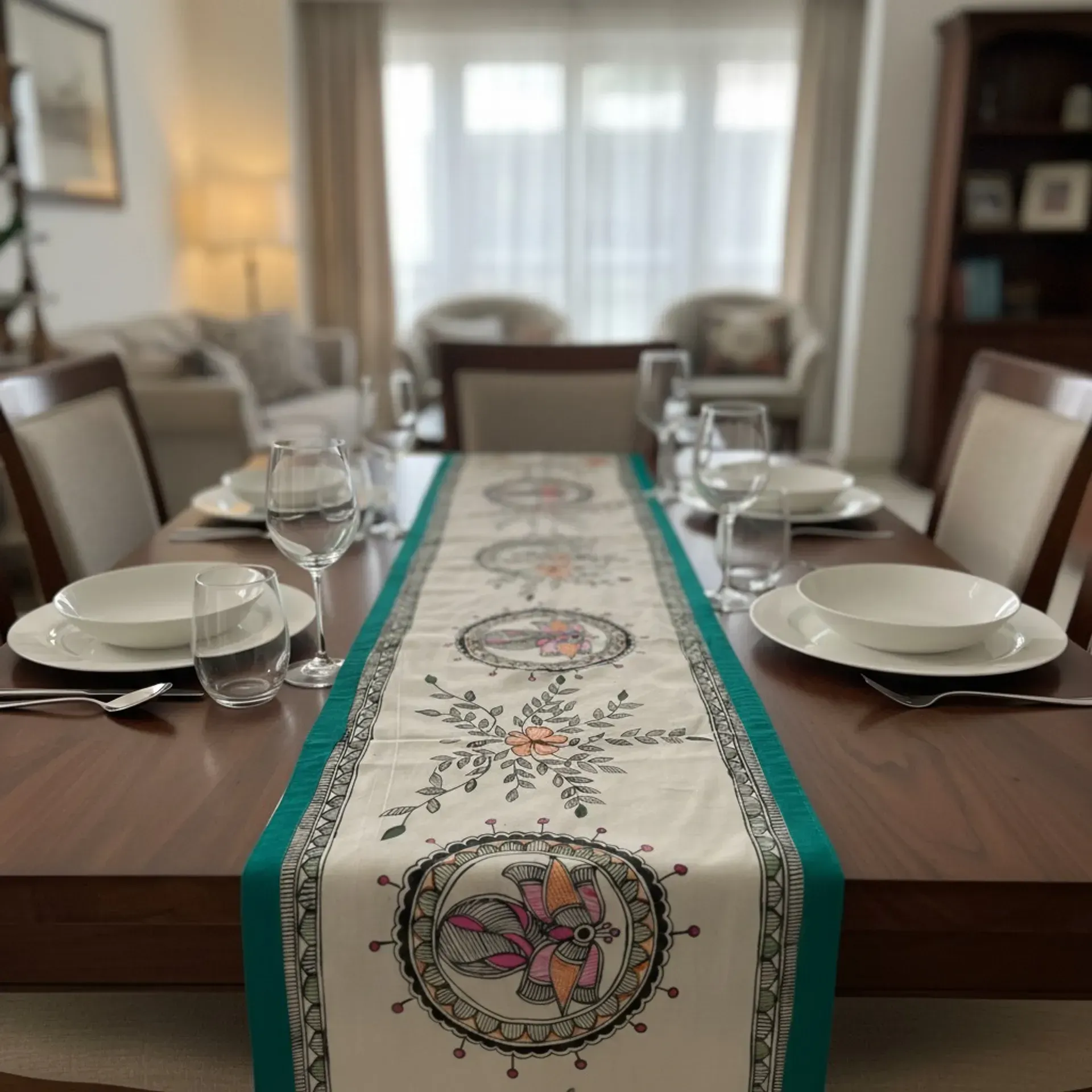
Its visual style also makes it surprisingly adaptable. The strong outlines and distinctive compositions can hold their own against plain walls and understated furniture, while the colours can add warmth to rooms built around natural materials. Whether placed above a wooden console, in a quiet reading corner, or on a large living-room wall, a Madhubani painting can give the space a personality of its own.
A few qualities make this possible:
- Strong Composition: The bold outlines, repeated patterns, and clearly defined figures give Madhubani paintings a distinctive presence. They can become a focal point without requiring an elaborate setting around them.
- A Playful Use of Colour: Traditional works can feature combinations of red, yellow, green, blue, and black. These colours can bring life to neutral interiors, while monochromatic Kachni paintings offer a more restrained alternative.
- A Connection with Natural Materials: The earthy character of many traditional palettes works well with wooden furniture, stone surfaces, cane, jute, and handwoven textiles. These combinations can create a space that feels warm without being overly decorated.
What makes this pairing particularly interesting is the contrast between the old and the new. A painting rooted in the traditions of Mithila can find a place in a home with contemporary architecture, without having to lose anything of its original character. It is a reminder that traditional art does not have to remain confined to traditional settings.
Choosing and Displaying an Original Madhubani Painting
Choosing and Displaying an Original Madhubani Painting
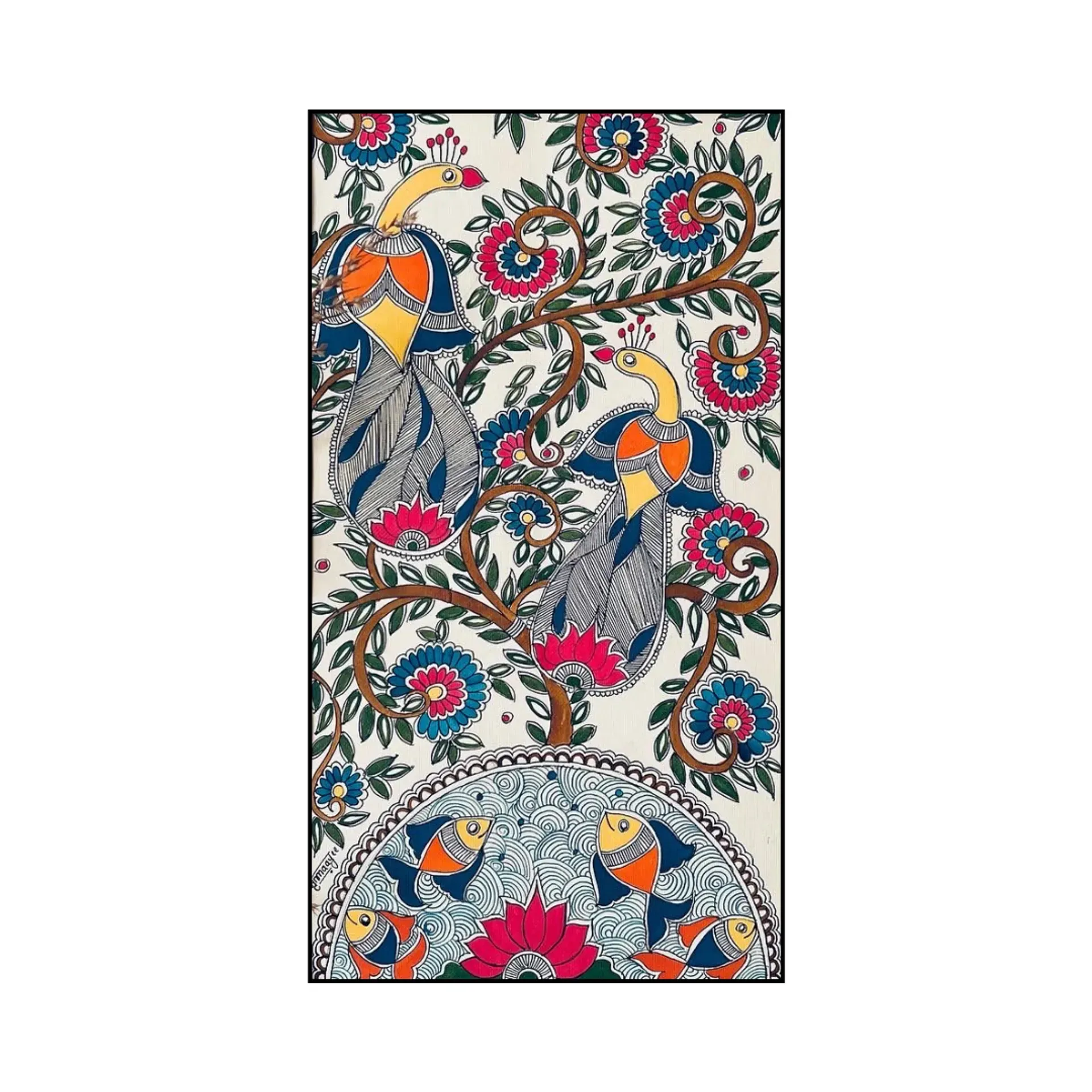
There is a difference between admiring a Madhubani design and owning an original painting created by a Mithila artist. A digital reproduction can certainly bring the colours and patterns of the art form into a home, but an original carries the individual decisions, techniques, and workmanship of the person who painted it. For anyone looking to collect traditional Indian art, knowing what to look for can make the experience much more meaningful.
Here are a few differences worth paying attention to:
| What to look for | Digital Reproduction | Original Madhubani Painting |
|---|---|---|
| How it is made | The image is reproduced mechanically using a printer, often on paper or canvas. | The artist draws and paints the composition by hand, building up its lines, patterns, and colours. |
| Surface and texture | Usually has a uniform, flat printed surface. | May show variations in brushwork, ink application, and the texture of the paper or other surface. |
| Colours and materials | Uses printing inks, with the appearance determined by the printing process and material. | May use traditional natural colours, contemporary paints, or a combination, depending on the artist's practice. |
| Uniqueness | Multiple copies of the same image can be produced. | Each original carries individual variations in line, colour, and execution. |
| Artist attribution | The original artist may not always be credited. | A well-documented work identifies the artist and, where available, details about its origin and materials. |
| Documentation | Usually comes with purchase or seller information. | May be accompanied by a certificate of authenticity or documentation recording the artist, medium, and provenance. |
An original Madhubani painting also gives collectors a chance to connect with the person behind the artwork. Details such as the artist's name, village, artistic background, and the materials used can add valuable context. Places like Jitwarpur and Ranti in the Mithila region are particularly associated with Madhubani painting, and knowing where a work comes from can help collectors appreciate the community and tradition behind it.
Giving Your Madhubani Painting the Right Setting
Giving Your Madhubani Painting the Right Setting
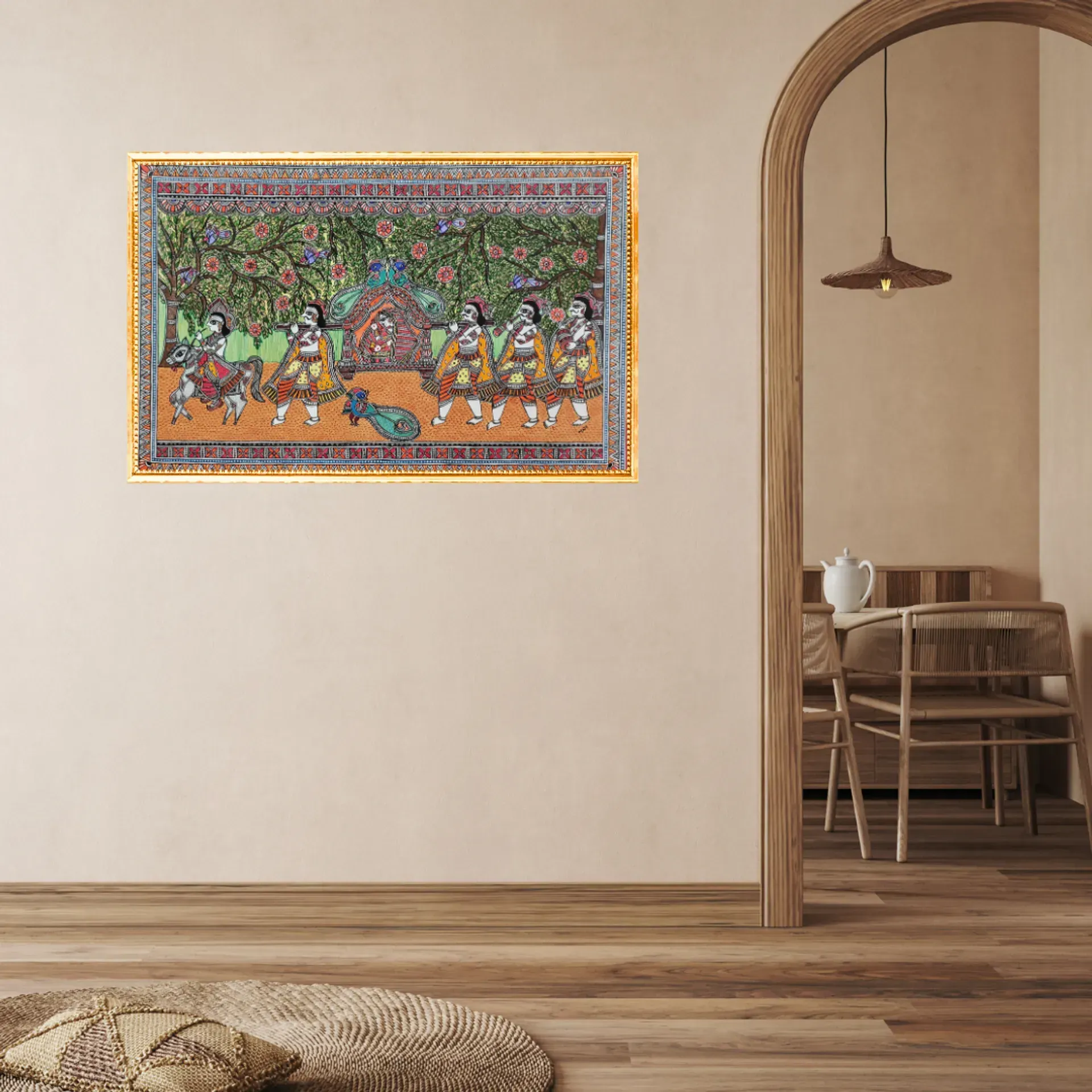
Once you have chosen a painting, the way you display it can make a considerable difference. Traditional Indian art does not need an entire room designed around it to stand out. In fact, Madhubani often looks wonderful when placed alongside contemporary furniture and understated interiors.
A few simple choices can help the painting find its place without making the room feel overly themed or crowded:
- Pair It with Simple Materials: Wooden furniture, linen upholstery, stone surfaces, and neutral walls can create a lovely contrast with the intricate patterns and colours of Madhubani. The artwork brings its own visual richness, so the surrounding materials can remain relatively understated.
- Give the Painting Room to Stand Out: Instead of filling every wall with artwork and decorative objects, allow the Madhubani painting to occupy its own space. A thoughtfully chosen wall or a simple console beneath it can draw attention to the composition without competing with it.
- Choose a Frame That Complements the Artwork: A clean wooden frame or a simple black frame can work well with many Madhubani paintings. For works on paper, an appropriate mount can also help create some visual breathing room while keeping the artwork properly protected.
- Bring Together Different Artistic Styles: A Madhubani painting can sit comfortably alongside contemporary photographs, modern illustrations, or other forms of art. There is no need to restrict it to a room filled with traditional Indian furniture and handicrafts. Sometimes, the contrast between different artistic styles makes the space more interesting.
The idea is to let the painting retain its own identity. Its colours, figures, and patterns already have a story to tell. A thoughtful setting gives that story room to become part of your everyday surroundings.
Bringing Madhubani Art into More Homes
Madhubani painting has travelled a long way from the walls of homes in Mithila to contemporary spaces across the world. But keeping this tradition alive means more than finding new places to display it. It also means recognising the artists who have carried its techniques, stories, and visual language across generations. At Rooftop, we bring together original Madhubani artworks that allow collectors to experience this tradition through the work of the artists themselves. Each painting offers a glimpse into the artist's individual style and the cultural influences that shape their compositions.
For those who want to go beyond collecting, our art courses offer another way to engage with the tradition. Through these courses, learners can explore Madhubani's history, understand its distinctive techniques, and learn from the knowledge of practising artists. It doesn’t matter if someone discovers the art form through an original painting or takes their first steps towards creating one, the intention remains the same: to give traditional artists and their work the recognition they deserve, while helping the knowledge behind Madhubani reach another generation.