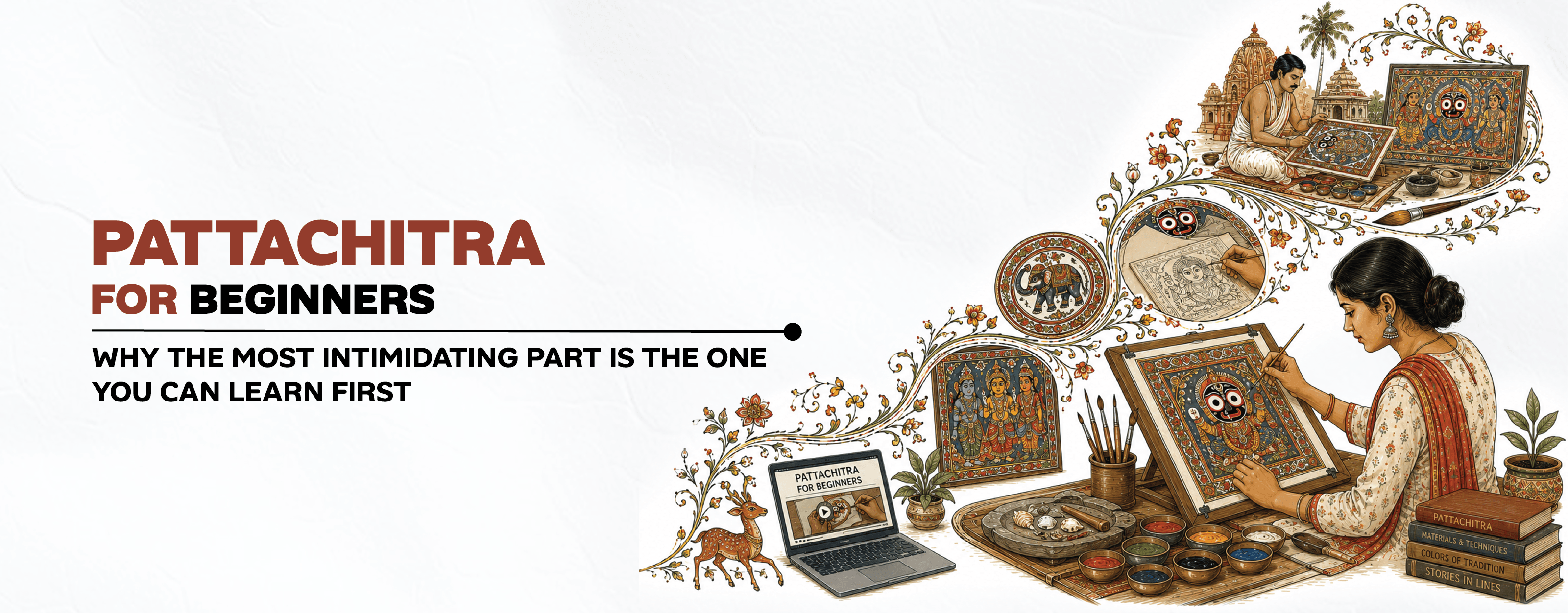

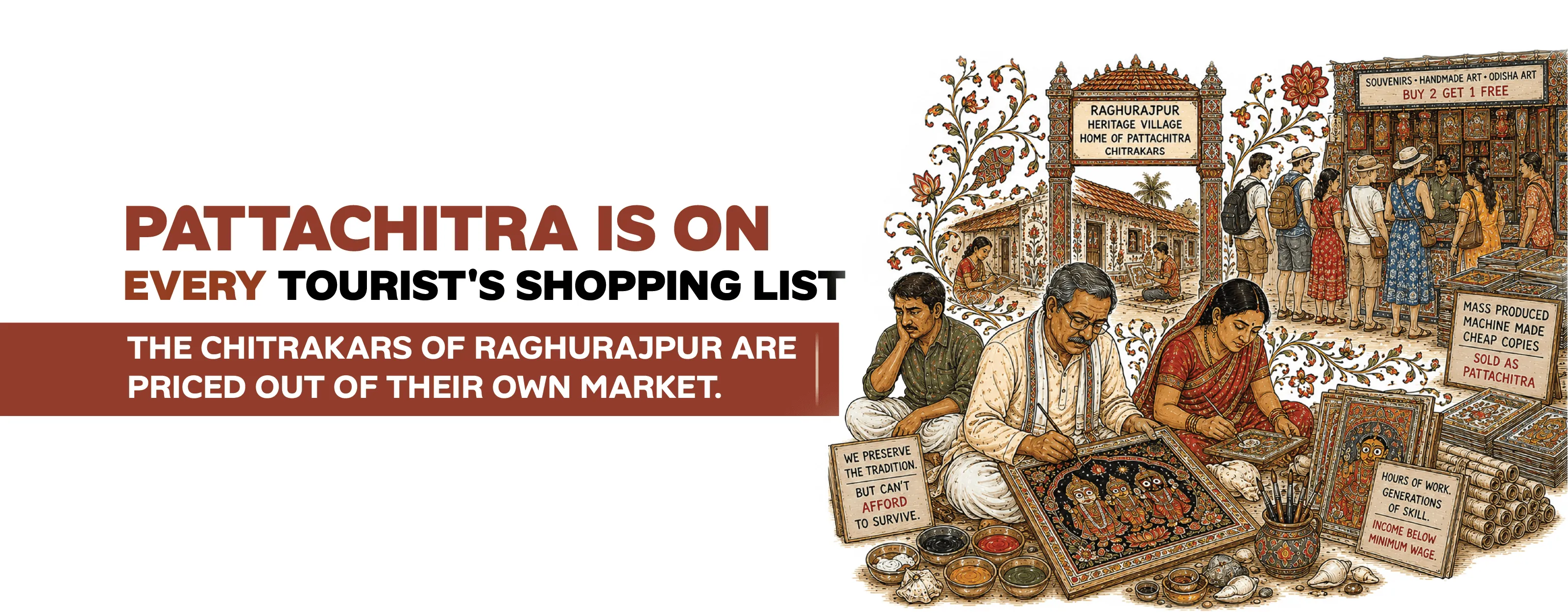

Pattachitra paintings have travelled far beyond the villages where they were traditionally made. Their intricate illustrations appear in museums, handicraft stores, hotel interiors, and souvenir shops. The art form has earned a Geographical Indication (GI) tag and recognition as one of India's most distinctive traditional painting styles. Yet, for the artists who have practised it for generations, this growing popularity has brought an uncomfortable question: who is actually benefiting from it?
In places such as Raghurajpur and Puri, hereditary Chitrakar families continue to preserve the techniques and stories behind Pattachitra. But selling their work has become increasingly difficult. Hand-painted artworks require time, skill, and years of practice, while factory-made reproductions can be produced and sold at a fraction of the price. For buyers who cannot easily tell the difference, the cheaper copy often wins. And that is the contradiction facing Pattachitra today. The art form is finding more admirers than ever, but the artists responsible for keeping it alive are struggling to compete in a market increasingly filled with imitations.
How Tourism Changed the Pattachitra Market
Tourism Influence on Pattachitra
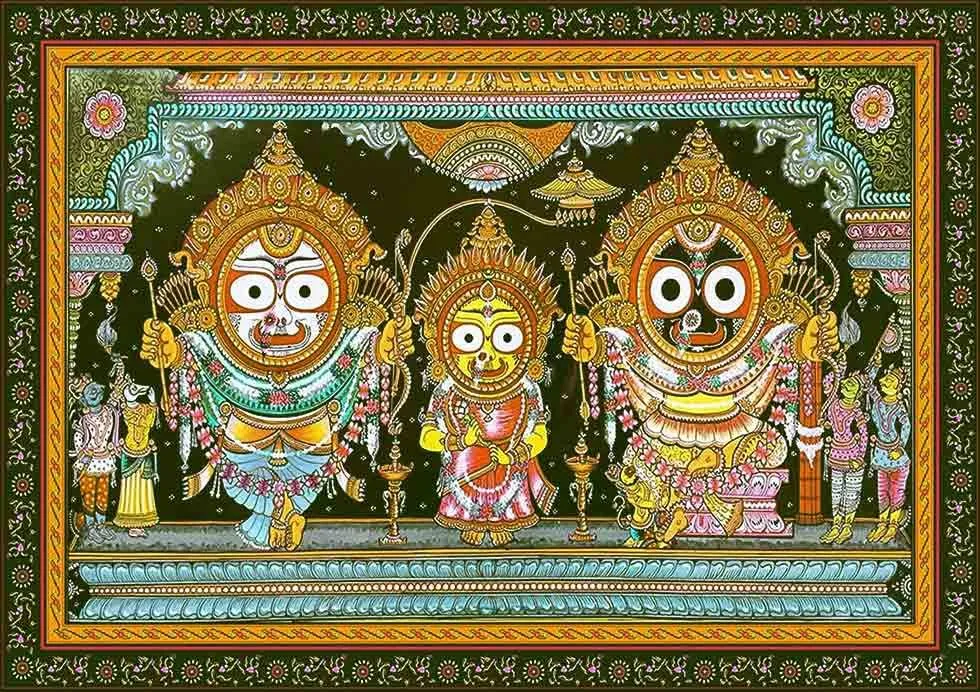
For a long time, Pattachitra was closely tied to the religious traditions of Odisha. One of its most important associations was with the Jagannath Temple in Puri, where painted cloth panels known as Anasara Patti were used during the Anasara period. These paintings held a sacred place in temple worship, but their audience gradually grew beyond devotees. As Puri became a major pilgrimage and tourist destination, more visitors began looking for Pattachitra paintings to take home as souvenirs.
This growing interest should have created more opportunities for the artists. But there was one problem. A traditional Pattachitra cannot be produced overnight.
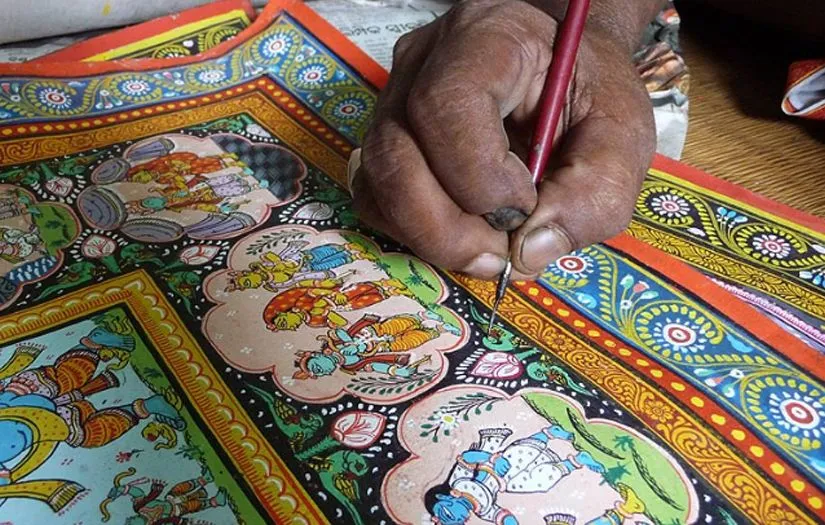
Before the painting even begins, the artist has to prepare the cloth, known as patta. Cotton fabric is treated with a paste made from tamarind seeds, called niryas, and coated with a mixture of powdered chalk and water. It is then left to dry in the sun and burnished with smooth sea pebbles, or chikana pathara, until the surface is ready for painting. This preparation alone can take several days.
- The colours demand just as much care. Traditional artists prepare their own pigments using natural materials: white from crushed conch shells (sankha), yellow from orpiment (haritala), red from cinnabar (hingula), and black from soot collected from oil lamps (kajal). The fine lines and detailed illustrations that make Pattachitra distinctive are built through a process that requires patience and considerable skill.
- Tourist shops, however, need products that can be replenished quickly and sold at accessible prices. This created an opening for commercial workshops outside traditional artisan villages to produce Pattachitra-style copies using synthetic colours, machine-made canvas, and factory paper. These reproductions could be sold much more cheaply than an original hand-painted work.
- For a Chitrakar spending days preparing a single canvas and carefully painting its details, competing with such prices is difficult. The visitor may see two similar-looking paintings on a shop shelf, but the time, materials, and labour behind them are worlds apart. And when the cheaper version becomes the price buyers expect to pay, the traditional artist is left struggling to make a living from the very craft that made the region famous.
The GI Tag and the Protection It Cannot Guarantee
The GI Tag on Pattachitra Paintings
In 2007, Odisha Pattachitra received a Geographical Indication (GI) tag, marking an important step towards recognising and protecting the art form. For a craft that had been practised by generations of Chitrakar families, this recognition carried considerable weight. It gave Pattachitra a legal identity tied to its place of origin and was meant to prevent its regional name from being misused. But there is a difference between protecting the name of an art form and protecting the people, materials, and methods behind it. The GI tag has its limitations, and many buyers are unaware of them.
Under the GI framework, manufacturers outside Odisha cannot legally market their products as "Odisha Pattachitra." However, this does not automatically mean that every painting carrying the name has been made using traditional methods. Some important gaps remain.
- The materials are not guaranteed: The GI designation does not necessarily require artists or manufacturers to use hand-prepared patta or natural mineral pigments. A painting made with acrylic colours on machine-produced cotton within Odisha can still fall under the regional origin criteria.
- Traditional methods are not automatically enforced: The tag does not, by itself, prevent screen-printed designs, factory-made reproductions, or low-quality copies from being produced within the state.
- Buyers cannot easily verify individual paintings: There is no item-level tracking system that allows someone purchasing a Pattachitra in Puri or through an online store to check who made it and how. The GI tag alone cannot tell them whether a painting came from a hereditary Chitrakar's workshop or a commercial production unit.
This creates a difficult situation for anyone trying to support traditional Pattachitra artists. A buyer may believe that choosing a GI-tagged painting guarantees that they are taking home an authentic, traditionally made artwork. In reality, the tag tells them where the product comes from, but it does not necessarily reveal the hands, materials, or process behind it. And that distinction matters when the livelihoods of generations of artists depend on people recognising the value of their work.
Who Really Profits From Pattachitra?
Who Really Profits From Pattachitra?
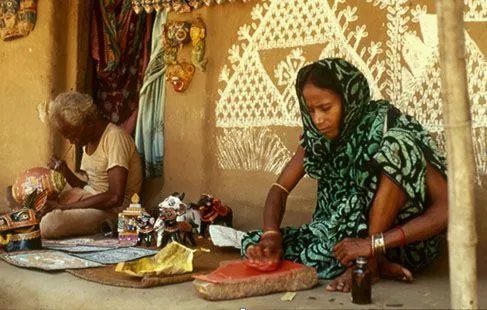
Walk through a souvenir shop in Puri or browse an online store selling Indian handicrafts, and you are likely to come across Pattachitra-inspired artwork. Its distinctive figures, intricate borders, and mythological scenes have become familiar across home décor, fashion, and commercial design. There is clearly a market for this visual language. The troubling part is how little of that commercial success reaches the artists who have kept the tradition alive.
A large share of the money changes hands after the artwork leaves the artisan's workshop. Consider what happens across three parts of the market.
- The souvenir trade: In Puri and Bhubaneswar, some traders source inexpensive acrylic reproductions from commercial workshops and sell them to tourists at considerably higher prices. These copies may be presented as authentic village art, making it difficult for buyers to understand what they are actually paying for.
- The online marketplace: E-commerce platforms often place printed reproductions alongside hand-painted works. Words such as "handmade," "traditional," and "artisanal" appear in product descriptions, but without clear artist attribution or reliable information about how the piece was made, buyers have little to go on.
- The commercial use of Pattachitra motifs: Fashion labels, home décor brands, and corporate campaigns have also drawn on Pattachitra's visual vocabulary. Its motifs appear on products, interiors, and advertisements, but the artists and hereditary families behind these designs are not always credited or compensated.
The result is a strange imbalance. Pattachitra's imagery continues to generate commercial interest, but the artists who have spent generations developing and preserving it often remain at the margins of that market. The painting may travel across the country, appear in a designer collection, or reach thousands of online shoppers. Despite thatl, the Chitrakar who understands its traditions and knows how to create it by hand may still struggle to earn a fair price for an original work.
How to Support the Artists Behind Pattachitra
How to Support the Artists Behind Pattachitra
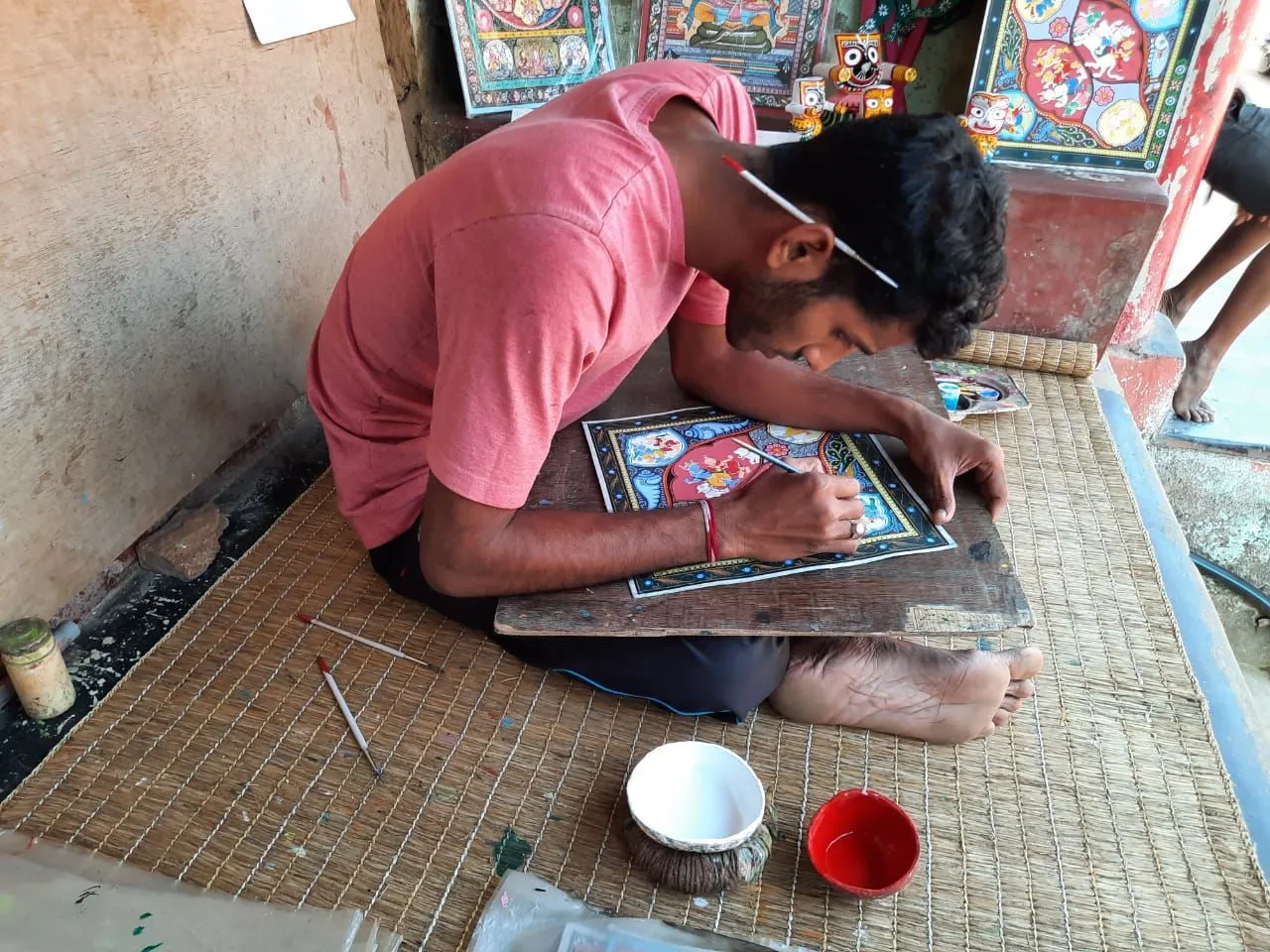
If Pattachitra is to survive as a living tradition, appreciating its beauty is only the beginning. Buyers also need to understand what goes into making an original and where their money goes. A little more care while purchasing can make a real difference to the artists who depend on this craft for their livelihood.
Here are three things worth keeping in mind when buying a Pattachitra.
- Understand what goes into the price: Preparing a traditional Pattachitra takes several days even before the actual painting begins. The artist has to prepare the cloth, process natural pigments, and work on intricate details with a fine brush. Some compositions can take weeks to complete. An original made through this process cannot reasonably be expected to cost the same as a digital print or a quickly produced acrylic copy. Paying a fair price means recognising the time and skill behind the finished work.
- Ask who made the painting: Before purchasing, find out the name of the Chitrakar, where they work, and what materials they use. Ask whether the painting is made on traditionally prepared patta or commercial canvas, and whether the colours come from natural pigments or synthetic paints. A Certificate of Authenticity can offer useful documentation, but it is equally important to have clear information about the artist and the artwork's origin.
- Know the difference between an original and a reproduction: A printed Pattachitra design and a hand-painted original may look similar from a distance, but the experience of looking at them closely is quite different. Natural pigments, fine brushwork, and the texture of a prepared cloth surface give an original its own character. Reproductions have their place, but they should be sold honestly rather than passed off as handmade works.
All in all, supporting Pattachitra artists begins with knowing what you are buying and being willing to pay for the work involved. When buyers value the artist as much as the finished painting, they help ensure that the people carrying this tradition forward can continue doing so.
Giving Pattachitra Artists the Recognition They Deserve
Pattachitra has survived centuries because generations of Chitrakar families have kept its techniques, stories, and traditions alive. As the art form finds new audiences, it is equally important to make sure that the artists behind it receive the recognition and appreciation they deserve. Preserving a traditional art form means valuing the people who practise it, understanding their craft, and creating opportunities for more people to engage with their work.
At Rooftop, this belief extends across the traditional art forms we bring to our audience. Their collection of sacred paintings like Pattachitra gives these intricate works a place in contemporary homes, while their courses offer learners an opportunity to understand the techniques and stories behind the craft, guided by the artists themselves. Because the future of Pattachitra depends on more than its popularity. It depends on whether the next generation gets to learn from its practitioners, whether collectors know whose work they are bringing home, and whether the artists can continue earning a livelihood from their craft. That is the kind of recognition that helps a tradition stay alive.