
Kalamkari Art
Kalamkari Art: The 3,000-Year-Old Painting Tradition That Uses a Bamboo Pen Dipped in Fermented Jaggery
Kalamkari art evokes a distinct feeling when you gaze at it. The 3,000-Year-Old painting tradition uses bamboo to create elusive art not seen elsewhere.

Rooftop
Author
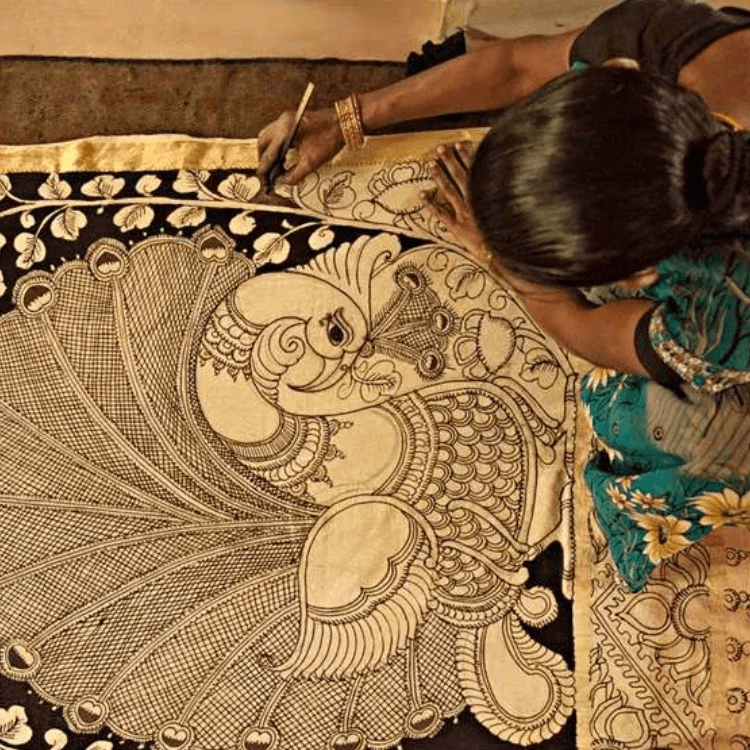
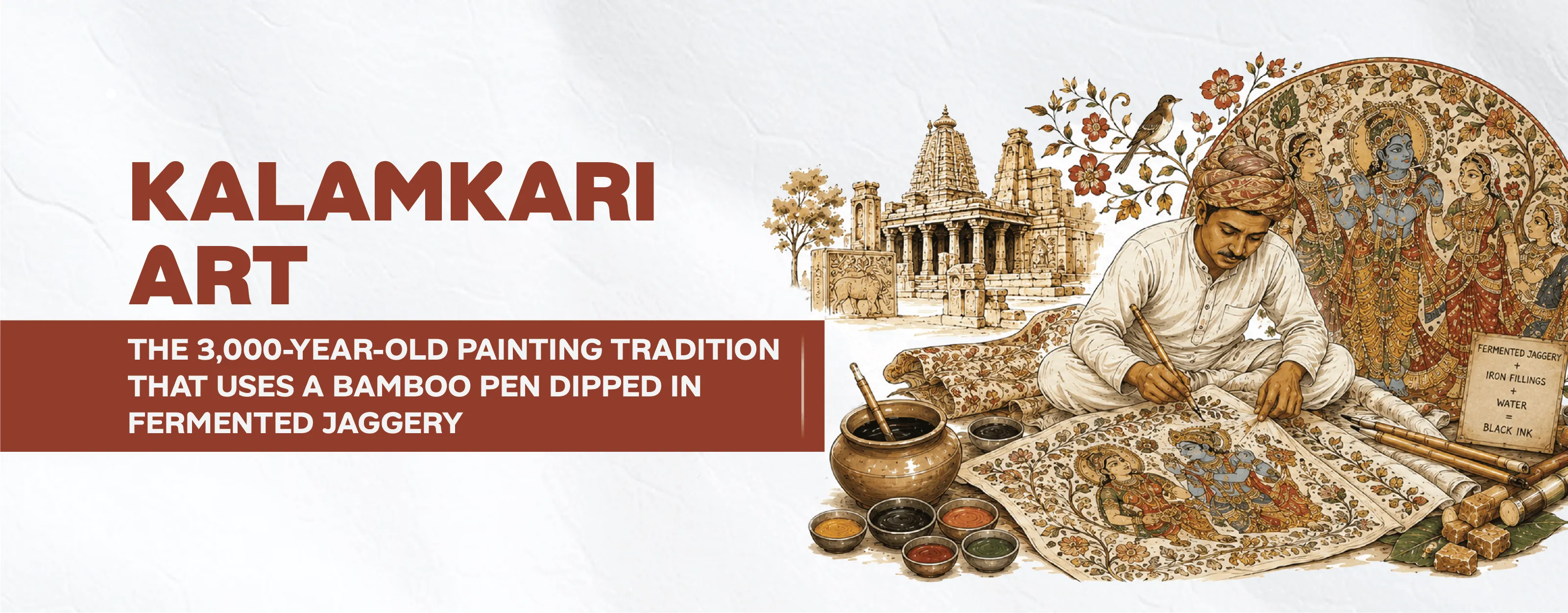
For a Kalamkari artist, creating a painting begins long before the colours appear on the cloth. It starts with preparing the fabric, mixing natural dyes, and getting the tools ready for a process that demands patience at every stage. In the hand-painted tradition, artists use a pen made from bamboo, often fitted with cotton or wool to help control the flow of dye. One of the key materials is kasim, a black dye prepared using iron and other ingredients such as jaggery, which darkens as it reacts with the air. The lines may appear faint when first drawn, gradually developing into a deeper black as the process unfolds. Every stage requires the artist to understand how the fabric, dyes, and natural ingredients respond to one another. This careful work gives Kalamkari its distinctive lines and brings the artist’s design to life, one measured stroke at a time.
A Tradition Older Than Most Indian Empires
Centuries Old Kalamkari Painting Credits - International Indian Folk Art Gallery
Long before Kalamkari appeared on clothing, home furnishings, and contemporary art pieces, painted cloth played a role in how stories travelled across parts of southern India. Itinerant storytellers and performers used illustrated scrolls to bring episodes from the Ramayana and Mahabharata to life, guiding audiences through the scenes as they narrated the tales. These painted textiles connected the work of the artist with the voices of performers and the communities gathered to listen.
Over generations, Kalamkari developed into a distinctive textile tradition associated with present-day Andhra Pradesh and Telangana. Its name combines the Persian words kalam, meaning pen, and kari, meaning work or craftsmanship, reflecting the importance of drawing in the process. The tradition carries this storytelling connection into its imagery, where lines, figures, and patterns help bring stories and themes to life on cloth.
The Two Kalamkaris Almost Nobody Distinguishes
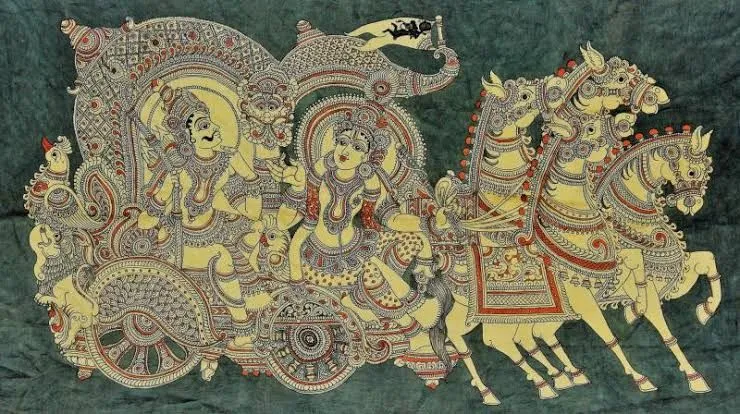
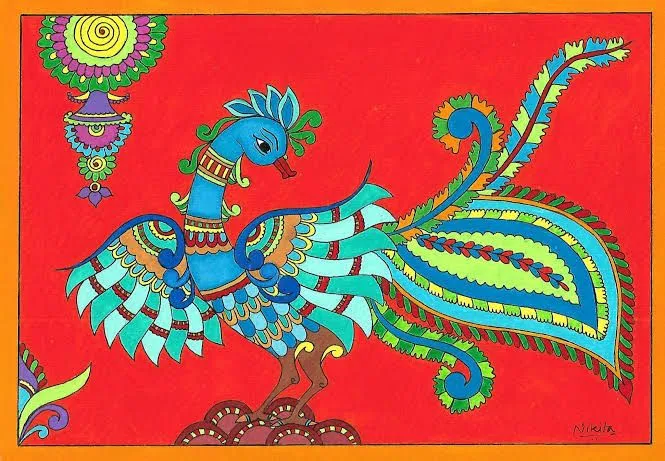
Kalamkari Distinctive Style Credits - Deccna Chronicle
Kalamkari is commonly associated with two major traditions from Andhra Pradesh: Srikalahasti and Machilipatnam. Both involve decorating cloth through carefully controlled drawing, dyeing, and pattern-making, but their techniques and visual styles differ. Understanding these distinctions helps explain why Kalamkari can range from detailed narrative paintings to textiles filled with repeating floral designs.
Srikalahasti Kalamkari
In Srikalahasti, Kalamkari developed around temple culture and the tradition of telling stories through images. Artists use a bamboo kalam to draw directly onto treated cotton, building compositions by hand rather than relying on carved blocks for the main imagery. The process requires careful control over the pen, dyes, and outlines, particularly when a painting contains several figures and layers of detail.
The subjects often come from Hindu mythology and devotional traditions. Scenes from the Ramayana and Mahabharata, images of deities, and episodes from sacred stories appear in elaborate narrative panels. Each figure, ornament, and surrounding detail contributes to the larger story, making the artist responsible for both the technical work and the visual arrangement of the narrative.
Machilipatnam Kalamkari
Machilipatnam Kalamkari developed in a coastal trading centre where textile production was shaped by contact with different markets and artistic influences. Unlike the predominantly freehand narrative approach associated with Srikalahasti, this tradition is especially known for using hand-carved wooden blocks to print patterns onto fabric. Artists and craftspeople can combine printing with other processes, including resist-dyeing, to build up the design and colour.
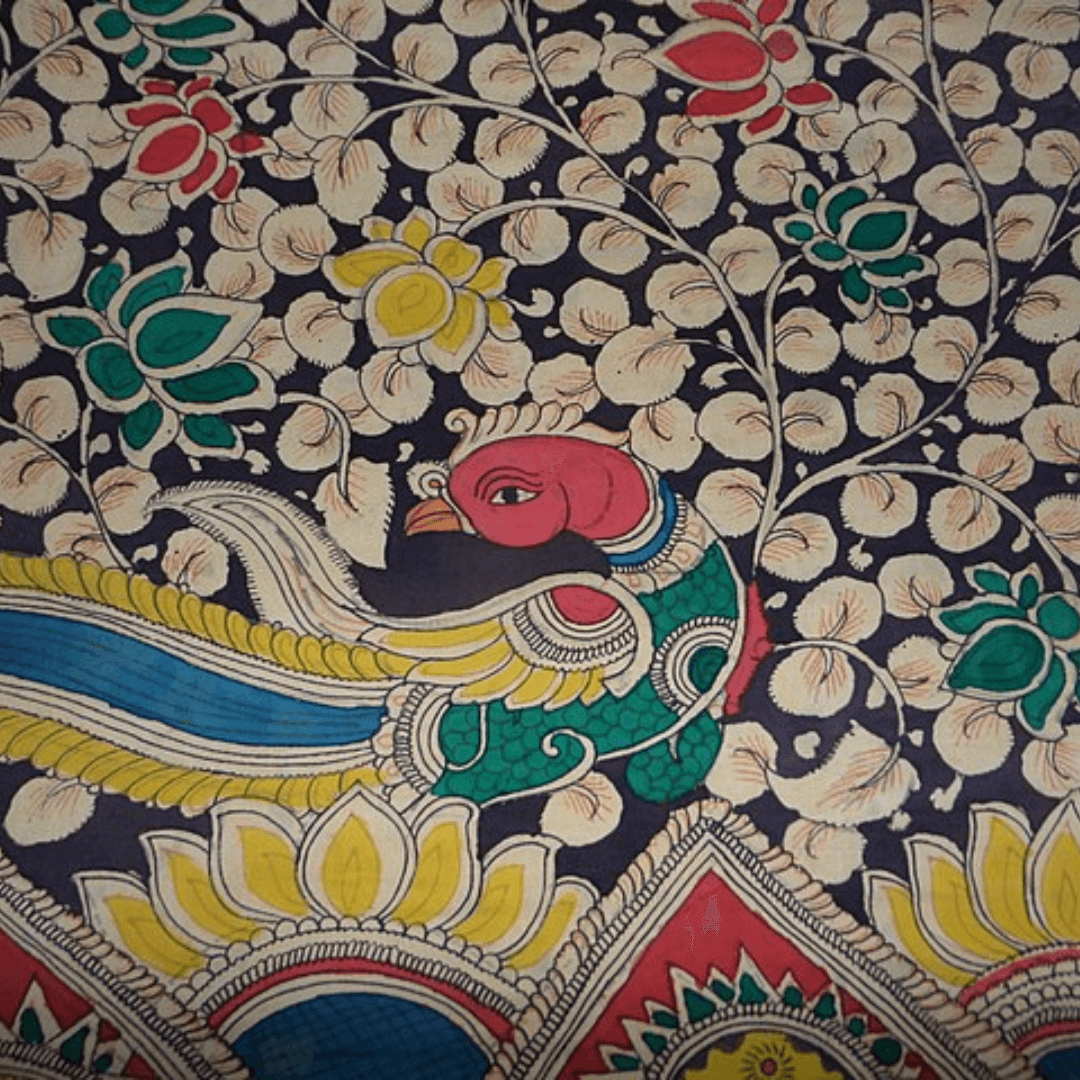
Its patterns often feature curling floral vines, leaves, decorative borders, and repeating botanical motifs. Designs inspired by the Tree of Life are also associated with the broader Kalamkari textile tradition. The repeating patterns make these textiles well suited to clothing, furnishings, and decorative fabrics, while the careful arrangement of motifs gives the finished cloth its distinctive rhythm.
The key difference lies in how the design is created and what it is intended to communicate. Srikalahasti is particularly associated with freehand drawing and devotional storytelling, while Machilipatnam is known for block-printed patterns and textile designs shaped by a long history of trade.
The Seventeen-Step Process Behind Every Piece
Before the first lines or motifs take shape, a Kalamkari artist must prepare the cotton cloth to receive the dyes. This stage takes patience and a working knowledge of how natural materials respond to one another. The fabric is washed to remove starch and other impurities, then treated to help it absorb colour more effectively and retain the designs added in later stages.
In some traditional methods, the cloth is treated with a mixture of buffalo milk and myrobalan, the dried fruit of the Terminalia chebula tree. Myrobalan provides tannins that help prepare the cotton for subsequent dyeing, while the milk treatment forms part of the process used in certain Kalamkari traditions. These preparations influence how the dyes interact with the fabric and help establish the base for the colours that follow.
Much of this work happens before the artwork becomes visible. The artist’s skill lies partly in understanding these early stages, because the quality of the preparation affects how the cloth responds to every line, colour, and detail added afterwards.
Colours That Come from Rust, Pomegranate, and Indigo
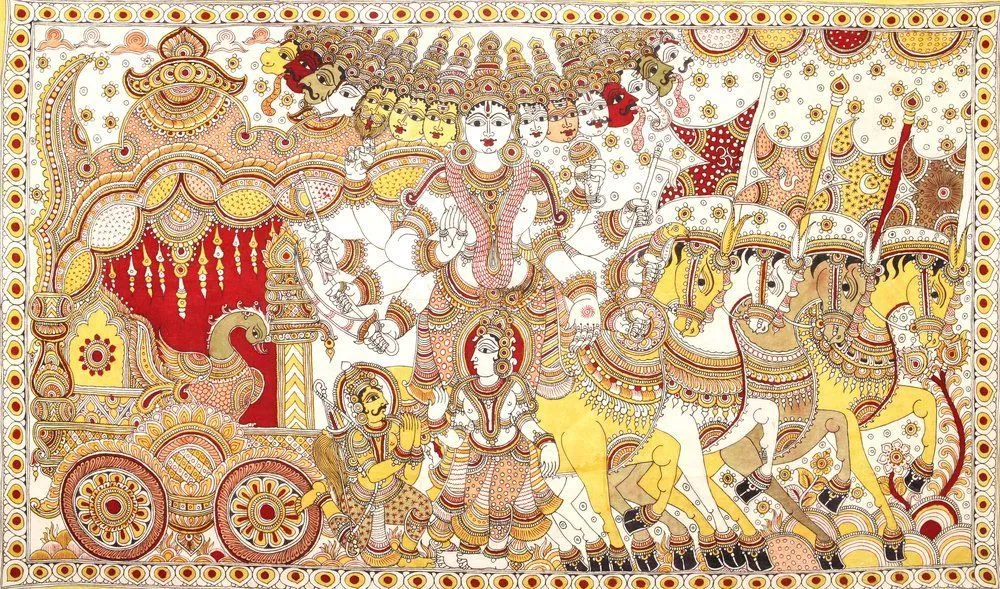
The Colors of Kalamkari Credits - The Art Life Gallery
Traditional Kalamkari is known for its use of natural dyes and the careful sequence of steps required to bring colour to the cloth. Preparing each shade involves knowledge of natural ingredients, dyeing techniques, and how colours interact with the fabric.
- Black: Traditionally, black dye can be prepared using iron filings or rusted iron mixed with jaggery and water. The mixture develops over time and produces kasim, which artists use to draw outlines and finer details.
- Red: Red shades are commonly produced using natural dyes such as madder, with a mordant helping the colour bind to the cotton. The treatment of the fabric and the dyeing process influence the final shade.
- Yellow: Natural yellow tones can be obtained from ingredients such as pomegranate rind and myrobalan. The resulting colour depends on the materials used and how the cloth is prepared and treated.
- Blue: Indigo provides the blue shades associated with traditional Kalamkari. Extracting and applying the colour requires careful preparation of the dye vat and an understanding of how the fabric takes up the pigment.
Depending on the technique and colours used, the cloth may need repeated dyeing, washing, boiling, and drying between stages. Each step affects the final result, which is why traditional Kalamkari can take considerable time and careful work to complete.
From Temple Scrolls to Global Textiles
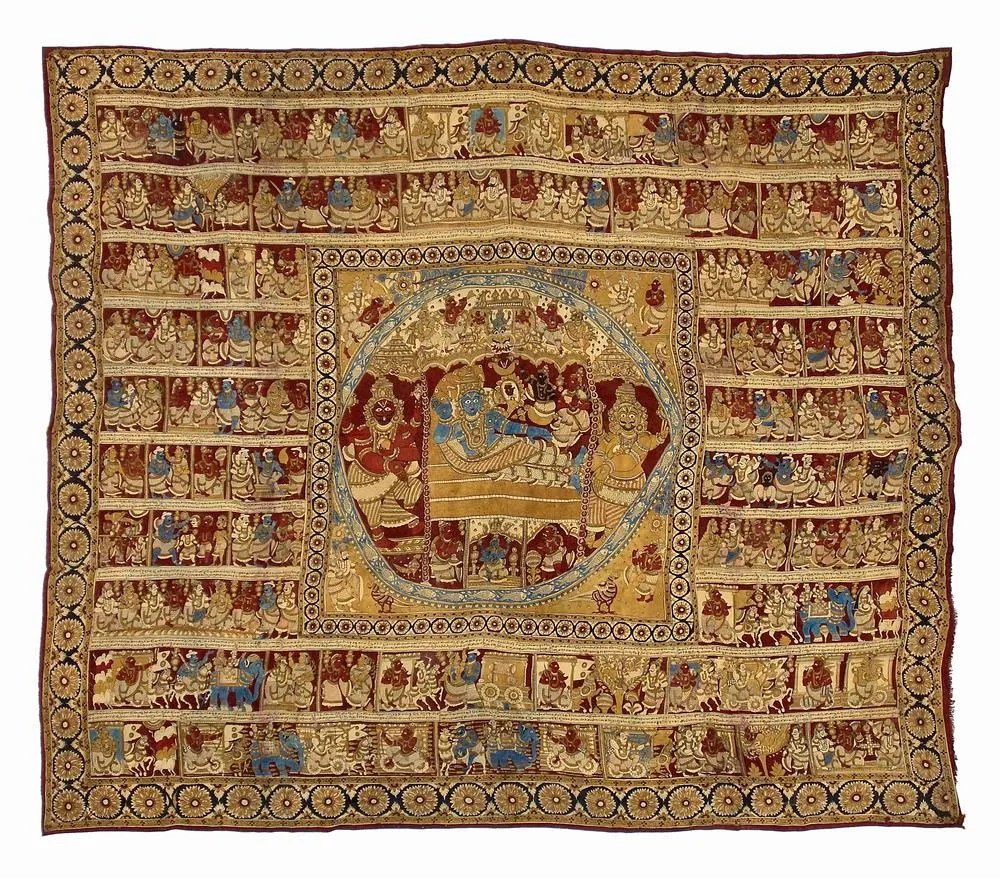
Kalamkari in Temples Credits - Wikipedia
When the 17th century began, Kalamkari textiles were travelling far beyond the places where they were made. At Machilipatnam, artisans created patterned cottons that merchants carried aboard ships to markets across Asia, Persia, and Europe. Each length of cloth carried the work of the people who had prepared the fabric, printed its patterns, and patiently built up its colours, often through several stages of dyeing and washing.
In Europe, these colourful cottons became known as chintz and found their way into homes as bedspreads, wall hangings, curtains, and garments. Their vivid patterns offered something different from the textiles many European households were accustomed to, making Indian cottons highly sought after. What began with the skilled hands of Indian artisans became part of everyday life in homes an ocean away.
That journey is an important part of Kalamkari’s history. The cloth travelled across continents, but its character remained rooted in the knowledge, patience, and skill of the people who made it.
A Platform that is Keeping This Sacred Art Alive
Kalamkari continues to evolve through the artists who preserve its traditional techniques while finding new ways to bring the art form into everyday life. From hand-drawn mythological scenes to intricate block-printed patterns, each piece reflects generations of knowledge, patience, and creative skill. Keeping this tradition alive means recognising the people behind the art and giving their work the appreciation it deserves. At Rooftop, you can explore Indian folk art through the stories, techniques, and artists that shape each tradition. Discover Kalamkari alongside other art forms from across India, and learn more about the people who continue to keep these practices alive.