
Kurumba Painting: Tamil Nadu's Tribal Art Tradition
Let's explore the art of Indian tribes- Kurumba Art
Introduction and Origin
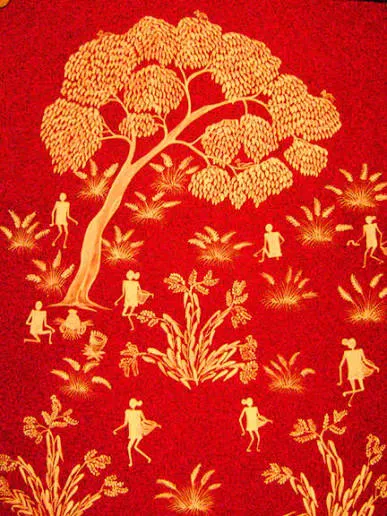
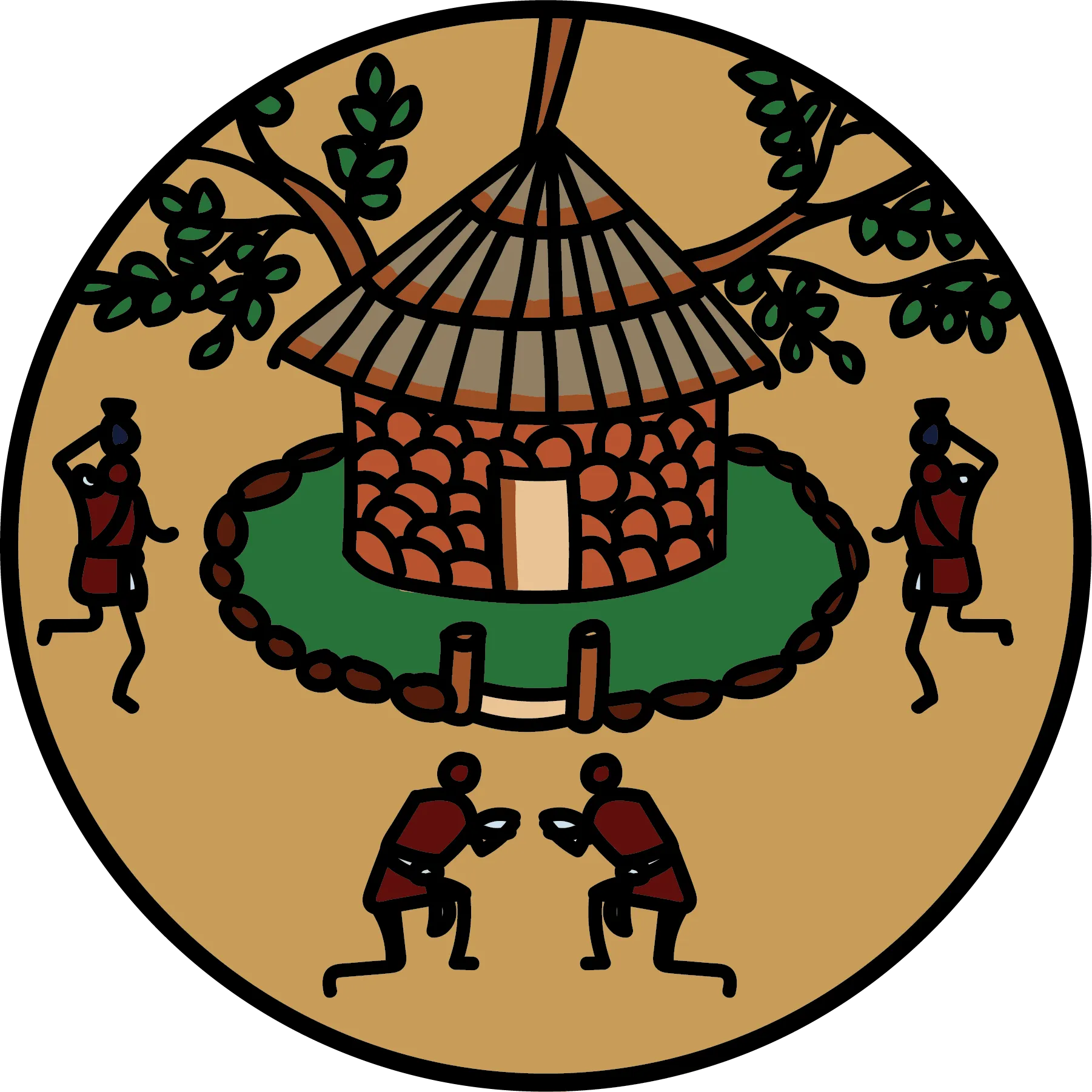
Deep in the Nilgiri Hills of Tamil Nadu, the Kurumba tribe has kept alive a painting tradition that is believed to be around 3,000 years old. Kurumba painting is far more than decorative art — it is an expression of the tribe's daily life, spiritual beliefs, and relationship with the forest around them. Applied to house walls and floors only during festive occasions, these works capture honey gathering, cattle-rearing, sacred rituals, and the wild animals of the Nilgiri landscape in a style that is earthy, geometric, and unmistakably their own.
What Is Kurumba Painting?
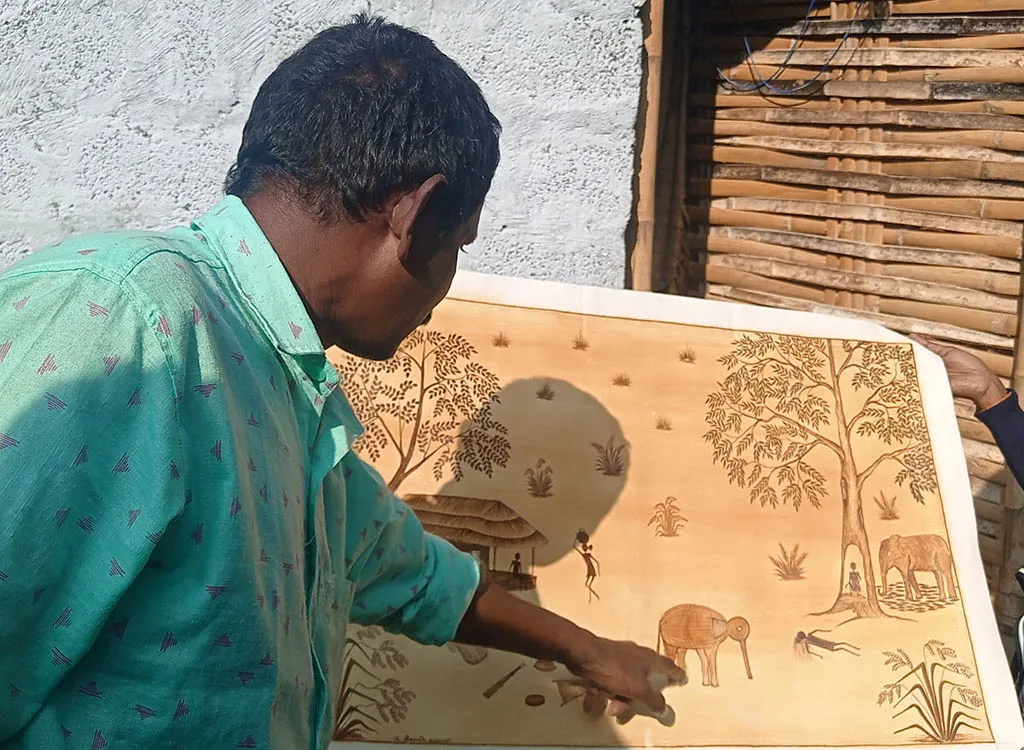
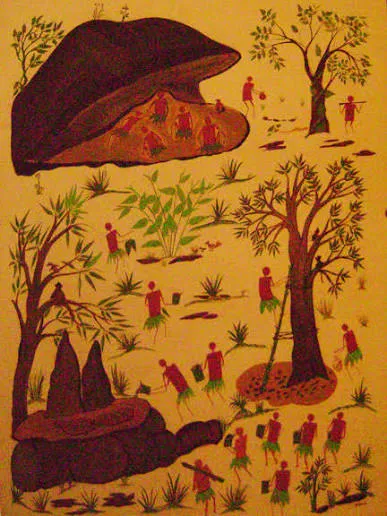
Kurumba painting is the traditional tribal art of the Kurumba community of the Nilgiri Hills, practised across many districts of Tamil Nadu and Karnataka. The paintings appear on house walls and floors and are created only on festive occasions, making them part of a living ceremonial practice rather than a commercial craft. Visually, they are characterised by an earthy palette in which red ochre and white stand out against the natural tones of plaster and mud. Human figures are rendered as stylised silhouettes — outlined and filled with solid colour — while textured patterns of dots and stripes are added for detail and decoration. The art form is named after the Kurumba tribe itself, and its subjects reflect the community's occupational life as honey collectors and cattle-gatherers, as well as the flora and fauna of the hilly forest terrain they inhabit.
History and Origin
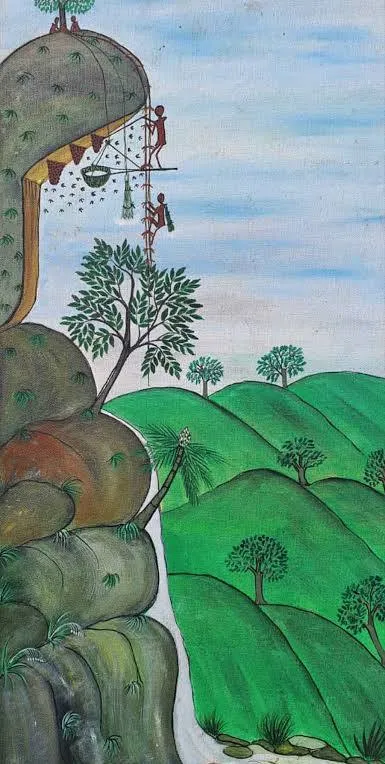
The Kurumba painting tradition is believed to originate approximately 3,000 years ago in the Nilgiri Hills of Tamil Nadu. The community's ancestors began by drawing on rocks, and over centuries this practice shifted to temple walls, then house walls, and eventually to paper. According to origin mythology of the Nilgiris, the Toda, Kurumba, and Kota tribes were three brothers created by the Almighty, each assigned a different path in life and expected to exchange goods and services. This shared origin story binds these three communities together, and their artistic practices all carry the mark of a close relationship with the hilly terrain they share. The Kurumba people are deeply religious, worshipping ancestors, gods, and deities as well as Dolmens and Megaliths. When they harvest honey, they say prayers and fumigate beehives so their deities will protect them from harm — a ritual that is faithfully mirrored in the subject matter of their paintings.
Key Features and Famous Artists
Key Features and Visual Style
The visual world of Kurumba painting is shaped entirely by the natural environment and social life of its makers. These paintings are expressive records of the socio-religious ethos of the Kurumba tribe, capturing everyday activities alongside spiritual practices.
Earthy colour palette built around red ochre and white, which provide a sharp contrast against the natural tones of the plaster or mud surface.
Pigments derived from locally sourced materials including different types of soils, leaves, and stones, bound together using resin extracted from the bark of the Kino tree.
Human figures rendered as geometric silhouettes — outlined and filled with a single solid colour, typically red ochre, then decorated with patterns of dots and stripes.
Central motifs drawn from daily life and nature, including women drying food grains, men collecting honey, cattle-gathering, wedding ceremonies, rituals, and wild forest animals.
Traditional brushes made from burnt twigs, replaced in contemporary practice by conventional watercolour brushes as raw materials have evolved.
Wall and floor surfaces prepared by coating with cow dung are left to dry for a day or two, though contemporary artists now use plaster as a base before painting.
Famous Artists of Kurumba Painting
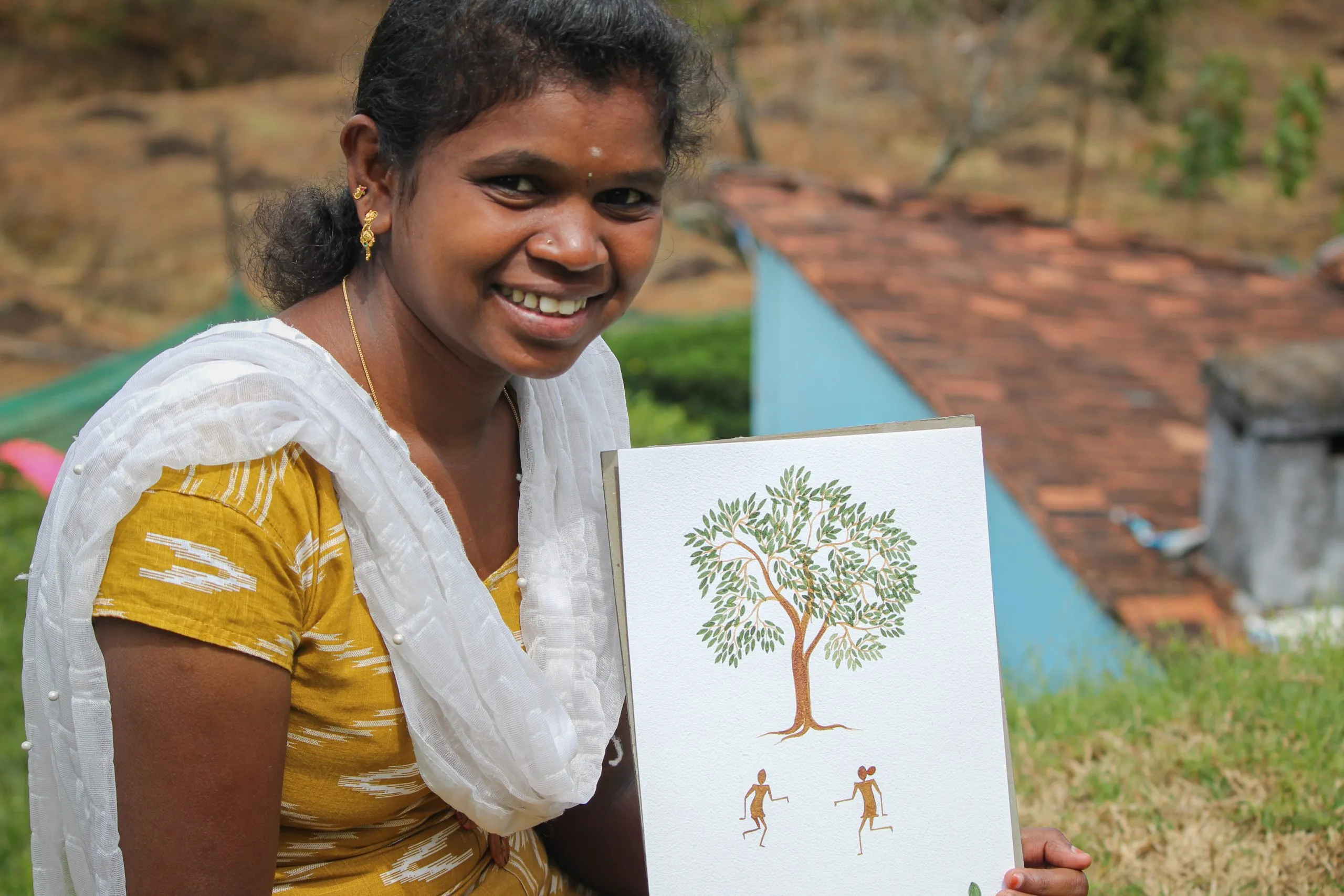
Kurumba painting has historically been executed by the male priests or temple authorities within the community, giving it a sacred as well as artistic dimension. While the art form has not yet produced the kind of nationally celebrated names seen in some other folk traditions, several practitioners have worked to document and sustain it. Mohan Rathnam, a Kurumba artist from the Nilgiri Hills of Tamil Nadu, has been instrumental in translating the traditional wall painting style onto paper and canvas to keep the tradition alive beyond ceremonial contexts. Ravi Kurumba, also from the Nilgiris region, is known for his work in preserving the community's signature motifs — particularly the honey-collection scenes and forest animal figures — in formats accessible to art collectors and researchers. The art form continues to be practised within the community as part of festive rituals, and efforts are ongoing to document its techniques through cultural organisations working in the Tamil Nadu tribal belt. Exploring Indian folk art in its regional contexts helps place Kurumba work in the wider landscape of traditional Indian art forms.
How to Learn Kurumba Painting
If you want to learn about Kurumba painting and related tribal art traditions from India, Rooftop's online courses are a good place to start. Taught by master practitioners from across the country, these courses bring authentic traditional techniques directly to learners wherever they are. Rooftop also maintains a growing Art Wiki that covers the origins, visual styles, and cultural context of dozens of Indian folk art forms, making it a useful reference for students, collectors, and anyone curious about Kurumba Art India and the tribal traditions of the Nilgiri Hills.
Where to See and Buy Kurumba Painting
The best place to see authentic Kurumba painting is in the Nilgiri Hills themselves, where the tradition is still practised on house walls and floors during festivals and ceremonies. The Government Museum in Chennai holds collections of Tamil Nadu tribal art, and state-level tribal arts organisations occasionally exhibit Kurumba work. For those looking to buy original pieces, Rooftop's shop carries authentic works from Indian folk and tribal art traditions. Supporting tribal artists directly through verified platforms helps sustain this Tamil Nadu tribal art tradition for the next generation.
Learn Kurumba
Frequently Asked Questions
What is Kurumba painting and where does it come from?
Kurumba painting is the traditional tribal art form of the Kurumba community, who live in the Nilgiri Hills of Tamil Nadu and practice the art across parts of Karnataka as well. The paintings are applied to house walls and floors only during festive occasions, making them a living ceremonial tradition. The art form is believed to be approximately 3,000 years old and is named after the tribe that created it.
Which state or community in India practises Kurumba painting?
The art is practised by the Kurumba tribe, who are indigenous to the Nilgiri Hills and found across many districts of Tamil Nadu and Karnataka. Traditionally, male priests or temple authorities within the community were responsible for executing these paintings in the villages. The Kurumbas are occupationally honey collectors and cattle-gatherers, and both activities feature prominently in their art.
What materials and colours are used in Kurumba painting?
Traditional Kurumba paintings use pigments obtained from locally available soils, leaves, and stones, bound with resin from the bark of the Kino tree. The palette is earthy, with red ochre and white standing out as the most visually prominent tones. Brushes were traditionally made from burnt twigs, though contemporary artists now use watercolours and conventional brushes as those original materials have become harder to source.
What are the main subjects and motifs in Kurumba painting?
The most common subjects in Kurumba painting are drawn from the community's daily life and their surrounding forest environment. These include women drying food grains, men collecting honey, cattle-gathering scenes, wedding rituals, and a wide range of wild forest animals. Honey collection holds particular significance — it is documented with special care because it is also a spiritual activity accompanied by prayers and fumigation rituals to protect the gatherers.
How old is the Kurumba painting tradition?
Kurumba painting is believed to be around 3,000 years old, making it one of the older documented tribal art traditions in South India. Its practitioners started by drawing on rocks before the tradition moved to temple and house walls. The art form's close connection to the Kurumba community's ceremonial and daily life has helped it survive across millennia, even as the surfaces and materials have changed over time.
Can I learn Kurumba painting or explore tribal Indian art online?
While a dedicated Kurumba painting course is not yet available online, Rooftop's courses platform offers classes taught by master artists from across India's folk art traditions. The Rooftop Art Wiki also provides detailed reference material on Kurumba painting and related tribal art traditions from Tamil Nadu, making it a useful starting point for students and collectors.
Kurumba painting carries within it thousands of years of one community's history — their prayers, their harvests, their wild surroundings, and their ceremonies. To understand this art form is to step into the Nilgiri Hills and see the world through the eyes of people who have lived there for millennia. Explore Indian folk art courses on Rooftop and discover the full spectrum of tribal and traditional art traditions from across India.
Bibliography
Sources
- Rozwadowski, Andrzej, and Jamie Hampson, editors. Visual Culture, Heritage and Identity: Using Rock Art to Reconnect Past and Present. Archaeopress, 2021.
Image Sources
"Alu Kurumba Art Depicts the Tribes' Connection with Nature." Village Square, https://villagesquare.in/alu-kurumba-art-depicts-the-tribes-connection-with-nature/. Accessed 21 July 2026.
"Kurumba Art." Kurumba.in, https://www.kurumba.in/kurumba-art.html. Accessed 21 July 2026.
"Kurumba Painting." Wikipedia, https://en.wikipedia.org/wiki/Kurumba_painting. Accessed 21 July 2026.
"Kurumba Painting." Development Commissioner (Handicrafts), Ministry of Textiles, Government of India, https://handicrafts.nic.in/crafts/All_Crafts/Craft_Categories/Miscellaneous/Folk_Painting/Kurumba_Painting/KurumbaPaintingWebPage.html. Accessed 21 July 2026.
"Kurumba Paintings." National Tribal Virtual Art & Culture Portal, Ministry of Tribal Affairs, Government of India, https://adikalakar.tribal.gov.in/ViewDashDetails.aspx?id=MTQ1. Accessed 21 July 2026.
"The Last Woman Kurumba Tribal Artist." Village Square, https://villagesquare.in/the-last-woman-kurumba-tribal-artist/. Accessed 21 July 2026.