

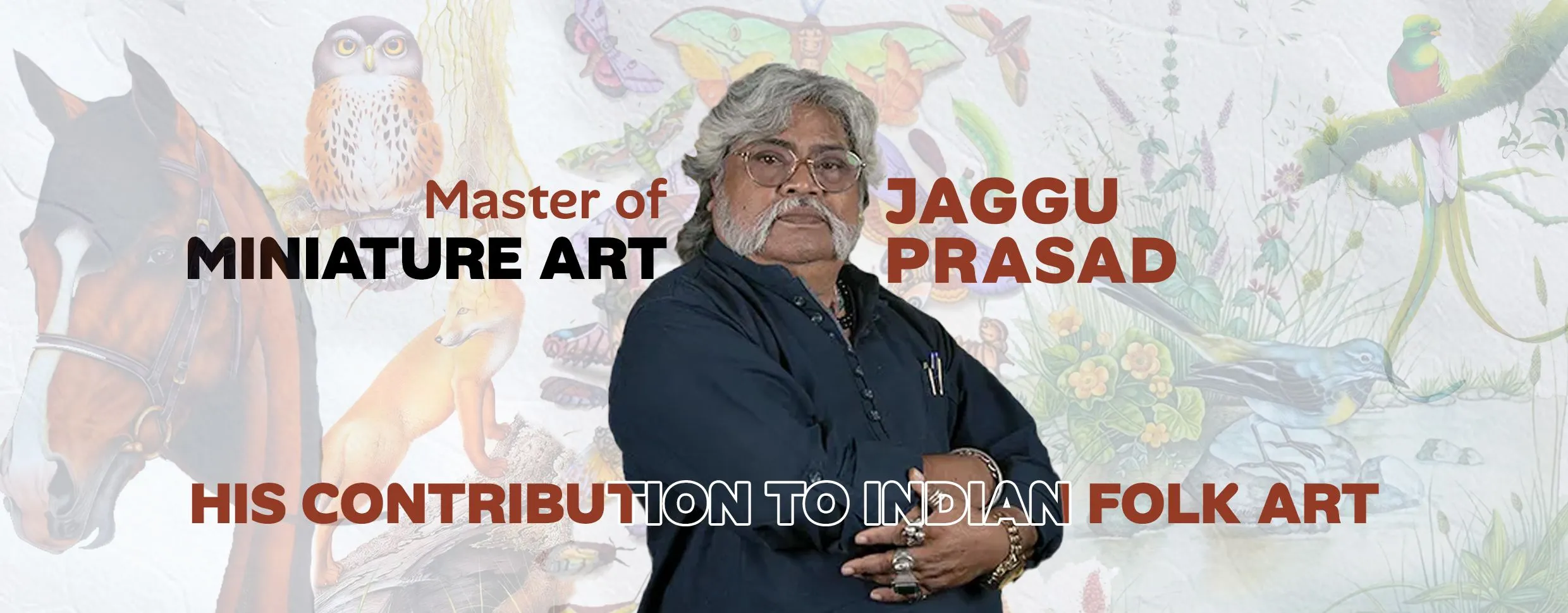
Jaggu Prasad: The Hyper-Realistic Miniature Painter from Jaipur Who Proved the World Wrong
Meet Jaggu Prasad. He grew up in poverty in Jaipur, got beaten for watching street artists, and once had his school drawings dismissed as traced because they were too lifelike.

Rooftop
Author
Among the master artists from the Miniature painting tradition that India has today, one name stands apart, that of Jaggu Prasad. Through his unique hyper-realistic style, he has created a voice for himself that resonates even with the contemporary art market. His works form a part of both national and international collections. But the road to get here was not one of ease. Carrying with him an artistic experience of 50 years, his is a name that resonates not just at the national but also at an international level.
The Beginnings
Born in 1963, Jaggu Prasad belongs to the city of Jaipur in Rajasthan, India. His early beginnings were rooted in poverty. His family faced extreme poverty, living in a kutcha house in a ten-member household where his father, a day labourer, was the only earning member of the family. Even so, Jaggu exhibited an uncanny interest in art since his childhood.
Just behind his house lived a community of Kumawats who were engaged in ivory carving and sandalwood toy making, and Jaggu remembers being extremely impressed by them and even had friends within the community.
Art Always Got Him a Beating!
Jaggu believes his love for art always got him a beating during his early life! As a child, he stopped to watch street artists create colourful rangolis on the streets of Jaipur. As a result, once he got late going home, sparking a search, and once missed half a day of school. On both occasions, he received a beating for loitering. He became so engrossed that he could watch art being created for hours! And not just this, he once received a beating from his drawing teacher in school because what he drew was so lifelike that the teacher thought that Jaggu had traced it! Once a little older, he got a job as an artist painting movie hoardings, but he had to leave that job on his father’s insistence, as he felt it was not good company to keep. Jaggu may have been reprimanded many times, but the love for art never left him!
The Master Sought Him
Jaggu continued painting and practicing art when he was at home. In 1980, a sweeper who used to come by their house noticed his paintings and went and told Kripal Singh Shekhawat, a famed ceramicist and miniature artist, about Jaggu. The master immediately called for Jaggu and made him his protégé. Under his tutelage, Jaggu learnt to create designs for ceramic works and eventually learnt traditional Indian botanical, wildlife, and nature painting under Kripal Singhji, a Padma Shree awardee.
Foray into an International Market
For years after, Jaggu continued honing his craft. As his own mastery developed, he began undertaking his own works. But during those days, at the behest of the person who used to bring him work, he used to sign his artworks with the alias of John Peter, as they believed a Western name would increase the probability of sale. Jaggu then met Dr Muhammad Faizal, an art collector and a University professor from the United States, who persuaded Jaggu to sign his works in his own name.
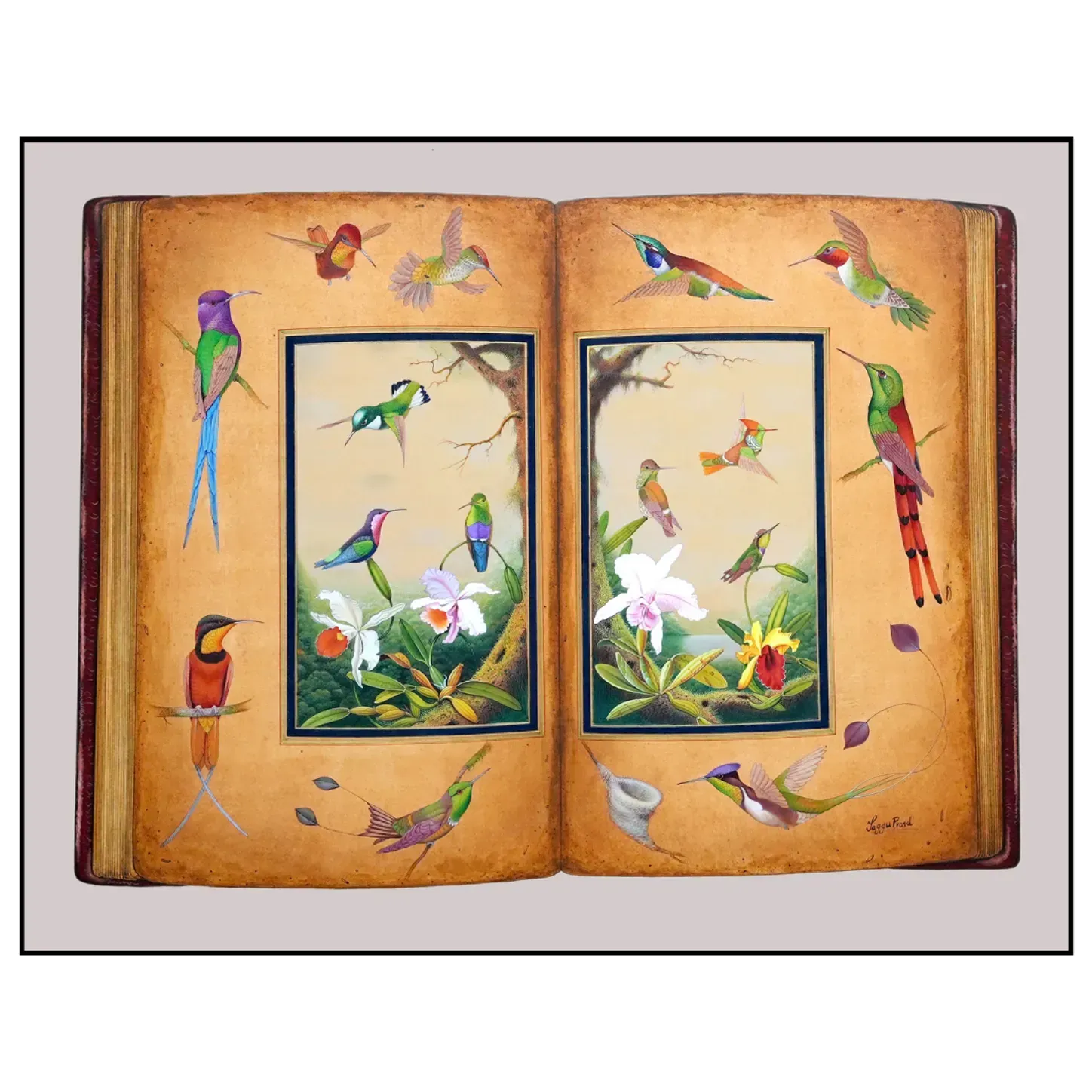
He took Jaggu’s works to the United States to publish and circulate them extensively in the United States. As many people grew curious about his works, they also faced criticism, saying that they could not have been created by human hand. And so, Jaggu was called to the United States in 1998 to conduct live painting demonstrations to prove that he had indeed painted these works, that too with the naked eye.
No Turning Back!
Since then, Jaggu’s works have reached collections of importance all over the world. He displayed his works extensively in India and the United States throughout the 1980s and 1990s. He has participated in several group shows organized by the Academy Art Council of Rajasthan. His artworks are a part of the permanent collection of the Hunt Institutional Collection, USA. His works can also be found in public, private and corporate collections in India, Australia, Singapore, Germany, France, the United States and the United Kingdom. His works have also been sold in auctions at Christie’s in London.
In India, among an elite list of clientele, is Vasundhara Raje Scindia who has previously held the office of the Chief Minister of Rajasthan and belongs to the royal family of the House of Scindias from Gwalior. Furthermore, Jaggu’s works have been published several times, including in the book Natural History Painting of Rajasthan (1994).
A Unique Artistic Style
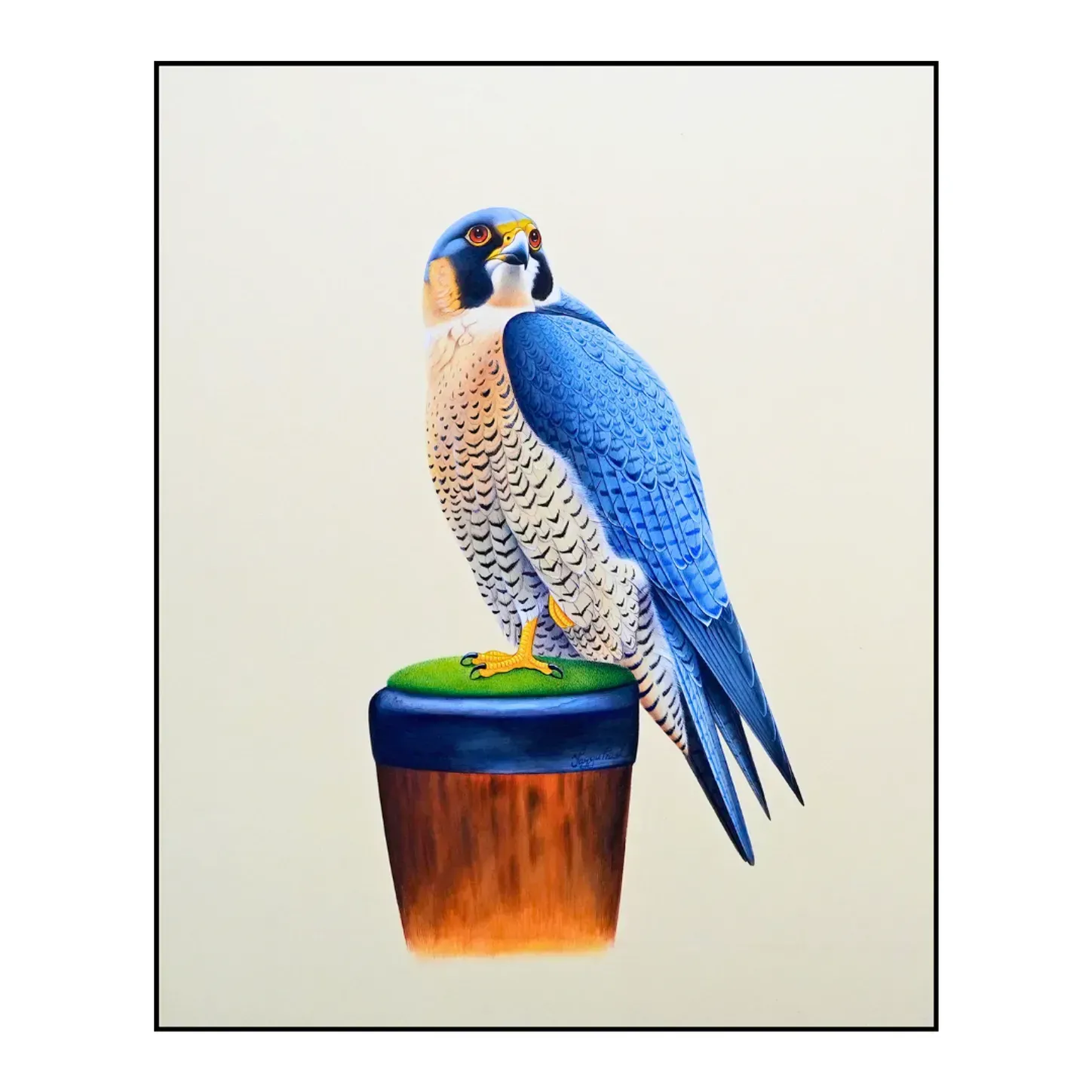
Through his years of practice, Jaggu has developed his own hyper-realistic style by combining the elements of Persian Miniature painting, botanical illustration, and European painting. His hyper-realistic style has a proven universal appeal. He himself has said that even a child and a layman find resonance with his artworks and appreciate them.
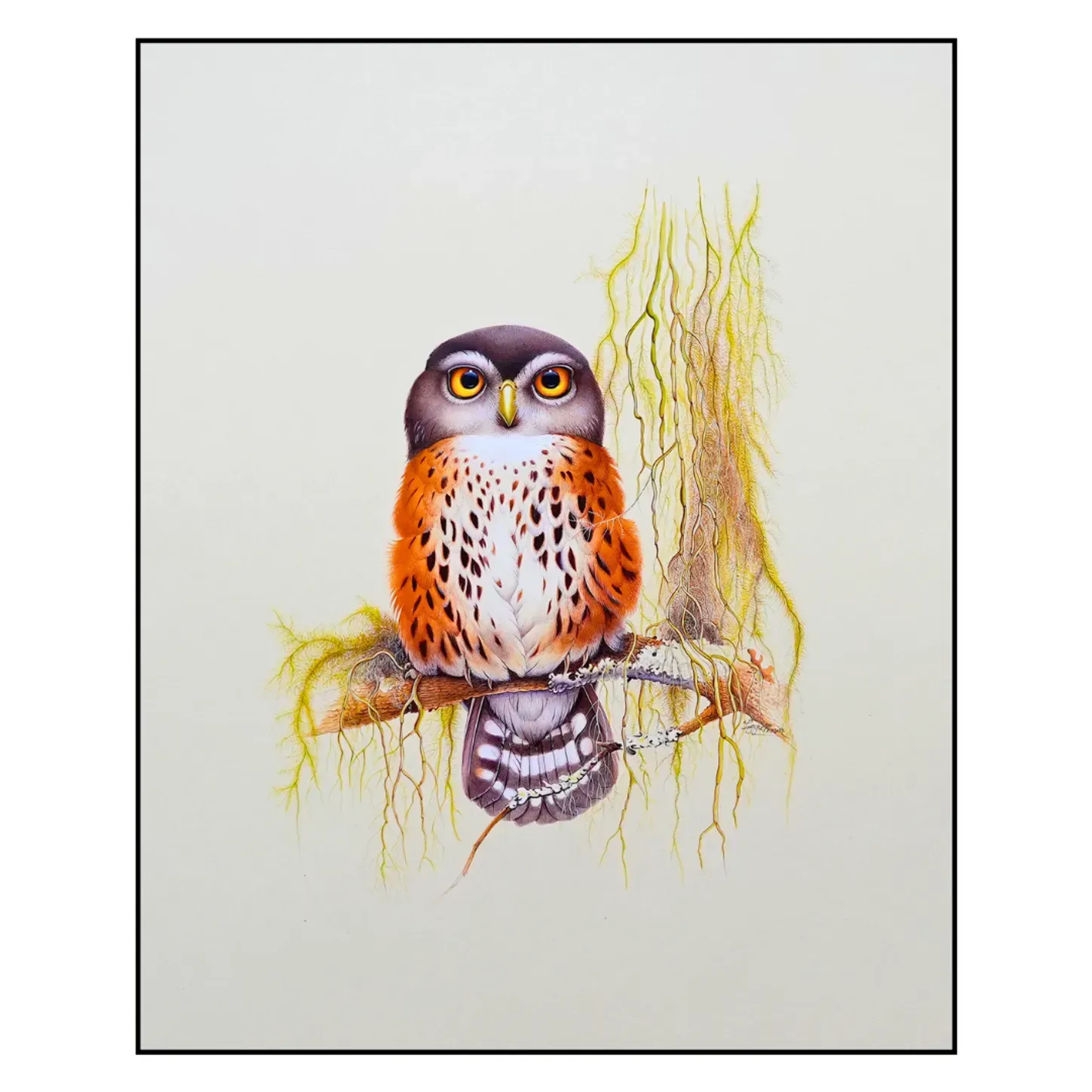
What is the essence of his artistic practice, then? For him, it is his 'sadhna,' a dedicated practice at whose core is ‘dhyaan’ or such focus that it’s practice is meditation.
Interested in viewing Jaggu Prasad's works? Check out his paintings on the Rooftop website today!