


Art therapy is a clinical discipline with trained practitioners. Ayurveda is a traditional system of medicine with its own logic of balance. They meet in one practical idea: that what you make with your hands, and how, can steady your mind. This page sets out what art therapy is, how Ayurvedic ideas can shape a personal art practice, and where Indian art forms fit in.
What art therapy is, and is not
In art therapy, a trained therapist uses drawing, painting or clay as the main way a client expresses what is hard to say. That is different from art as self-care, which is making something on your own because it helps. Both are useful. Only the first is treatment.
The Ayurvedic idea of balance
Ayurveda, an ancient Indian medicine, emphasizes balance among body, mind, and spirit. It categorizes individuals into three doshas: Vata, Pitta, and Kapha, each representing unique physical and emotional characteristics. Maintaining harmony within these doshas is essential for optimal health. The associations below are traditional, not clinical findings.
Art in Wellness
Art serves as a powerful medium for self expression and healing. Engaging in creative activities can reduce stress, enhance mood, and promote emotional well being. This therapeutic aspect aligns seamlessly with Ayurvedic practices, which prioritize mental and emotional health alongside physical wellness.
Dosha-based art practices
Creating art allows individuals to explore their inner thoughts and feelings, expressing emotions. This creative process can be particularly beneficial for those looking to balance their doshas.
For example:
Vata: Individuals with a predominance of Vata may feel scattered or anxious.Slow, repetitive work suits Vata: filling a mandala ring by ring, or the dotted infill of Gond painting.
Pitta: Cool blues and greens, unhurried washes, no deadline. It can offer an outlet, transforming potential frustration into creative expression.
Kapha: Individuals with a Kapha imbalance may feel a lack of energy. Participating in dynamic art forms, such as dance or lively mural painting, can invigorate their spirits and motivate movement.
Mandala and colour work
Mandala colouring is the best-studied practice here. Small trials found it lowers anxiety more than free drawing; the evidence and a guided practice are in mandala art therapy. Colour therapy, choosing colours to shift mood, has a long history in Ayurveda but little clinical evidence. Treat it as a personal preference, not a cure.
Indian art forms as daily practice
Several traditions are, in practice, repetitive mindful work:
- Kolam. Women in Tamil Nadu draw it at the threshold every dawn.
- Warli. Long chains of figures are built from three shapes.
- Madhubani. Every space is filled with fine line.
- Gond. Dots and dashes fill each form.
The healing power of art looks at these in more detail.
Art as a Meditative Practice
Both Ayurveda and art emphasize mindfulness. Art can become a meditative practice, helping individuals focus their minds and release distractions. Techniques such as mindful drawing, coloring, or crafting can promote a state of flow a kin to meditation, which is vital in Ayurveda for mental clarity and emotional stability.
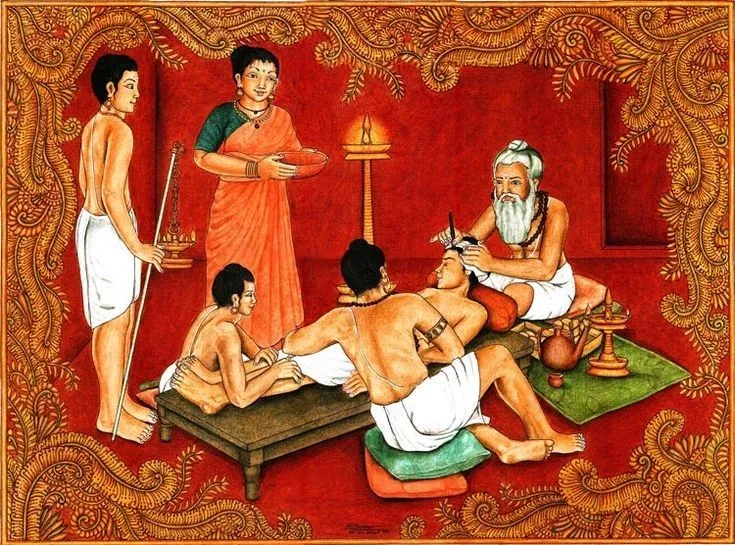
Source: Kerala Mural Painting
Aesthetics of Ayurvedic Spaces
Incorporating art into Ayurvedic spaces Mandalas and Healing Art: Images of colorful mandalas or artwork depicting Ayurvedic enhances their healing ambiance. Artworks inspired by nature, such as botanical illustrations or serene landscapes, can evoke tranquility, creating a peaceful environment conducive to healing. Adding colors and textures that resonate with dosha can also foster a sense of belonging and comfort.
Cultural Significance and Artistic Expression: Ayurvedic teachings are often illustrated through traditional art forms. Ancient texts feature intricate designs, and contemporary artists continue to explore these themes. From sculptures of Ayurvedic deities to modern interpretations of wellness concepts, art serves as a connection between ancient wisdom with contemporary practices.
Therapeutic Effects of Art
Art therapy is tremendously recognized for its benefits in promoting emotional well being. It aligns with Ayurvedic principles by addressing mental health issues through creative expression. Art therapists often incorporate Ayurvedic concepts, encouraging clients to explore their doshas through art, thus providing a personalized approach to healing.
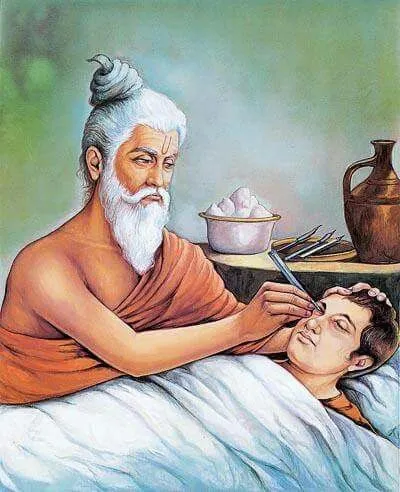
Source: Art therapy
Finding an art therapist
Look for someone with postgraduate training in art-based therapy and supervised clinical hours. Ask how they work before the first session. If you are in distress, Tele MANAS (14416) is India's free mental health helpline. The simplest start is ten minutes, one circle and no plan. When you want a teacher, Rooftop's courses and experiences are led by practising artists.