
Art Mumbai 2026
A First Timer's Guide to the Art Mumbai 2026
Explore Art Mumbai 2026 with this first-timer’s guide to the art fair, including what to see, how to plan your visit, and tips for enjoying the experience.

Rooftop
Author
Walking into an art fair for the first time can be a little overwhelming. There are paintings you have seen in books, artists you have never heard of, gallery representatives discussing work with collectors, and conversations filled with terms you may not recognise. With so much happening at once, it's easy to wonder where to begin.
Art Mumbai offers a chance to explore this world at your own pace. You don't need to know the difference between modern and contemporary art, understand every artist's practice or plan to buy something. Sometimes, all it takes is finding a work that makes you stop, asking a question that leads somewhere unexpected, or discovering an artist whose work stays with you long after you've left.
The fourth edition of Art Mumbai takes place from 12 to 15 November 2026 at Mahalaxmi Racecourse, Mumbai. Featuring 94 exhibitors, including 73 Indian and 21 international galleries, the fair brings together modern and contemporary art, talks, performances and an outdoor sculpture park. Here's what to expect, which events to look out for, and how to plan your first visit without trying to fit everything into one day.
What to See at Art Mumbai
The galleries are the main attraction, but the fair offers several ways to experience art beyond walking from one booth to another. Knowing what's available can help you decide how to divide your time, especially if you're visiting for only one day.
Explore Indian and international galleries
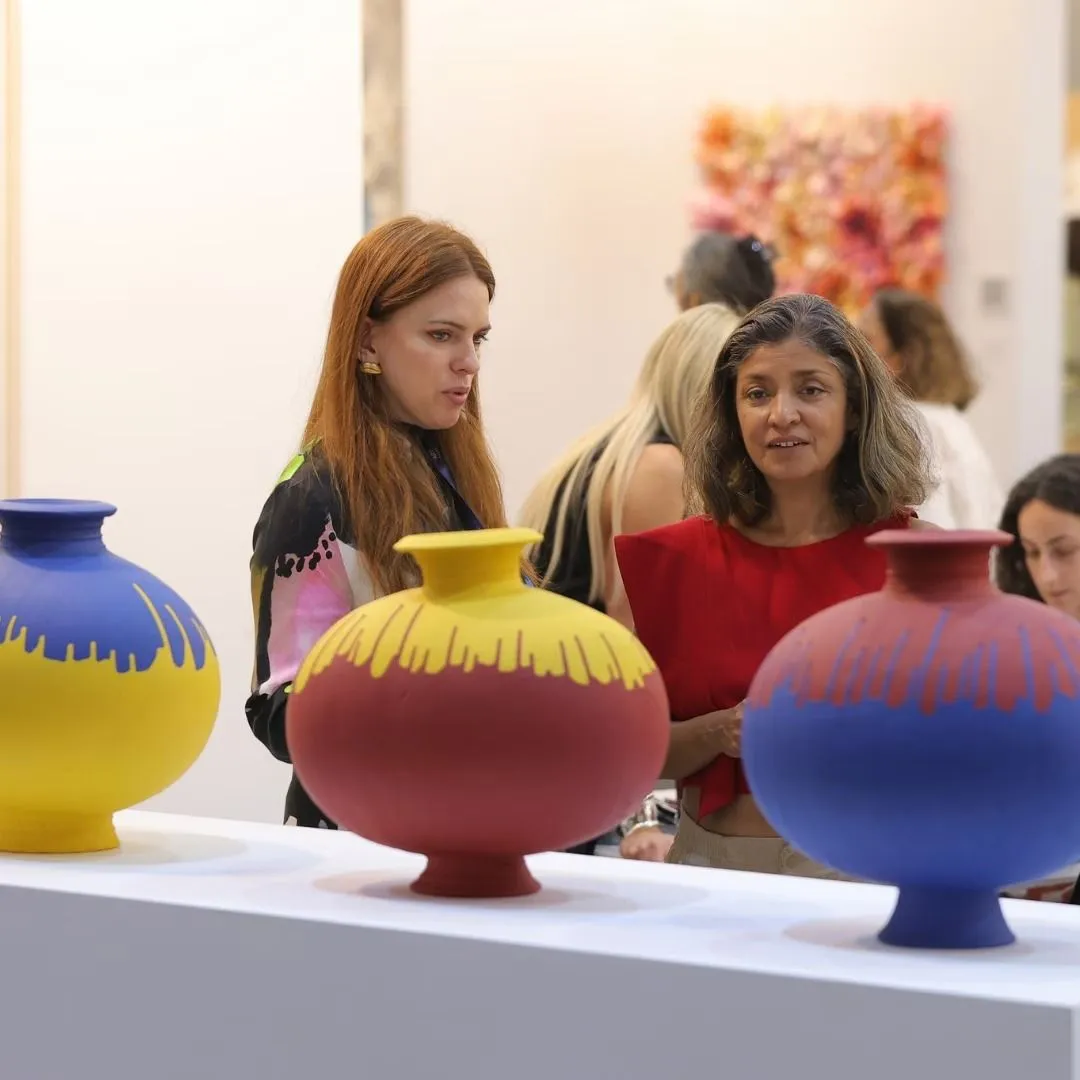
Art of Mumbai events Source - District
Art Mumbai brings together established galleries, emerging artists and a wide range of artistic practices. This year's exhibitors include international names such as Perrotin, Richard Saltoun Gallery and Night Gallery, alongside returning galleries such as Lisson Gallery and Galleria Continua. Indian galleries also offer opportunities to explore the country's modern and contemporary art scenes.
You don't have to recognise the gallery names before visiting. Walk around, notice what catches your attention, and spend time with the works you find interesting. If a painting or sculpture raises a question, the gallery representative may be able to tell you more about the artist, their methods or the ideas behind the work.
Attend the Speaker Series
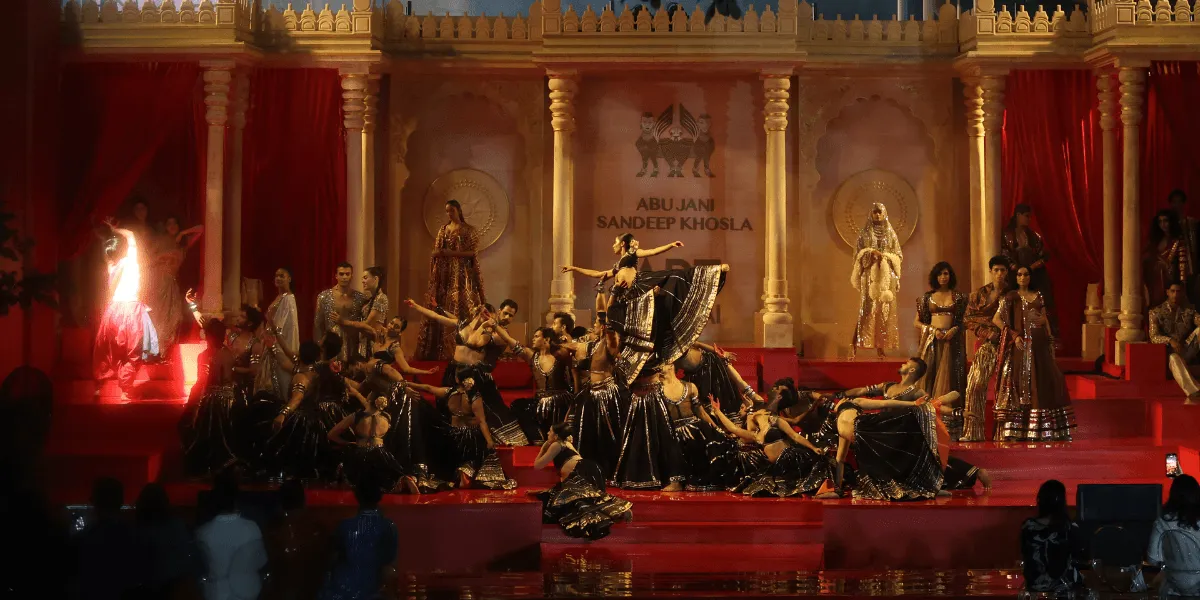
Art Mumbai Dance Performance Source - artmumbai.com
The Speaker Series brings artists, curators, collectors and cultural practitioners together to discuss subjects shaping the art world. This year's programme covers themes including public art, art institutions, women artists, collecting and the use of new technology in creative practice.
These talks can be especially useful for first-time visitors because they provide context for what you see around the fair. You might learn about an artist's working process, understand how galleries support artists, or discover how technology is changing the way audiences experience art.
Visit the outdoor sculpture park
After spending time inside the gallery pavilions, the outdoor sculpture park offers a change of pace. Sculptures can feel quite different when viewed in an open setting, where you can move around them and notice how their size, materials and surroundings affect your experience.
There's no need to rush through this part of the fair. Give yourself time to look closely at a few works and enjoy the change of setting. If you're visiting with friends or family who have different interests, the sculpture park can also be a good place to regroup before deciding what to see next.
Make time for performances and other activities
The programme also includes performances, guided walks and spaces to eat, drink and take a break. These activities give the fair a more varied rhythm, so your visit doesn't have to consist entirely of looking at paintings and reading gallery labels.
Check which guided walks are included with your ticket and whether advance registration is needed. If you're bringing children, look for the scheduled kids' walk rather than assuming every activity is suitable for all ages. A little planning will leave you with more time to enjoy the day itself.
Talks and Events to Look Out For at Art Mumbai 2026
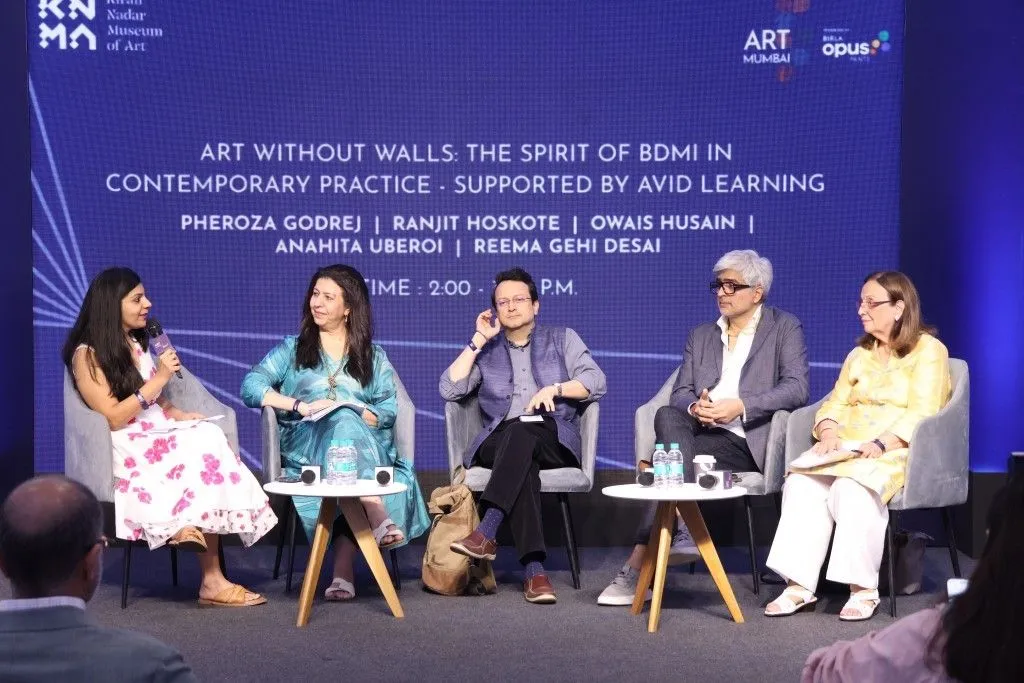
Art Mumbai 2026 talks Source - Avid Learning
With so many sessions on the programme, choosing a few in advance is more useful than trying to attend everything. The following highlights offer different ways into the art world, whether you're interested in Indian modernism, contemporary practice, collecting or the relationship between art and popular culture.
A strong day for first-time visitors is Saturday, 14 November
Saturday's programme includes conversations about cultural institutions, modern Indian art, women artists, immersive technology and public art. It's a particularly useful day if you want to combine time in the galleries with sessions that help explain the wider context of the works on display.
- 11:30 am, Living Legacies: A discussion about cultural institutions and organisations that have contributed to India's art ecosystem.
- 1:30 pm, Satish Gujral: The Modernist and His Many Worlds: A look at the artist's work across painting, sculpture, murals, design and architecture.
- 3 pm, Women to Watch 2027: A Book Arts Revolution: A conversation involving artist Indu Antony and curator Vidya Shivdas.
- 4:30 pm, Enter the Art: A discussion about how virtual reality, artificial intelligence and other technologies are changing art experiences.
- 6 pm, Reframing the City: Public Art in India: A conversation about the role of art in public spaces and the challenges involved in creating it.
If you're attending on Saturday, choose the sessions that genuinely interest you and leave enough time between them to explore the fair. Confirm the timings, registration requirements and ticket access through the official programme, as schedules can change.
Friday, 13 November is for Collecting, institutions and artistic lives
Friday's programme is worth considering if you're curious about what happens around an artwork after it leaves the artist's studio. Discussions about institutions and collecting offer a look at the structures that shape the art world, while the book launch of My Tyebi provides a more personal perspective on modern Indian art.
The session The Fine Print of Fine Art, listed for 3:30 pm in the supplied schedule, explores legal considerations around buying art, antiquities and digital works. It may be particularly useful if you're considering a purchase and want to understand questions of ownership, provenance and documentation. Check the latest schedule before planning your day around this or any other individual session.
The Art Stories Behind This Year's Programme
Art Mumbai 2026 Theme
You don't need to follow every art-world headline to enjoy the fair. However, a few recent developments help explain why certain artists and subjects are receiving attention this year. They also give you some useful context if you decide to attend the related talks or exhibitions.
Satish Gujral's centenary
2026 marks the centenary of Satish Gujral's birth, and his retrospective at the National Gallery of Modern Art in Mumbai brings together different aspects of his career. Gujral worked across painting, sculpture, murals and architecture, making his practice a useful introduction to the many forms Indian modernism can take.
Tyeb Mehta's personal story
The launch of My Tyebi, written by Sakina Mehta, offers a personal perspective on the life of modernist artist Tyeb Mehta. A memoir can provide a different kind of insight from an exhibition label, giving readers a sense of the person behind the work and the circumstances in which an artistic practice develops.
Kader Attia and the Kochi-Muziris Biennale
Kader Attia has been named curator of the seventh Kochi-Muziris Biennale, scheduled for 2027–28. His work often engages with history, memory, colonialism and the idea of repair, making his curatorial appointment an important development for those following contemporary art in South Asia.
India's return to the Venice Biennale
India returned to the Venice Biennale in 2026 after its previous participation in 2019. The country's pavilion provides another opportunity to consider how Indian artists and cultural institutions present their work to international audiences, and how ideas of identity, place and memory travel across borders.
A record-breaking Raja Ravi Varma sale
In April 2026, Raja Ravi Varma's Yashoda and Krishna sold for ₹167.2 crore at Saffronart, setting a record for an Indian artwork sold at auction. The sale highlights the interest surrounding Indian art and offers a useful starting point for thinking about the relationship between an artist's reputation, institutional recognition and market value.
How to Plan Your First Visit to Art Mumbai
Planning Your First Art Mumbai Visit
A little structure can make a large fair easier to navigate. Rather than trying to see everything, start by deciding what matters most to you, then build a flexible itinerary around those priorities.
Choose your reason for visiting
If you're a collector, spend time with galleries whose artists interest you and ask about pricing, provenance and shipping. If you're an artist, look closely at different materials, techniques and ways of presenting work. Students may prefer talks that introduce them to artists and institutions, while casual visitors can focus on the galleries, sculpture park and performances. You don't have to stick to one category for the entire day. These are simply starting points to help you make choices when the programme begins to feel overwhelming. If something unexpected catches your attention, give yourself permission to change your plans.
Book the events you don't want to miss
Choose one or two talks or performances that matter most to you, then check their timings and registration requirements. Some events are ticket-restricted, and popular sessions may fill up, so don't assume that arriving at the venue will guarantee entry.
Once those sessions are in your calendar, use the gaps to explore the galleries. The exhibitions are where you can slow down, return to a work that interested you earlier, or discover something you hadn't planned to see. Keeping your schedule flexible also makes it easier to take breaks when you need them.
Plan travel between venues
The main fair is at Mahalaxmi Racecourse, while other exhibitions and art-week events take place at venues around Mumbai. If you plan to visit places such as NGMA, CSMVS, Chemould Prescott Road or NMACC, check their individual timings and entry conditions before setting out.
Try to group off-site visits by neighbourhood rather than travelling across the city between every event. Mumbai traffic can make short journeys take longer than expected, particularly in the evening. Allow a generous travel buffer and avoid scheduling two events too close together if missing one would disappoint you.
How to Explore the Galleries Without Feeling Out of Place
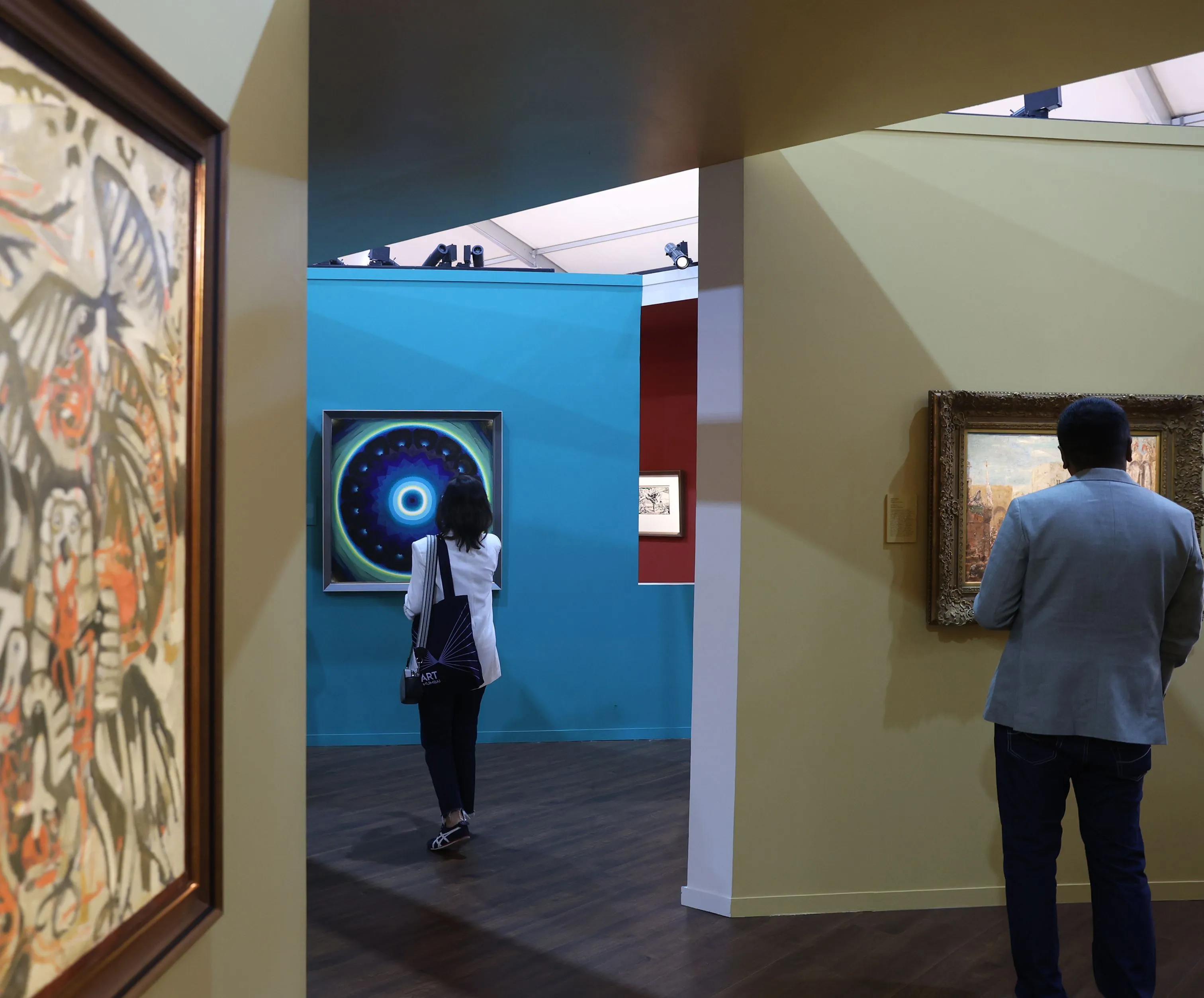
Visiting Art Mumbai without feeling out of place Source - Art Newspaper
One of the best things about an art fair is that you can engage with the work in your own way. You don't need to understand every reference or know the right terminology. A few simple habits can help you feel more comfortable and make the visit more memorable.
Take a first walk before settling in
On your first round, resist the urge to study every booth in detail. Look around, notice the works that draw your attention, and remember the galleries you'd like to revisit. Once you have a sense of the space, return to the pieces that made you curious. This approach gives you room to discover things without feeling that you must make an immediate decision about every work. You may even find that something you initially overlooked becomes more interesting on a second look.
Ask questions when something interests you
Gallery representatives are there to speak about the artists and works they present. You can ask what materials an artist uses, what a particular work explores, or whether the gallery has more information about the artist's practice. You don't have to begin with a clever question; genuine curiosity is enough. If you're considering buying a work, it's completely reasonable to ask for the price and details about its provenance, documentation and delivery. If you're only browsing, that's fine too. An art fair is a place to learn about the work as well as a place to buy it.
Keep a record of the works you like
With dozens of galleries to explore, remembering every artist and artwork can be difficult. If photography is permitted, take a picture of the work and its wall label so you can look it up later. You can also keep a note on your phone with the artist's name and a line about what caught your attention. These small records become useful after the fair, when you want to revisit an artist's work or tell someone about something you discovered. You don't need to document everything. Focus on the pieces you genuinely want to remember.
A Simple Day-by-Day Guide for Art Mumbai 2026
If you're unsure which day to choose, use this overview to start planning. Your final itinerary should depend on your ticket, interests and the latest published programme. The events on 10 and 11 November form part of the wider activity around the fair and may be organised by individual galleries or institutions. Check the official Art Mumbai website for the latest information on the main fair, and confirm off-site events directly with their organisers.
Your Art Mumbai Checklist
Before you leave home, check your ticket and register for any sessions that require advance booking. Save the programme on your phone, mark your priority events and plan your route to the venue. If you're considering buying art, set a budget beforehand so you can make decisions without feeling rushed. Wear comfortable shoes, carry a charged phone and bring a notebook or use your notes app to record artists and works you want to revisit.
Check the venue's rules before bringing food, drinks or other items, and allow time for travel between events. Most importantly, leave at least one part of your day unplanned so you can follow your curiosity. After the fair, look through your notes and pick a few works you keep thinking about. If you met an artist or gallery you'd like to know better, follow up after the event. You may find that one conversation or one unexpected discovery becomes the beginning of a longer interest in art.
Make the Fair Your Own
Your first Art Mumbai visit doesn't have to be an exercise in seeing everything. It's an opportunity to discover what draws you to art, whether that's the story behind a painting, the materials used in a sculpture or a conversation that changes how you look at something. Plan enough to make the day manageable, but leave room for the unexpected. You might arrive with a list of artists to see and leave talking about someone entirely new.
You might find a work you love without being able to explain exactly why. Those experiences are as much a part of visiting an art fair as the exhibitions and talks themselves. Art Mumbai 2026 runs from 12 to 15 November at Mahalaxmi Racecourse. Check the official website for current ticket information, exhibitor details and programme updates before your visit.