

Nirmal Paintings: Andhra Pradesh's Lacquered Wood Art Tradition
Know about 400 years old art from south India-Nirmal art
Introduction and Origin
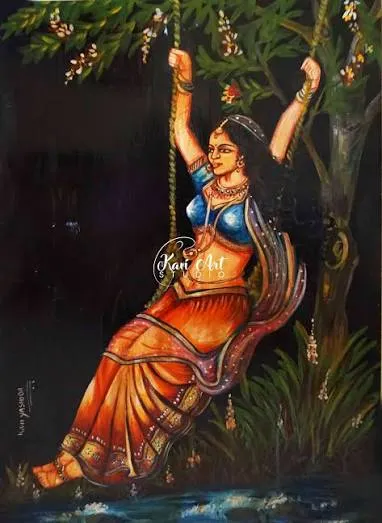
In the town of Nirmal in Telangana, artisans have been painting luminous scenes from Hindu epics on wooden panels for more than 400 years. Nirmal paintings are recognised by their glossy lacquered surface, ivory-white base, and figures set against a deep black background - a visual identity unlike almost any other art form in India. Made by the Nakkash or Naqash community of craftspeople, these works draw from the Ramayana, the Mahabharata, and the Puranas while showing clear traces of Mughal miniature and Ajanta cave art. Today, Nirmal paintings carry a Geographical Indication (GI) tag from the Indian government and remain one of Telangana's most celebrated craft traditions.
What Is Nirmal Painting?
Nirmal painting is a traditional lacquered woodwork art from the Nirmal district of Telangana, India. The art takes its name from the town of Nirmal, a tribal-inhabited area that has been a recognised centre for crafts and painting since at least the 14th century. Paintings are made on wooden planks sourced from the ponnikki tree (also called thella poliki or ponikai), prepared with multiple coats of tamarind seed paste and fine clay to create a smooth, ivory-white surface. Artists then paint with naturally extracted pigments derived from minerals, herbs, and semi-precious stones, filling in vivid reds, yellows, oranges, blues, and greens before applying a final coat of lacquer for a lasting, glossy finish. The paintings are also produced on canvas. The Nakkash or Naqash community, whose name the art form shares, has been practising this tradition for centuries in Nirmal and, more recently, in Hyderabad as well.
History and Origin of Nirmal Paintings
The roots of Nirmal paintings trace back to the 14th century, during the era of the Kakatiya empire, when Nirmal was already known as a gifted land of art and crafts. The artisan community that practises this tradition is known as the Naqash or Nakkash. According to legend, Naqqashi families and Jhingar artists were brought to Nirmal from Rajasthan in the 17th century by a local chief named Nimma Naidu, who gave the name Nimmala to these artisans - a word that evolved into Nirmal over time. The Mughal emperors are said to have admired and patronised this style of painting. A significant chapter came in the 1950s, when Lady Hyderi brought Nirmal artisans to the princely state of Hyderabad to promote their craft. In more recent decades, a decline in the tradition prompted the formation of the Nirmal Toys and Arts Industries Cooperative Society Ltd., which helps each artisan specialise in a particular product type and markets work through government-run outlets. In 2009, Nirmal paintings and toys were granted a Geographical Indication tag by the Indian government.
Key Features and Famous Artists
Key Features and Visual Style of Nirmal Painting
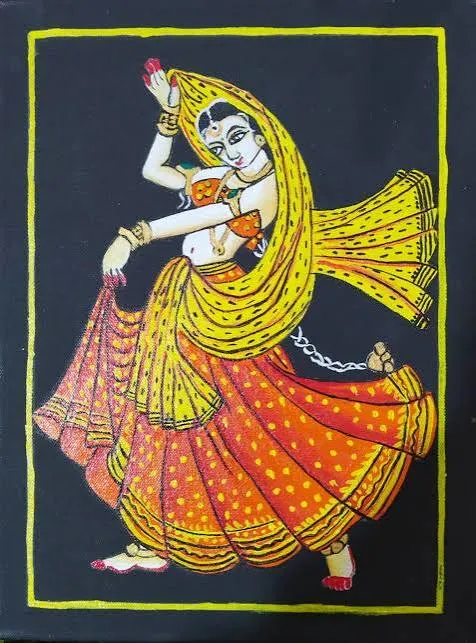
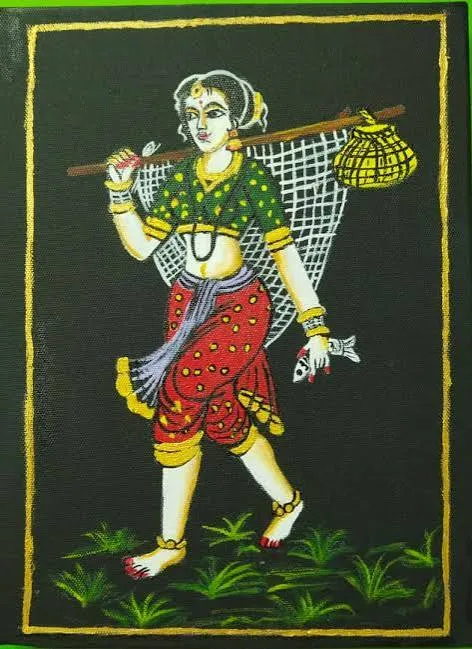
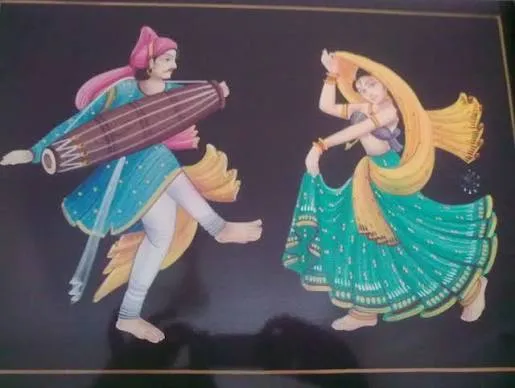
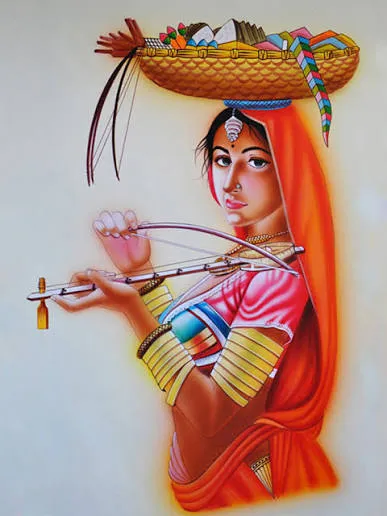
What makes Nirmal paintings instantly recognisable is their deep black background, against which figures painted in rich natural colours appear almost luminous. The style absorbs influences from Ajanta cave paintings, Mughal portraiture, and Kangra miniature art, which is visible in the graceful way figures are posed and the delicate way flora is depicted. Women are typically portrayed with fluid, graceful postures and soft, monotoned facial expressions - dancing, engaged in occupational tasks, or posing with quiet drama. A golden decorative border is always added to bind the composition together. The following features define the art form:
The wooden base comes from the ponnikki tree, prepared with coats of pip clay, fine muslin, and tamarind seed paste - a mixture called Lappam - which is smoothed and left to dry before painting begins.
Pigments are extracted from minerals, herbs, and semi-precious gems, producing colours such as red, yellow, orange, blue, and green that are both vivid and durable.
Subjects are usually depicted individually against a pitch-black background, with isolated figures rather than busy narrative scenes, creating a distinctive contrast.
The style shows clear influences from Ajanta cave art and Mughal miniatures, particularly in the portraiture technique and the delicate rendering of flora.
A final coat of lacquer is applied over the finished painting, giving it the glossy, long-lasting shine that has made Nirmal work famous as decorative and collectible art.
Paintings are also produced on canvas, where the Nakkash community has been creating oil-based works for centuries, incorporating themes from Indian mythology and the natural world.
Famous Artists of Nirmal Paintings
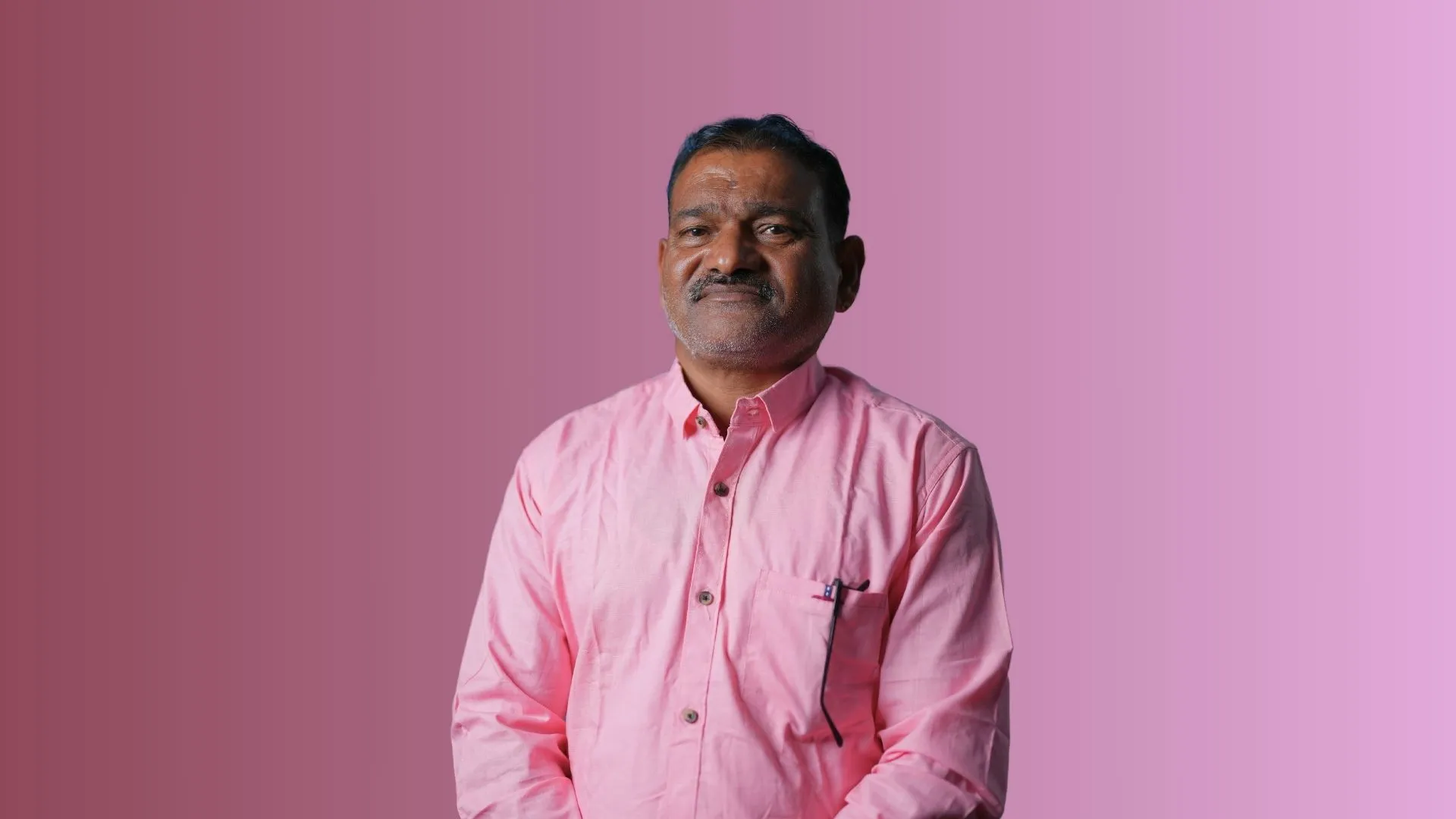
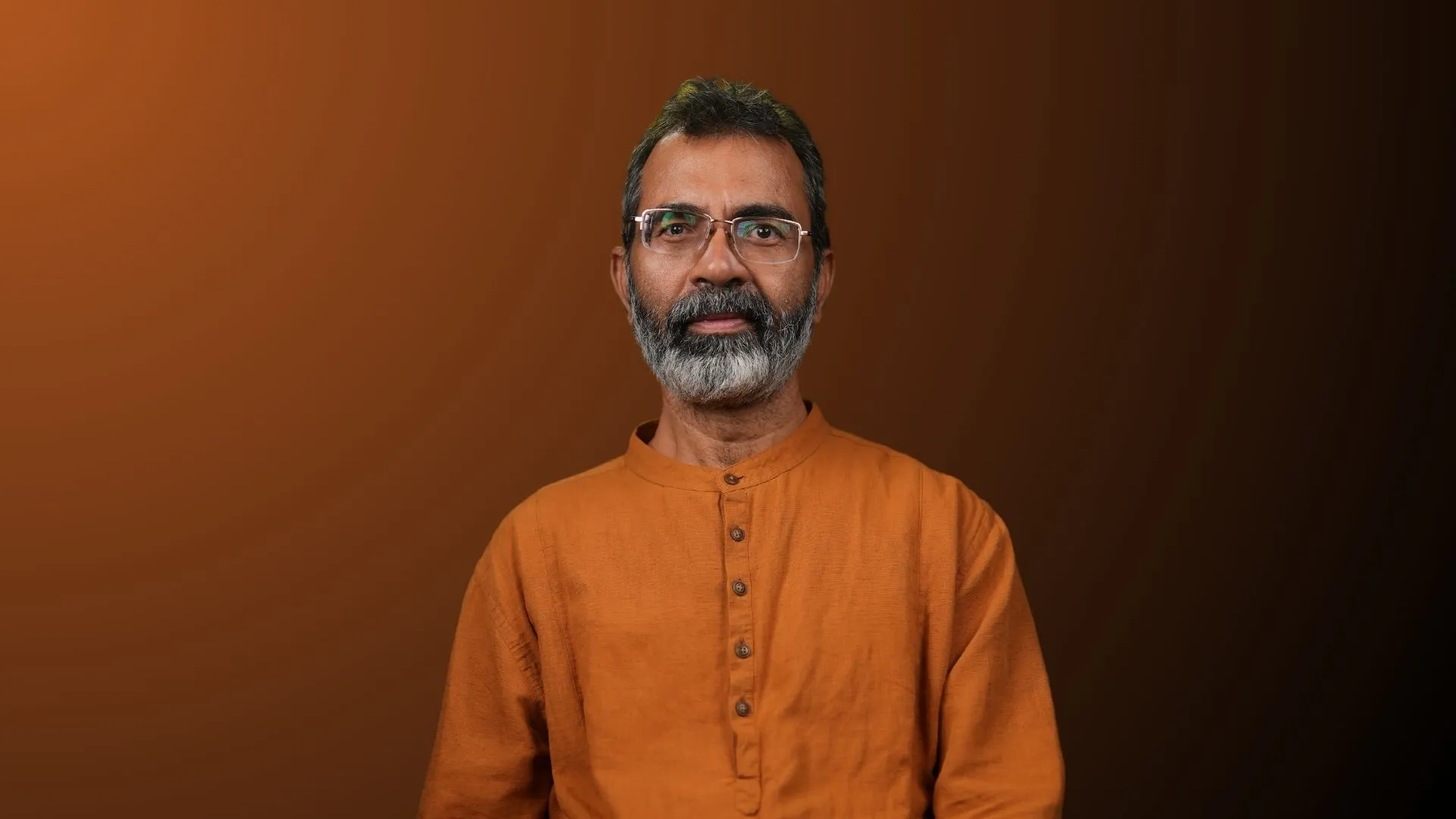
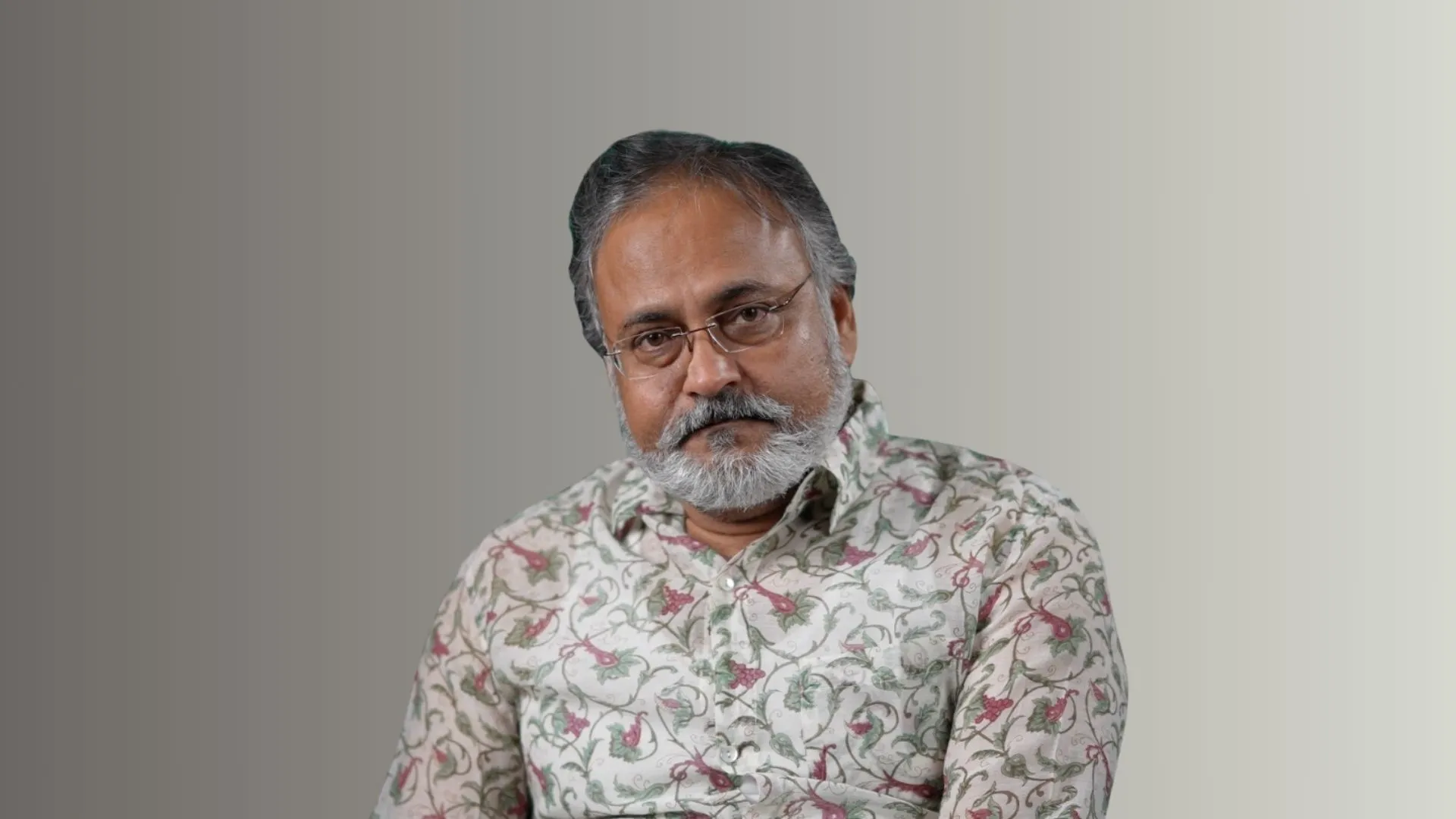
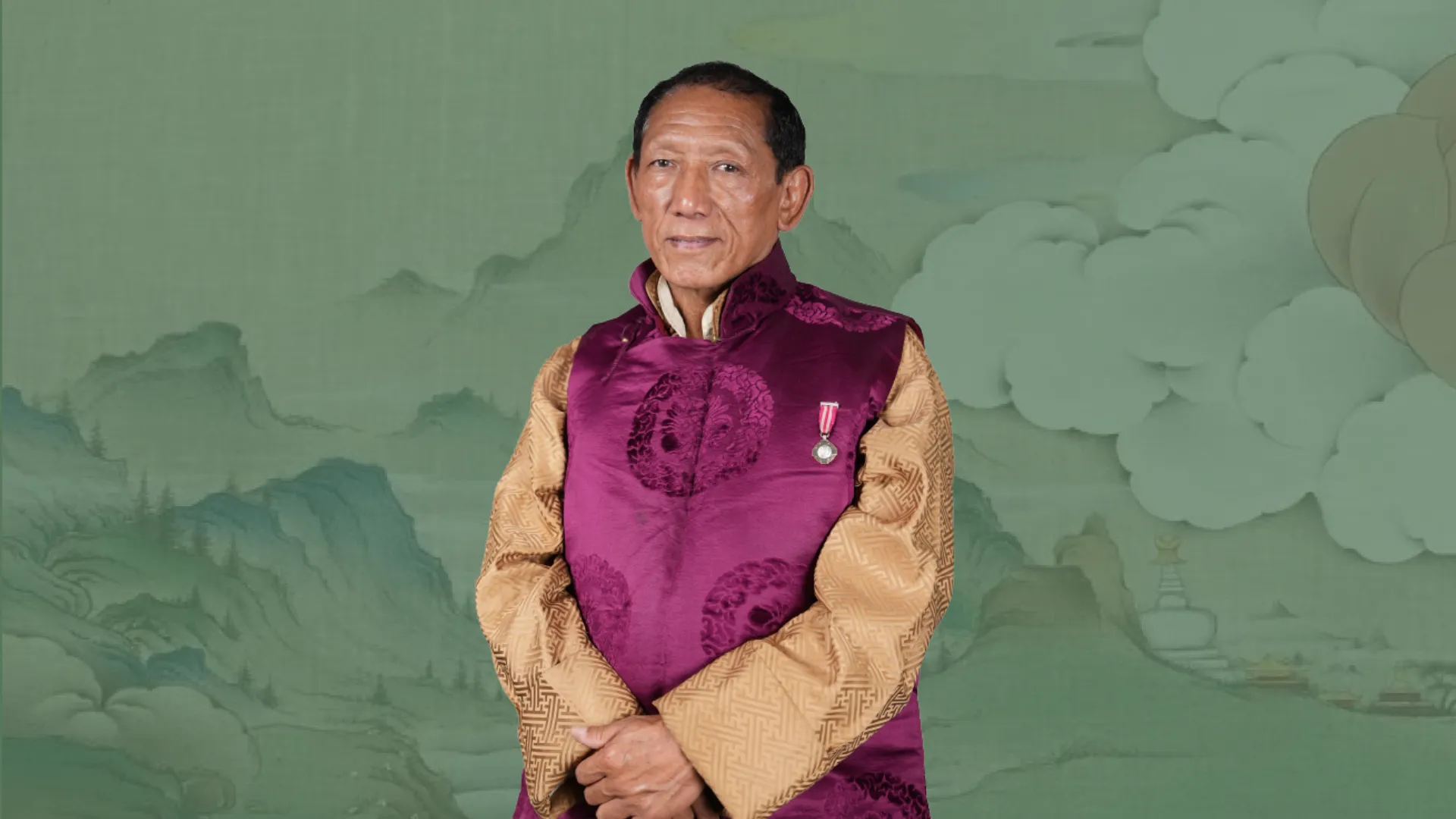
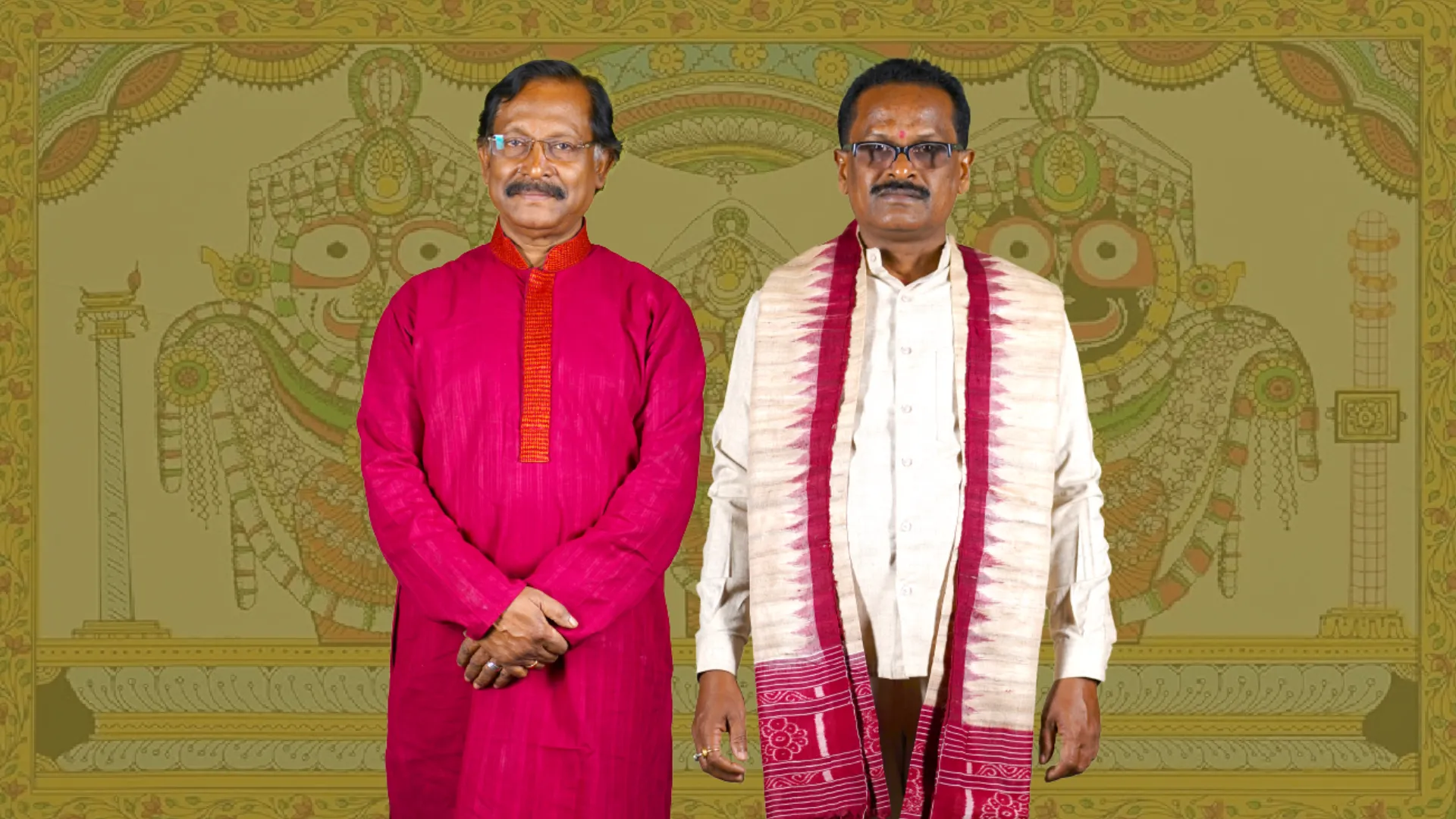
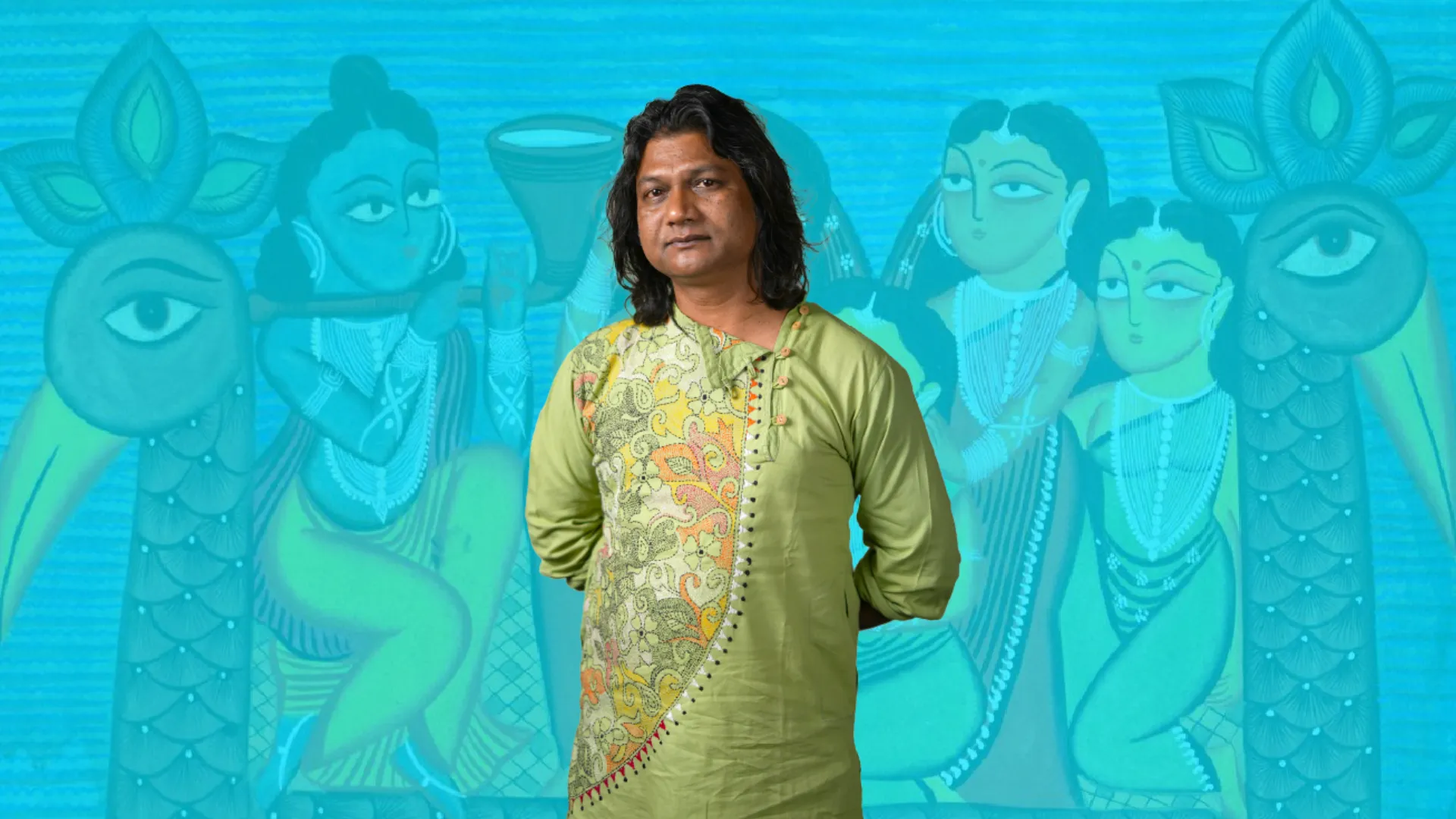
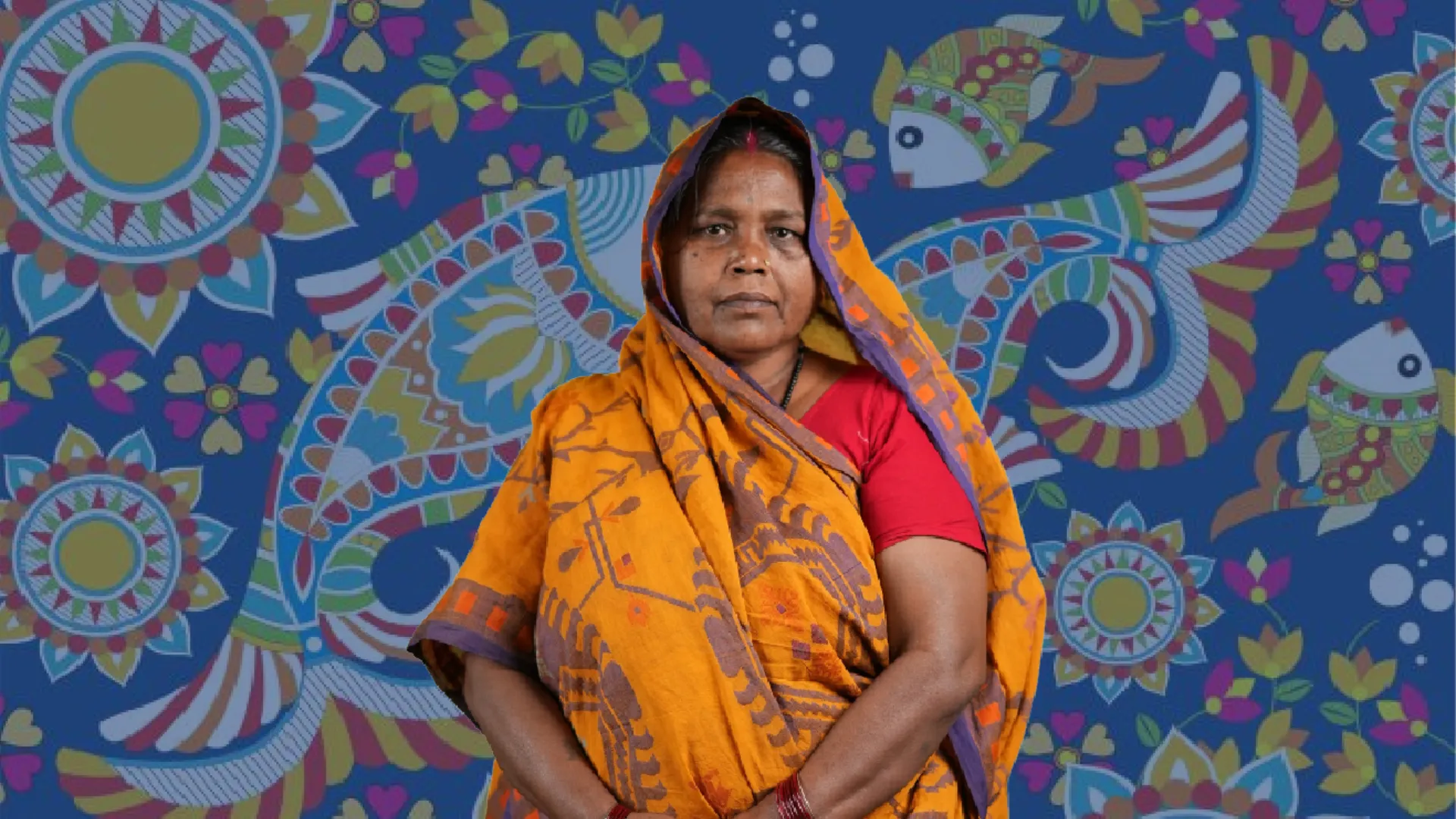
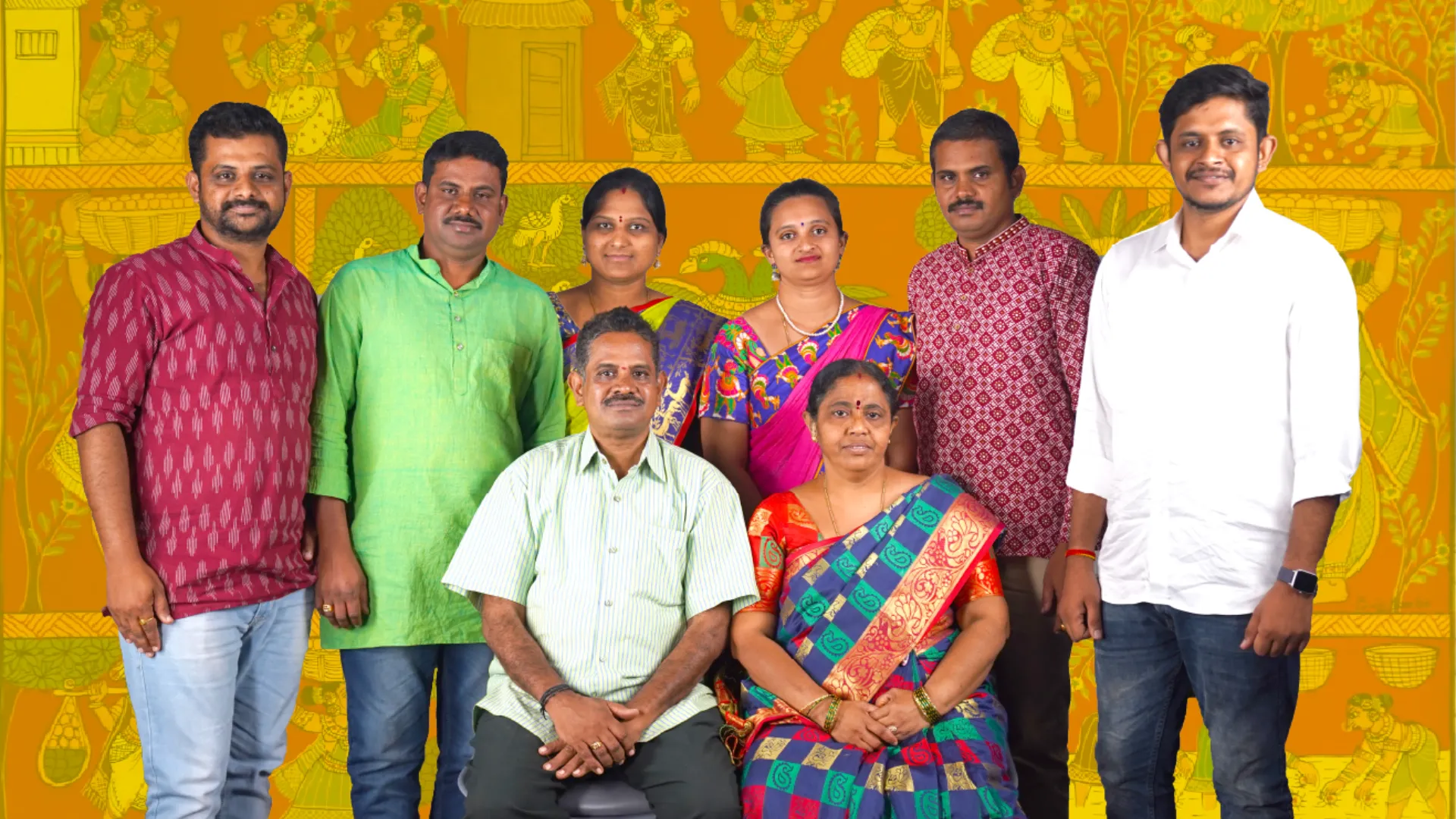
The Nirmal painting tradition has been sustained by generations of Nakkash families across Telangana. While individual master artists are not always prominently documented in public records - a reflection of the craft's collective, community-based nature - several names stand out for their contribution to keeping this art visible. Narsimha Rao, from Nirmal, Telangana, is a senior practitioner known for intricate mythological compositions that closely follow classical Nakkash technique. Laxmi Narasimha, also from Nirmal district, is recognised for his detailed work on wooden panels depicting scenes from the Ramayana. Srinivas, working in the Nirmal cooperative, is known for his skill in applying Lappam - the tamarind-and-clay preparation - and for the precision of his lacquer finishing. Rooftop works to connect learners and art lovers directly with artisan families from Telangana who carry this tradition forward. Explore the wider world of traditional Indian art through Rooftop's Art Wiki.
How to Learn Nirmal Paintings
If you want to learn Nirmal painting, the best place to start is with a structured course taught by someone who genuinely practises the tradition. Rooftop offers online courses in Indian folk and traditional art taught by master artists across India. These courses take you through real materials, authentic techniques, and the cultural context behind each brushstroke - so you understand not just how to paint, but why the art looks and feels the way it does. You can learn at your own pace, from wherever you are.
Where to See and Buy Nirmal Paintings
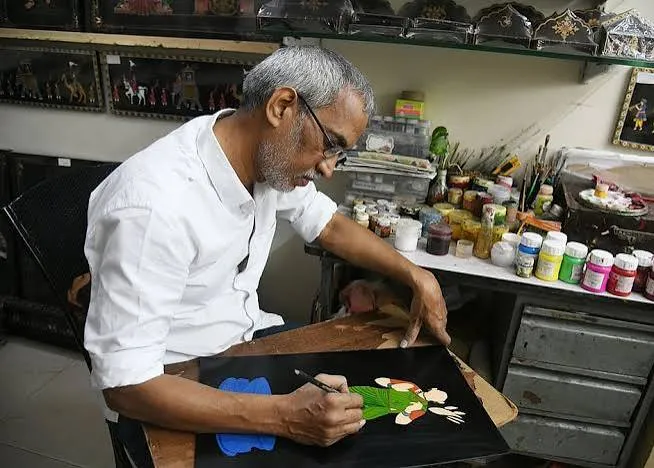
The best place to encounter authentic Nirmal paintings is in Nirmal town itself, where cooperative workshops and local craftspeople still sell directly to visitors. Hyderabad's state emporiums and Lepakshi craft stores also stock genuine Nirmal work. National craft fairs, particularly those curated by government bodies, regularly feature Telangana artisans. For those who cannot travel, Rooftop's online shop carries original folk artworks sourced directly from Indian artists, including works from the Telangana region. Buying directly from platforms like Rooftop ensures the artisan receives fair support for their craft.
Learn Nirmal

Frequently Asked Questions
What are Nirmal paintings and where do they come from?
Nirmal paintings are a lacquered woodwork art tradition from the Nirmal district of Telangana, India. They are made by the Nakkash or Naqash community of artisans and are known for their glossy finish, ivory-white base, and figures painted in natural mineral-based colours against a black background. The tradition has been practised in the region since at least the 14th century, during the Kakatiya empire.
Which state and community practises Nirmal painting in India?
Nirmal paintings originate from Telangana, specifically from the town of Nirmal in the Nirmal district. The artisan community that practises this art is known as the Nakkash or Naqash. The tradition is also practised today in Hyderabad, where artisans were brought during the 1950s under the patronage of Lady Hyderi.
What materials and colours are used in Nirmal paintings?
The base for Nirmal paintings is typically a wooden plank from the ponnikki tree, treated with a preparation called Lappam - a paste of tamarind seeds and water mixed with pip clay - to create a smooth surface. Pigments are extracted from minerals, herbs, and semi-precious gems. Common colours include red, yellow, orange, blue, and green, used against a deep black background. A final coat of lacquer gives the finished painting its distinctive shine.
What subjects and themes are depicted in Nirmal paintings?
Nirmal paintings traditionally depict scenes from Hindu epics such as the Ramayana and Mahabharata, as well as stories from the Puranas. The style also draws from Mughal miniature art and Ajanta cave paintings, influencing how figures, flora, and portraits are rendered. Female figures are often portrayed with graceful, fluid postures, and subjects are typically shown individually against a black background rather than in crowded narrative scenes.
Do Nirmal paintings have a GI tag?
Yes. Nirmal paintings and Nirmal toys were granted a Geographical Indication (GI) tag by the Indian government in 2009. This certification recognises that genuine Nirmal art can only be produced in the Nirmal region of Telangana and protects the tradition from imitation. The GI tag has also helped channel support for artisans through the Nirmal Toys and Arts Industries Cooperative Society Ltd.
Where can I buy authentic Nirmal paintings in India?
Authentic Nirmal paintings can be purchased directly from artisan cooperatives and workshops in Nirmal town, Telangana, as well as from state emporiums and Lepakshi stores in Hyderabad. National crafts fairs and government-run outlets also feature Nirmal work. Online, Rooftop's shop offers original folk artworks sourced from Indian artists, making it a reliable option for buyers who want to support craftspeople directly.
Nirmal paintings carry more than 400 years of craft memory from the Nakkash families of Telangana - a tradition that survived Mughal patronage, shifting empires, and the quiet threats of modern neglect. Today, this art form holds a GI tag and a growing audience of learners and collectors across India. Explore Indian folk art courses on Rooftop and discover what it takes to paint the way Nirmal's artisans have for generations.
Bibliography
Sources
- History and culture of the Andhras. (1995). Hyderabad: Komarraju Venkata Lakshmana Rau Vijnana Sarvaswa Sakha, Telugu University.
Image Sources
"Dancing Girl 1 – Nirmal Painting (21 × 30 cm)." Indian Folk Art, https://indianfolkart.org/product/dancing-girl-1-nirmal-painting-21-x-30-cms/. Accessed 21 July 2026.
"Nirmal Painting." D'Source Digital Online Learning Environment for Design, https://www.dsource.in/gallery/nirmal-painting. Accessed 21 July 2026.
"Nirmal Paintings." Wikipedia, https://en.wikipedia.org/wiki/Nirmal_paintings. Accessed 21 July 2026.
"Nirmal Painting Classes." Kavi Art Studio, https://www.kaviartstudio.in/courses/nirmal-painting-classes. Accessed 21 July 2026.
"Village Girl 2 – Nirmal Painting (21 cm × 30 cm)." Indian Folk Art, https://indianfolkart.org/product/village-girl-2-nirmal-painting-21cms-x-30cms/. Accessed 21 July 2026.
"When Tradition Faces Time: The Fading World of Nirmal Painting." The New Indian Express, https://www.newindianexpress.com/cities/hyderabad/2025/Dec/17/when-tradition-faces-time-the-fading-world-of-nirmal-painting. Accessed 21 July 2026.