
Nautanki - The Folk Dance Tradition of Uttar Pradesh
Read about - Nautanki, a continuous performance with music, dance dialogue and narrative story telling from mythology, folklore, history, and social life.
Introduction
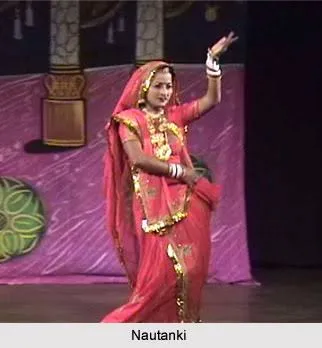
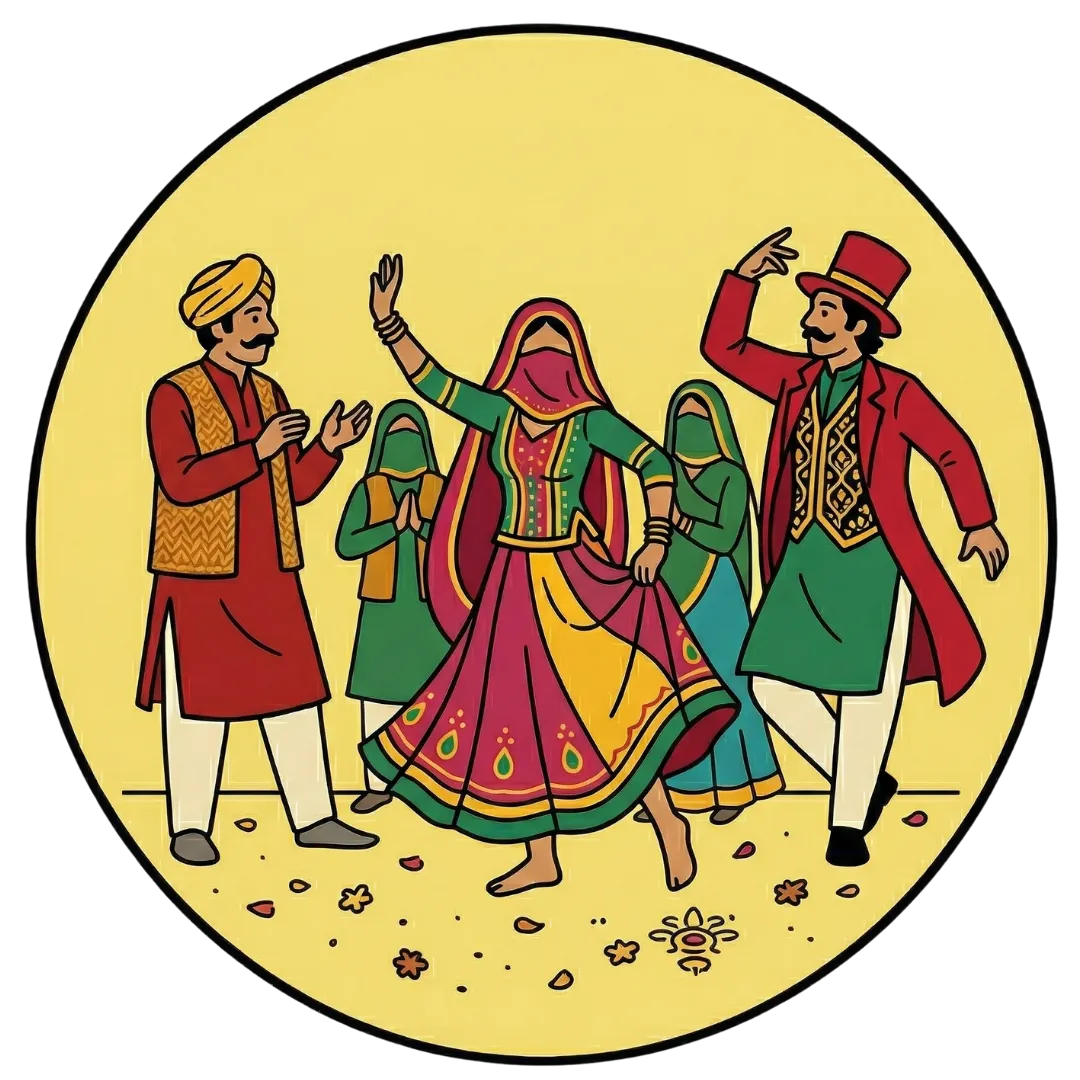
Nautanki is a traditional folk operatic theatre form from northern India, primarily the state of Uttar Pradesh, that integrates music, dance, dialogue, and narrative storytelling into a single continuous performance. The form is secular in orientation, drawing its stories from mythology, folklore, history, and social life. Scholars have defined it as narrative in structure, operatic in style, and secular in spirit. It emerged in a recognisable form in the late nineteenth century and reached its widest popularity in the early twentieth century, before declining sharply with the advent of cinema and electronic media.
Etymology
The origin of the term is debated among scholars. One interpretation links it to the Sanskrit word nataka, meaning drama, evolved through Prakrit and vernacular usage. A second, widely cited explanation holds that the term derives from the popularity of a folk play about Shehzadi Nautanki, a legendary princess from Punjab whose story became so beloved that the genre of theatrical performance associated with it eventually adopted her name. Before this designation took hold, around the 1920s, the form was primarily known as svang, a word meaning farce or theatrical imitation. The form continues to be referred to as svang in the Hathras and Braj regions of Uttar Pradesh. A third, less documented theory holds that the name originates from nau takkas, a nine-coin admission fee historically charged at performances.
Origin
Uttar Pradesh, Northern India; late nineteenth century
Location
Primarily the districts of Hathras, Mathura, Kanpur, Lucknow, and Unnao in Uttar Pradesh; historically also practised in Bihar and parts of Rajasthan
Community
Performers historically drawn from lower-caste and artisan communities including Chhipis, Dalits, and Bedia and Tawaif families; later, cross-caste participation including Muslim performer communities such as Dafalis and Bhats
Relevance
Endangered; once the dominant mass entertainment medium of rural northern India, Nautanki has contracted significantly since the 1990s due to the spread of television, cinema, and digital media
History
Background
Nautanki's antecedents include several older performance traditions of northern India. Among the most significant is bhagat, a form of devotional theatrical singing with roots going back approximately four hundred years, references to which appear in the Ain-i-Akbari, the sixteenth-century record of Emperor Akbar's court composed by Abul Fazl. Bhagat combined devotional kirtan singing with a thin narrative strand and was associated with the Vaishnava communities of Mathura and Vrindavan. Nautanki is sometimes described as a descendant of this tradition. Other precursors include the sung ballads of itinerant bards and improvised festival skits. The form shares structural and stylistic characteristics with regional theatre forms across India, including nakal from Punjab, tamasha from Maharashtra, khyal from Rajasthan, maanch from Madhya Pradesh, and jatra from Bengal. These parallel forms reflect a shared ecology of folk theatrical performance that developed across different regions during the same historical period.The documented history of Nautanki becomes clearer in the nineteenth century with the spread of printing presses in India and the publication of Nautanki scripts in the form of chap-books, called sangit. These printed texts enabled wider circulation of narratives and contributed to the form's standardisation. In the late nineteenth century, Hathras and Kanpur in western and central Uttar Pradesh respectively became the two principal centres of Nautanki performance and training.
Culture and Societies
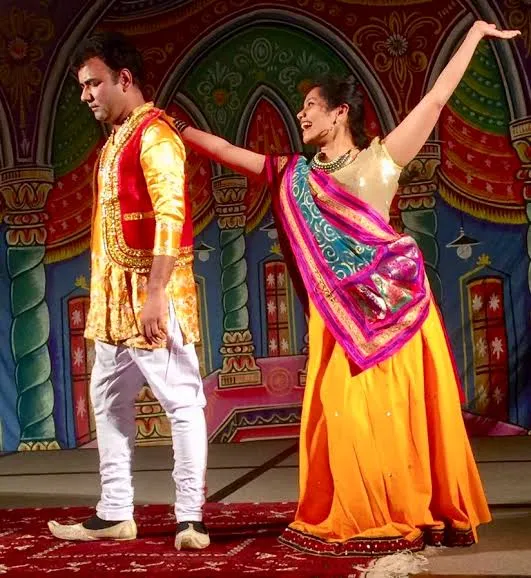
Two distinct institutional traditions, or schools, developed within Nautanki: the Hathras shaili and the Kanpur shaili. The Hathras school grew out of a series of svangs produced within an akhara, an all-male institution for the practice of wrestling, music, poetry, and drama, established by the poet Indarman in the 1890s. Indarman, a Chhipi by caste, trained his most celebrated disciple, Natharam Gaur, who became a seminal figure in formalising the Hathras tradition. Natharam's troupe performed across Uttar Pradesh and gained considerable renown. The Hathras style emphasised Hindustani classical singing, beginning with a dhrupad and requiring singers to sustain notes for extended periods. Its songs were complex and ornamented.By the 1910s, Kanpur emerged as a second major centre. The Kanpur school, led by figures such as Shri Krishan Pahlwan, borrowed elements of prose dialogue from the Parsi theatre tradition, which was itself influenced by European theatrical conventions. The Kanpur style incorporated a proscenium stage, painted backdrops, front curtains, and a greater emphasis on dramatic dialogue, facial expression, and acting over pure musical display. Nautanki performances frequently attracted royal patronage, notably from Wajid Ali Shah, the last Nawab of Lucknow, who reigned from 1847 to 1856. His court saw an increase in Islamicate themes in Nautanki narratives, partly attributed to the popularity of the play Indarsabha, written by Agha Hasan Amanat.
Following the disruption caused by the Indian Revolt of 1857 and the removal of the Nawab, royal patronage ended and Nautanki developed through the efforts of individual troupes and companies.From the 1930s, Nautanki became a commercially managed form. Companies employed up to eighty persons and paid monthly salaries. Women began joining troupes in the 1920s, primarily from Bedia and Tawaif communities, and rose to considerable prominence in the 1950s and 1960s. Gulab Bai established the Great Gulab Theatre Company, and Krishna Bai founded the Krishna Nautanki Company. Nautanki also served as a vehicle of anti-colonial expression: plays such as Sultana Daku, Jalianwala Bagh, and Amar Singh Rathore addressed contemporary political realities, and figures like Krsna Pahalvan of Kanpur used the form explicitly to propagate nationalist sentiment during the independence movement.
Religious Significance
Nautanki is documented as a predominantly secular form. Performances begin with a vandana, an invocation of a deity such as Shiva, Rama, Krishna, or Saraswati, and in the Hathras tradition the opening song is a dhrupad in honour of a god. The end of a performance is marked by a collective slogan invoking the local deity of the area. However, the form's narrative content and primary social function are secular rather than devotional. Stories drawn from mythology appear alongside romances, historical tales, and contemporary social themes, without privileging the religious over the secular. No formal religious association, institutional patronage from temples, or ritual function has been documented for Nautanki as a tradition.
Understanding the Art
Style
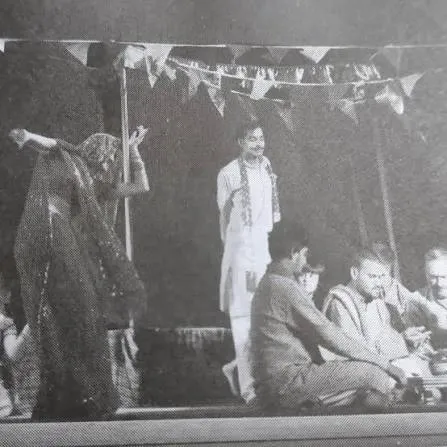
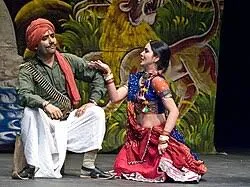
A Nautanki performance typically begins at night and continues until dawn. It is staged on a raised wooden platform, often constructed from wooden cots provided by villagers, and is open on three sides with a backdrop cloth behind the fourth. The audience surrounds the stage. On the stage, musicians and percussionists sit to one side, while actor-singers perform at the centre. The performance begins with a collective vandana, followed by bhents, or devotional offerings in song, which serve both a ritual purpose and the practical function of warming up performers' voices. The ranga, or stage manager-director, introduces scenes and characters. The Hathras style is operatic, with minimal dialogue and continuous singing. The Kanpur style incorporates substantial prose dialogue, faster pacing, and greater focus on physical expression. Both traditions use poetry set to specific metrical patterns, sung according to the dramatic requirements of the moment. The script, known as sangit, is written in Hindi poetic conventions such as the doha and chaubola as well as Urdu forms including sher and qawwali. Satire and comic interludes are integral to the form.
Central Motifs and Their Significance
Nautanki repertoire draws from a broad narrative reservoir. Mythological plays such as Satya-Harishchandra and Bhakt Moradhwaj address themes of moral integrity and devotion. Folk romances including Laila-Majnu, Shirin-Farhad, Heer-Ranjha, and Dhola-Maru explore love that transgresses social barriers, and are among the most emotionally charged performances in the tradition. Historical narratives about figures such as Amar Singh Rathore address themes of bravery and honour. In the early twentieth century, anti-colonial sentiment was expressed through plays like Sultana Daku and those representing the Jallianwala Bagh massacre. Contemporary Nautanki, developed by figures including Pandit Ram Dayal Sharma and Dr. Devendra Sharma, addresses social issues such as women's empowerment, dowry, HIV/AIDS prevention, and migration. The form has thus consistently served as a medium for communicating values, social critique, and contemporary concerns to rural audiences.
Process
Training in Nautanki traditionally took place within the akhara system through the guru-shishya parampara. Students lived within the akhara and learned singing, dancing, and acting from senior practitioners. In the Hathras tradition, the akhara functioned as a closed institution; members belonged to it for life. The Kanpur system was more commercially organised. Performers required strong vocal capacity, as the nagada drum, the principal instrument of Nautanki, was struck loudly at the outset of a performance to call villagers from across a region, and the singers needed to project over considerable distances without amplification. The nagada is a single-faced kettledrum and the defining sonic marker of the tradition. It is accompanied by the harmonium and dholak. A sarangi or clarinet may also be employed. The Hathras tradition required mastery of complex, ornamented Hindustani classical vocal forms including dhrupad. Scripts were sold as printed chap-books and read independently by literate members of the audience, constituting an additional revenue stream for performers.
Mediums Used
Nautanki is a live performance tradition combining vocal music, instrumental accompaniment, dance, and dialogue. Primary instruments include the nagada kettledrum, the harmonium, and the dholak. The sarangi and clarinet appear in some traditions. Costumes are used to denote character, with male performers historically playing female roles in the Hathras tradition. Painted backdrops were introduced in the Kanpur style following Parsi theatre conventions. Scripts were published as chap-books in Hindi and sometimes in Urdu. In the modern period, audio recording was undertaken by labels including His Master's Voice, which released recordings of Nautanki music sung by Gulab Jan in 1969.
New Outlook
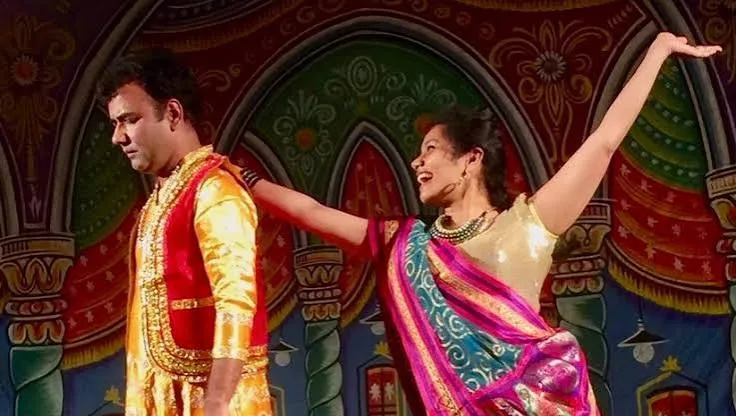
Nautanki persists today in the rural areas of Hathras, Mathura, Unnao, and Beeghapur in Uttar Pradesh. The decline began with the spread of cinema in the 1950s and accelerated with the introduction of television and VCR technology in the early 1990s. Interest in urban areas and among the Indian diaspora has grown modestly: the form has been featured at the Delhi Hindi Akademi Nautanki Festival in 2004 and at theatre festivals organised by the Andhra Pradesh Sangeet Natak Akademi in 2001. Contemporary practitioners including Dr. Devendra Sharma have introduced Nautanki to audiences in the United States and Europe since 2002. Songs from Nautanki plays have been used in Hindi cinema, and the form has influenced the musical grammar of Bollywood. Academics and cultural organisations have documented the tradition, and some mainstream theatre practitioners in India have adapted Nautanki conventions for contemporary productions.
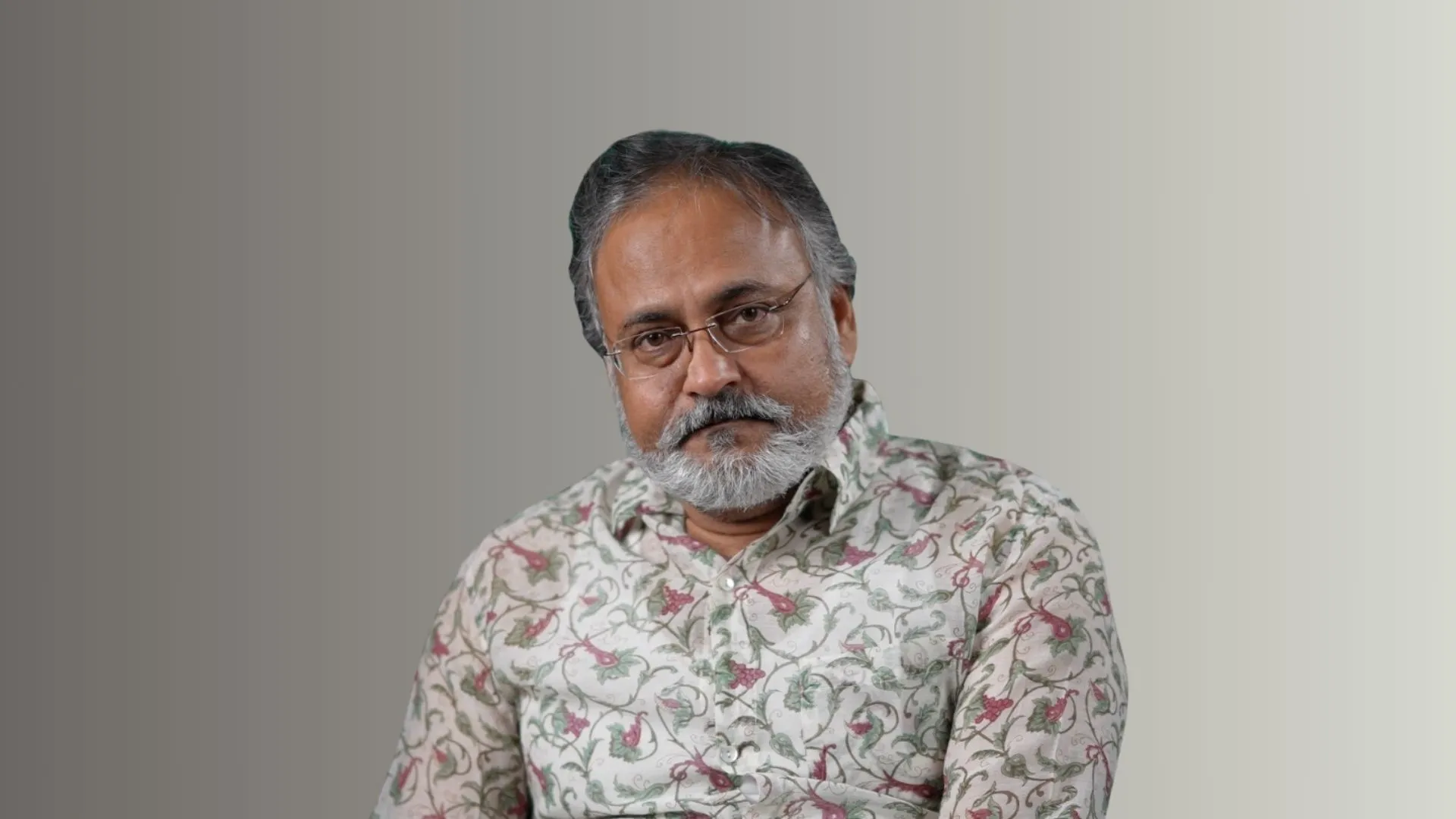
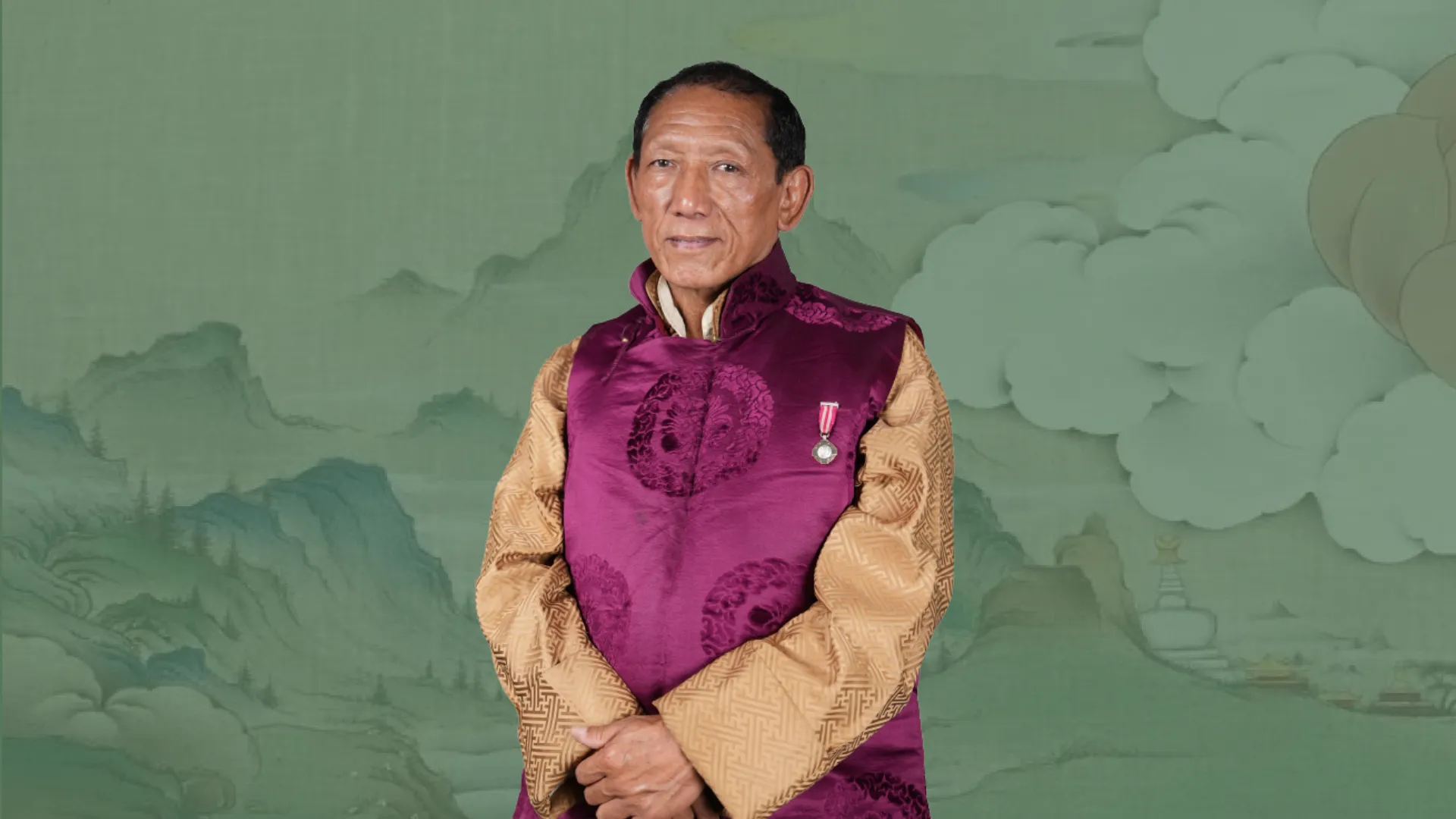
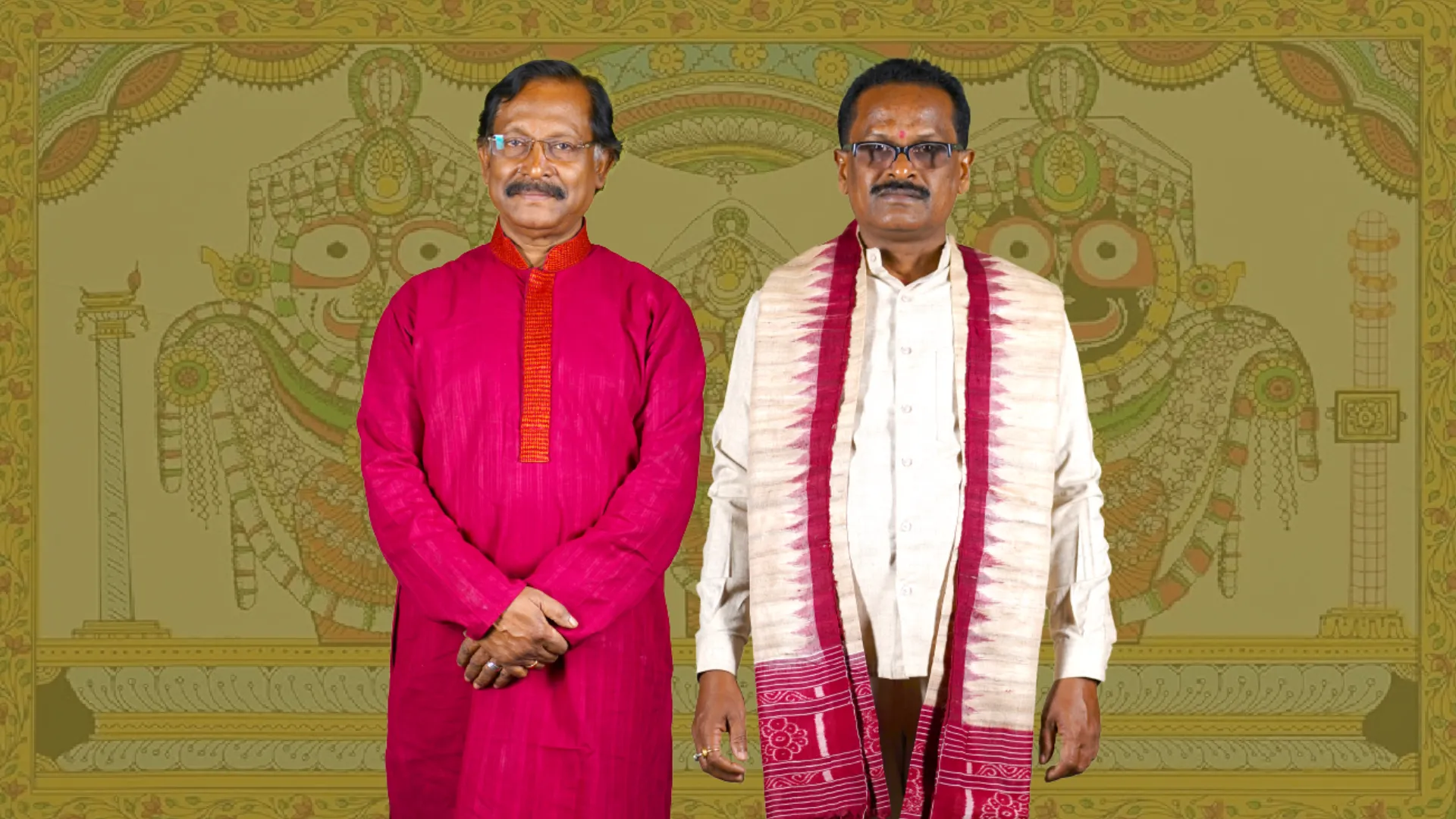
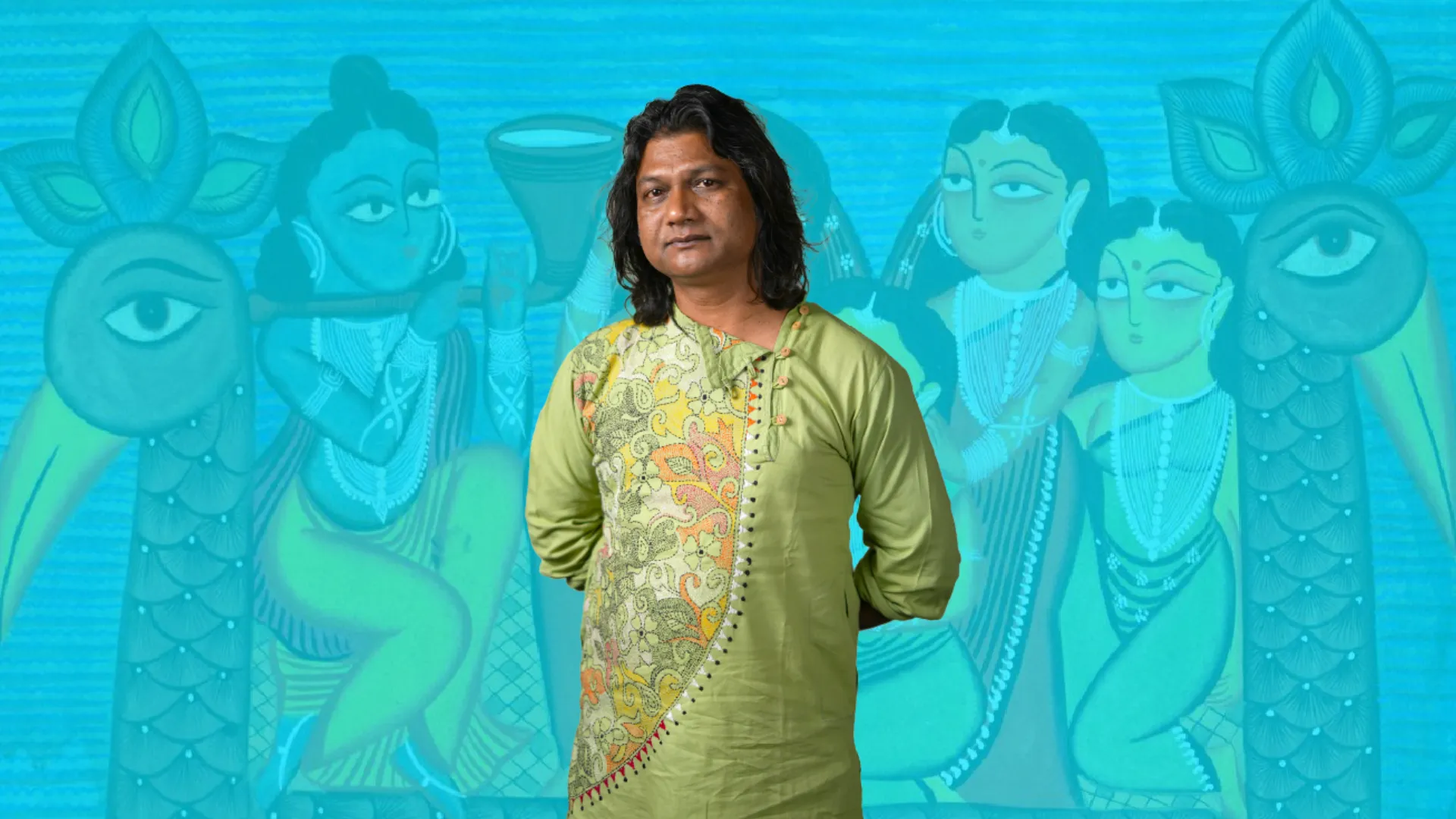
Learn Nautanki
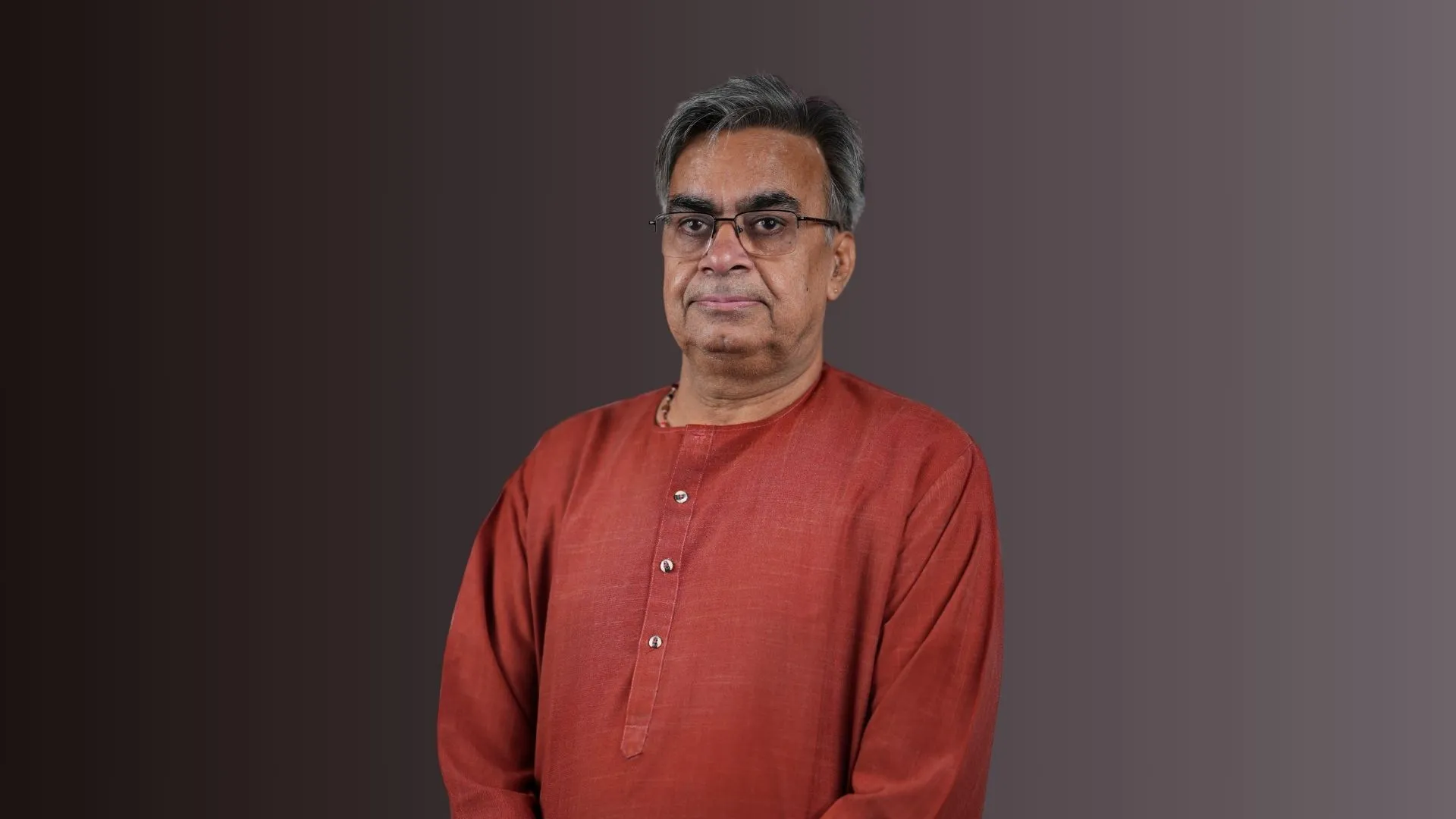
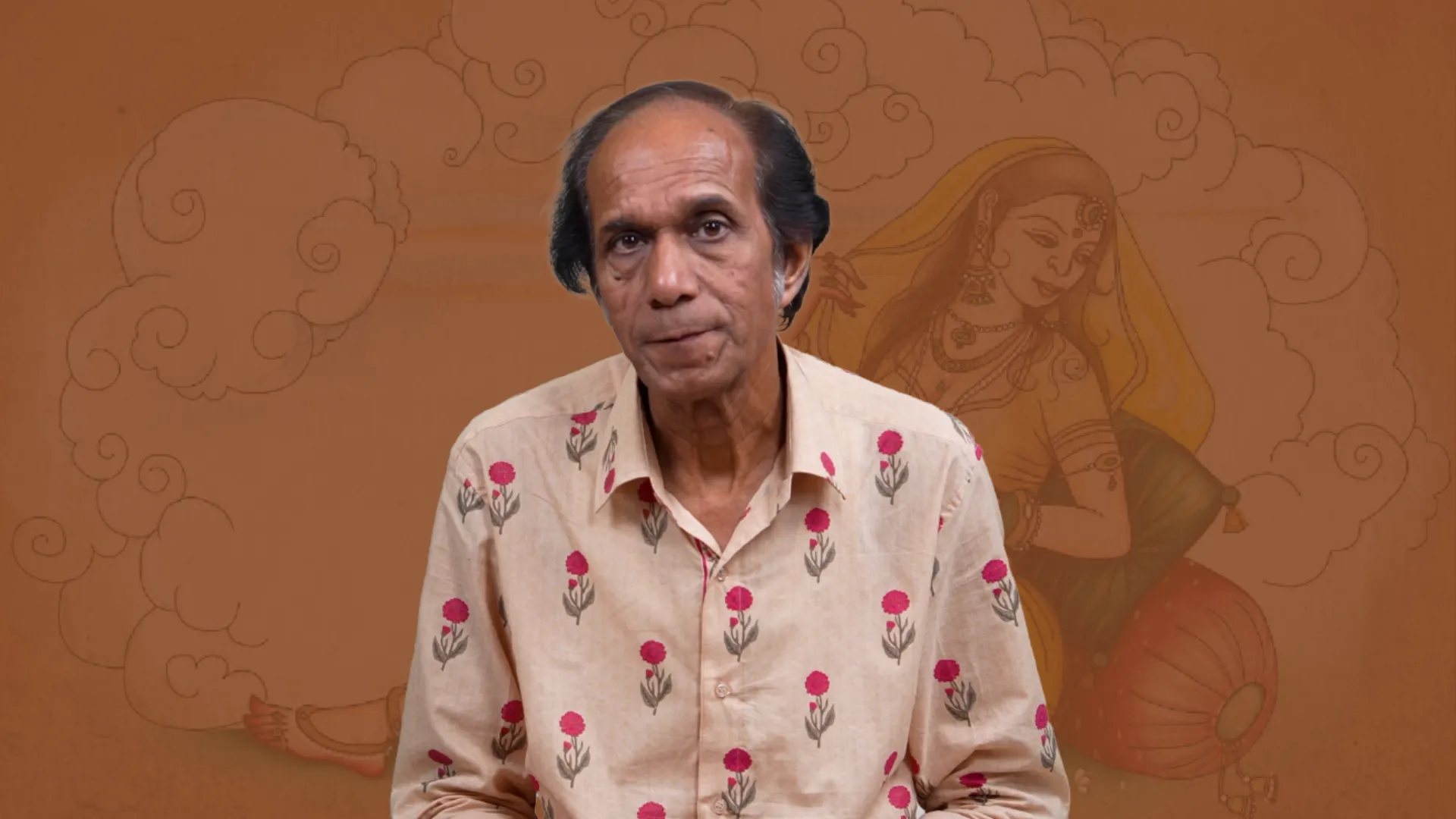
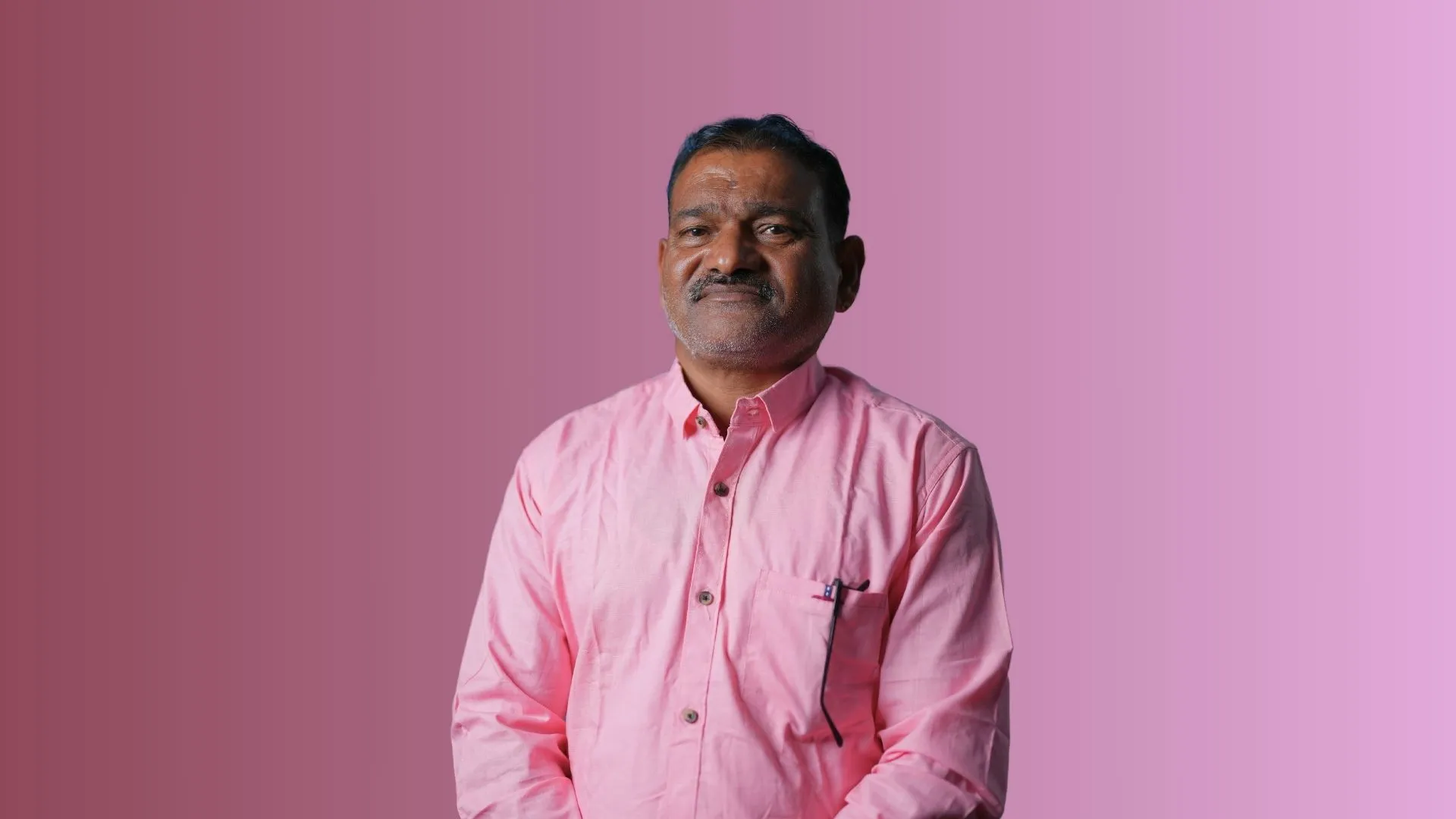
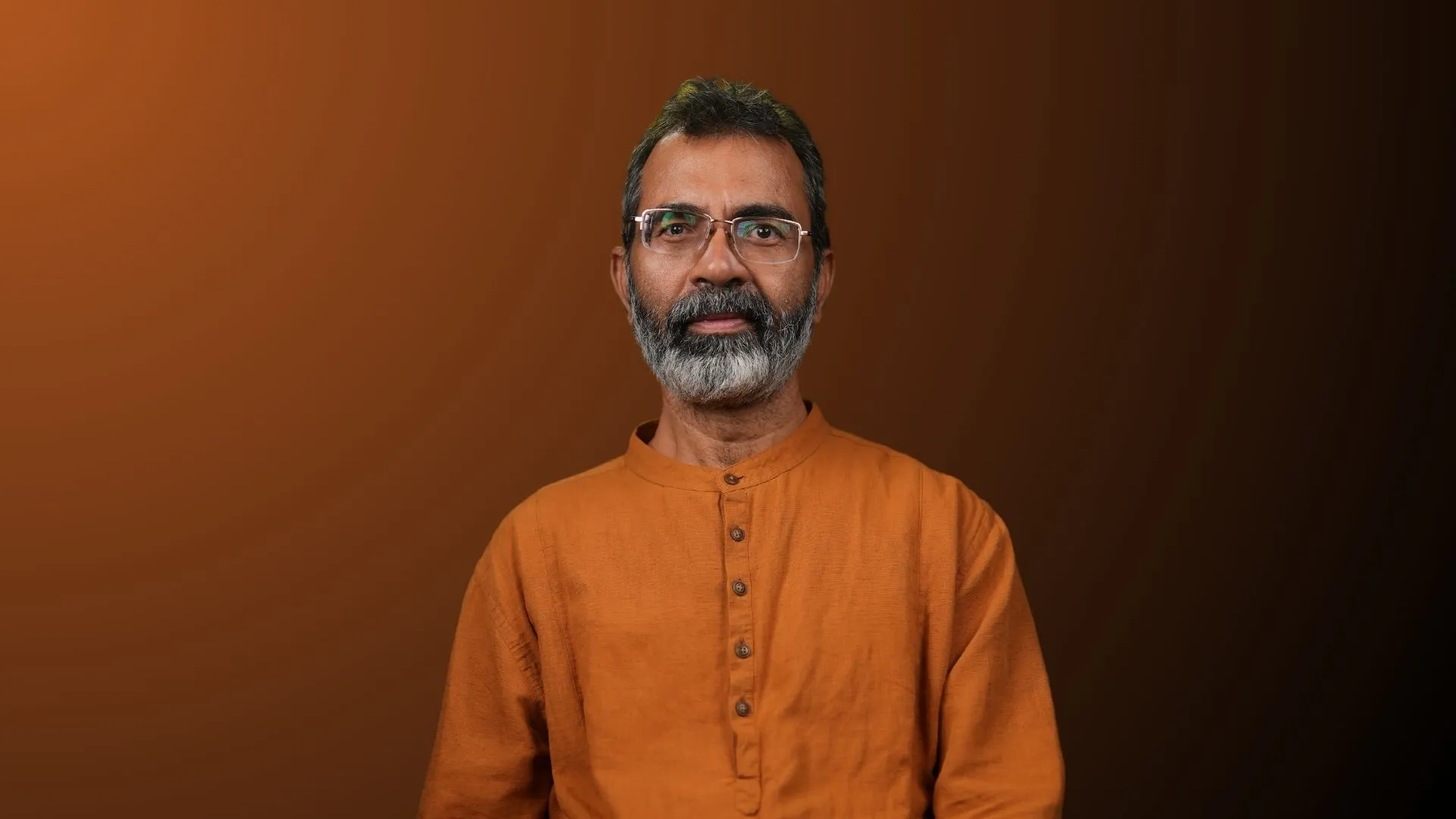
Bibliography
Sources
Agrawal, S. C. “Nautanki: The Popular Theatre Form of North India.” 1976.
Hansen, Kathryn. Grounds for Play: The Nautanki Theatre of North India. University of California Press, 1992.
Mehrotra, Deepti Priya. Gulab Bai: The Queen of Nautanki Theatre. Penguin, 2006.
Salil, Suresh. “Uttar Pradesh ki Loknatya Parampara aur Nautanki.” Loknatya Nautanki: Kuchh Prashn, edited by Rajendra Bahore and Vijay Pandit, Uttar Pradesh Sangeet Natak Akademi, 2000.
Saxena, Krishnamohan. “Nautanki aur Lavani.” Loknatya Nautanki: Kuchh Prashn, edited by Rajendra Bahore and Vijay Pandit, Uttar Pradesh Sangeet Natak Akademi, 2000.
Image Sources
“Nautanki.” Wikipedia, https://en.wikipedia.org/wiki/Nautanki. Accessed 4 July 2026.
“Nautanki.” Indianetzone, https://www.indianetzone.com/history_nautanki. Accessed 4 July 2026.
“Princess Nautanki.” CounterPulse, https://counterpulse.org/princess-nautanki/. Accessed 4 July 2026.
“Shades of Nautanki: North India's Operatic Theatre.” Sahapedia, http://www.sahapedia.org/shades-nautanki-north-indias-operatic-theatre. Accessed 4 July 2026.
“Largest Nautanki Folk Opera in the US to Be Staged by Fresno State Professor Devendra Sharma.” The Collegian, https://fresnostatecah.com/2021/12/02/largest-nautanki-folk-opera-in-the-us-to-be-staged-by-fresno-state-professor-devendra-sharma/. Accessed 4 July 2026.