
Ganjifa: India's Ancient Hand-Painted Card Game Art
Explore the art of Indian handmade card game
Introduction and Origin
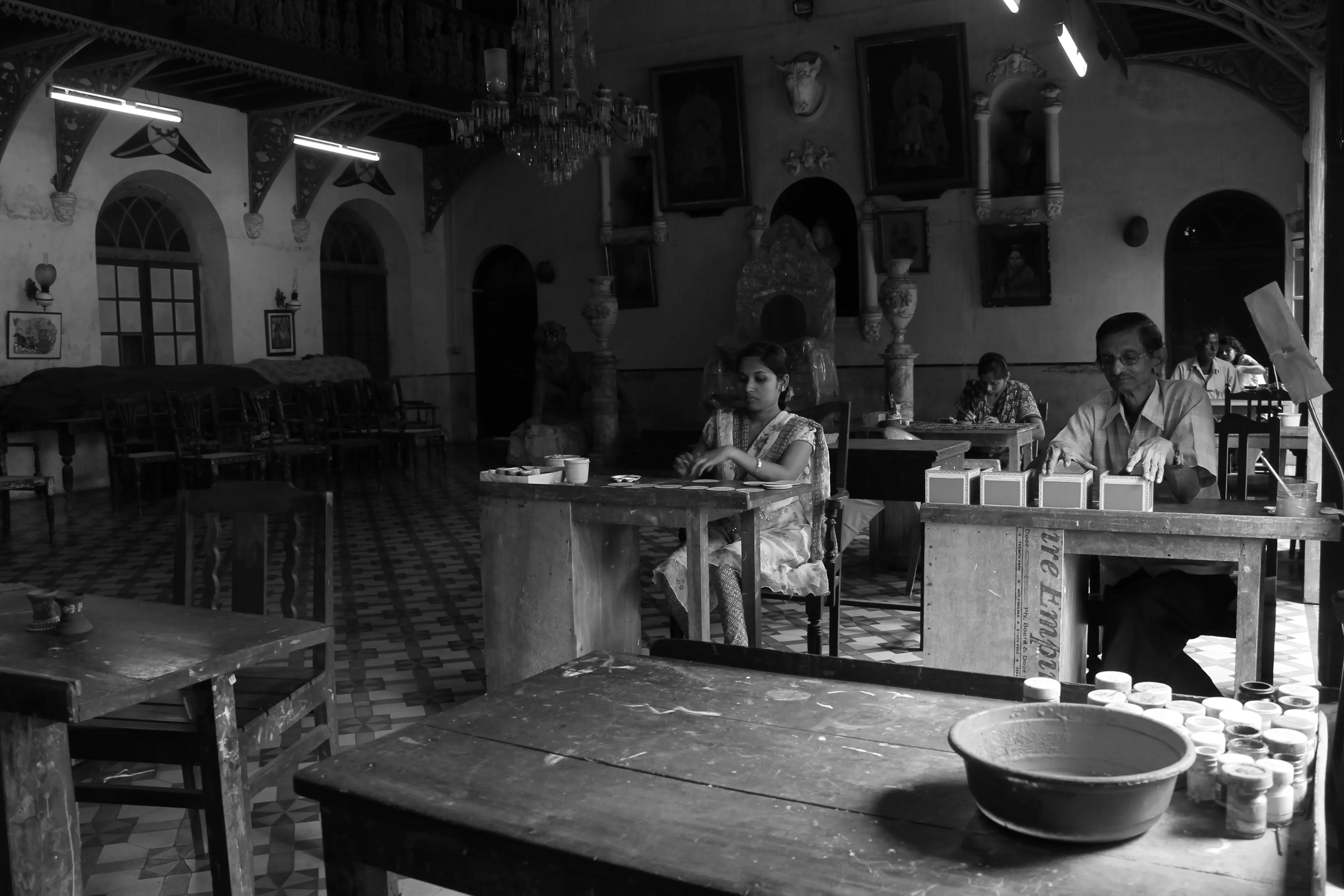
Long before poker or rummy entered Indian homes, there was Ganjifa - a tradition of hand-painted playing cards that once entertained Mughal emperors and Rajput nobles. Each card in a Ganjifa deck is a miniature work of art, circular in shape and layered with intricate figures, symbols, and stories drawn from Hindu mythology and court life. This Indian folk art tradition nearly vanished with the arrival of machine-printed cards, but dedicated artisans in Maharashtra, Karnataka, and Odisha are keeping it alive today.
What Is Ganjifa?
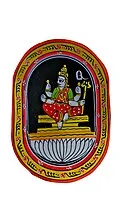
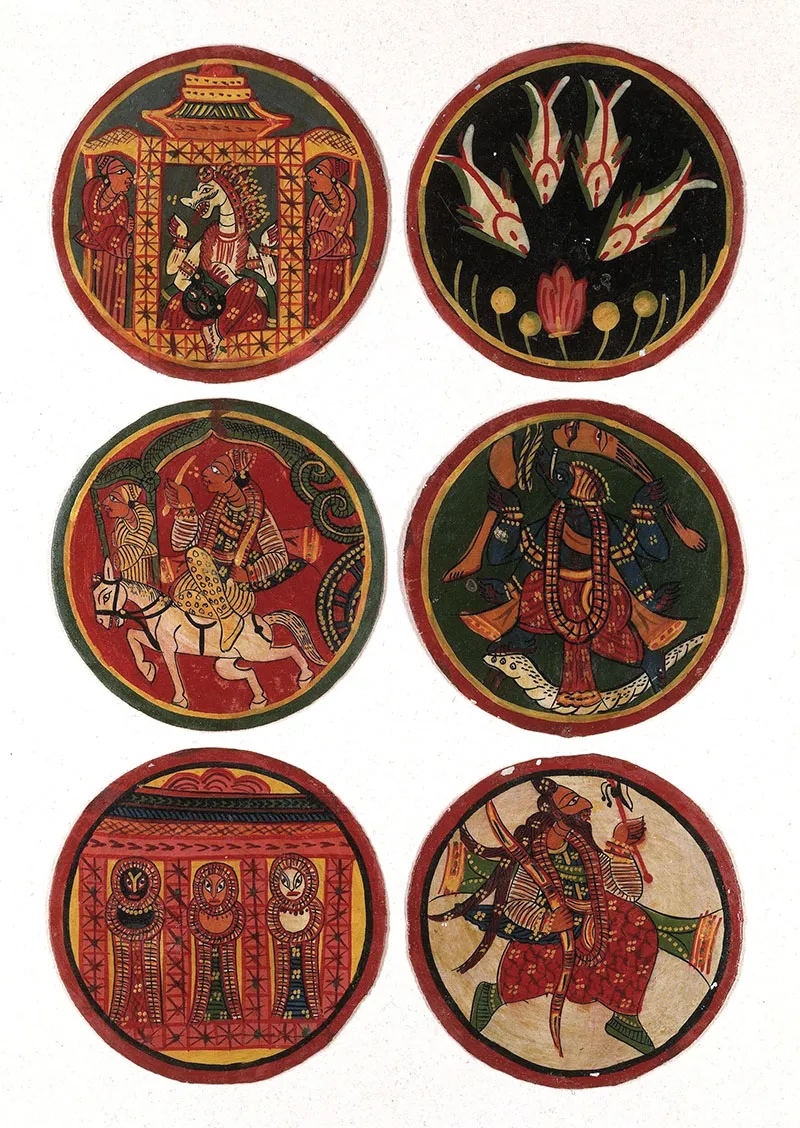
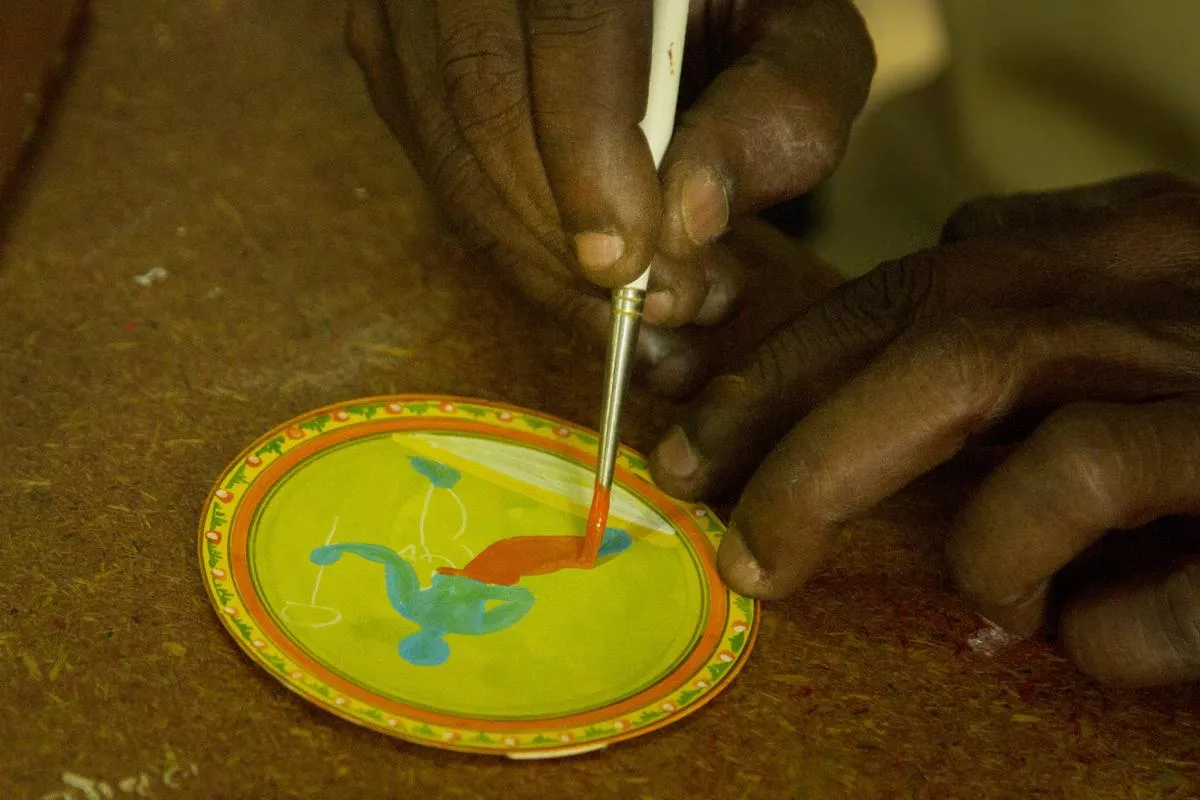
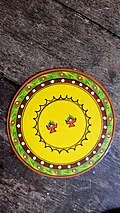
Ganjifa refers to India's traditional circular hand-painted playing cards, historically made from materials such as ivory, mother of pearl, tortoiseshell, lacquered cloth, and paper mache. The word itself derives from the Persian Ganj, meaning money or treasure, or from Ganjifeh, the Persian term for playing cards. Each card is hand-painted with a unique design using pigments made from vegetables and minerals, applied with fine squirrel-hair paintbrushes. A standard Ganjifa deck contains 96 or 106 cards, far larger than the 52-card decks used today. The cards were traditionally made in two styles: Darbar kalam, the royal style using premium materials like precious metals, gems, and lac wafers, and Bazar kalam, the common style made from cardboard, starched cloth, fish scales, and paper mache. Cards typically measure 2 to 12 centimetres in diameter, and the boxes they were stored in were decorated in matching designs.
History and Origin
The roots of Ganjifa lie in Persia, where the card game tradition was already known before it fell into disuse. When the Mughals migrated from Persia to India, they brought the game with them, and it found new life at the royal courts. In India, the game was initially called Kreeda Patra, and it took root most strongly in Mysore city of Karnataka. Under Mughal rule, the game thrived across the subcontinent, painted and played for the entertainment of royalty, ministers, and their allies. Ganjifa was produced in many regions - Sawantwadi in Maharashtra became known for Sawantwadi-Ganjifa, Bishnupur in Bengal for Bengal-Ganjifa or Dashavatar tash, Mysore for Mysooru-Ganjifa, and Odisha for Odisha-Ganjifa. The arrival of the British changed everything: machine-printed cards like poker decks were cheaper and faster to produce, and the painstaking hand-painted tradition largely disappeared. In contemporary times, Mysooru-Ganjifa has revived the craft by incorporating hand-painted figures and scenarios from Hindu epics onto the cards.
Key Features and Famous Artists
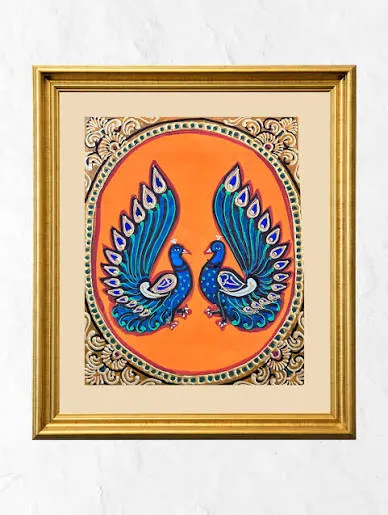
Key Features and Visual Style Ganjifa cards are immediately recognisable by their circular format and the density of painted imagery on each card. Two distinct production styles - one for royalty, one for common use - resulted in a wide range of materials and quality levels within the same tradition. The miniaturesque style of painting, with its fine linework and rich detailing, connects Ganjifa closely to the broader world of Indian miniature art.
Shape and size: cards are circular, typically 2 to 12 centimetres in diameter, though rectangular formats were also produced for premium packs.
Materials for Darbar kalam: ivory, mother of pearl, precious metals, gems, lac wafers, and tortoiseshell were used for cards made exclusively for rulers and noblemen.
Materials for Bazar kalam: cardboard pieces, starched cloth, leather, paper, fish scales, and paper mache were used for cards made for common use.
Motifs and figures: rulers, acrobats, warriors, hunters, musicians, animals, birds, and elephants appear frequently; elephant imagery was the most commonly painted design.
Pigments and tools: natural colours derived from vegetables and minerals were used, applied with fine natural squirrel-hair paintbrushes for detailed linework.
Packaging: the boxes used to store Ganjifa cards were painted in designs that matched the cards themselves, treating the entire set as a unified artistic object.
Famous Artists of Ganjifa
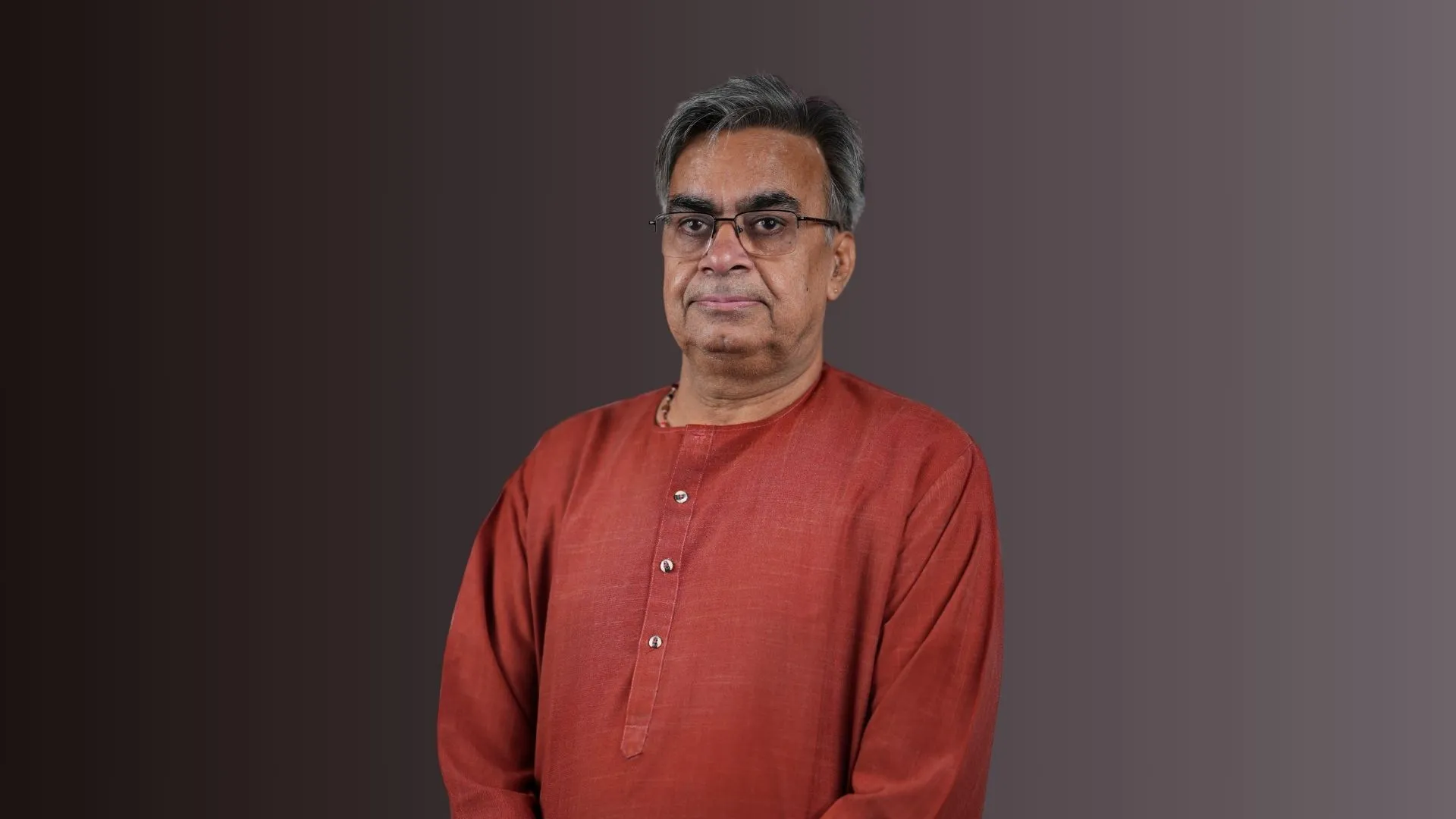
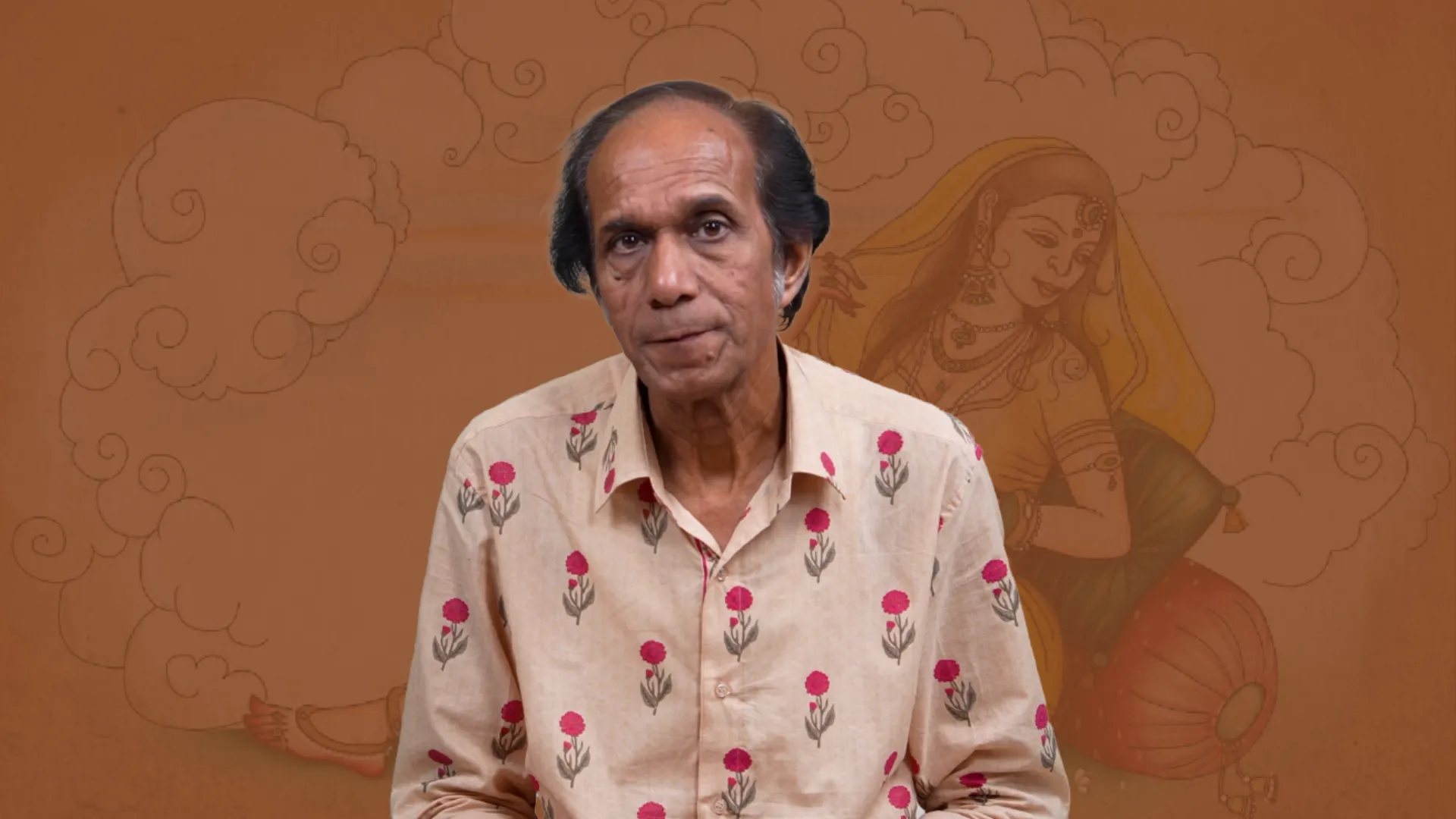
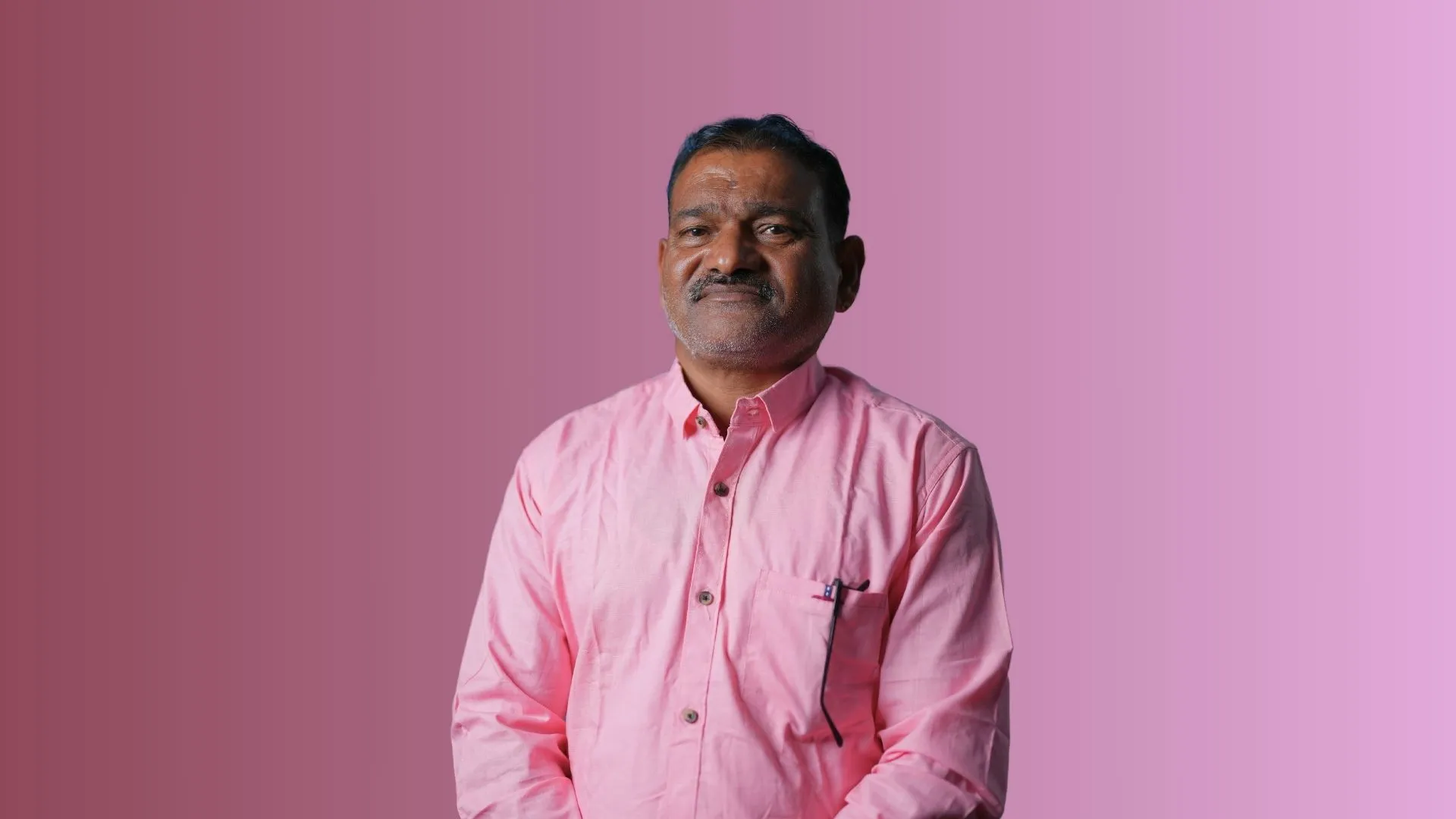
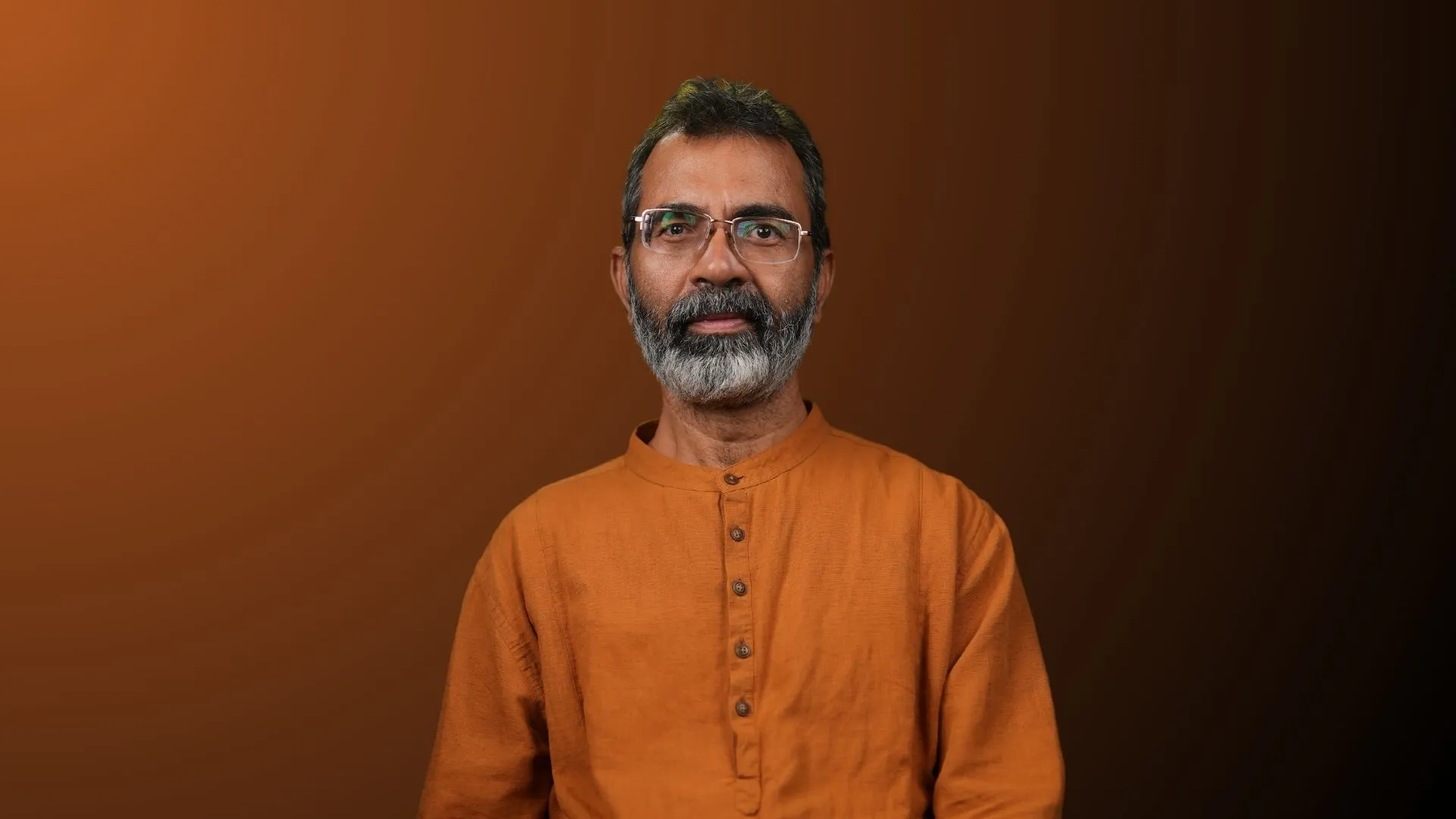
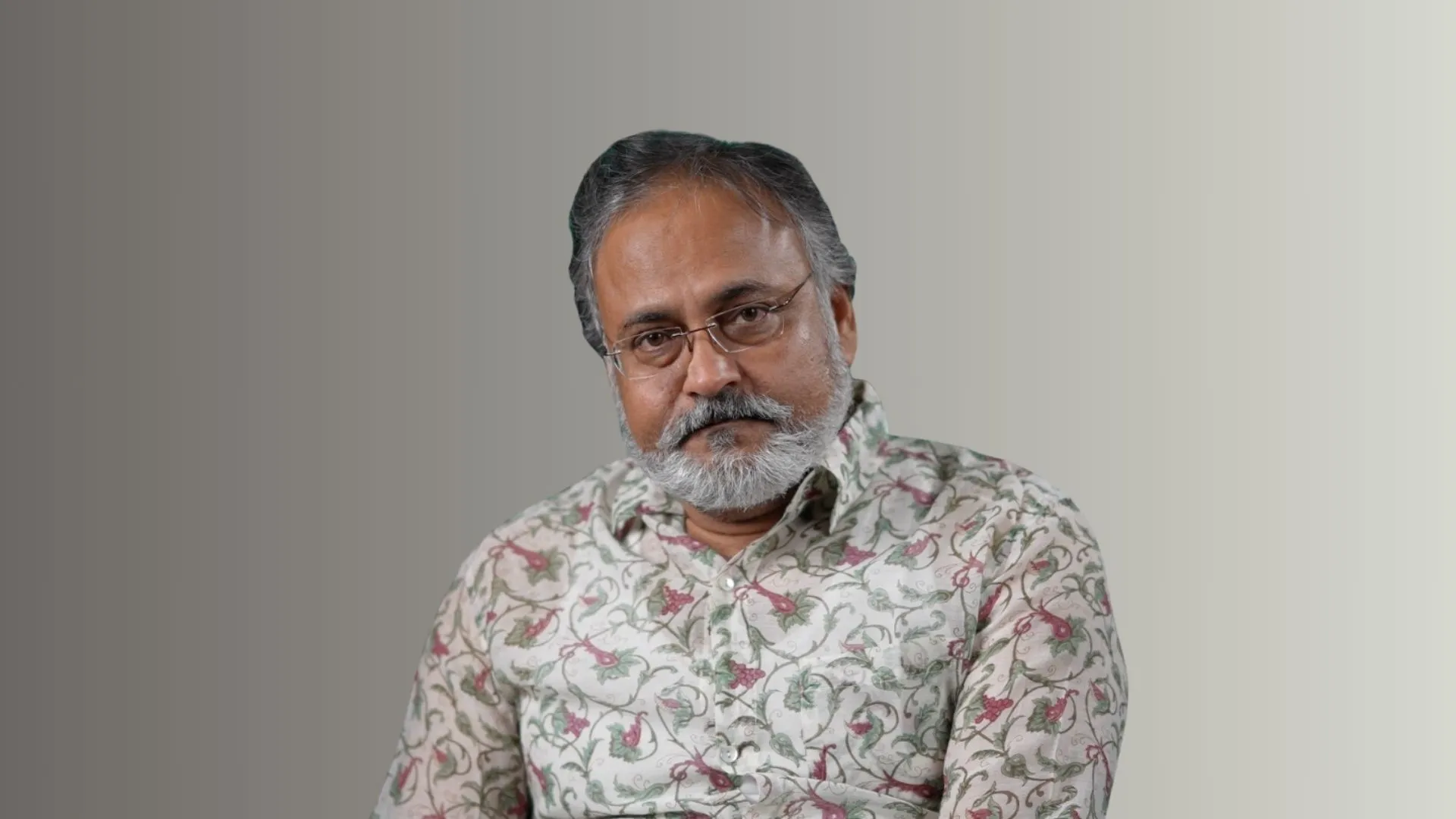
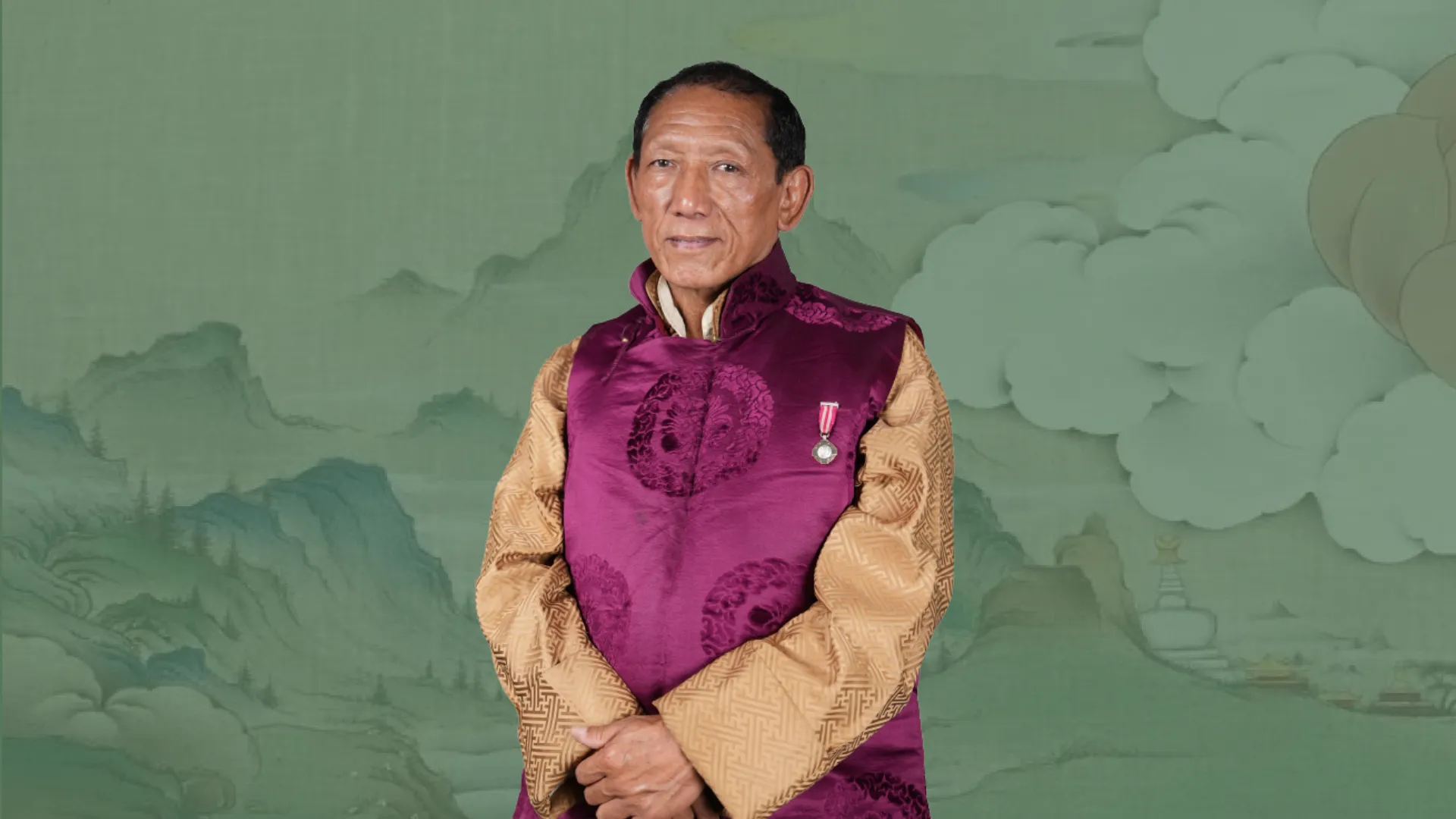
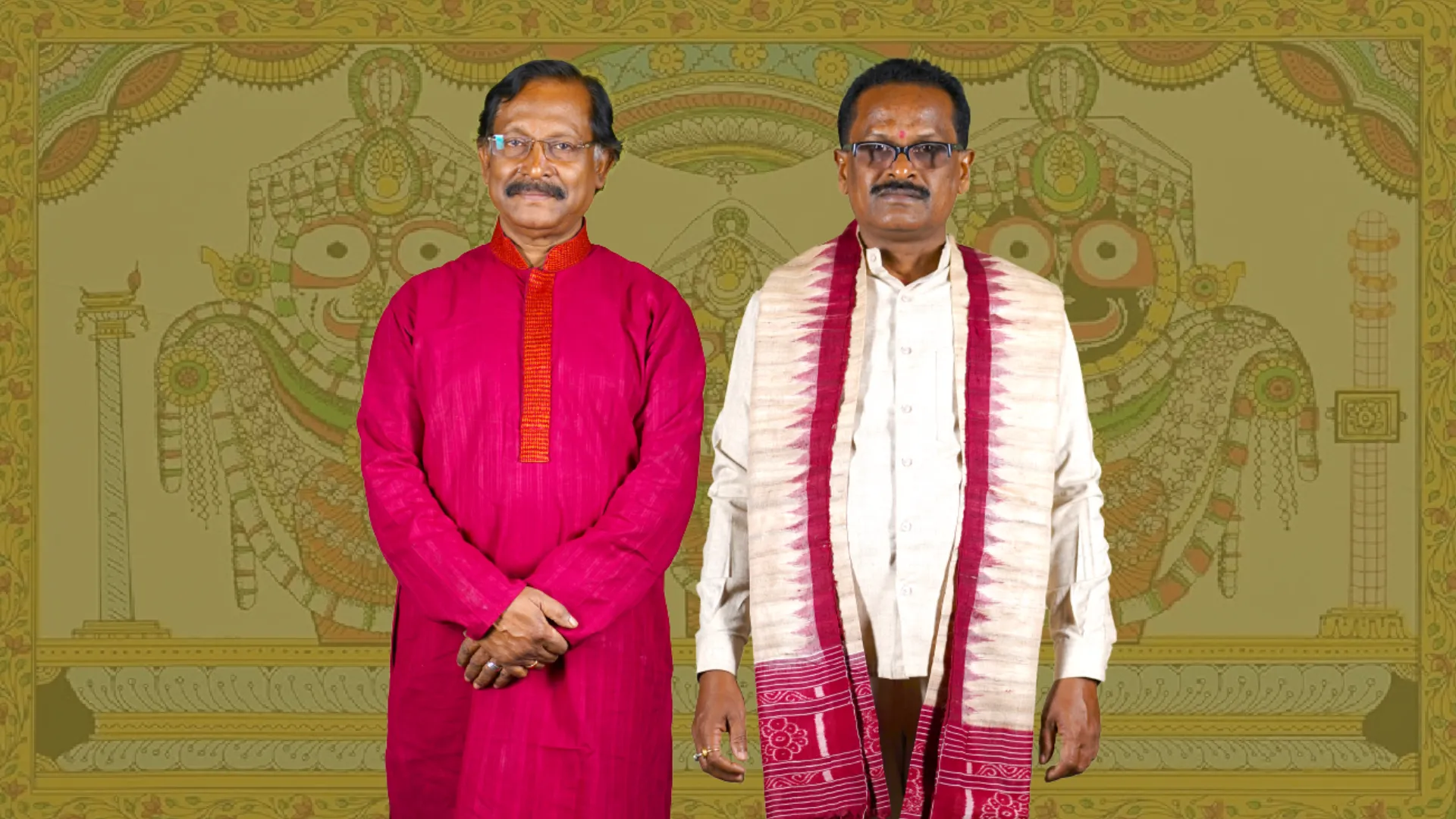
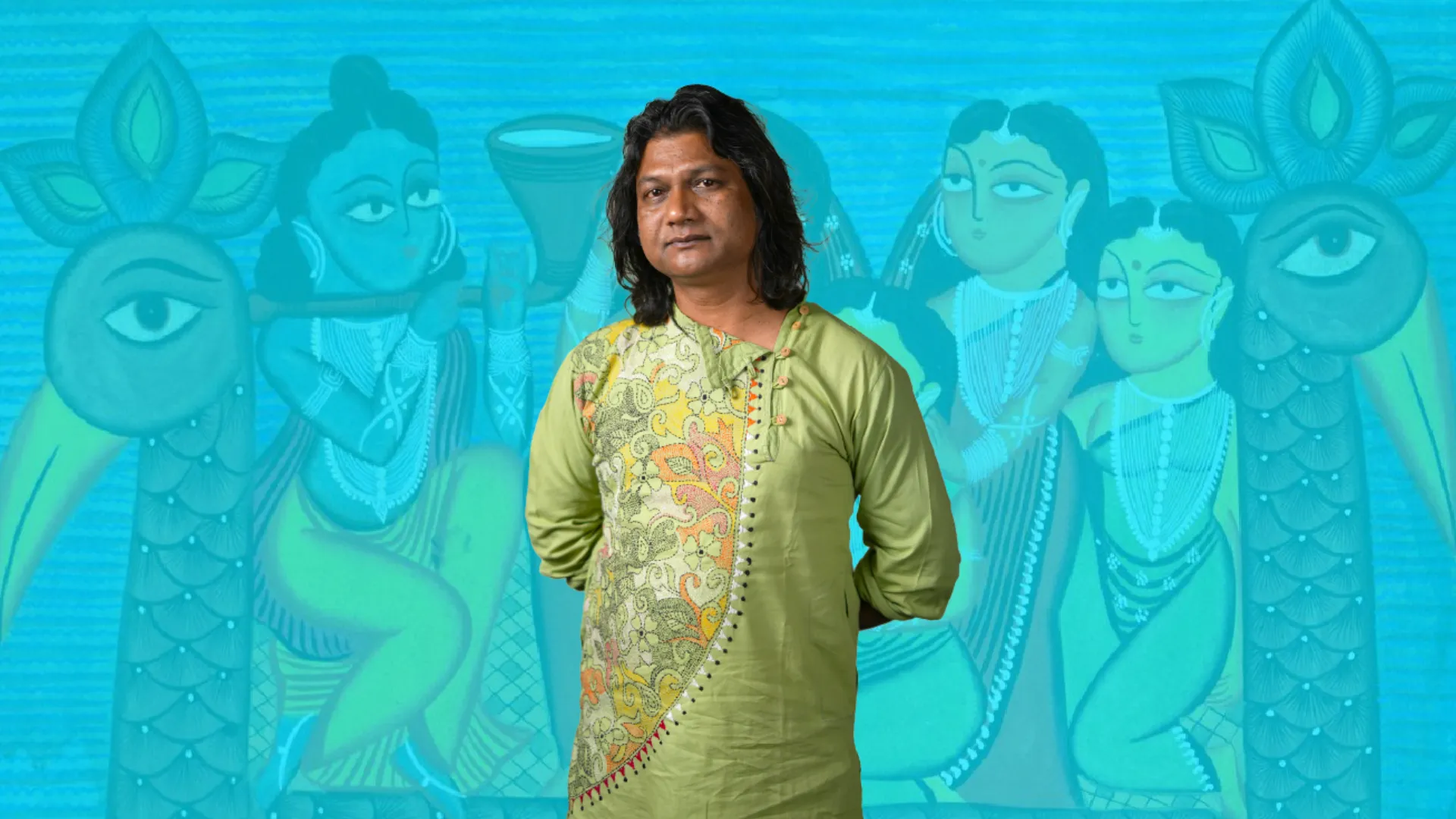
The survival of Ganjifa as a living art form depends on a small number of master artists who have dedicated their practice to preserving and teaching this tradition. Two active patronage centres - the Sawantwadi Palace in Maharashtra and the Mysooru-Ganjifa community in Mysore - are the primary institutions working to revive the craft.
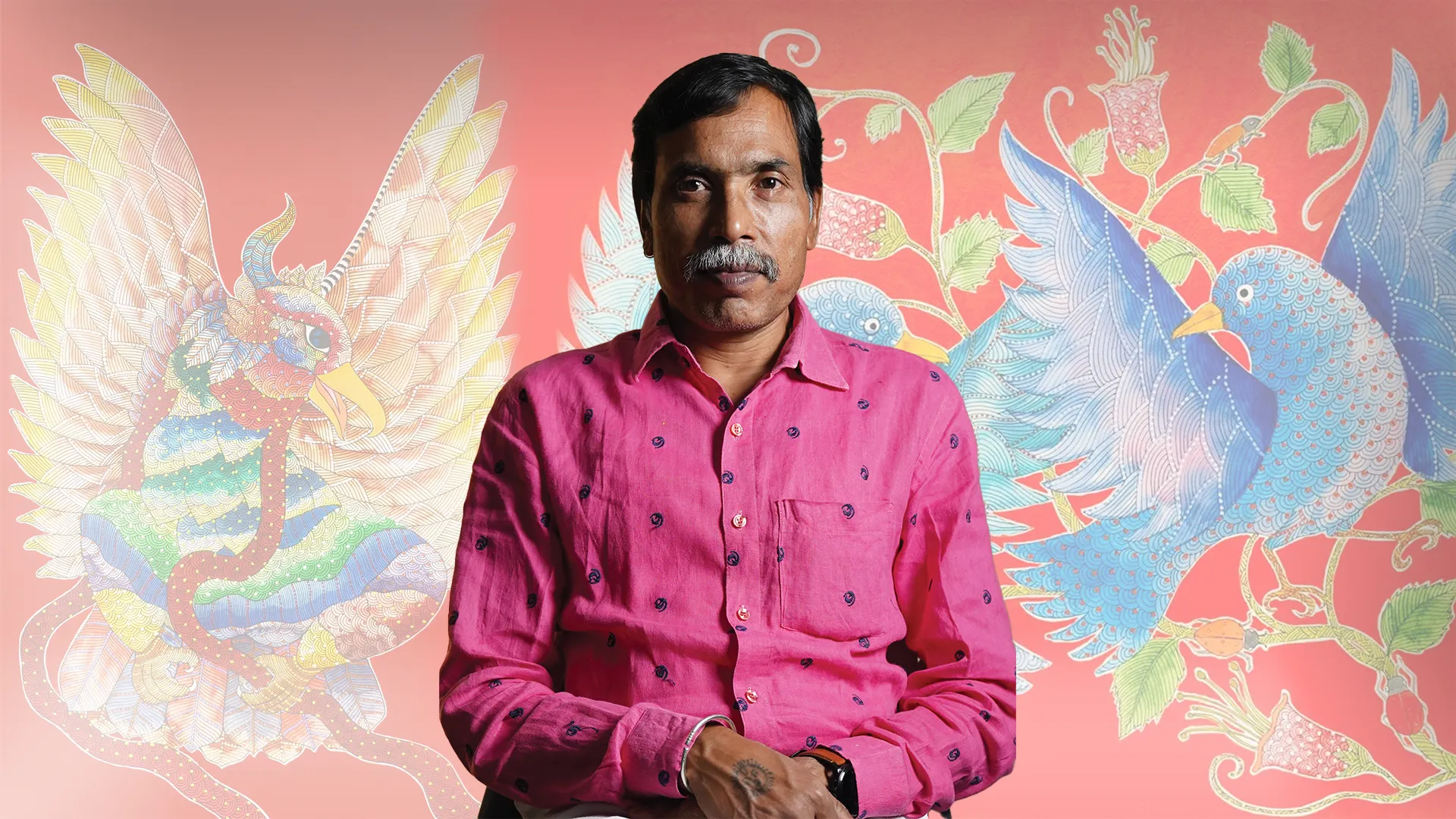
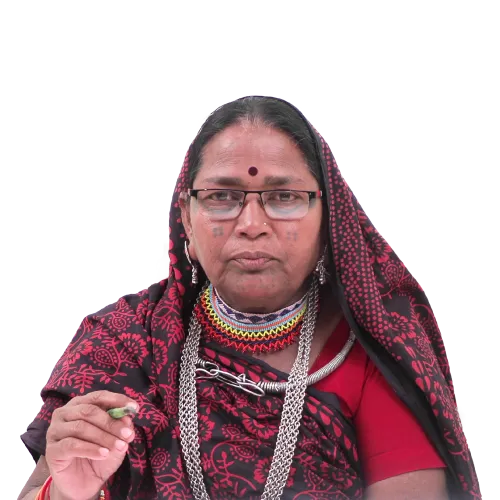
Prabhakar Aatram from Sawantwadi, Maharashtra, is one of the foremost practitioners of Sawantwadi-Ganjifa. His work focuses on both producing traditional circular card sets and applying Ganjifa designs to contemporary products, bringing the art to new audiences while maintaining its visual vocabulary.
Krishnaraj Urs from Mysore, Karnataka, has been associated with the revival of Mysooru-Ganjifa, working to reintroduce hand-painted cards featuring scenes from Hindu epics such as the Ramayana and Mahabharata. His work draws directly from the
Darbar kalam tradition, using fine mineral pigments on prepared surfaces. Jadu Patua from the Bishnupur region of West Bengal is known for Bengal-Ganjifa work, which includes both the Dashavatar tash style - depicting the ten avatars of Vishnu - and adaptations of the form for narrative storytelling across the card deck.
How to Learn Ganjifa
If you want to learn Ganjifa or explore the Indian miniature painting traditions it connects to, Rooftop's online courses offer a strong starting point. The platform features courses taught by master artists working in related miniature and folk traditions from across India. You can explore the full Art Wiki to understand how Ganjifa sits alongside other regional Indian art forms, and browse the artists directory to connect with practitioners of these living traditions.
Where to See and Buy Ganjifa
Authentic Ganjifa cards and Ganjifa-inspired products can be found at the Sawantwadi Palace craft centre in Maharashtra and at Mysooru-Ganjifa workshops in Mysore, Karnataka. Museum collections in Varanasi's Bharat Kala Bhavan and the Victoria and Albert Museum in London hold significant historical Ganjifa holdings. For those wanting to own original works rooted in Indian folk art traditions, Rooftop's shop carries authentic pieces from master artists across India. You can also browse Rooftop experiences for hands-on encounters with related traditional Indian card and miniature painting forms.
Learn Ganjifa
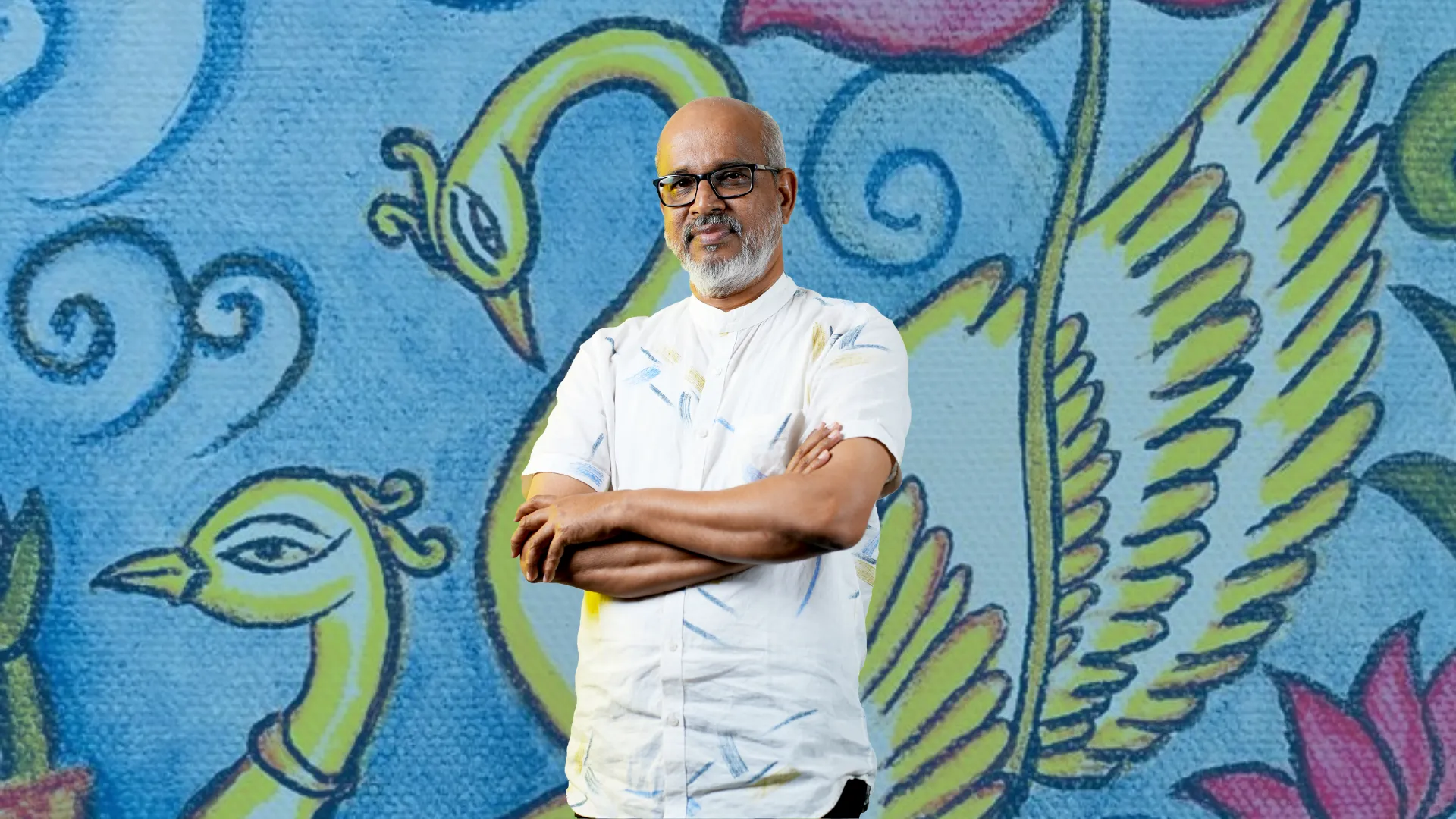
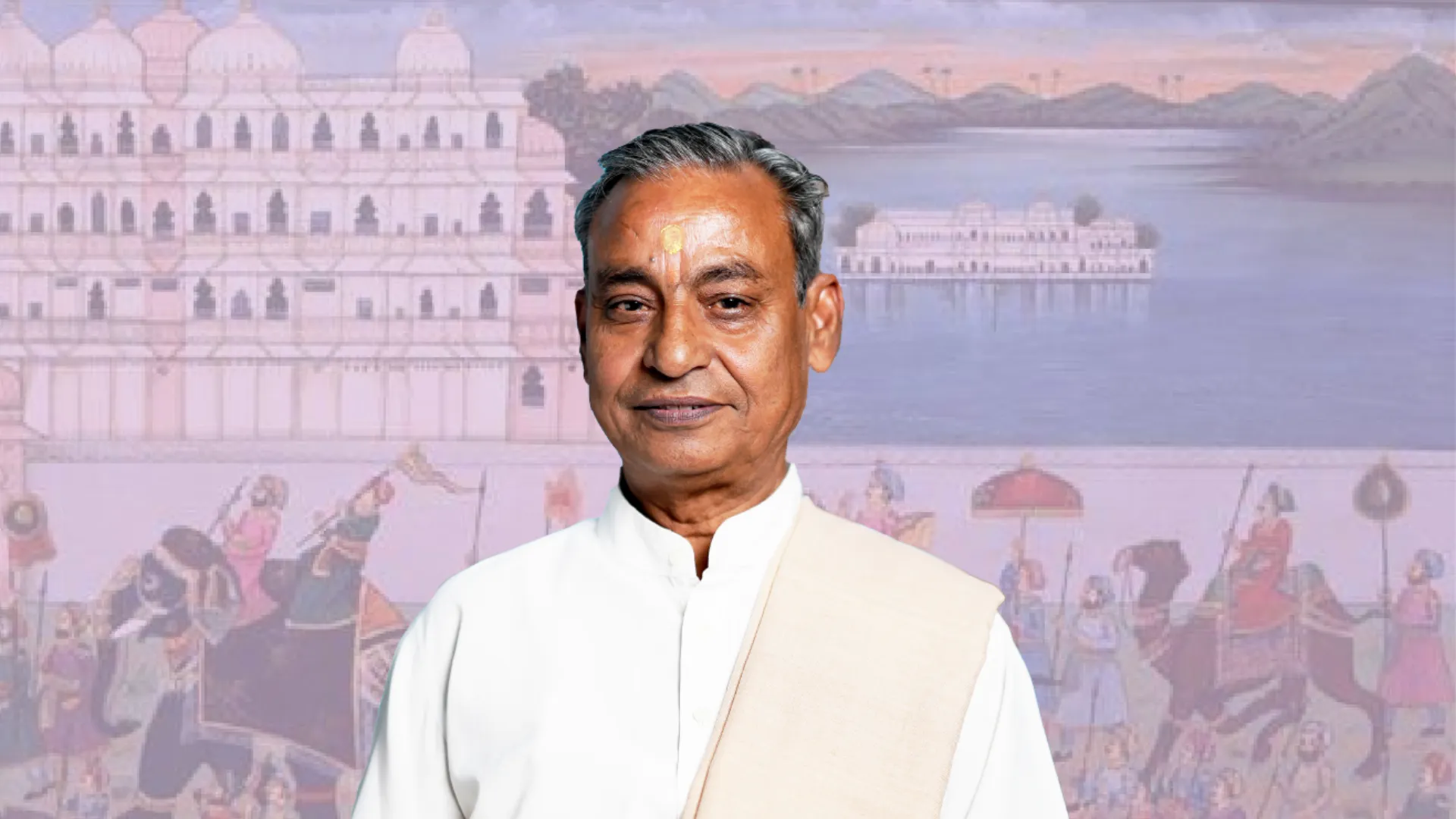
Frequently Asked Questions
What is Ganjifa and where does it come from?
Ganjifa refers to India's traditional hand-painted circular playing cards, originating from Persia and brought to India during the Mughal period. The word derives from the Persian Ganj (meaning treasure) or Ganjifeh (playing cards). In India, the game was initially called Kreeda Patra and took strongest root in Mysore, Karnataka, before spreading across Mughal-era courts and regional kingdoms.
Which states in India still practise Ganjifa?
Ganjifa is primarily kept alive today in Sawantwadi in Maharashtra (Sawantwadi-Ganjifa) and in Mysore in Karnataka (Mysooru-Ganjifa). Historical production also took place in Bishnupur in West Bengal, where it was called Bengal-Ganjifa or Dashavatar tash, and in Odisha, known for Odisha-Ganjifa. Sawantwadi Palace is one of only two active patronage centres currently working to revive the full craft and production practice.
What materials are used to make Ganjifa cards?
Traditional Ganjifa cards were made from ivory, mother of pearl, tortoiseshell, lacquered cloth, and paper mache, depending on whether they were being made for royal or common use. The Darbar kalam style used precious materials including gems and lac wafers, while the Bazar kalam style relied on cardboard, starched cloth, and fish scales. Pigments were derived from vegetables and minerals, and fine squirrel-hair brushes were used for the detailed hand-painting.
How many cards are in a Ganjifa deck?
A traditional Ganjifa deck contains either 96 or 106 cards, significantly larger than the 52-card decks in use today. Each card is hand-painted with a unique and individual design, which makes producing a complete deck an extremely time-consuming process. The cards were packaged in decorated boxes whose painted designs matched the cards inside.
Why did Ganjifa nearly disappear as an art form?
The arrival of British rule in India brought machine-printed card games such as poker, which were far cheaper and faster to produce than hand-painted Ganjifa decks. The shift made the laborious hand-painting process economically unviable for most artisans, and the tradition fell into decline across most of its former production centres. Only two active patronage centres, Sawantwadi Palace in Maharashtra and the Mysooru-Ganjifa community in Mysore, have continued working to revive this traditional Indian card art.
Can I learn traditional Indian card art like Ganjifa online?
While a dedicated Ganjifa course is not yet available, Rooftop's courses offer deep instruction in related Indian miniature and folk painting traditions taught by master artists. These courses cover techniques, pigments, and visual styles closely connected to the Ganjifa tradition. Exploring the Rooftop Art Wiki is also a strong starting point for understanding where Ganjifa sits within India's broader folk and classical art landscape.
Ganjifa is more than a card game - it is a record of Indian court culture, Persian heritage, and the extraordinary skill of artisans who turned everyday objects into works of art. Supporting this tradition today means helping keep one of India's most unusual folk art forms alive for future generations. Explore Indian folk art courses on Rooftop and begin your journey into the living traditions that connect India's artistic past to its present.
Bibliography
Sources
Chopra, S. (1999). Ganjifa: the playing cards of India in Bharat Kala Bhavan. Varanasi: Bharat Kala Bhavan, Banaras Hindu University.
Rudolf Von Leyden, Dummett, M. and And, V. (1982). Ganjifa: the playing cards of India: a general survey, with a catalogue of the Victoria and Albert Museum collection. London: The Museum.
Image Sources
"Dashavatara Ganjifa." MAP Academy, https://imp-art.org/articles/dashavatara-ganjifa/. Accessed 21 July 2026.
"Exclusive Ganjifa Art Framed Painting – Peacocks." The India Craft House, https://theindiacrafthouse.com/products/exclusive-ganjifa-art-framed-painting-peacocks-negp33. Accessed 21 July 2026.
"Ganjifa." Wikimedia Commons, https://commons.wikimedia.org/wiki/Category:Ganjifa. Accessed 21 July 2026.
"Ganjifa Cards – Sawantwadi: Making Process." D'Source Digital Online Learning Environment for Design, https://dsource.in/resource/ganjifa-cards-sawantwadi/making-process. Accessed 21 July 2026.
"Ganjifa in Making." Wikimedia Commons, https://commons.wikimedia.org/wiki/File:Ganjifa_in_making.jpg. Accessed 21 July 2026.