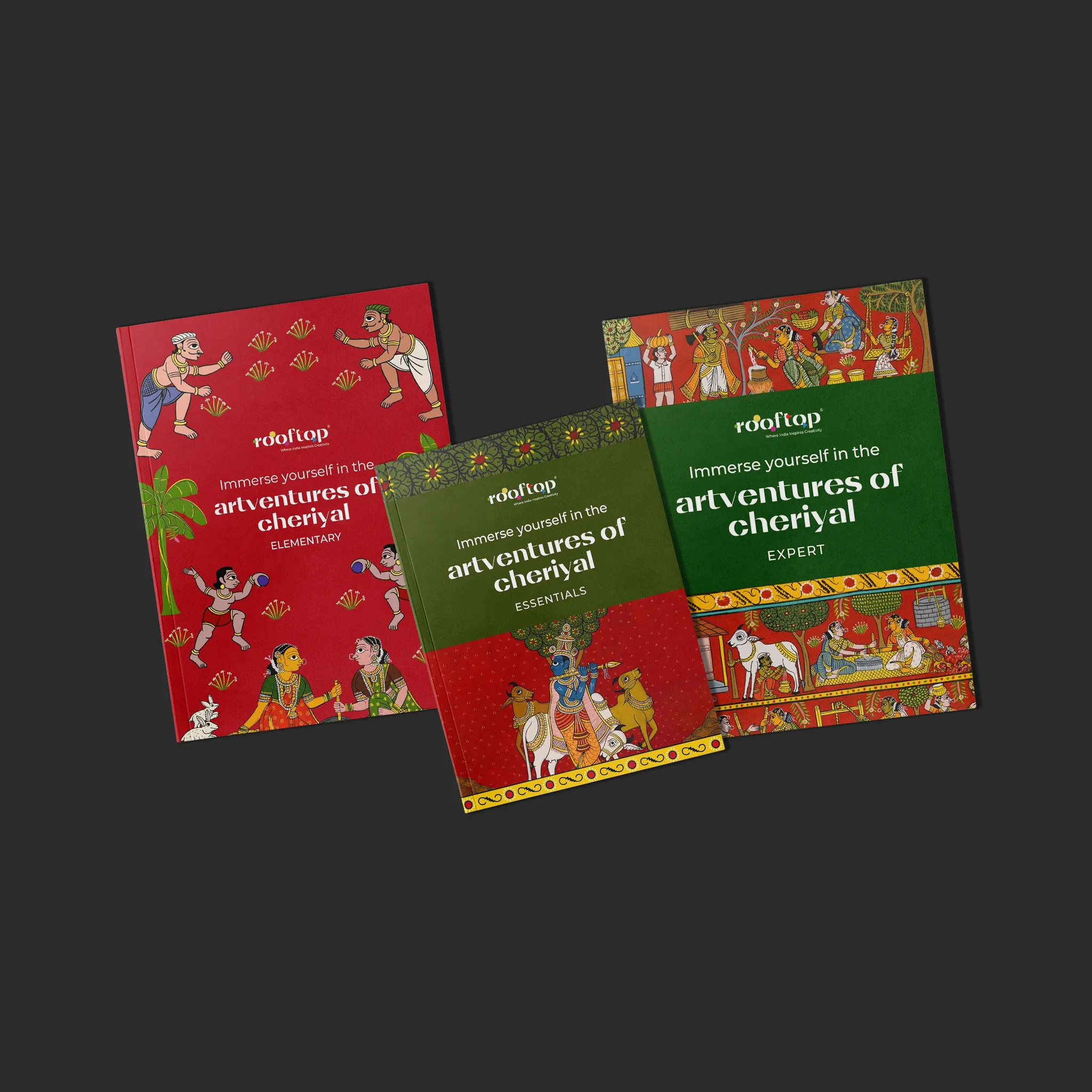
Artventures of Cheriyal - Essentials
$ 29


Explore the beauty of the traditional Cheriyal Paintings.
In a small town about 100 km from Hyderabad, a group of artists known as the Nakashis have been painting the same stories for generations. Cheriyal painting is a scroll-based narrative art from Telangana that uses bold outlines, a deep red background, and scenes drawn from Indian mythology to tell stories to common people. Today, as this tradition adapts to modern demand, it remains one of the most visually striking and culturally rooted forms of Indian folk art still being actively practised.
What Is Cheriyal Painting?
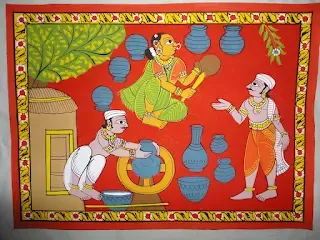
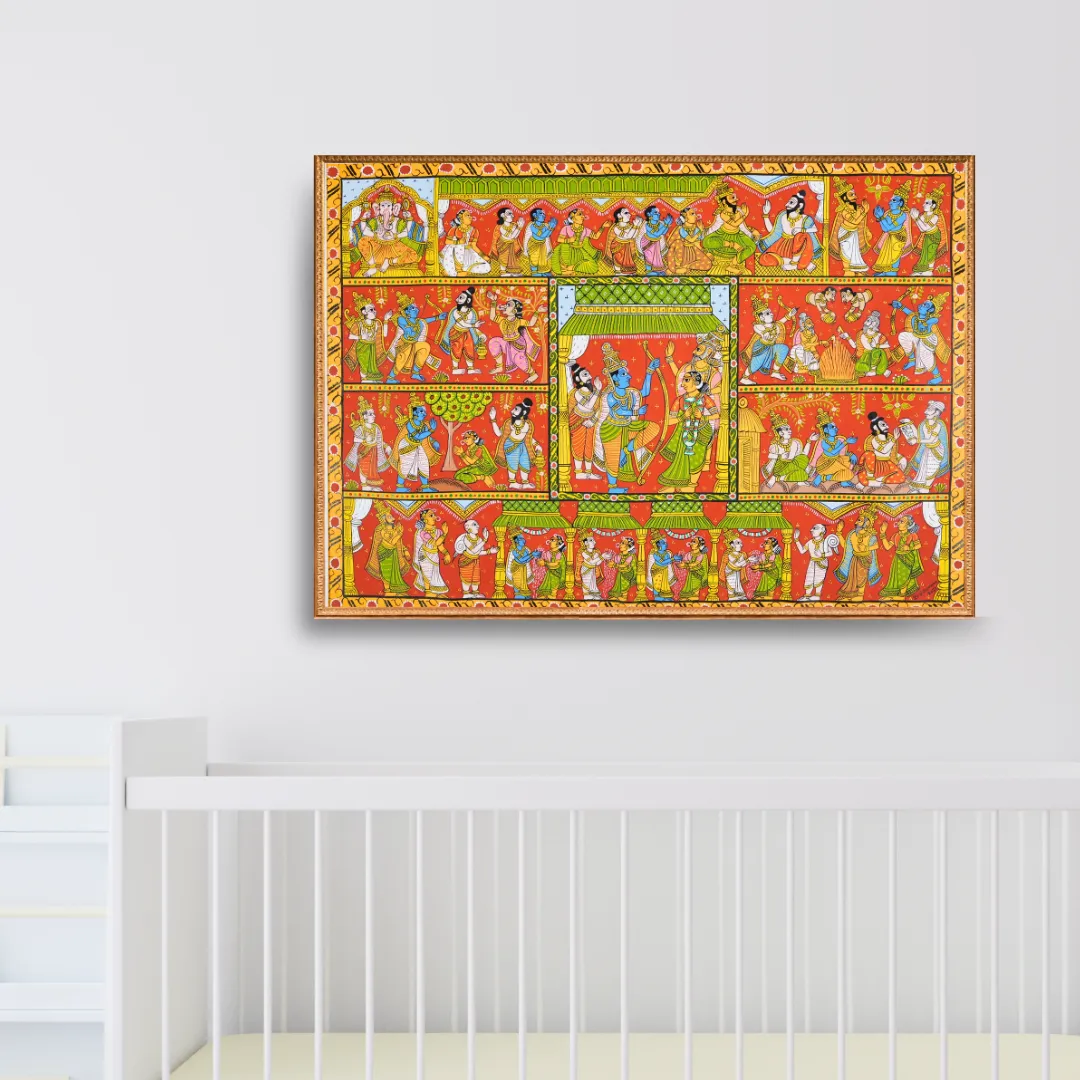
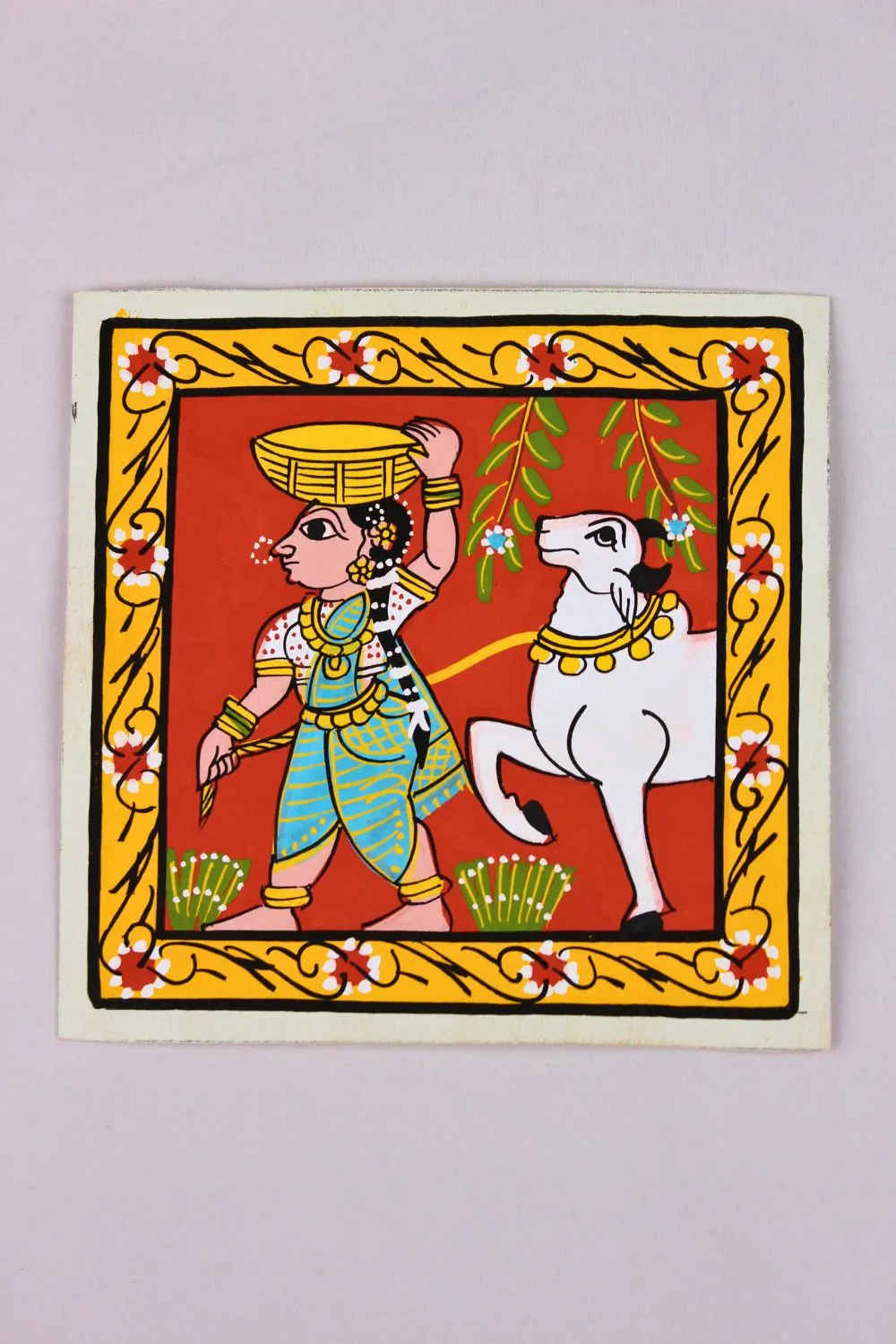
Cheriyal painting, also referred to as Cheriyal art, is a traditional scroll art form from the Cheriyal village in the Warangal district of Telangana. It is a stylised form of the older Nakashi painting tradition, which was brought back to the region by the Mughals in the 16th century. The paintings are made on khadi cotton cloth coated with a base paste of cooked rice starch, white clay, gum, and boiled tamarind seed paste. Natural pigments ground into thick paste with water are applied using brushes made from squirrel hair. Each painting is set against a rich red background and depicts scenes from mythological epics, the daily lives of communities like fishermen and cobblers, and episodes of courtly life. A simple floral border frames every composition, adding a finished quality to each work.
History and Origin of Cheriyal Scroll Painting
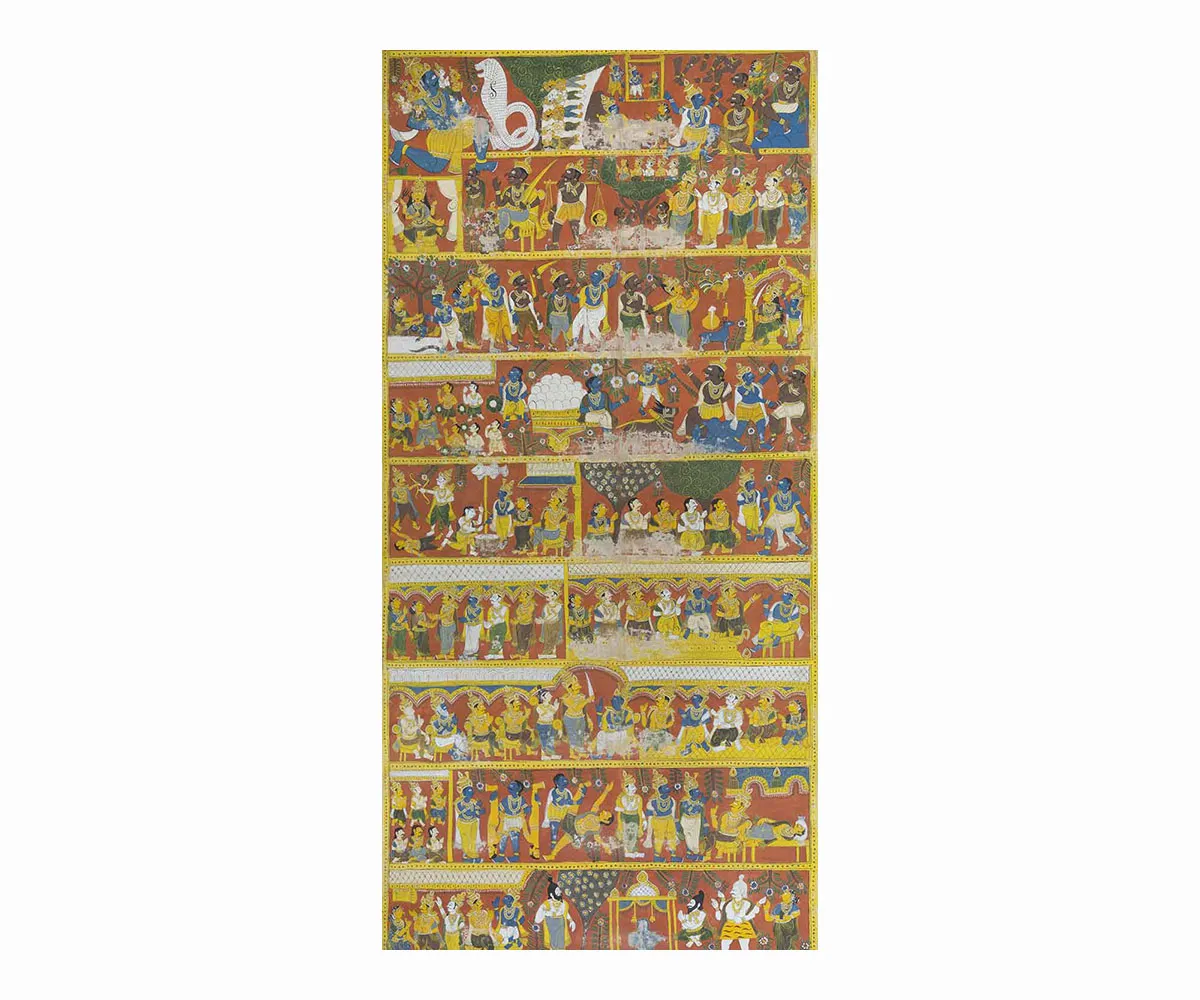
The name Cheriyal comes from the village of Cheriyal in Telangana, and during the reign of the Nizams, this art was referred to as naqash, a word meaning to draw or sketch. The art form is approximately 400 years old and evolved as a stylised version of the Nakashi tradition that arrived with Mughal influence in the 16th century. Historically, Cheriyal scrolls served as visual backdrops for professional storytellers called Kakin Padagollu, who would travel from village to village performing oral narratives for different patron communities. Each narrator community related stories from their Jati Purana, their caste-based origin myths. During the Nizam period, Nakashi painters were also employed to document court hearings and themes of courtly life. Although the art was once popular across Andhra Pradesh and surrounding regions, today it is primarily produced in Hyderabad, Telangana.
Key Features and Visual Style
Cheriyal paintings are immediately recognisable by their bold, confident compositions and consistent visual language. Several elements distinguish them from other Indian scroll traditions.
The background is painted in a rich, deep red tone that makes the figures stand out with striking contrast against the picture plane.
Outlines are drawn directly on the cloth with a brush - not pencil or chalk - and then filled in with natural pigments made from mineral stones, plants, and charcoal mixed with water.
Motifs include architectural elements, birds, flora, fauna, and ritual scenes that document the daily lives and environments of communities such as fishermen, toddy tappers, and fruit gatherers.
A decorative floral border appears on every painting, framing the narrative scenes and giving the composition a structured, finished quality.
Beyond paintings, Cheriyal craftsmen also make unique masks from tamarind seed paste and sawdust moulded into clay, with features like eyes, lips, and nose hand-cast without using any moulds.
Episodes from epics including the Ramayana, Mahabharata, Garuda Purana, and Krishna Leela are common subjects, alongside the Markandeya Purana and the story of Bhavana Rishi.
Famous Artists of Cheriyal Painting
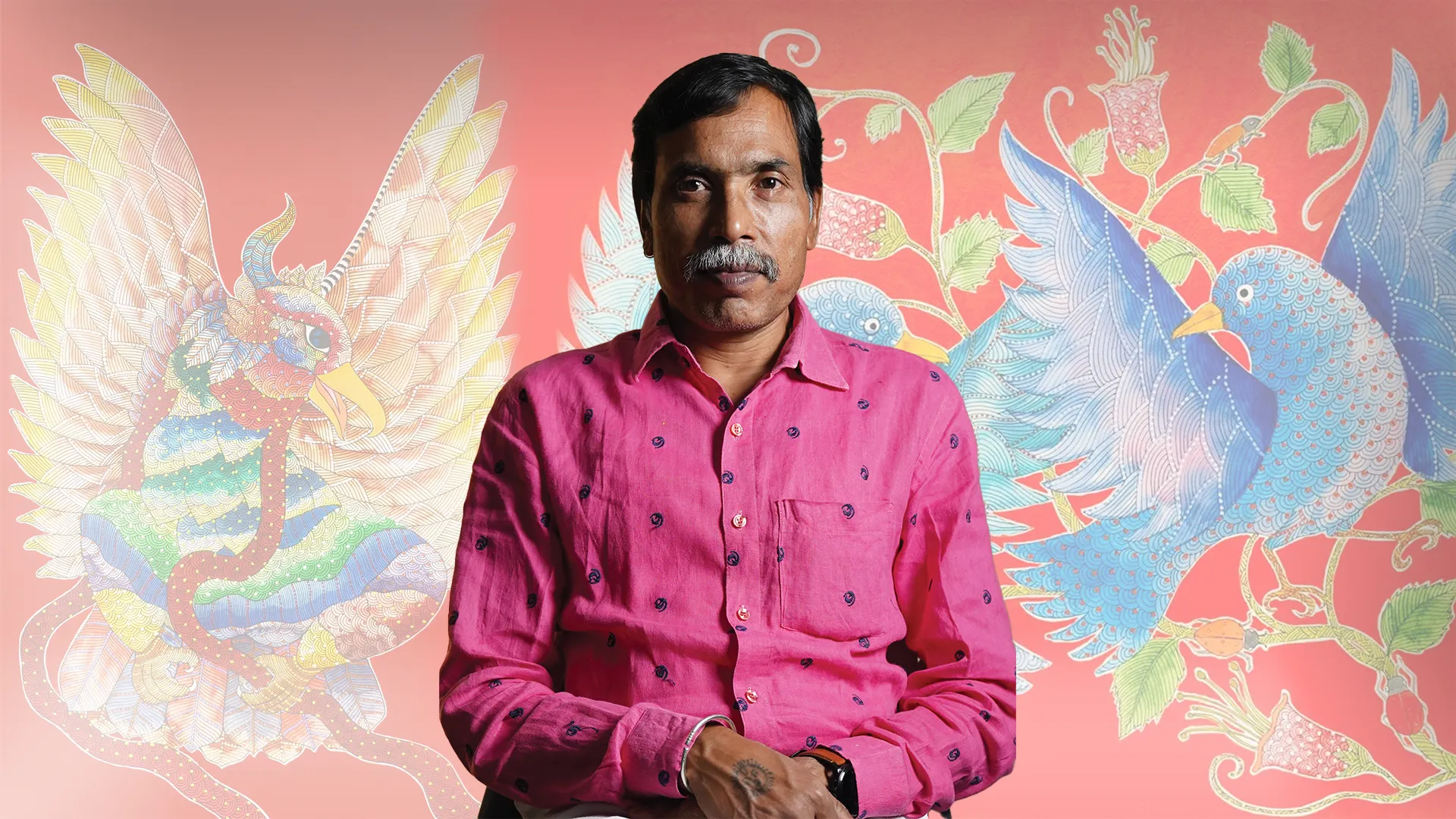
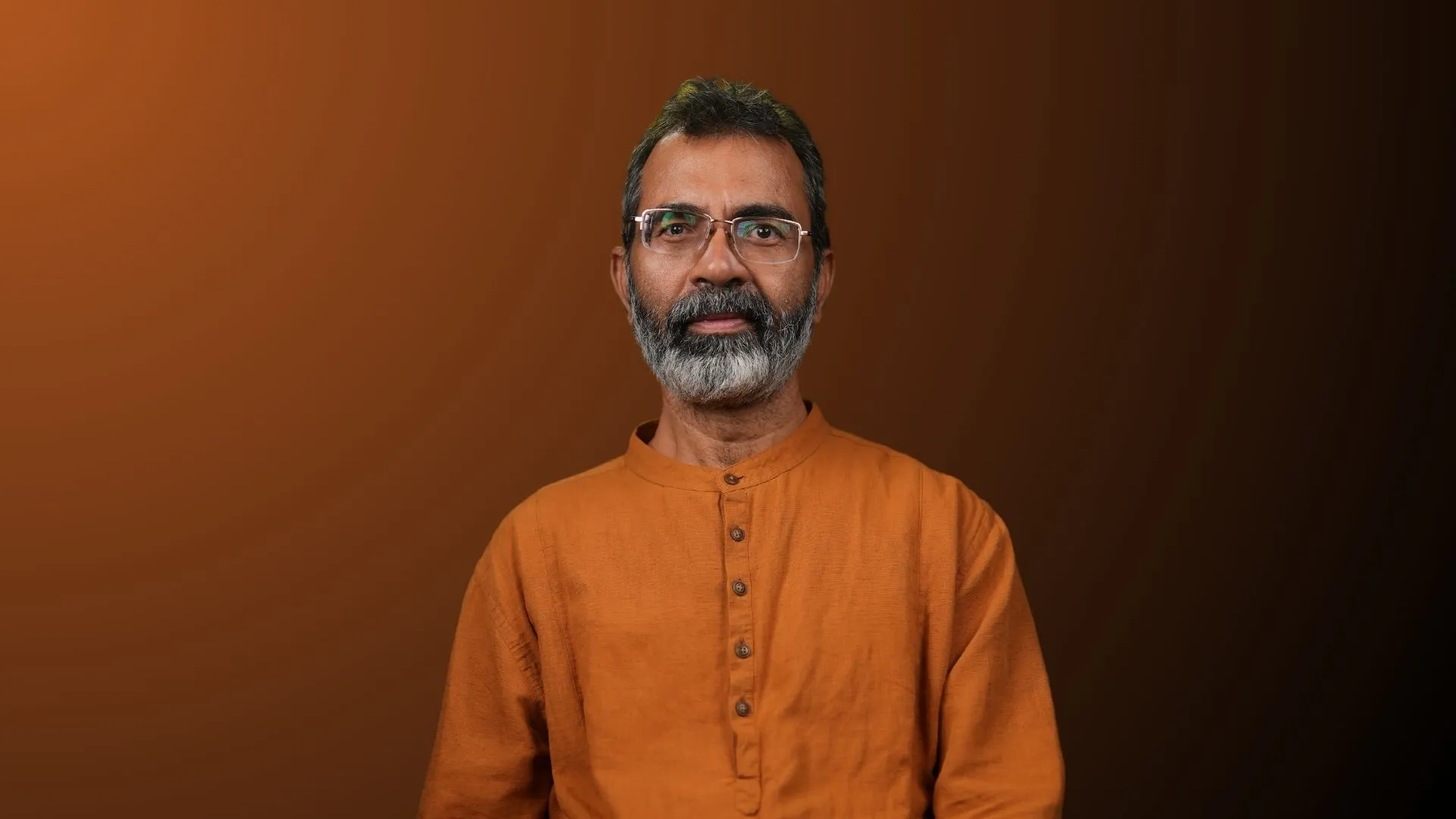
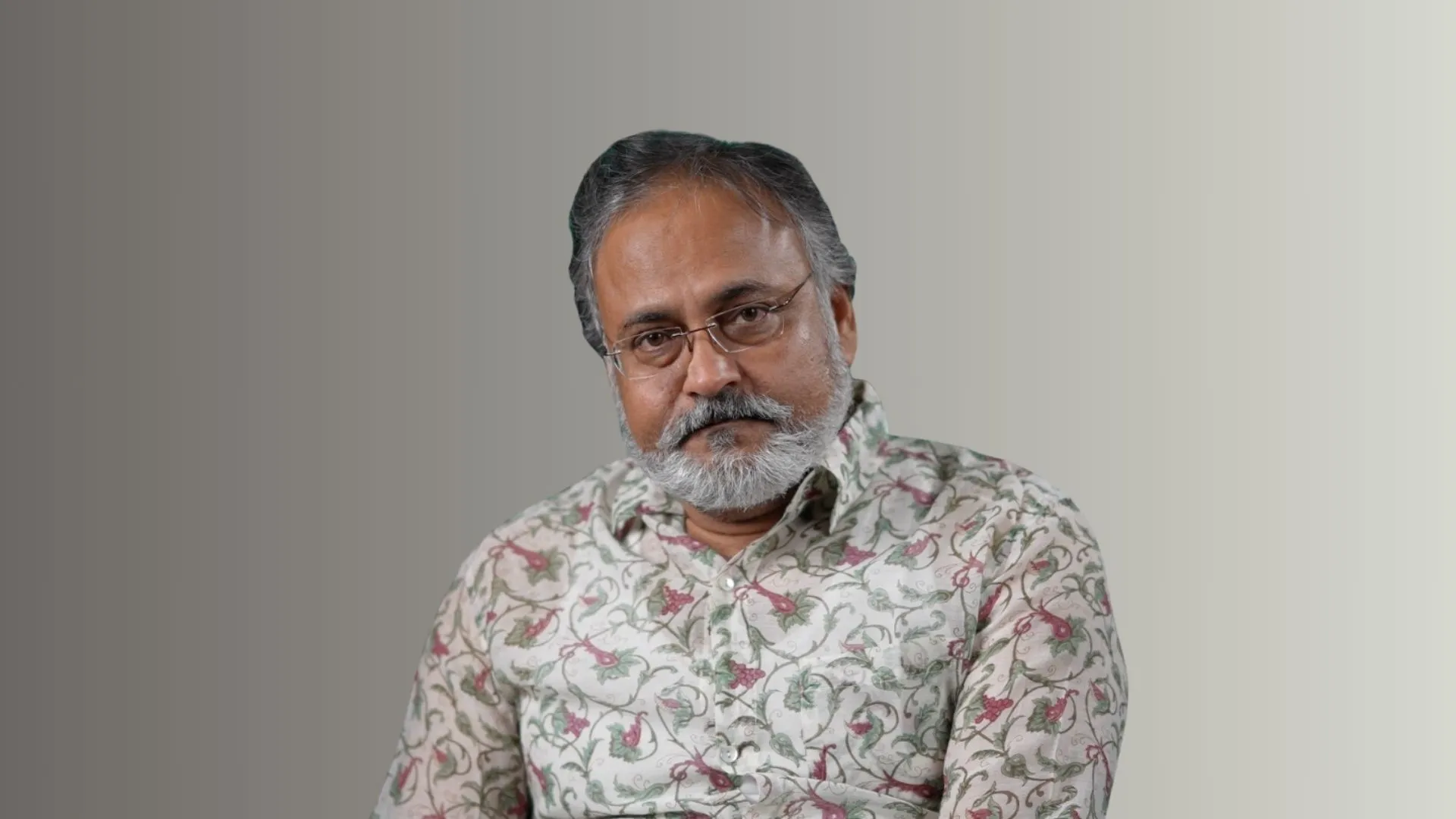
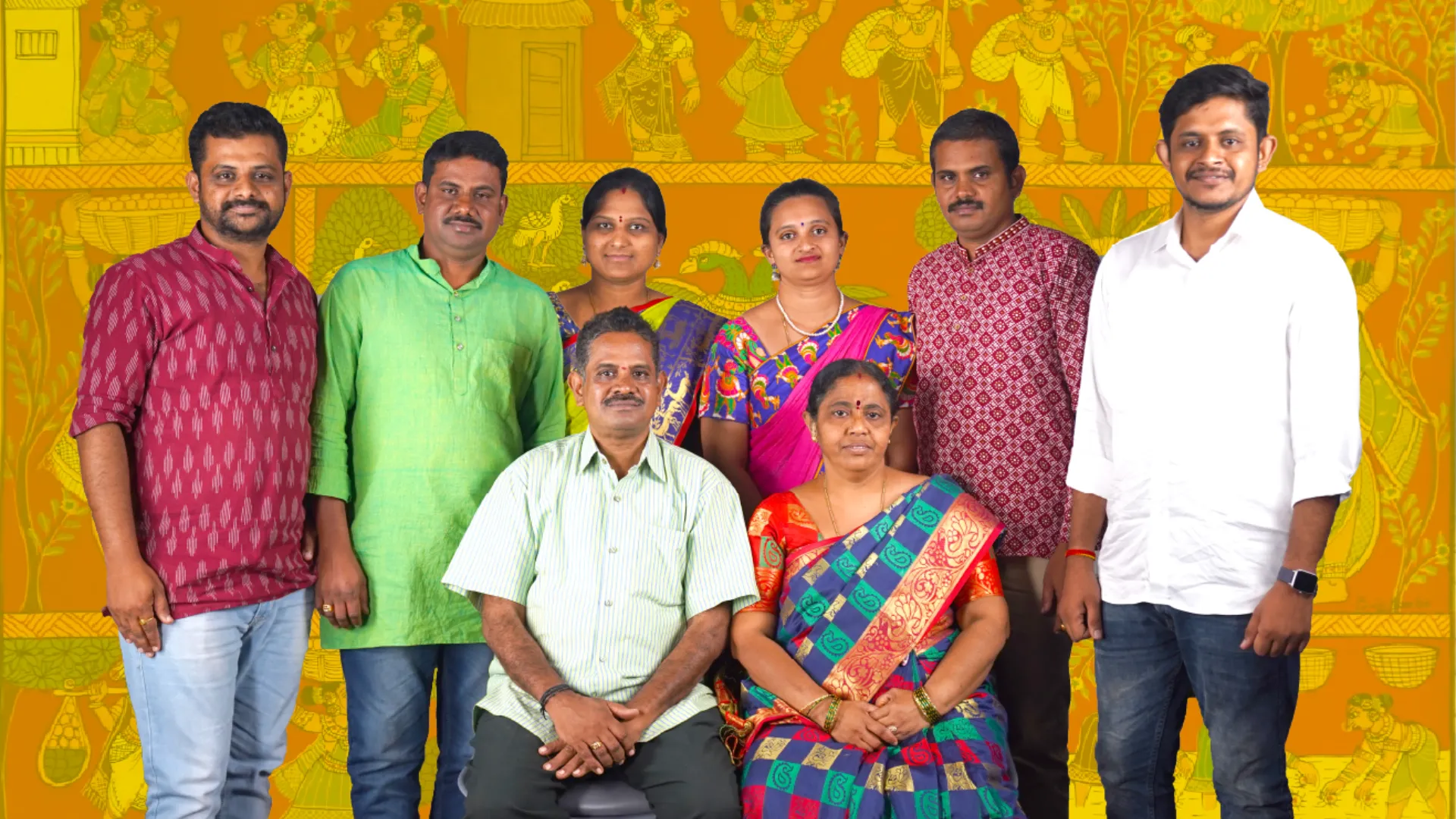
The most prominent practitioners of Cheriyal painting today are the Dhanalakota family from Hyderabad, Telangana. This family has been practising the Cheriyal tradition for more than four generations and is widely credited with keeping the art form alive through changing times. They have expanded the art beyond traditional scrolls to include smaller formats and decorative products that appeal to contemporary buyers. Nakashi Suresh Dhanalakota is among the active practitioners who has worked to document and teach the art form. Nakashi Venkateswara is another recognised artist from the same tradition, known for the quality of his mythological narratives. These artists represent a living lineage rather than an isolated craft, having adapted to exhibition culture and urban demand while preserving the traditional red-background scroll format that defines Cheriyal scroll painting.
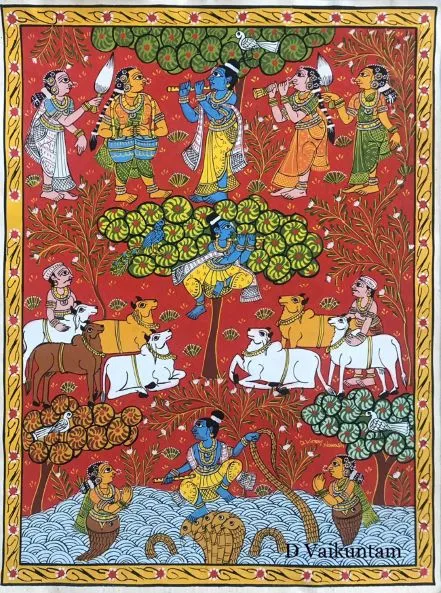
If you want to learn Cheriyal painting, the most direct route is to study with the Nakashi artists who have practised this tradition for generations. Rooftop offers a Cheriyal course by the Dhanalakota family that teaches the full process - from preparing the khadi base to applying natural pigments and painting traditional mythological scenes. You can also experience the art form hands-on through the Cheriyal painting experience or try the traditional Cheriyal mask painting workshop on the Rooftop platform.
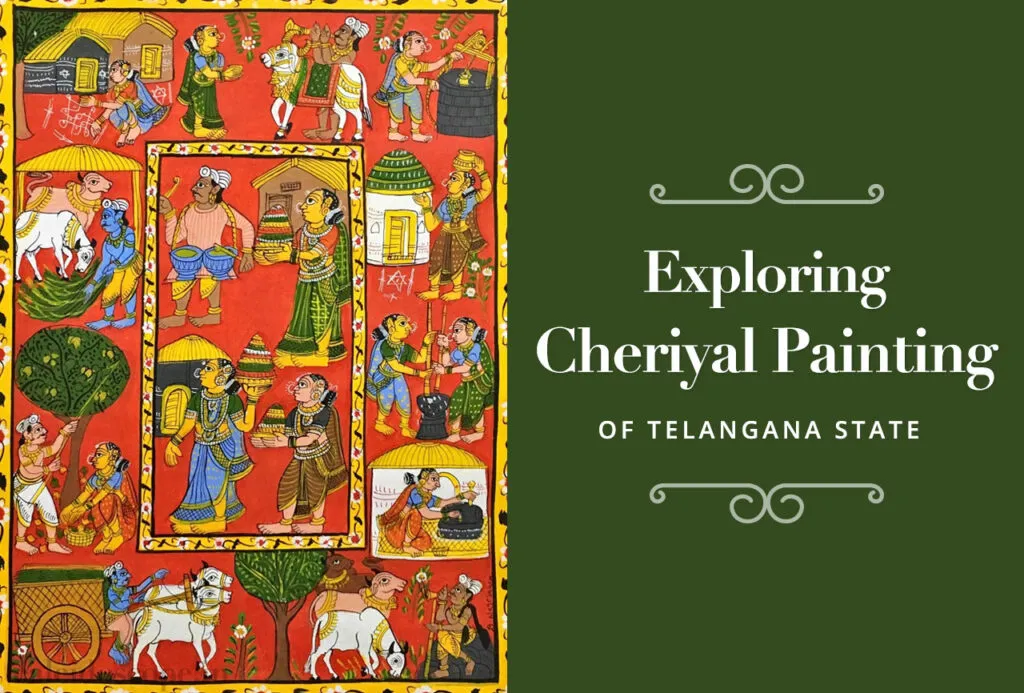
Original Cheriyal scrolls and smaller works can be found in craft fairs across Telangana, and the Jagdish and Kamla Mittal Museum of Indian Art in Hyderabad holds an important collection of Deccani scroll paintings. The Cheriyal village itself, located about 100 km from Hyderabad in Warangal district, is one of the few places in India where the art is still actively made. For those looking to buy authentic pieces, Rooftop's shop carries original works from traditional Indian folk art practitioners. You can also explore more Telangana folk art on the Rooftop Art Wiki.
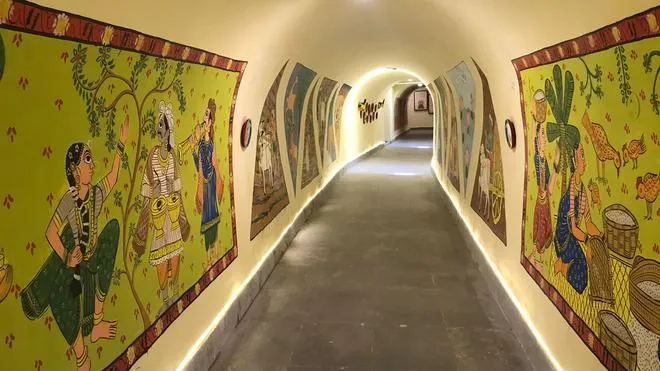
What is Cheriyal painting and where does it come from?
Cheriyal painting is a scroll-based narrative folk art from the Cheriyal village in the Warangal district of Telangana. It is a stylised version of the Nakashi painting tradition that evolved under Mughal influence in the 16th century. The art is approximately 400 years old and is traditionally made on khadi cotton cloth using natural pigments. It was historically used as a visual backdrop by professional storytellers who performed oral narratives for village communities.
Which community in Telangana practises Cheriyal scroll painting?
The artists who make Cheriyal paintings belong to the Nakashi community of Telangana. Historically, these painters created scrolls for storytelling groups called Kakin Padagollu, who used the scrolls to narrate oral literature to patron communities in different villages. Each storyteller community had its own patron caste and would commission scrolls depicting their Jati Purana, or caste-origin myths. Today, the Dhanalakota family from Hyderabad is the most prominent Nakashi family continuing this tradition across multiple generations.
What materials and colours are used in Cheriyal painting?
Cheriyal paintings are made on khadi cotton cloth prepared with a base paste of cooked rice starch, white clay, gum, and boiled tamarind seed paste. The natural colour pigments are obtained from mineral stones and plant sources, ground with water to form a thick paste. Brushes are traditionally made from squirrel hair. The most characteristic colour in a Cheriyal painting is the deep red used for the background, which gives every composition its distinctive warm tone.
What stories and themes are depicted in Cheriyal paintings?
Cheriyal paintings draw their subject matter from two main sources: Indian mythology and the daily lives of ordinary communities. Mythological episodes from the Ramayana, Mahabharata, Garuda Purana, Krishna Leela, Markandeya Purana, and the story of Bhavana Rishi are commonly depicted. Scenes from the working lives of fishermen, toddy tappers, cobblers, and fruit gatherers also appear alongside courtly themes from the Nizam period. Rituals and natural elements such as birds, flora, and architectural settings are used as supporting motifs throughout the composition.
Can I learn Cheriyal painting online in India?
Yes, Rooftop offers an online Cheriyal painting course taught by the Dhanalakota family, who have been practising this art for more than four generations. The course covers the preparation of the khadi base, the use of natural pigments, and the painting of traditional mythological narratives. In-person experiences including a Cheriyal painting session and a Cheriyal mask painting workshop are also available on the Rooftop platform for those who prefer a hands-on introduction.
Where can I buy authentic Cheriyal scroll paintings?
Authentic Cheriyal paintings can be purchased directly from Nakashi artists at craft fairs in Telangana or from the Cheriyal village in Warangal district. Rooftop's online shop also carries original works from traditional Indian folk art practitioners. For a more direct connection, taking a course or experience on Rooftop puts you in contact with the Dhanalakota family artists themselves, and many practitioners sell their works directly to students and collectors who connect with them through the platform.
Cheriyal painting carries within it centuries of Telangana's storytelling memory - the voices of the Kakin Padagollu, the faith of patron communities, and the skilled hands of Nakashi families who have passed the art from generation to generation. Explore Cheriyal courses on Rooftop and begin your own connection with one of India's most enduring scroll traditions.
Sources
Dallapiccola, Anna L. Indian Painting: The Lesser Known Traditions. Niyogi Books, 2011.
Mittal, Jagdish. Deccani Scroll Paintings. Jagdish and Kamla Mittal Museum of Indian Art, 2014.
Image Sources
“Cheriyal Scroll Painting.” IMP Art, https://imp-art.org/articles/cheriyal-scroll-painting/. Accessed 15 July 2026.
“Cheriyal Stories Adorn the Walls Inside the Rashtrapati Nilayam in Hyderabad.” The Hindu, https://www.thehindu.com/entertainment/art/cheriyal-stories-adorn-the-walls-inside-the-rashtrapati-nilayam-in-hyderabad/article66683170.ece. Accessed 15 July 2026.
“Cheriyal Painting.” Direct Create, https://www.directcreate.com/product/15163/cheriyal-painting. Accessed 15 July 2026.
Ghosh, Soma. “Revisiting Cheriyal Painting – A Vibrant World of Colour.” Caleidoscope, 7 Sept. 2022, https://caleidoscope.in/art-culture/cheriyal-painting-1. Accessed 15 July 2026.
“Cheriyal Scroll Painting.” Telangana360, https://www.telangana360.com/2017/09/cheriyal-scroll-painting.html. Accessed 15 July 2026.
“Cheriyal Painting.” Kamala Crafts, https://www.kamalacrafts.com/product/cheriyal-painting-9/. Accessed 15 July 2026.