
Borgeet - The Music Tradition of Assam
Get to know more about Borgeet, celestial daily prayer songs from Assam devoted to Lord Krishna
Introduction
Borgeet are devotional songs composed by the fifteenth and sixteenth-century saint-scholars Srimanta Sankardeva and his principal disciple Madhavdeva as part of the Neo-Vaishnavite religious movement in Assam known as Ekasarana Dharma. Written in the Brajavali dialect, an artificial literary language blending Assamese with Maithili, these songs are set to specific classical ragas and used in daily prayer services in Satras and Namghars. They express devotion to Lord Krishna and present moral, spiritual, and philosophical content through lyrical verse. Musicologists including Birendranath Datta have described Borgeet as a fusion of pan-Indian classical elements and local Assamese traditions that represents a rare and valuable contribution to Indian music.
Etymology
The term Borgeet is composed of two elements: bor, meaning great, superior, or divine in Assamese, and geet, meaning song. The compound is commonly translated as celestial songs or great songs. Neither Srimanta Sankardeva nor Madhavdeva used this designation for their compositions during their lifetimes; later generations added the prefix bor to emphasise the extraordinary nature and spiritual authority of these songs.
Origin
Assam; composed by Srimanta Sankardeva between 1481 and 1568 and by his principal disciple Madhavdeva between 1489 and 1596; the first documented Borgeet was composed during Sankardeva's first pilgrimage to Badrikashram, dated to around 1488 CE
Location
Satras, the monastic institutions of the Ekasarana Dharma tradition, across Assam; Namghars, or community prayer halls; also practised in Meghalaya
Community
Followers of the Ekasarana Dharma, also known as the Neo-Vaishnavite movement, founded by Srimanta Sankardeva; practitioners associated with Sattras and Namghar institutions across Assam
Relevance
Vulnerable; the tradition is actively maintained within Sattras and Namghars and has experienced some revival through educational institutions and online platforms, but faces challenges in reaching younger and non-specialist audiences
History
Background
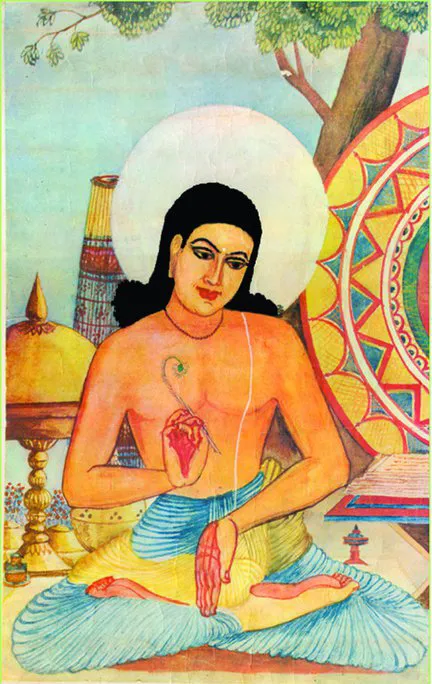
Srimanta Sankardeva, born in 1449 and active until his death in 1568, was a polymath who founded the Ekasarana Dharma, a monotheistic Vaishnavite reform movement that sought to promote devotion to Krishna while countering caste hierarchies and elaborate ritualism. His compositions encompassed Borgeet, theatrical works called Ankiya Naat, the Bhaona theatrical form, and the Sattriya dance tradition. The first Borgeet, mana meri rama-caranahi lagu, was composed in the Dhanshri raga during his first pilgrimage to Badrikashram, approximately in 1488 CE. Sankardeva is believed to have composed approximately 240 Borgeets; a devastating fire destroyed most of these manuscripts, leaving only 34 extant. In his distress at this loss, Sankardeva asked his disciple Madhavdeva to compose further songs in the same tradition.Madhavdeva (1489-1596) composed 191 Borgeets, of which 157 have been recovered. His compositions focus primarily on the child Krishna, while Sankardeva's surviving songs emphasise devotional surrender and spiritual aspiration. The first documented Borgeet is contemporaneous with the emergence of Dhrupad in the court of Man Singh Tomar of Gwalior (1486-1518), reflecting parallel developments in classical Indian devotional music across different regions during the same period. The structural model of Borgeet is identified by scholars as drawing from the Charyapada, poems composed by Siddhachryas between the eighth and eleventh centuries.
Culture and Societies
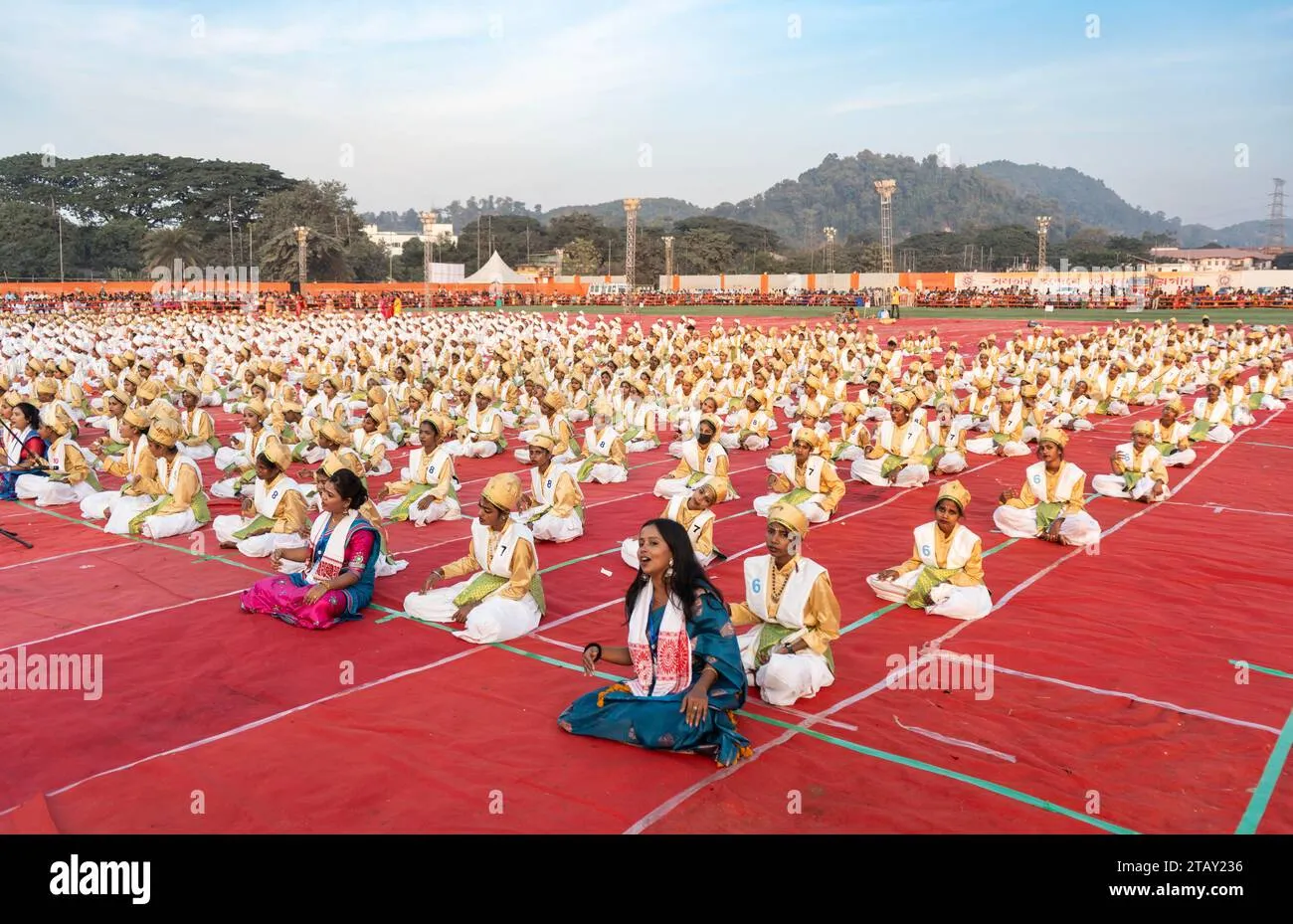
Borgeet are performed as part of Nama-Kirttana, the communal prayer service conducted in Satras and Namghars throughout Assam. The daily performance of Nama-Kirttana follows a structured sequence: a Nam-lagowa first sings an alap in a raga appropriate to the time of day, then performs a Borgeet or Ankar git in that raga. Specific ragas are associated with specific times of day: for example, Ashowari-raga with yati-maan in the morning. On major occasions including Krishna Janmashtami, Doul (Holi), and Bihu, the performance of Borgeet is preceded by an orchestral recital of Khol, Taal, and Negera. These larger orchestral performances are referred to as Yora-prasanga, Khol-prasanga, or Yogan-gowa.The Koch kingdom and the Ahom kingdom, the two dominant political entities of medieval Assam, both adopted the Ekasarana Dharma under the influence of Sankardeva, extending the reach of Borgeet across the region. The Satras, monastic institutions that evolved from assemblies founded by Sankardeva, continue to function as the primary institutional custodians of the Borgeet tradition. An effort to make Borgeet accessible beyond Assamese-speaking communities was undertaken in 2024 with the completion of a comprehensive Hindi translation of all 187 extant Borgeets by Devi Prasad Bagrodia.
Religious Significance
Borgeet are intrinsically and exclusively devotional in function. They were composed as instruments of religious reform and community worship, intended to communicate Vaishnava devotion to audiences across all social strata in accessible and emotionally direct language. Their use in Satras and Namghars is a daily religious practice. The songs are understood not merely as aesthetic compositions but as sacred texts through which the philosophy of Ekasarana Dharma, centred on single-minded devotion to Krishna, is transmitted and experienced. The ragas in which Borgeet are set, including Dhanshri, Shyam, Ahir, and Basant, are chosen for their capacity to evoke specific devotional moods appropriate to the time of performance.
Understanding the Art
Style
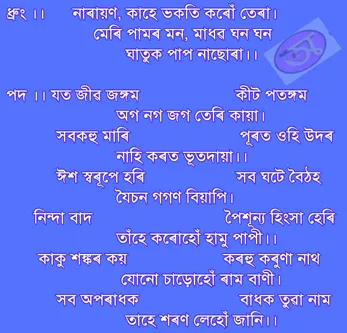
Borgeet are composed in the pada form of verse, where the first pada, marked dhrung, serves as a refrain repeated throughout the song, and the final couplet names the poet. The structure is described by scholars as modelled on the Charyapada of the eighth to eleventh centuries. The musical style of Borgeet is closer to the Dhrupad tradition than to the later Khyal: performances are characterised by gravity and sustained quality rather than the light embellishments associated with Khyal. The singing of a Borgeet is preceded by raga diya or raga tana, the Assamese term for alap, using devotional words such as Rama, Hari, and Govinda rather than the syllables used in Khyal or Dhrupad. The technique follows the Prabandhan Gana tradition, contemporary to Dhrupad and Kriti. Ragas are clearly specified in the compositions; raginis, the female counterparts of ragas, are not used. Talas are not always specified and are not required, but specific ragas are conventionally performed with associated talas.
Central Motifs and Their Significance
The lyrical content of Borgeet is wholly devotional, avoiding the romantic and erotic dimensions of Krishna narratives found in other Vaishnava song traditions. Instead, the compositions address the devotee's surrender to the divine, the soul's aspiration for liberation, and the moral and spiritual dimensions of Vaishnava philosophy. Sankardeva's lyrics express personal devotional yearning, philosophical reflection, and the acknowledgment of human limitation before divine grace. Madhavdeva's compositions focus on the stories of child Krishna, emphasising the tender aspects of divine playfulness. Both corpora share a quality of lyrical simplicity and emotional directness that serves the stated purpose of making spiritual expression accessible to all people regardless of their level of formal religious education.
Process
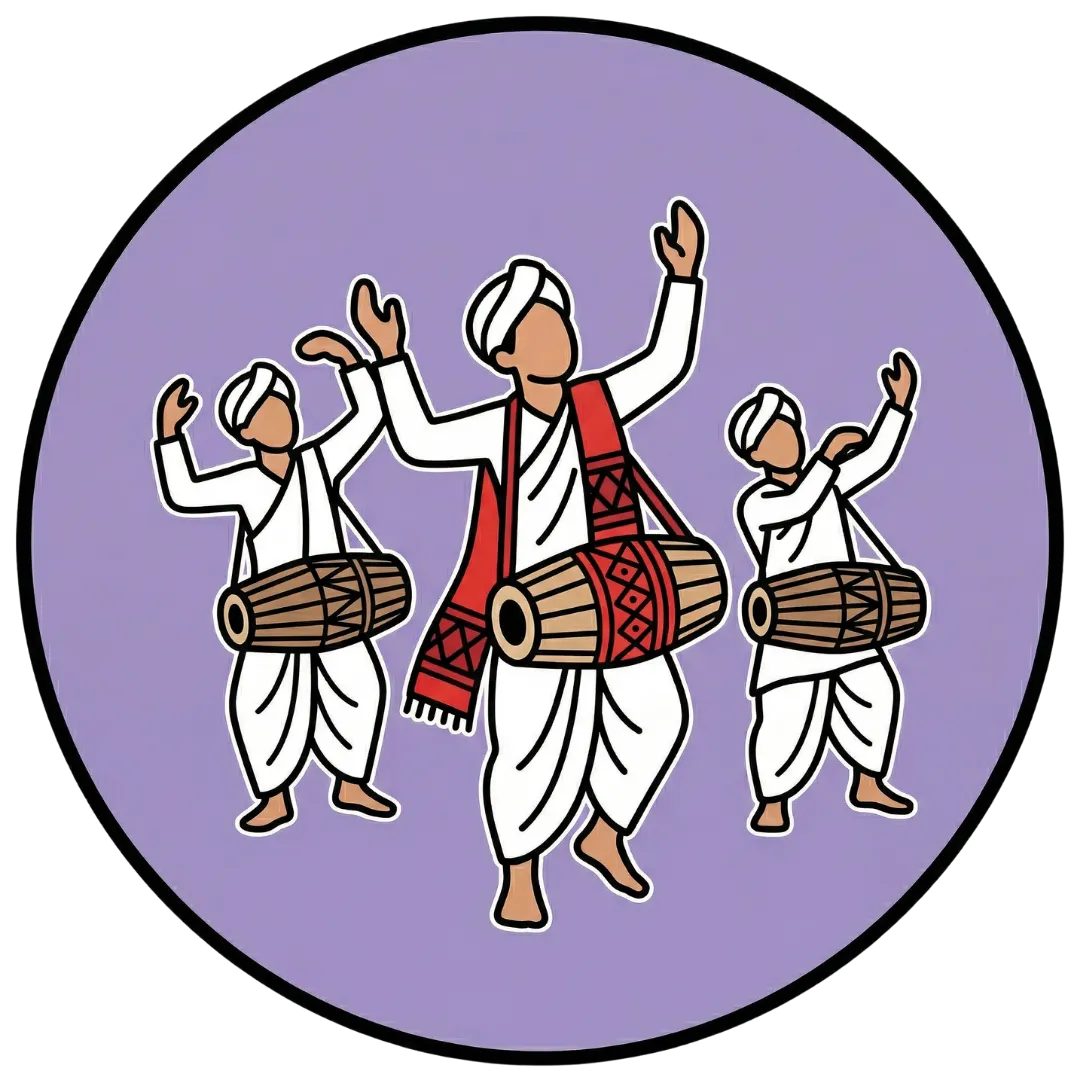
Borgeet are performed in the context of Nama-Kirttana services in Satras and Namghars by trained practitioners. The Khol drum, created by Sankardeva himself according to tradition, is the primary percussion instrument of the Borgeet tradition. The Taal, a pair of cymbals, and the Negera, a percussion instrument, accompany performances on major occasions. The singing style requires training in the specific ragas and talas of the Borgeet canon, which differ in some respects from Hindustani and Carnatic equivalents. The Brajavali language requires specialist knowledge for both performers and audiences, as it is not a living spoken language.
Mediums Used
The instruments used in Borgeet performance are the Khol, Taal, Negera, and Bortaal. The Khol, a drum attributed in its creation to Sankardeva, is the defining instrument of the Sattriya musical tradition. Borgeet are composed in the Brajavali language, a literary dialect not in common spoken use. Manuscripts containing the songs are preserved in Satras; many have also been published in academic editions.
New Outlook
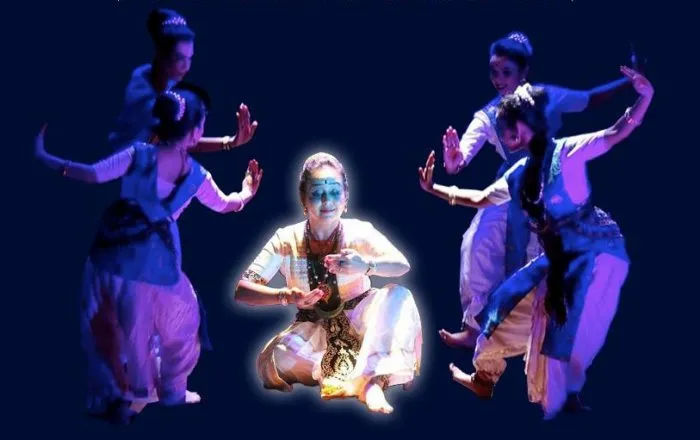
The Borgeet tradition faces the challenge of reaching audiences beyond the institutional network of Satras and Namghars and beyond Assamese-speaking communities. Scholars and cultural organisations have documented and published the songs, and translation efforts have been undertaken into Hindi and English. Online classes have been developed to teach Borgeet to students across India and internationally, with the youngest students reportedly aged ten years. Modern musicians explore the adaptation of Borgeet into contemporary musical contexts, a process that raises scholarly and community questions about the integrity of a tradition whose classical and devotional character is inseparable from its identity.
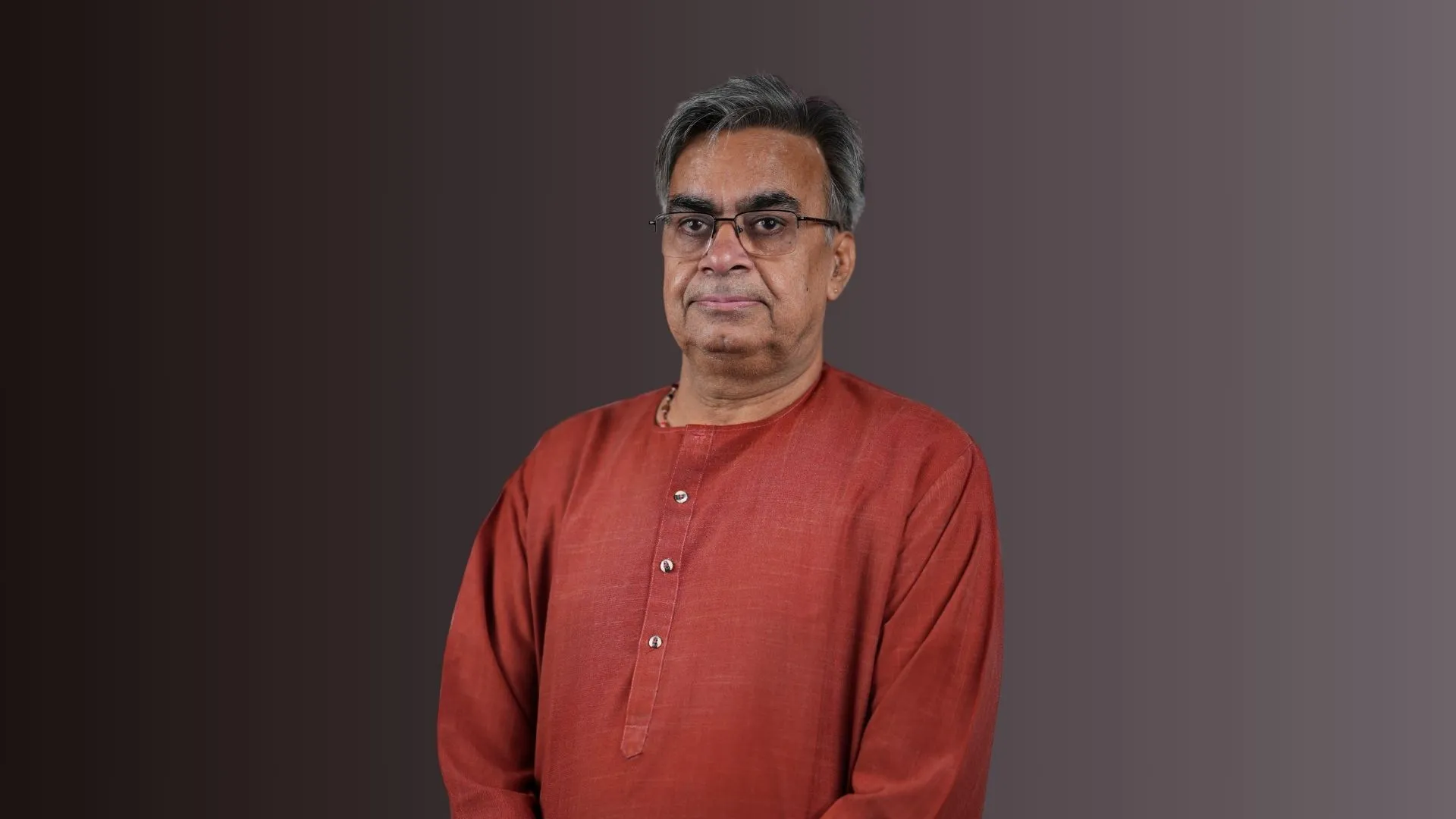
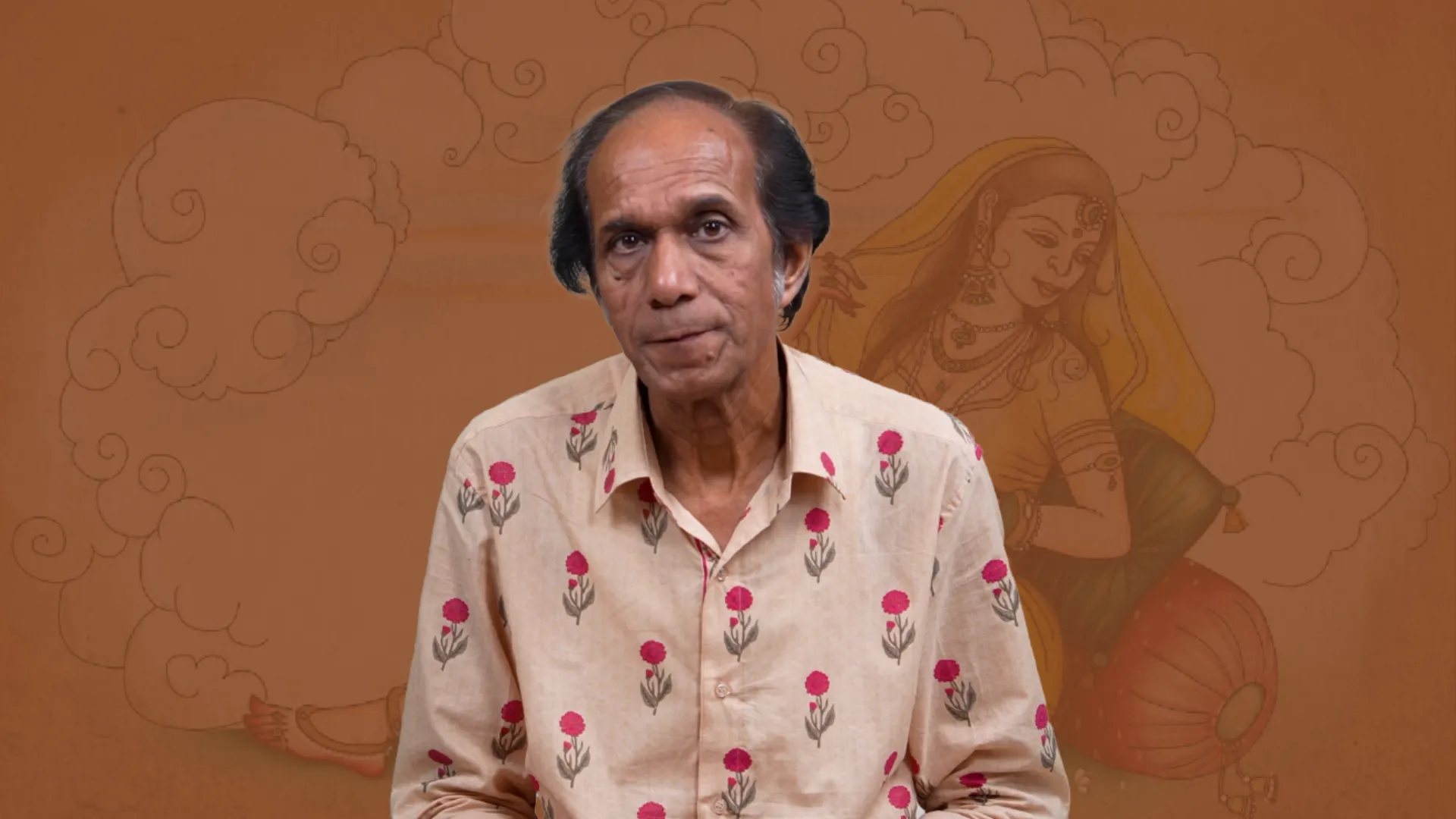
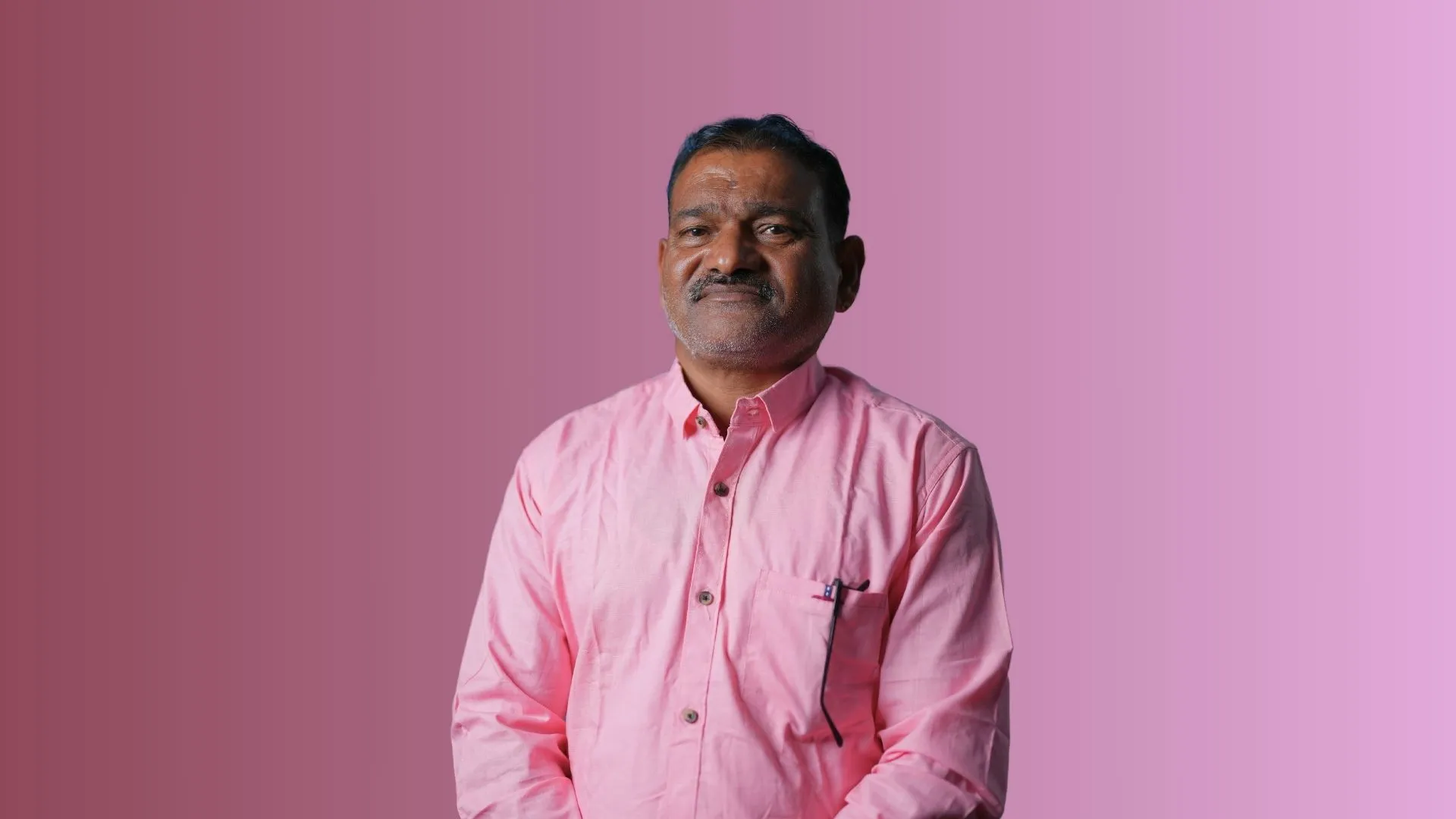
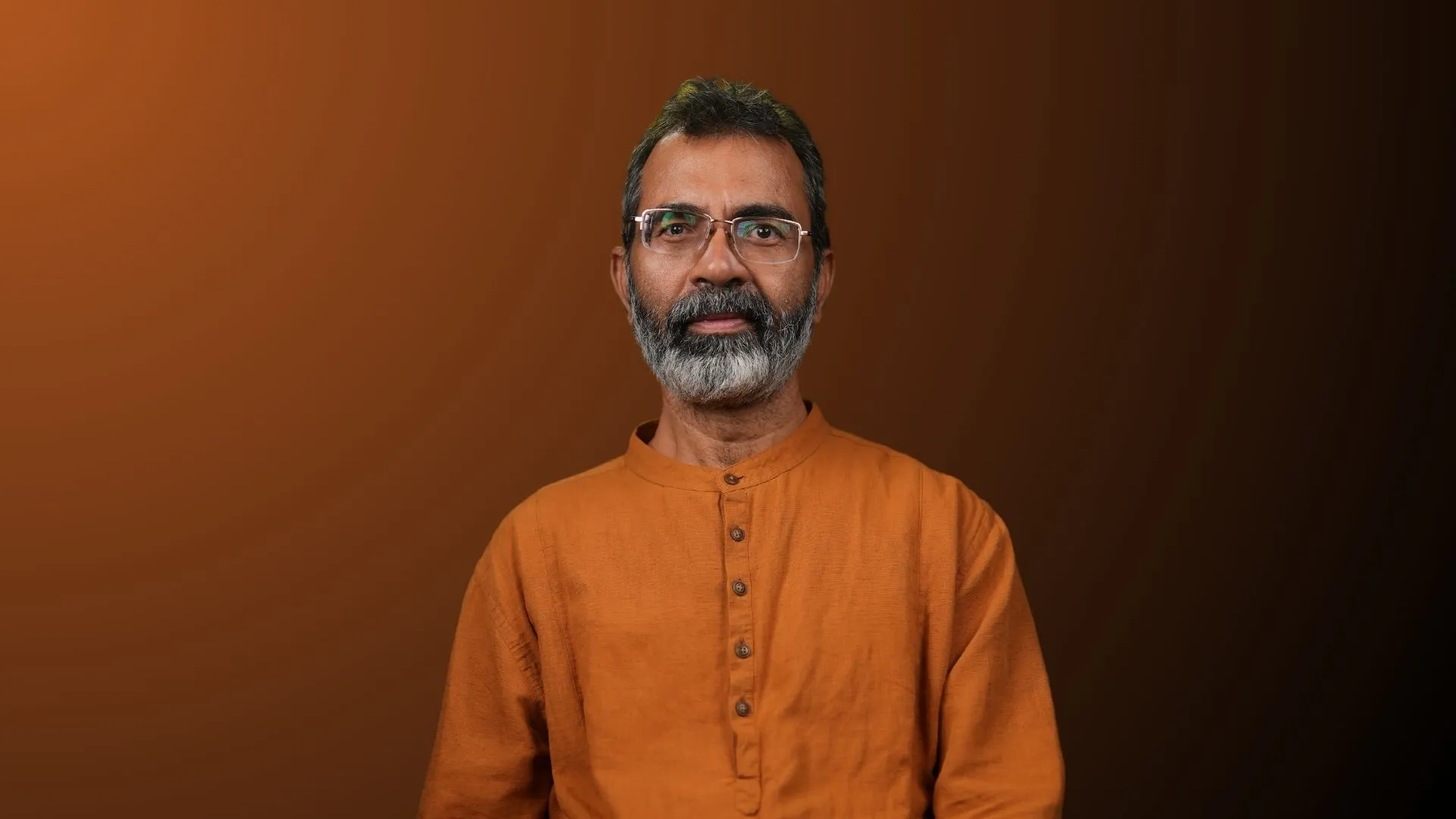
Learn Borgeet
Bibliography
Sources
Datta, Birendranath. Studies in Borgeet and Assamese Classical Music. Guwahati.
Mahanta, Jagannath. The Sattriya Dance of Assam: An Analytical and Critical Study.
Borkakoti, Sanjib. Great Songs: English Translations of 35 Borgeets. 2012.
"Borgeet." Wikipedia, https://en.wikipedia.org/wiki/Borgeet. Accessed 09 July 2026.
"A Comparative Study of Borgeet of Assam with Indian Classical Music." Sangeet Galaxy Journal, vol. 6, no. 2, 2017, pp. 4–10.
Image Sources
"Borgeet." Wikipedia, https://en.wikipedia.org/wiki/Borgeet. Accessed 09 July 2026.
"Borgeet." Alamy, https://www.alamy.com/stock-photo/borgeet.html. Accessed 09 July 2026.
"Borgeet: Music Beyond Time." Narthaki, https://narthaki.com/info/taalam/taalam92.html. Accessed 09 July 2026.
"Aspects of Vaishnava Music and Culture of Assam." LokoGandhar, https://lokogandhar.com/aspects-of-vaishnava-music-and-culture-of-assam/. Accessed 09 July 2026.
"Borgeet Competition: 2nd Round Result." Asomiya Vauna Sanskriti, https://www.asomiyavaunasanskriti.com/2020/08/Borgeet-compettion-2nd-round-result.html. Accessed 09 July 2026.